
Making Climate Conversations Stick
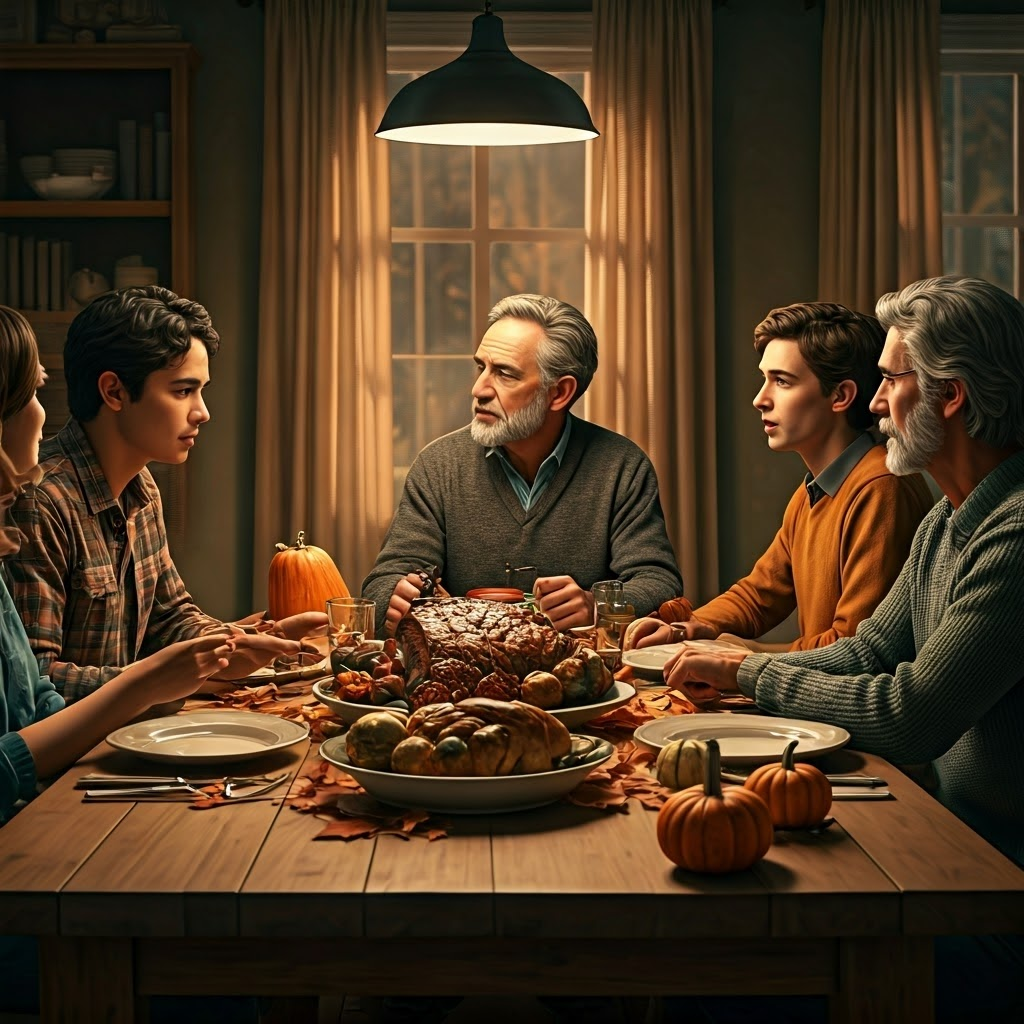
You’ve probably met someone who knows about climate change but doesn’t really feel it. Facts alone rarely move hearts. When you tell an uncle that 97 % of scientists agree on warming, he may nod and return to his roast beef. Emotion drives action, not numbers.
Think about past safety campaigns. Posters and data helped, yet what truly stuck was a neighbor quitting cigarettes for her kids or a friend proudly showing a reusable bag. Seeing someone close make a change makes the goal feel possible.
Why Facts Alone Aren’t Enough

Our brains tune in to stories, not spreadsheets. Psychologists call this the identifiable-victim effect—a single family’s flood story feels more real than statistics about millions. Open with something local: “Last summer’s heatwave nearly melted my sneakers—did you notice the roads buckling downtown?” Conversation starts there.
Why Facts Alone Aren’t Enough
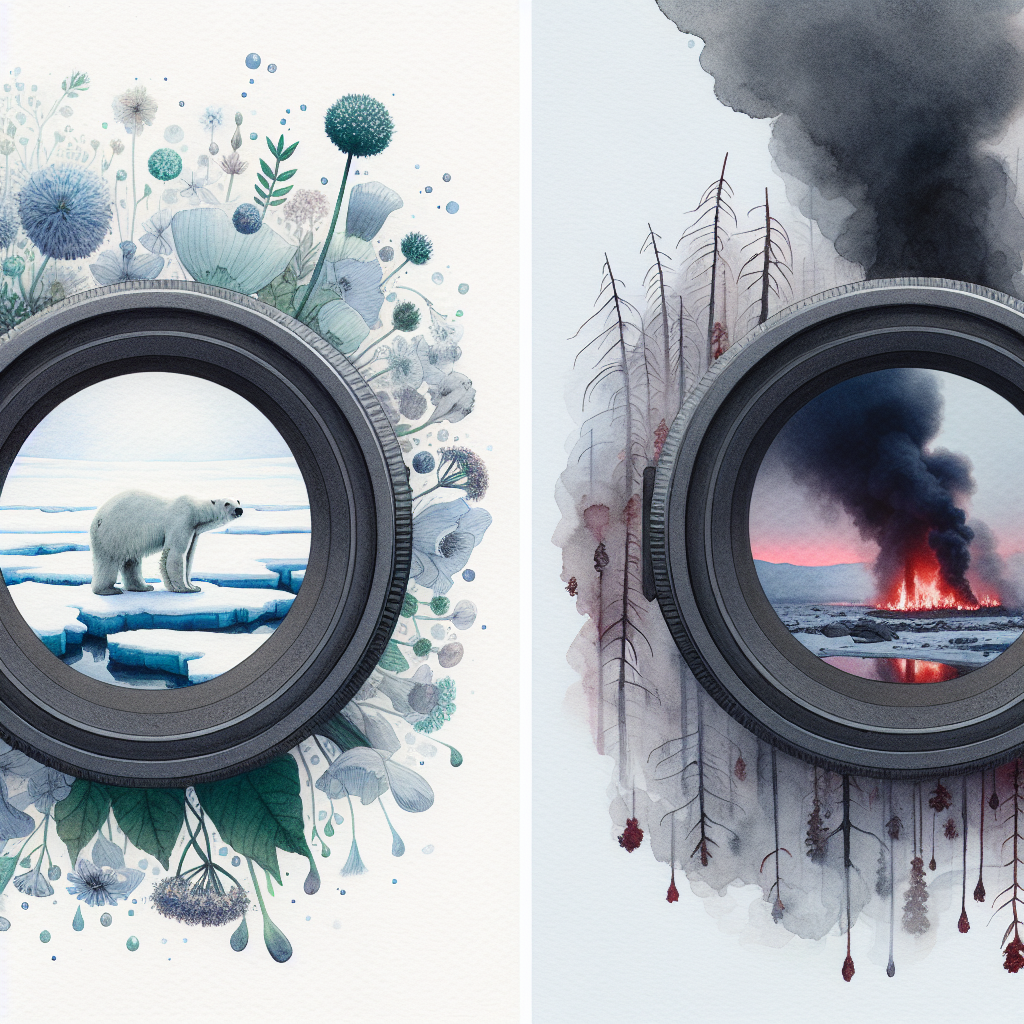
Framing shapes reactions. You can zoom out to distant polar bears or zoom in on parents coping with asthma from wildfire smoke. Ask yourself what matters to the listener. For a garden lover, discuss drought. For a budget-minded friend, highlight how solar cuts bills. Tailored frames lower resistance.
Framing and Storytelling for Impact

Storytelling gives facts shape. Try this four-step template: set the scene, spotlight the problem, show a choice, end with hope. “I biked to work, the heat got scary, I switched to cooler mornings, now my neighbor rides too.” Clear stories build connection faster than doom-laden forecasts.
Seeing is Believing: The Power of Visuals
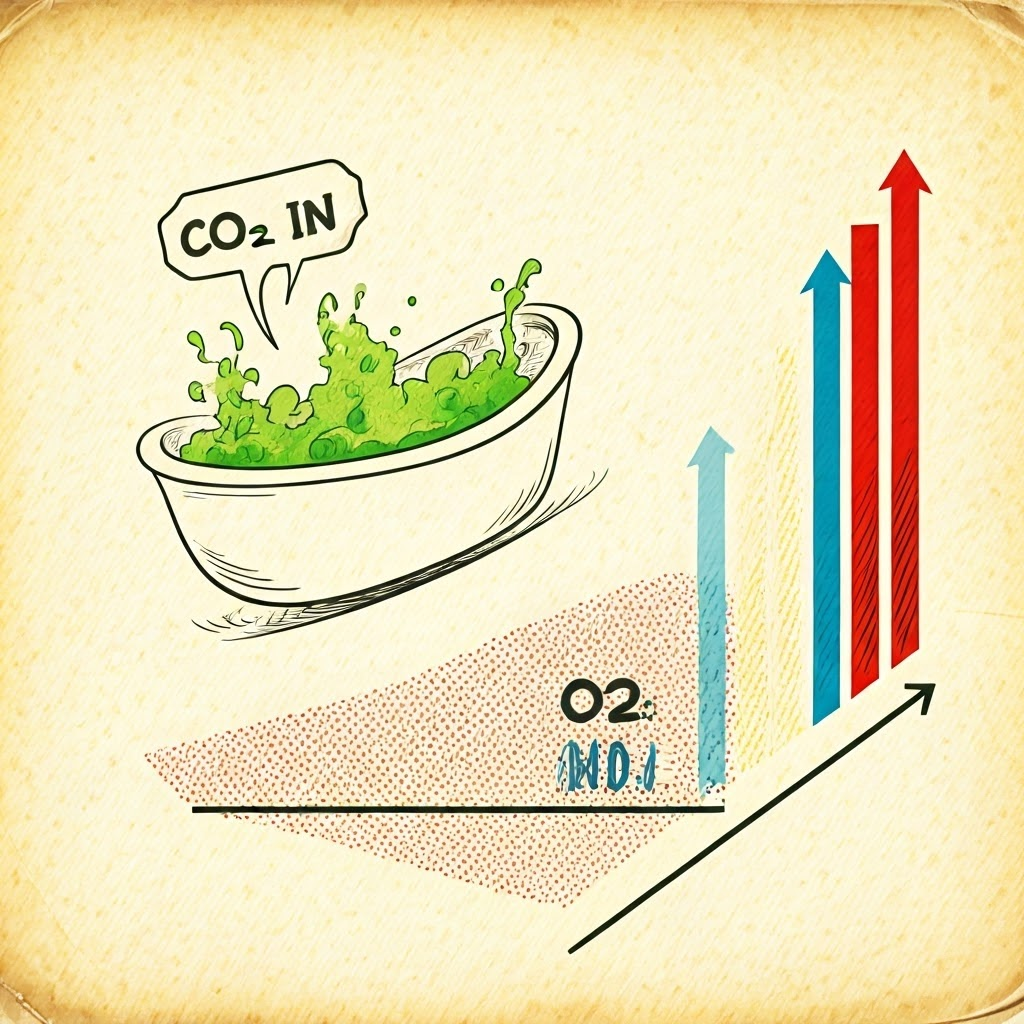
Brains love pictures. Skip the ten-slide deck and draw a bathtub filling with carbon dioxide. Or show warming stripes—from cool blue to hot red—to make the trend obvious. Simple visuals make climate science tangible and invite quick understanding.
Use before-and-after photos: a bare roof versus one with solar panels, or a dusty yard turned green. Images make solutions feel within reach.
Spotting and Countering Misinformation

Climate myths stick because they play on mental shortcuts. Common tactics include cherry-picking data or treating anecdotes as proof. Recognize confirmation bias—the tendency to favor information that fits what we already believe—and stay alert to the backfire effect.

Defuse myths without a fight. Ask, “Where did you hear that?” Acknowledge confusion, then share what you learned. Correct without repeating the myth: “Scientists see overall warming, even with cold snaps—like average grades trumping one test.” Role-play helps you stay curious, not combative.
Making Climate Science Personal
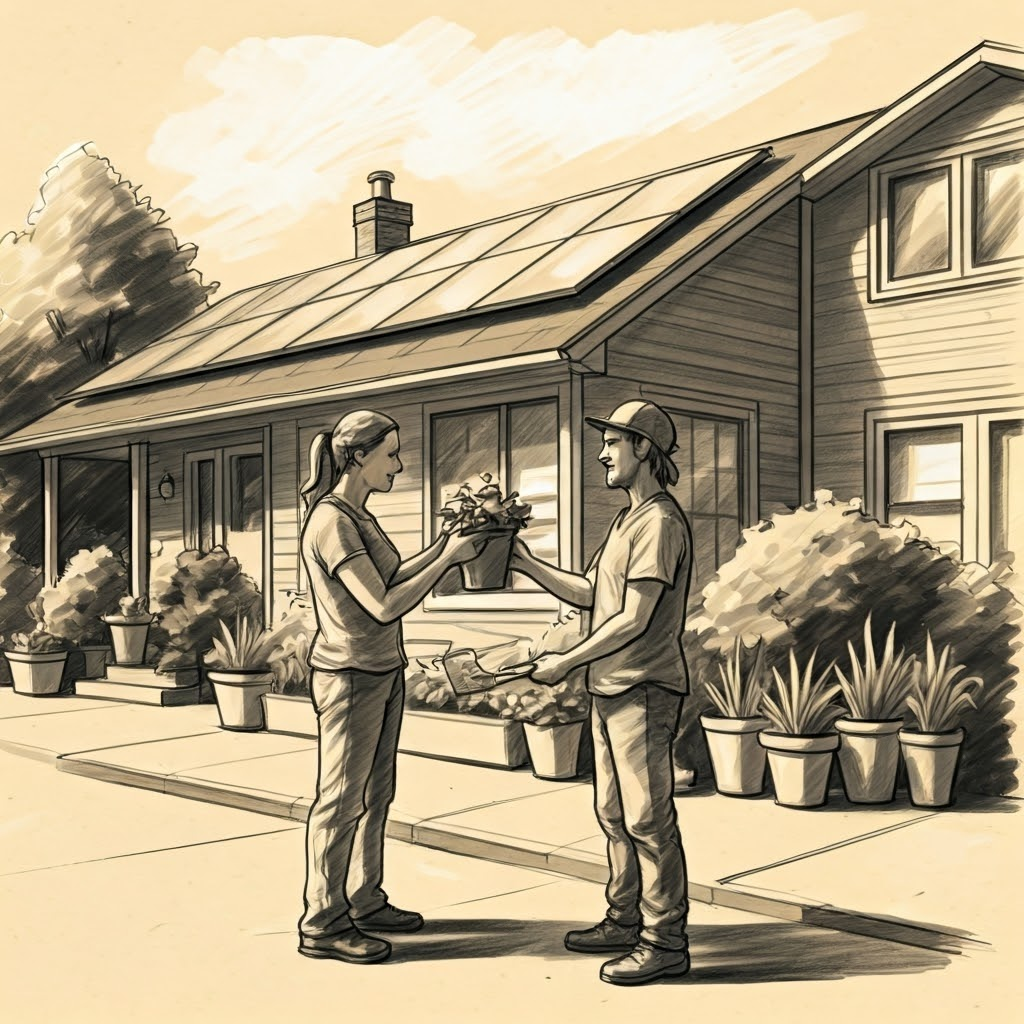
Lasting conversations feel personal. Swap stories as you would recipes. Link climate change to hobbies, health, or the neighborhood. With thoughtful framing, clear stories, and simple visuals, you don’t need to be an expert. Show you care, listen well, and invite shared action—one chat at a time.
