
Shields, Spears, and the Greek Way of War
The Hoplite Phalanx: Fighting Shoulder to Shoulder
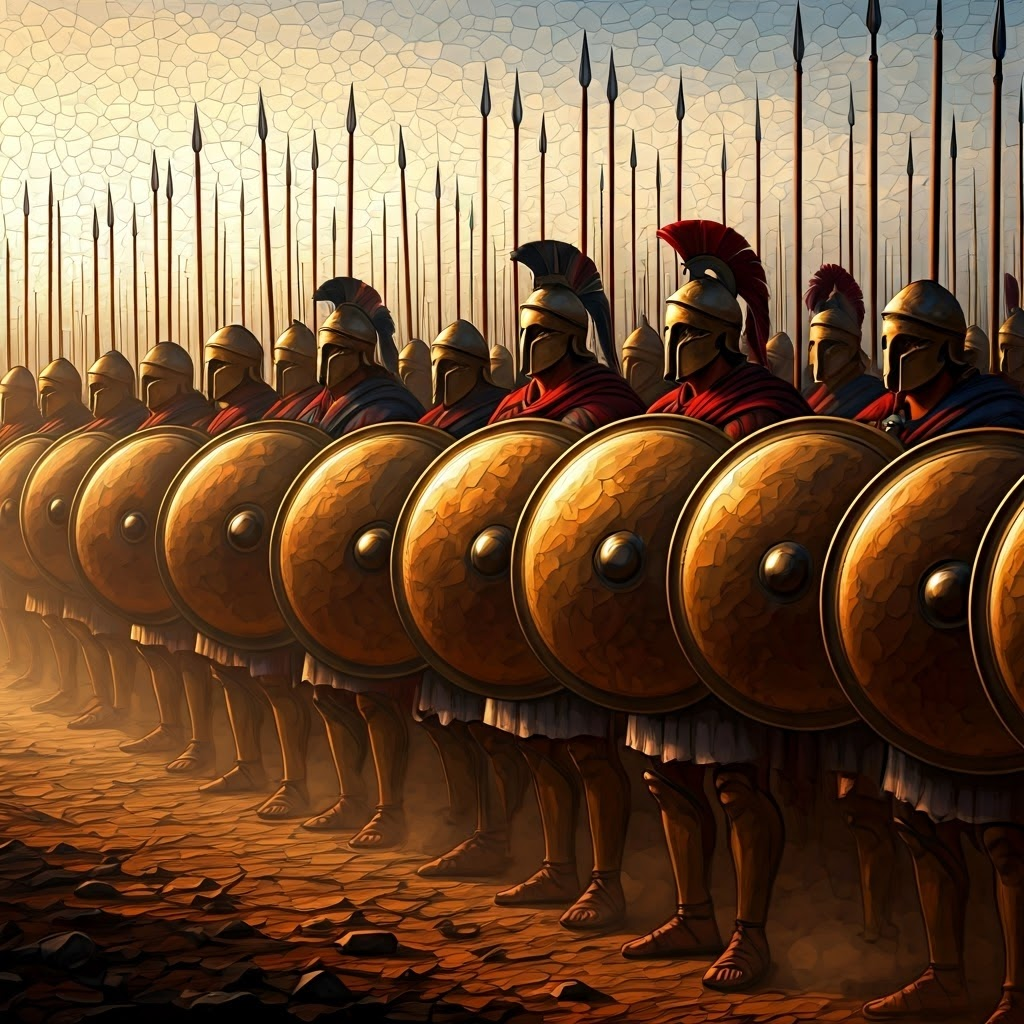
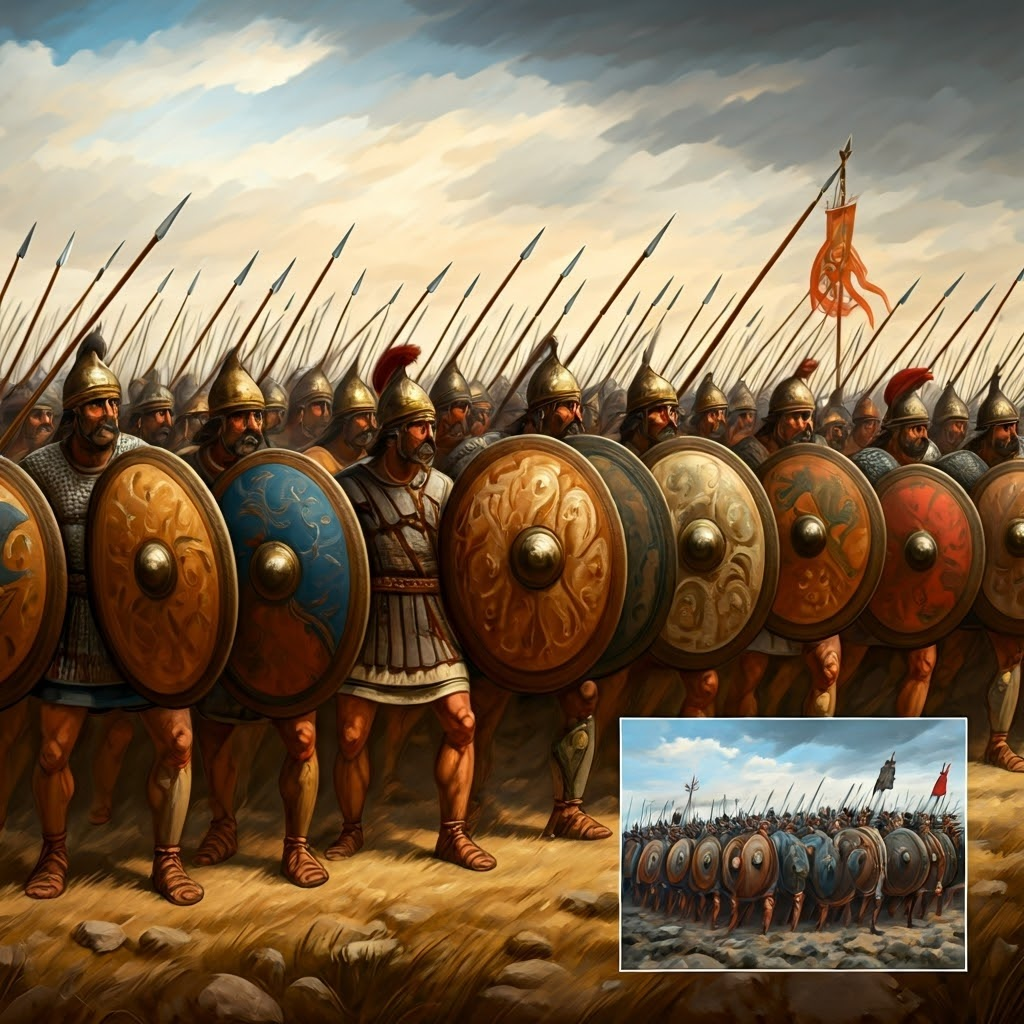
Picture a long row of hoplites locked together. Each soldier grips a round shield in the left hand and a heavy spear in the right. His shield guards half of his own body and half of his neighbor’s. Trust holds the line—break ranks, and everyone is at risk.
The Hoplite Phalanx: Fighting Shoulder to Shoulder
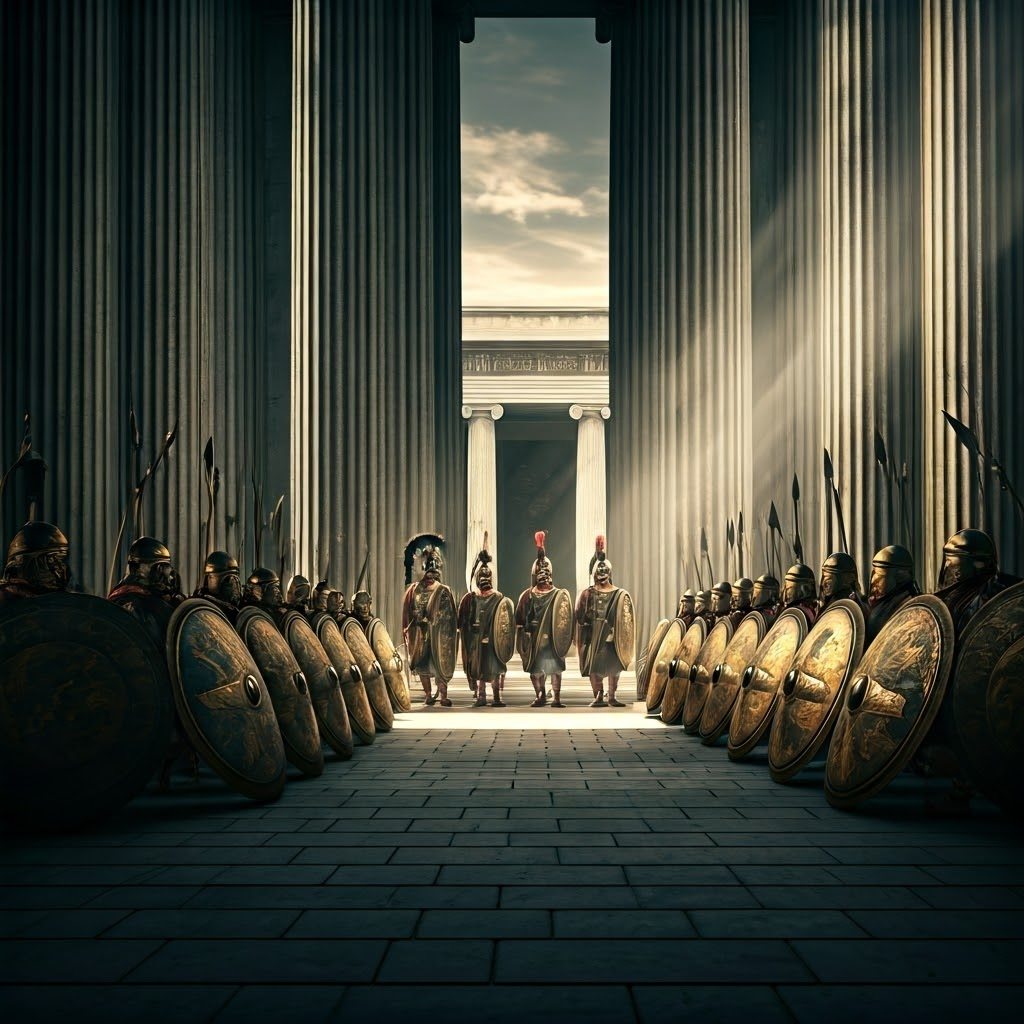
This close-order drill shaped Greek ideas of equality and citizenship. Only those who could buy armor served as hoplites, so farmers and craftsmen won a voice in politics. The shield—called an aspis—became a mark of belonging. When one shield could save or doom all, shared responsibility felt real.
The Hoplite Phalanx: Fighting Shoulder to Shoulder
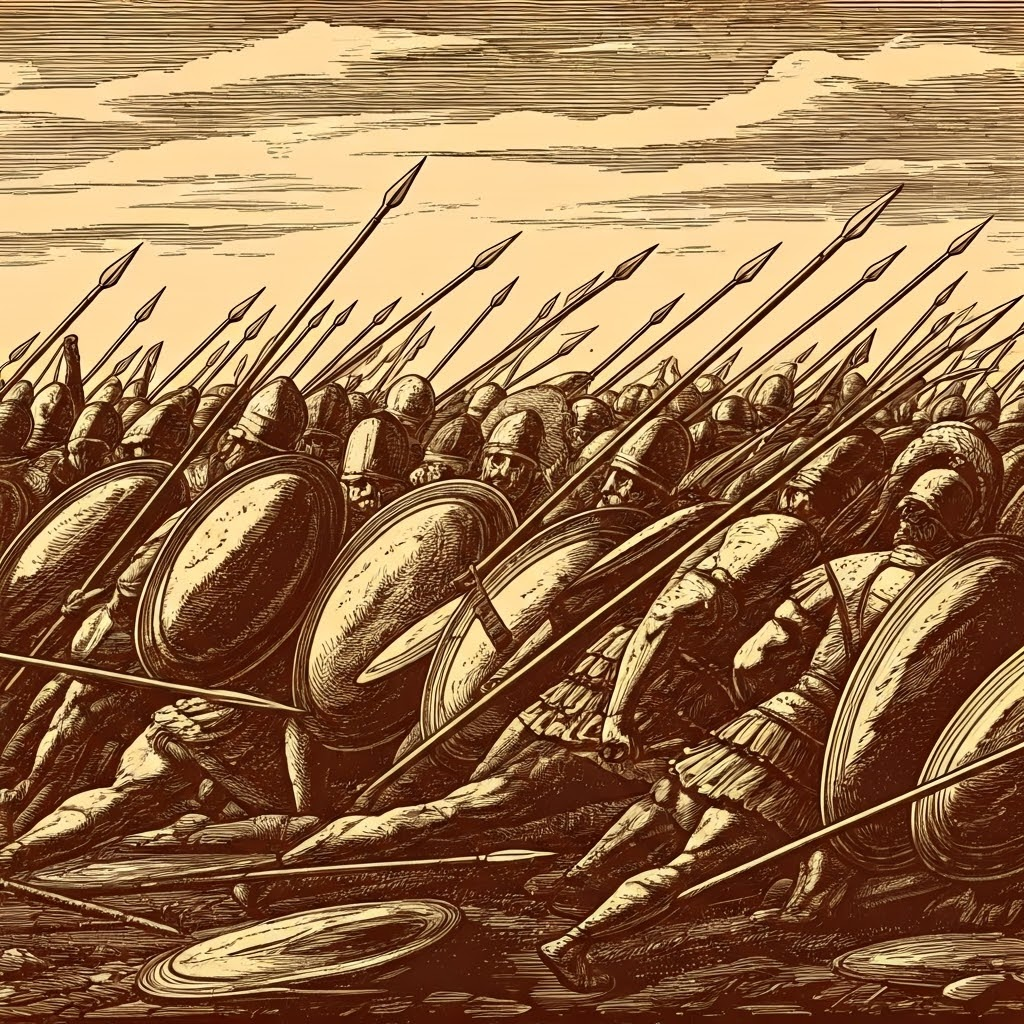
Battles like Marathon began with two walls of bronze slamming together. Spears jabbed through gaps, shields shoved hard, and the side that held formation won. Greeks called this push othismos—the raw test of nerve. A city’s strength showed in how firmly its citizens kept their place.
Sparta: Where War Was a Way of Life
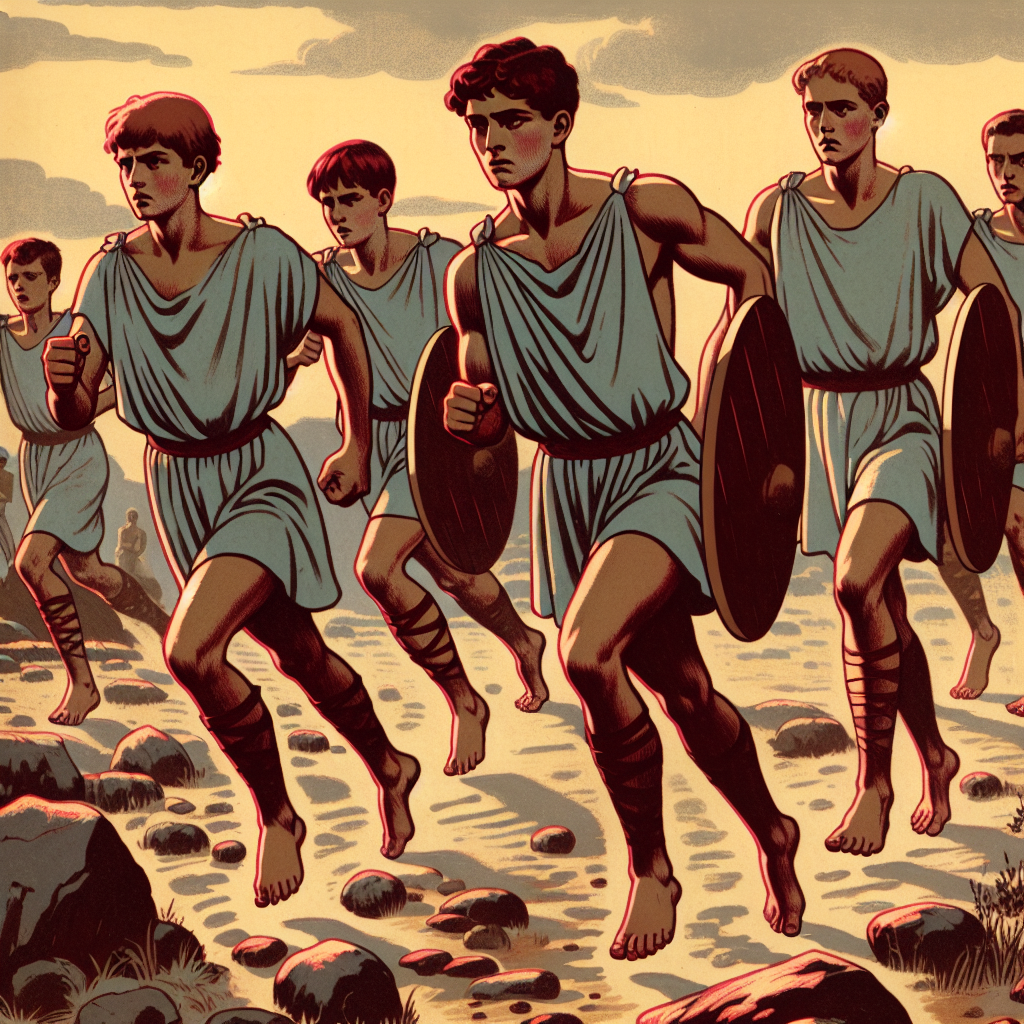
Most Greeks balanced farming, trade, and defense. Spartans turned life into drill. Boys left home at seven, learning to steal, endure pain, and obey orders. Every law aimed to forge elite fighters—poetry and commerce could wait.

Sparta: Where War Was a Way of Life
Full citizens—the Spartiates—trained all day while helots farmed. Fear of revolt kept Spartans ready for battle at home and abroad. Their stand at Thermopylae became legend, yet the rigid system that bred such courage also slowed change. When tactics evolved, Spartan numbers and influence sank.
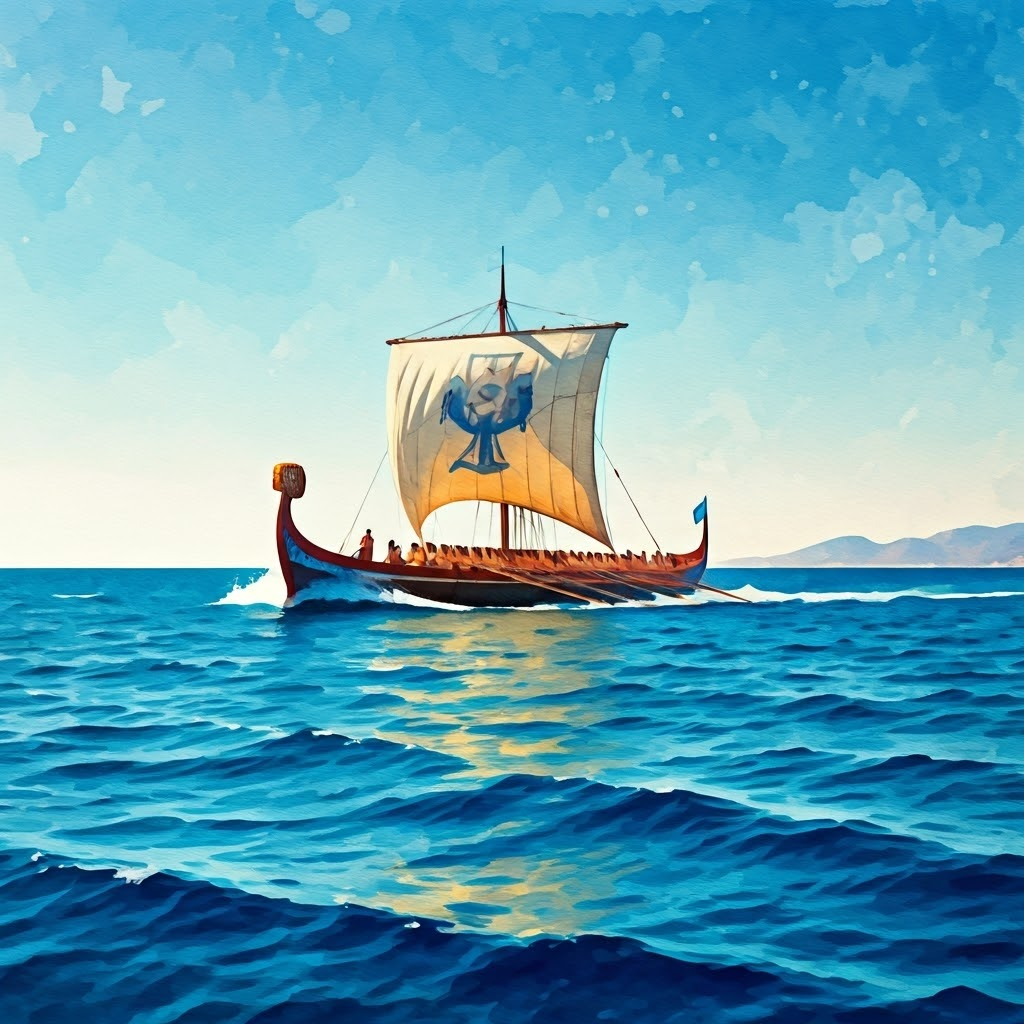
Naval Power: Triremes and the Battle for the Sea
Land warfare mattered, but the sea decided empires. The trireme—long, light, and rowed by 170 citizens—could ram slower ships or circle behind them. At Salamis, Athenian seamanship blocked Persian dreams of conquest. Speed ruled the waves.
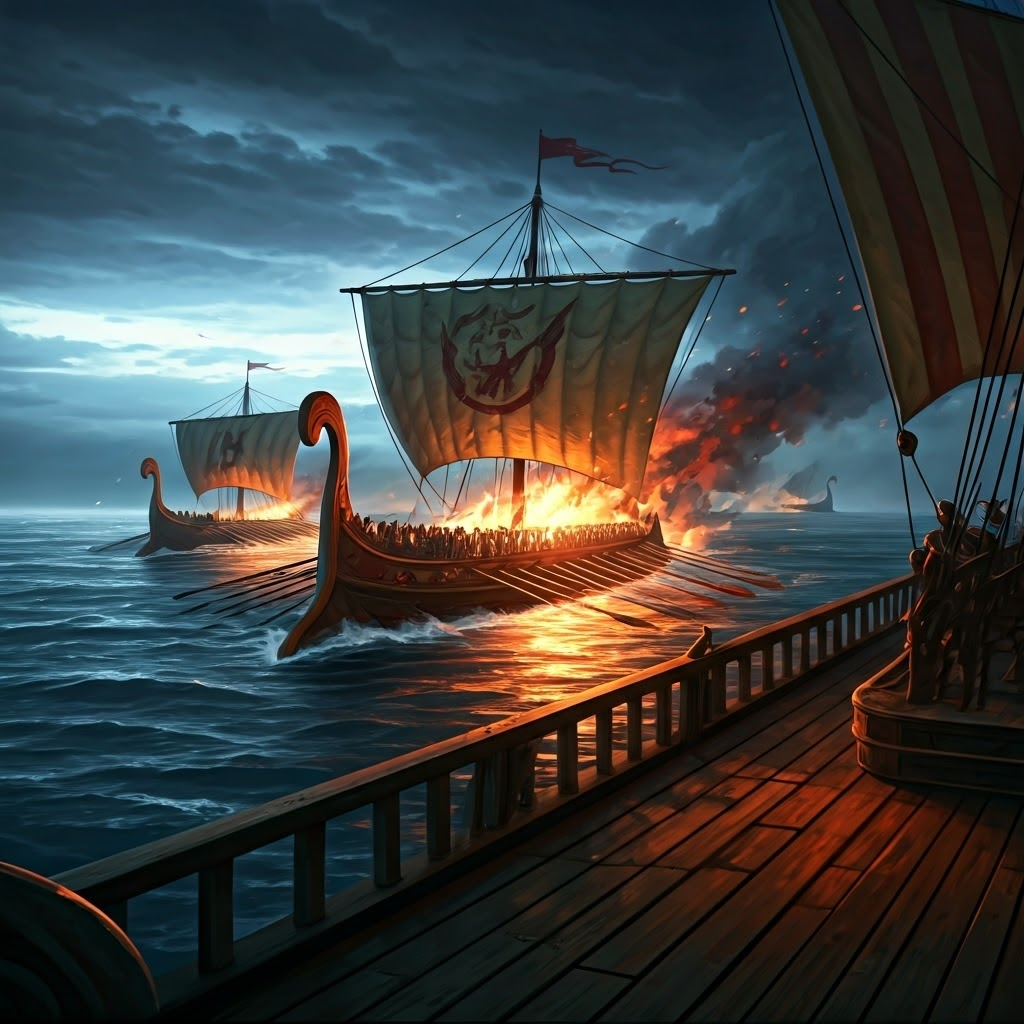
Naval Power: Triremes and the Battle for the Sea
Sea battles ended quickly. Crews sprinted at the oars, captains aimed sharp prows, and minutes later one side drifted in ruins. Mastery of the sea let Athens control trade and grain, turning naval skill into future power.
The Sacred Band and the Rise of Mercenaries
Thebes formed the Sacred Band—150 pairs of lovers who swore never to fail each other. Their tight bond made them Greece’s elite shock unit, crushing Sparta at Leuctra and proving training and commitment could beat tradition.
Over time, city-states hired mercenaries. These professionals fought for silver, not citizenship. Kings could now wage longer wars far from home, yet loyalty wavered when pay stopped. The shift weakened the old link between soldier and state.
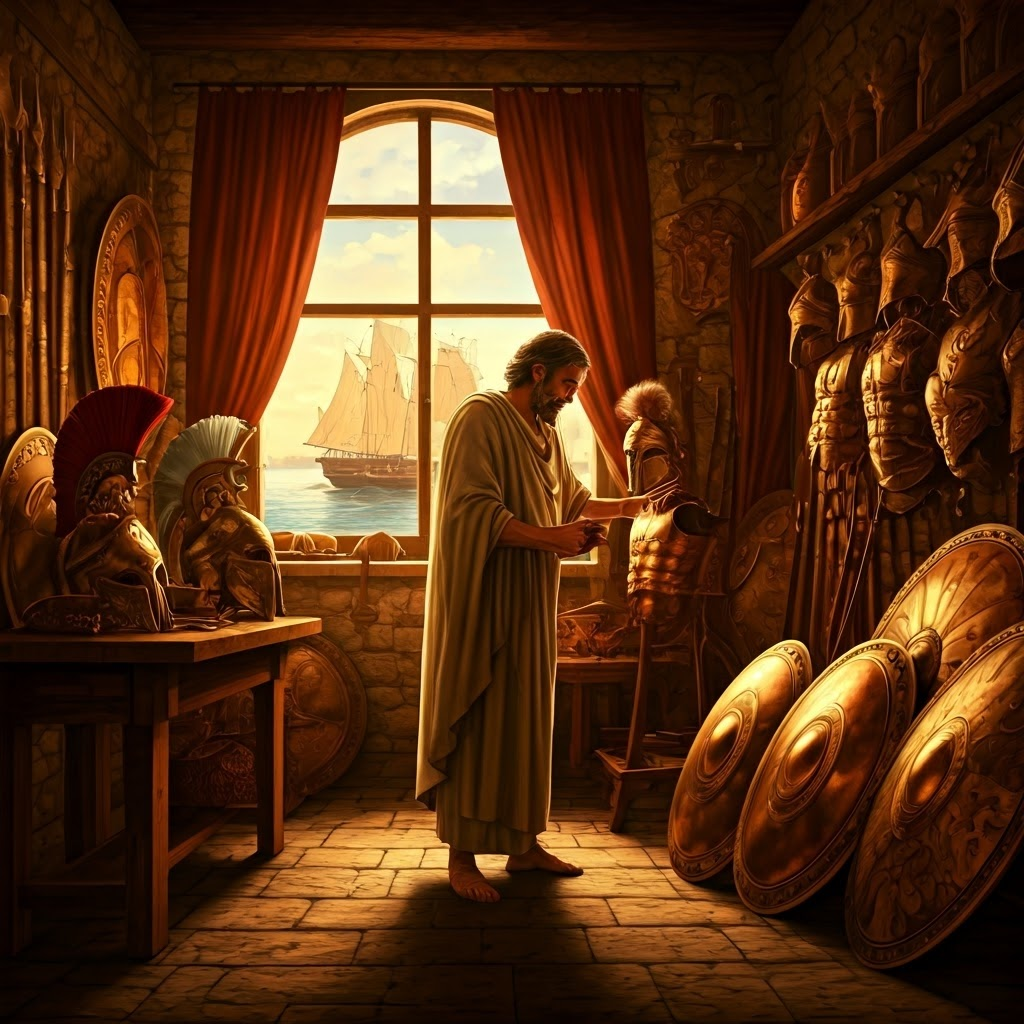
Armor, Pay, and the Price of Citizenship
Early hoplite gear—bronze helmet, cuirass, greaves—cost a fortune, limiting service to the well-off. As lighter linen armor spread, more men joined the ranks. State pay and prizes for victory widened political rights along with military duty.
Armor, Pay, and the Price of Citizenship
War brought gain and grief. Veterans won honor or land; others returned maimed or poor. Yet service often opened doors that birth had closed. In Greece, the struggle over who fought decided who counted—linking shields, votes, and belonging in one enduring story.
