15 min read  •  15 min listen

From Hashtags to Headway

How Social Media and Smartphones Changed Activism Forever

From Hashtags to Headway

AI-Generated

April 29, 2025

Ever wondered how a hashtag can spark a movement or how your phone became a tool for both protest and surveillance? This tome takes you inside the digital age of activism, showing how ordinary people use new tools to make real change—and what stands in their way.


How the Internet Changed the Game
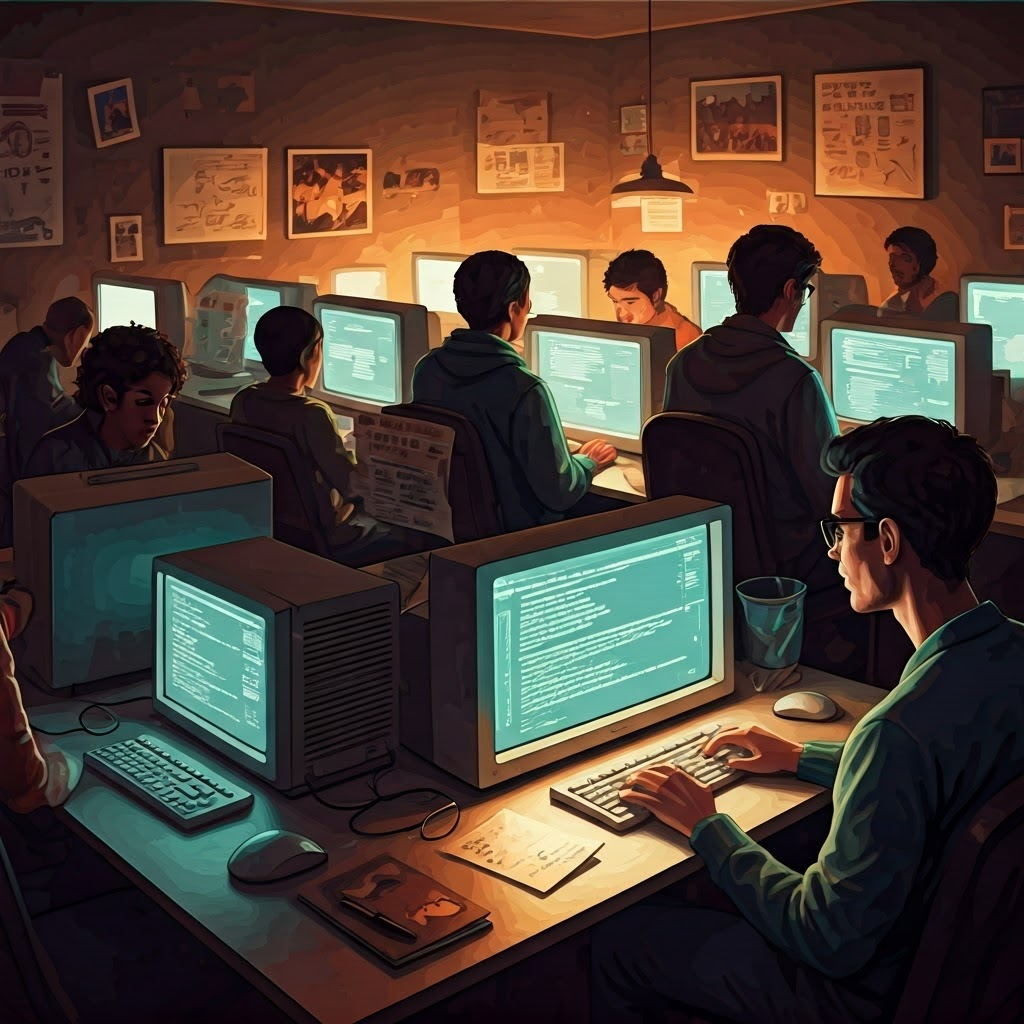
A bustling online community scene inside a dimly lit room filled with diverse activists typing at old-school computers, glowing screens showing text threads, protest photos pinned around. Some hold printed petitions, email newsletters swirling in neon trails. The mood is energetic and collaborative, with warm amber lighting casting dramatic shadows. The style is dystopian cyberpunk with painterly brush strokes and glitchy visual effects, capturing the raw grassroots energy of early internet activism.

From Forums to Feeds

Before Twitter threads and viral hashtags, there were online forums—places like Indymedia and MoveOn that felt a bit like crowded town hall meetings, but online. Indymedia started around 1999 and gave anyone a chance to report on global protests, especially during events like the Seattle WTO demonstrations. This meant the news didn’t just come from big TV stations; people at the scene could write and post photos themselves. MoveOn worked differently: it focused on email, sending around petitions and news to millions of people in the U.S., rallying them on topics like war and climate change.
A dynamic close-up of activists gathered around glowing computer screens in a packed, dim conference hall. Their expressions are focused and determined, faces lit by monitors displaying winding discussion threads. Warm and cool light contrasts highlight the intensity of grassroots debates. Style: cinematic neo-noir with grainy textures and deep shadows emphasizing the collaborative energy of early forums.

These early platforms worked because they flattened the barriers to getting involved. If you were frustrated with some political issue, you could log in, see what others were talking about, and join a conversation or organize an event. But there were limits: the technology was clunky, information spread slowly, and forums could get lost in long, winding threads that were hard for newcomers to follow.
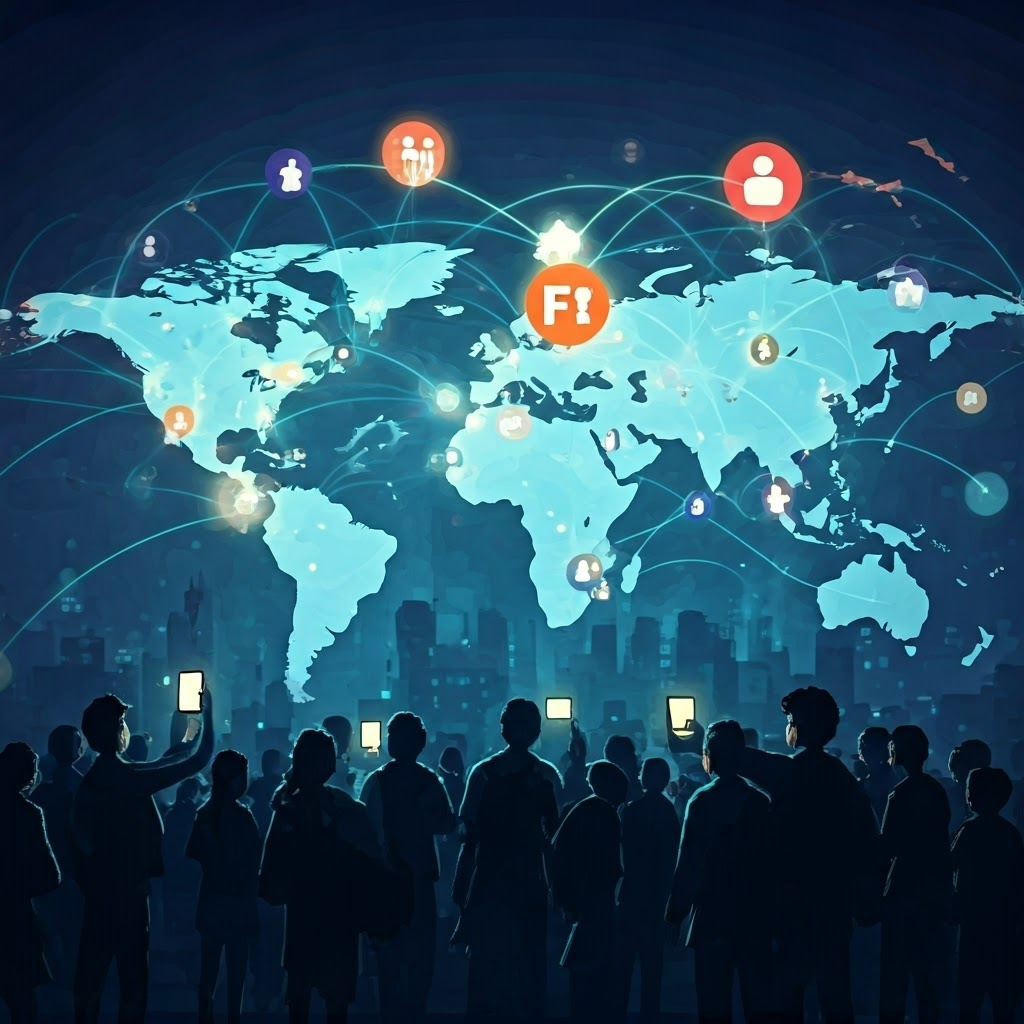
A vibrant digital crossroads with thousands of glowing nodes and lines representing social media connections stretching across a global map backdrop. In the foreground, diverse activists tweet and share videos on mobile devices, their faces illuminated by screen light. The sky behind is lit by floating social media icons like birds and 'F's glowing softly. The atmosphere feels electric, like a vibrant street festival at dusk. Digital storyboard style with bold colors, semi-realistic brush strokes, and energetic composition.

Everything shifted when social media arrived. Platforms like Facebook, Twitter, and YouTube didn’t just connect you to a single topic; they connected you to everyone, all at once. Posts moved quickly, algorithms surfaced the loudest voices, and a single tweet could reach thousands (or millions) in minutes. For instance, during the Arab Spring around 2011, tweets and Facebook posts helped people plan protests in Egypt and Tunisia without needing to agree on a single leader or a detailed plan in some prickly online forum. Instead, information flowed in real time, and public posts had a ripple effect that went far beyond small activist groups.
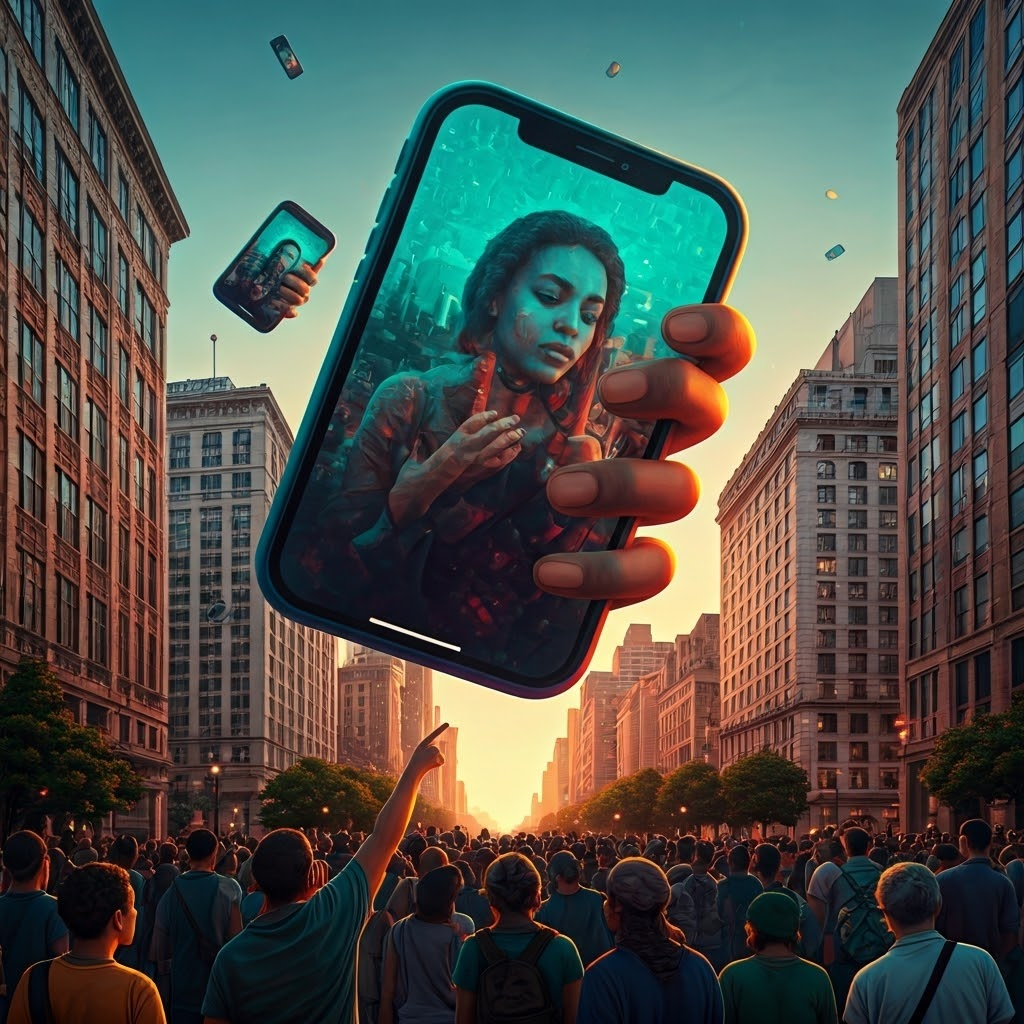
An energetic collage of giant floating memes and short videos in a bustling city square, where activists of all ages hold up smartphones displaying viral images and hashtags like #BlackLivesMatter. The floating content glows in bright vibrant colors—turquoise, magenta—and casts dynamic reflections on nearby buildings. People gather below, pointing and reacting excitedly, the urban environment bathed in soft golden hour light. Surreal mosaic style with high color saturation and smooth textures.

This change also made message spreading faster and more visual. Instead of reading long blocks of text, people could share a short video, an image, or a meme, getting their point across quickly. That’s one reason why campaigns like #BlackLivesMatter later found their footing—an image or hashtag could say more, travel further, and bring people together across continents in ways that old forums never could.
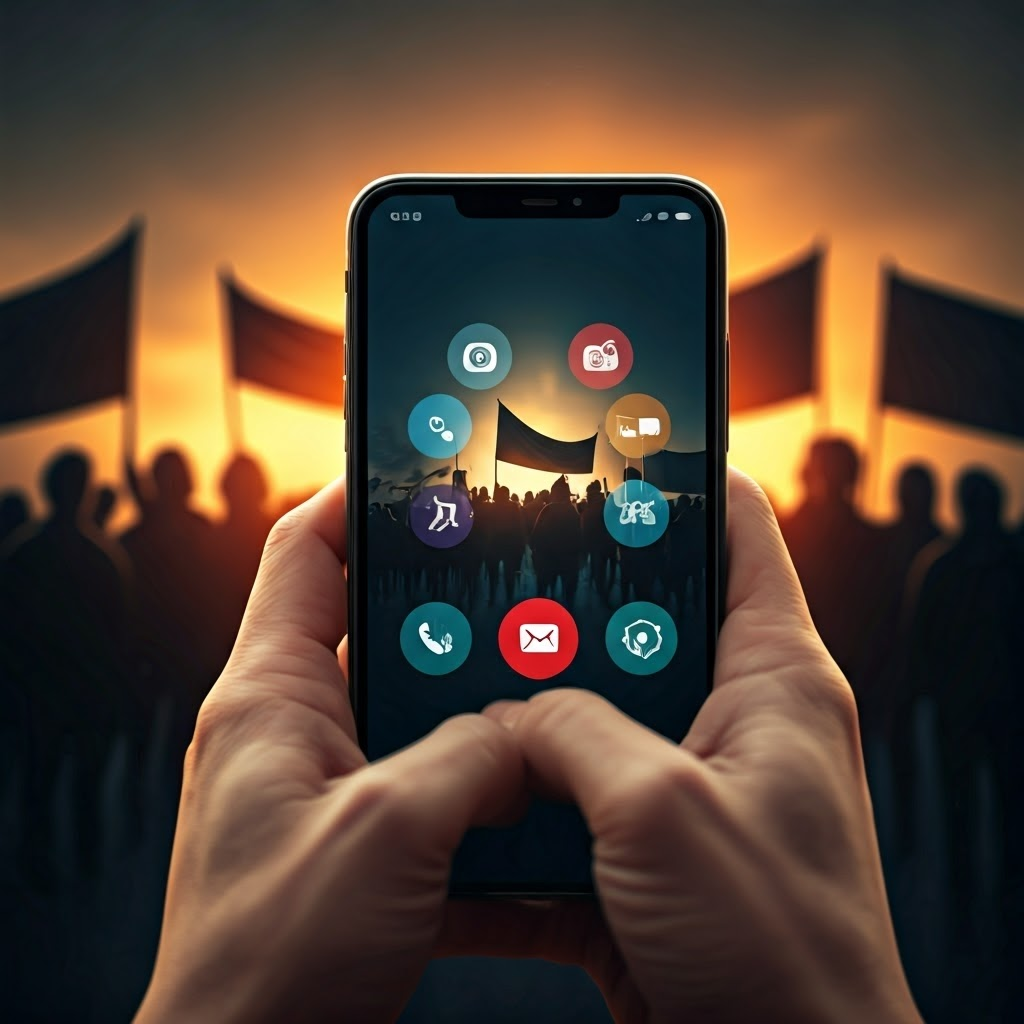
A close-up image of a stylish modern smartphone held in a hand, its screen displaying a multi-tool interface: camera, live-stream icon, chat bubbles, map. The background shows blurred silhouettes of protesters marching in twilight with banners. Warm backlighting creates a silhouette effect around the phone. Style: hyperrealist digital painting with soft focus and cinematic lighting, conveying empowerment and versatility.

Smartphones in Your Pocket, Movements in Your Hand

When smartphones became common, everything changed again. Suddenly, your phone was a camera, a publishing tool, and an organizing hub, all in one. Instead of waiting to get home to post on a forum, you could shoot video of a protest as it happened, stream it live, or send updates to group chats. Think of a phone as a Swiss Army knife for activism.
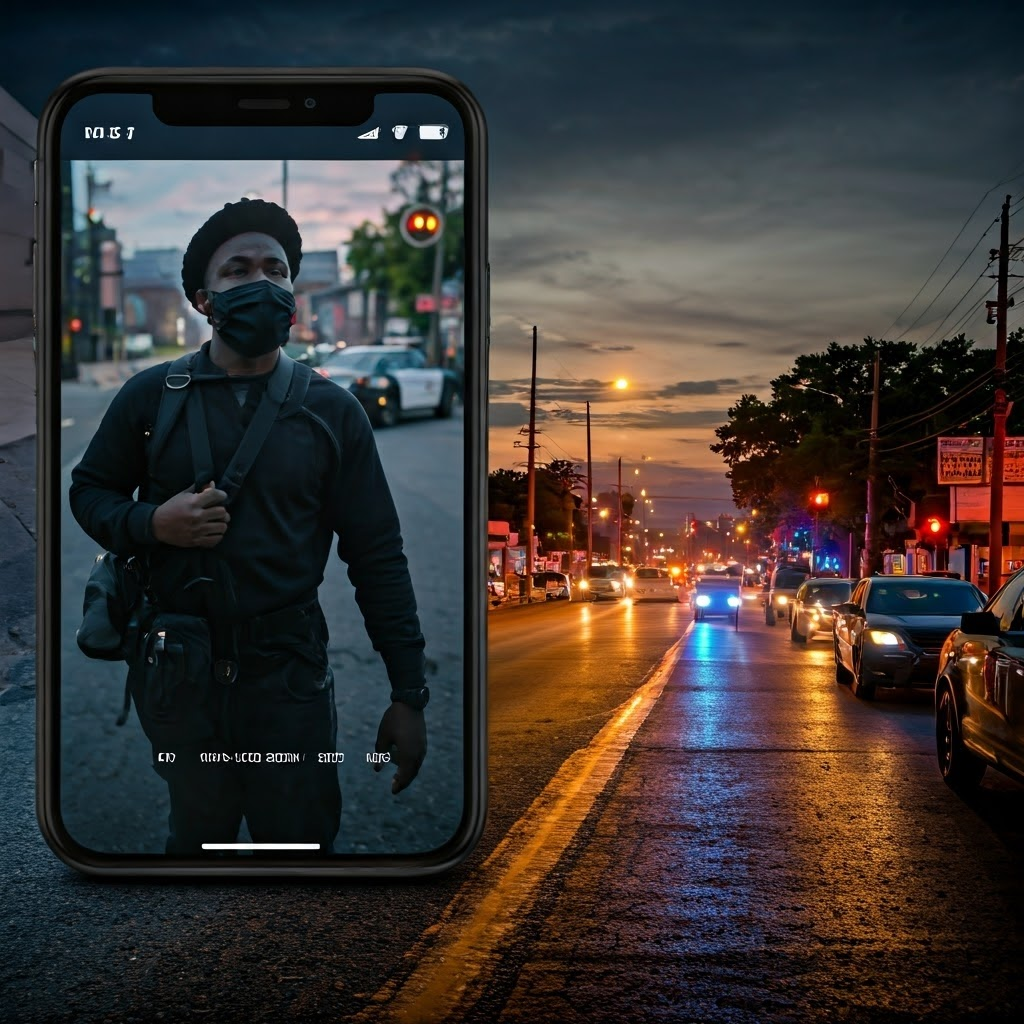
A vivid street protest scene in Missouri dated 2014, capturing a Black activist streaming live from a smartphone, police vehicles in the background, tense atmosphere. Next to it, an overlay of Nigerian youth exchanging alerts on WhatsApp, colorful streets of Lagos at dusk. The two scenes merge seamlessly, symbolizing global phone-based activism. Style: split-screen cinematic photo-realism with gritty documentary texture and vibrant color grading.

A clear example is the Ferguson protests in 2014. When a police shooting happened in Missouri, people recorded videos, tweeted updates, and streamed events live from their phones. This real-time coverage forced the world to pay attention. In Nigeria, the #EndSARS movement used WhatsApp and Twitter groups to organize protests, share news of police actions, and warn each other about danger—all from their phones.

Smartphones didn’t just make activism faster; they made it more accessible. You didn’t need a fancy camera, a press badge, or programming skills. Anyone who could text or snap a photo could help organize, report, or amplify a cause. This is why even small movements in faraway places started to appear on the global radar. If you had a phone and a network connection, you could make your struggle visible.
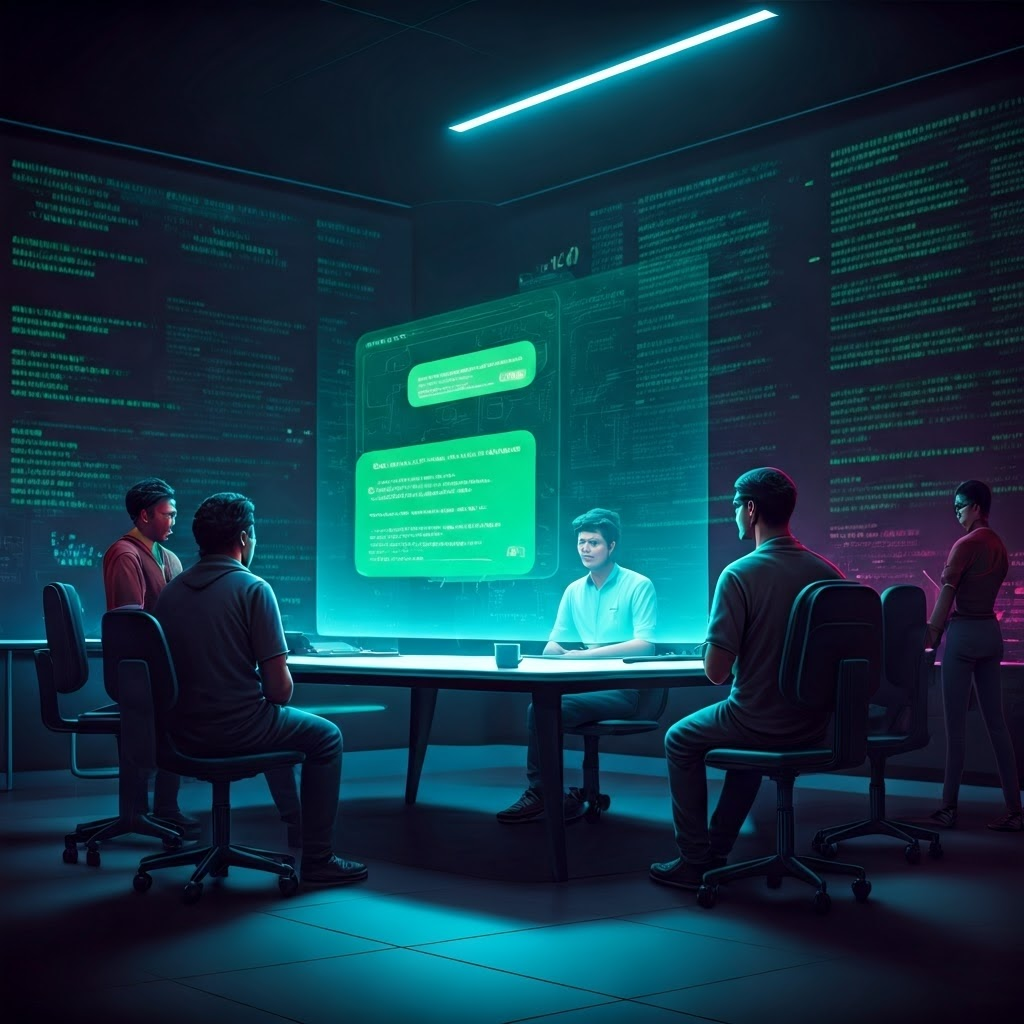
A sleek digital workspace with diverse activists gathered around a holographic projection of an encrypted chat interface, the Signal app open with green and white bubbles. The room is lit by neon blue and purple lights, walls lined with code snippets. The activists wear casual modern attire, serious expressions, discussing plans. The mood is futuristic and hopeful. Style: cyber-futurism with crisp line art and neon glow accents.

Open-Source Tools: Power to the People

To really understand how digital activism works, you have to meet open-source tools. An open-source tool is a piece of software whose code is public—you can look inside, change it, or share it for free. For activists, this matters for two big reasons: control and trust.

Take Signal, for instance. It’s a messaging app, like WhatsApp or Messenger, but its code is open and its security is respected around the world. Activists in places like Hong Kong or Belarus used Signal to plan protests, knowing that their conversations were encrypted and couldn’t be read by snooping governments or companies. When people don’t have to worry about who is reading their messages, they can organize more freely.
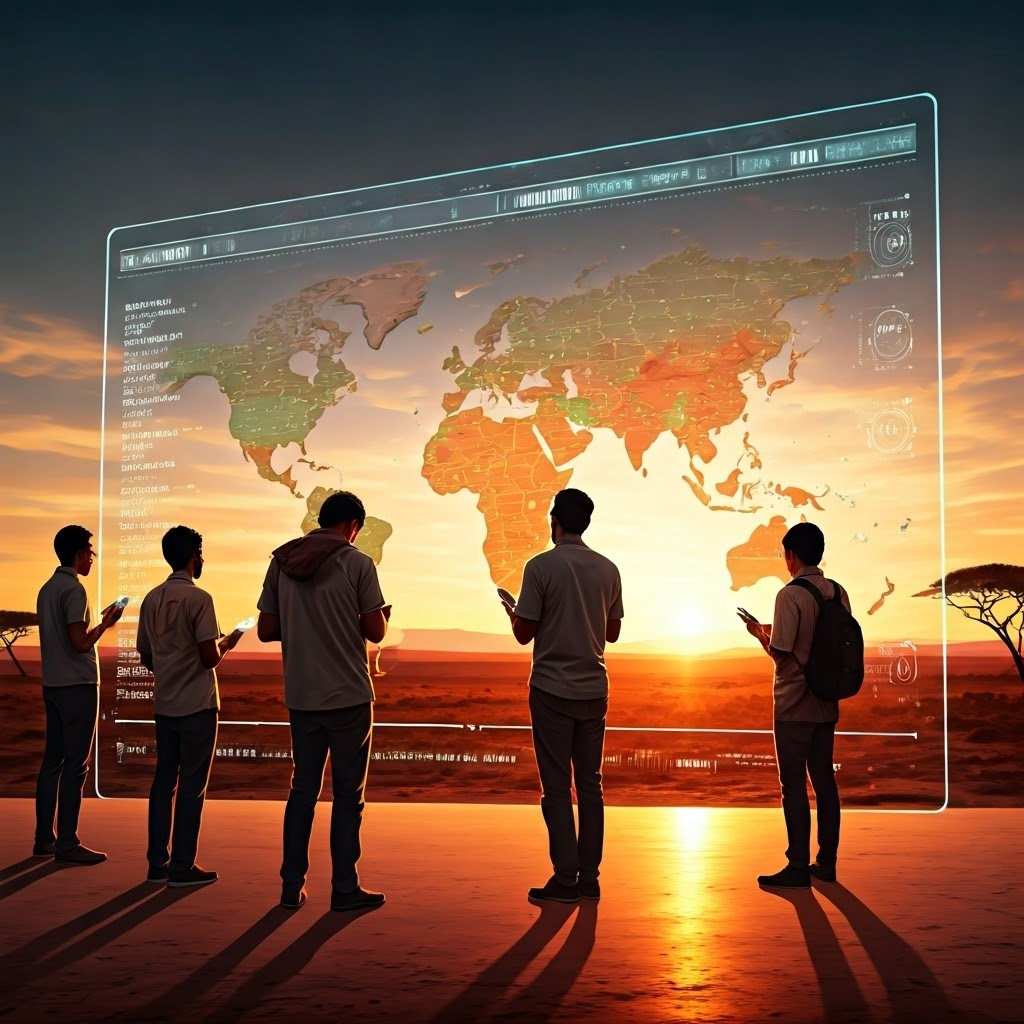
A dynamic crowd-sourced crisis map displayed on a large transparent screen, red, yellow, and green markers pinpointing global hotspots. Activists of various backgrounds stand around, some texting, some pointing at locations. The background hints at the Kenyan landscape with acacia trees at sunset. Warm earth tones blended with digital holographic overlays. Style: mixed media tech art blending watercolor textures with interactive HUD elements.

Then there are crowdsourced mapping tools like Ushahidi, which started after Kenya’s 2008 elections. People sent in reports about violence by SMS or email, and those reports built a public map showing where trouble was happening. This kind of tool lets people turn local knowledge into something everyone can see and act on, from disaster response to election monitoring.
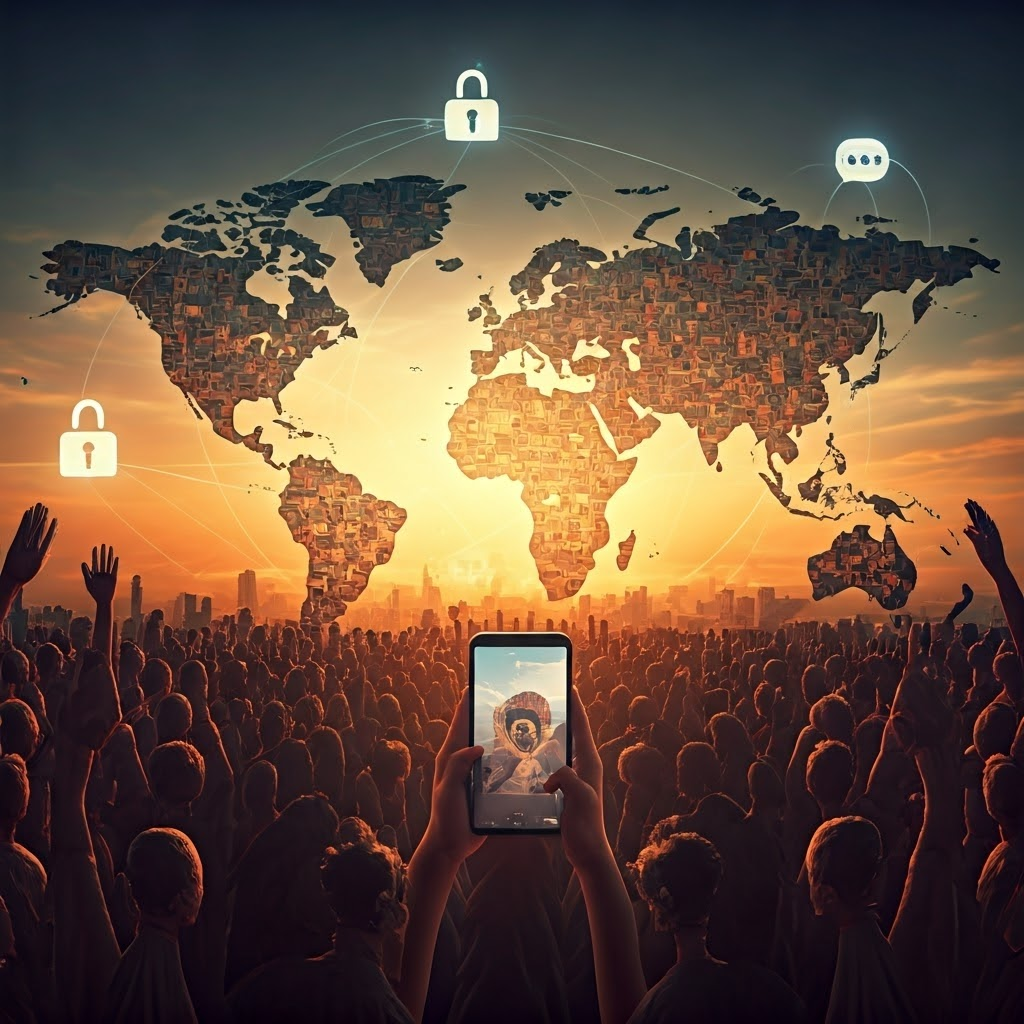
A panoramic vista showing a global mosaic of activism: hands holding phones, people sharing maps, encrypted chats floating as holograms, interconnected by glowing threads. Diverse faces merge into a world map backdrop. The sky is dawn orange, symbolizing new beginnings. Style: epic fantasy digital mural with rich details and layered depth, evoking unity and ongoing revolution.

Open-source matters because it’s public and flexible. If a government blocks a tool or a company changes its rules, activists can often tweak open-source software or build new versions. It’s like having a toolkit that anyone can improve, instead of waiting for a big company to fix what’s broken.

These digital tools have made new kinds of organizing possible. They have helped make activism more participatory and more secure, breaking old barriers and creating new ones. But they don’t solve everything. Technology can’t replace trust, courage, or face-to-face connection. Still, when you see people using their phones to share a protest livestream, joining a Signal group to plan a rally, or updating an open map to warn others about police roadblocks, you’re seeing the ways the internet changed the game—and keeps changing it, for everyone.


Tome Genius

Social Movements & Civil Rights

Part 9

Tome Genius

Cookie Consent Preference Center

When you visit any of our websites, it may store or retrieve information on your browser, mostly in the form of cookies. This information might be about you, your preferences, or your device and is mostly used to make the site work as you expect it to. The information does not usually directly identify you, but it can give you a more personalized experience. Because we respect your right to privacy, you can choose not to allow some types of cookies. Click on the different category headings to find out more and manage your preferences. Please note, blocking some types of cookies may impact your experience of the site and the services we are able to offer. Privacy Policy.
Manage consent preferences
Strictly necessary cookies
Performance cookies
Functional cookies
Targeting cookies

By clicking “Accept all cookies”, you agree Tome Genius can store cookies on your device and disclose information in accordance with our Privacy Policy.

00:00