
The World of the Artisan: Craft, Skill, and Pride
Life in the Workshop
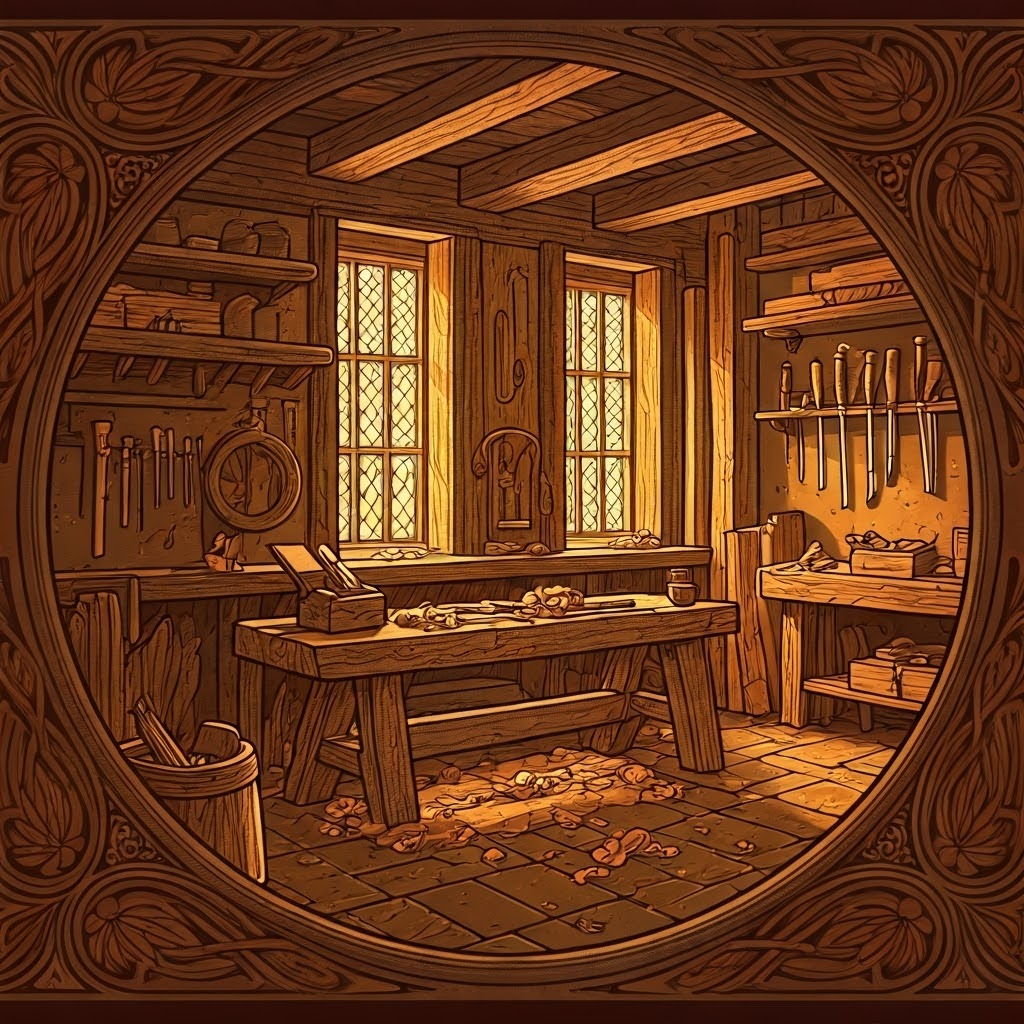
Picture a narrow street in a pre-industrial town. Oak doors open to small shops alive with gentle tool sounds. Inside a woodworker’s space, golden light meets the sharp scent of new shavings, and a workbench glows from countless hours of care.
Every action happens by hand. Saws move with a steady rhythm, chisels tap with care, and planes slide to leave wood silky. Nothing feels rushed—yet everything holds weight and meaning.
Life in the Workshop
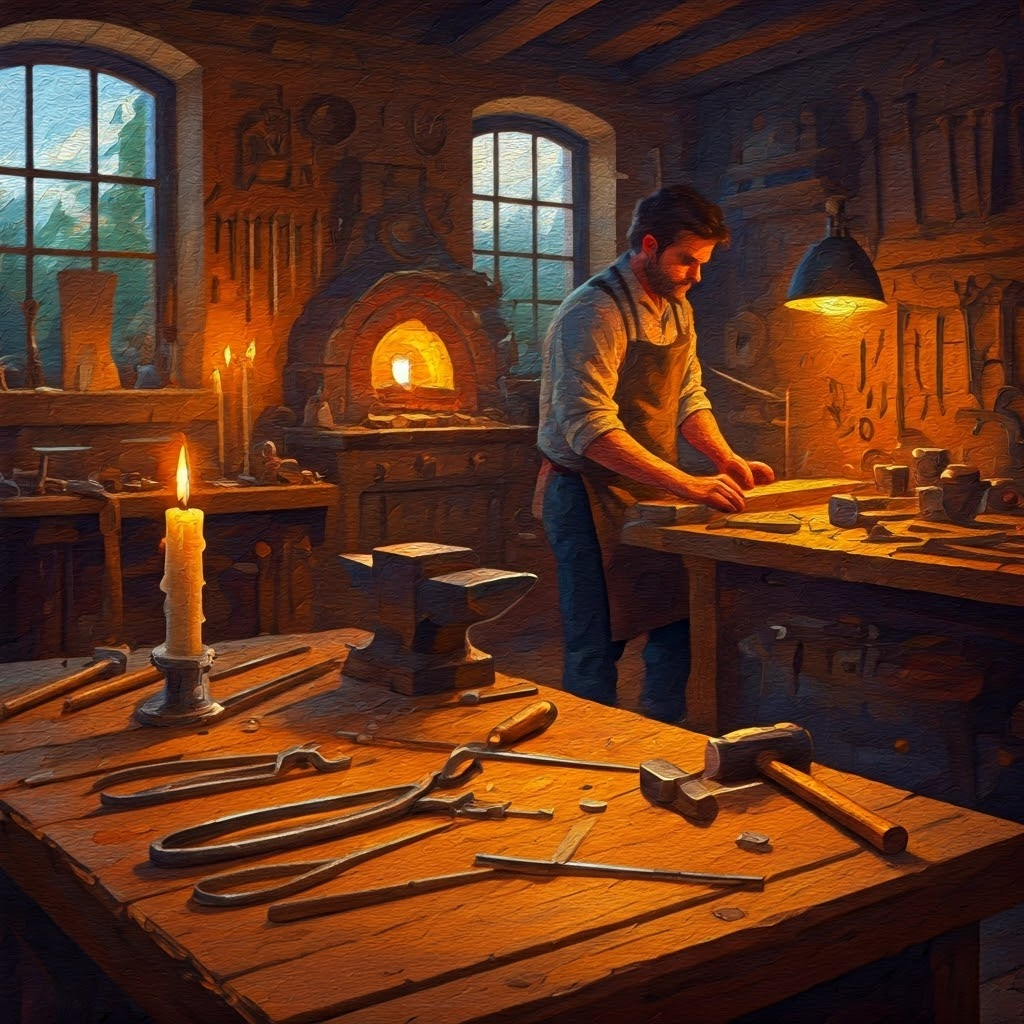
Skilled fingers sense a wood’s grain or a metal’s mood. Whether cobbler, blacksmith, or weaver, each craftsperson shows the same mix of patience and pride. Tools are often customized and carry family stories. Knowledge lives in muscles, eyes, and ears—not in manuals.
A violin maker taps a plank, listening for flaws. A goldsmith heats and cools metal, chasing the perfect hardness. Every finished piece has small differences by design, making each order personal. You might wait weeks, but the result feels uniquely yours.
Life in the Workshop
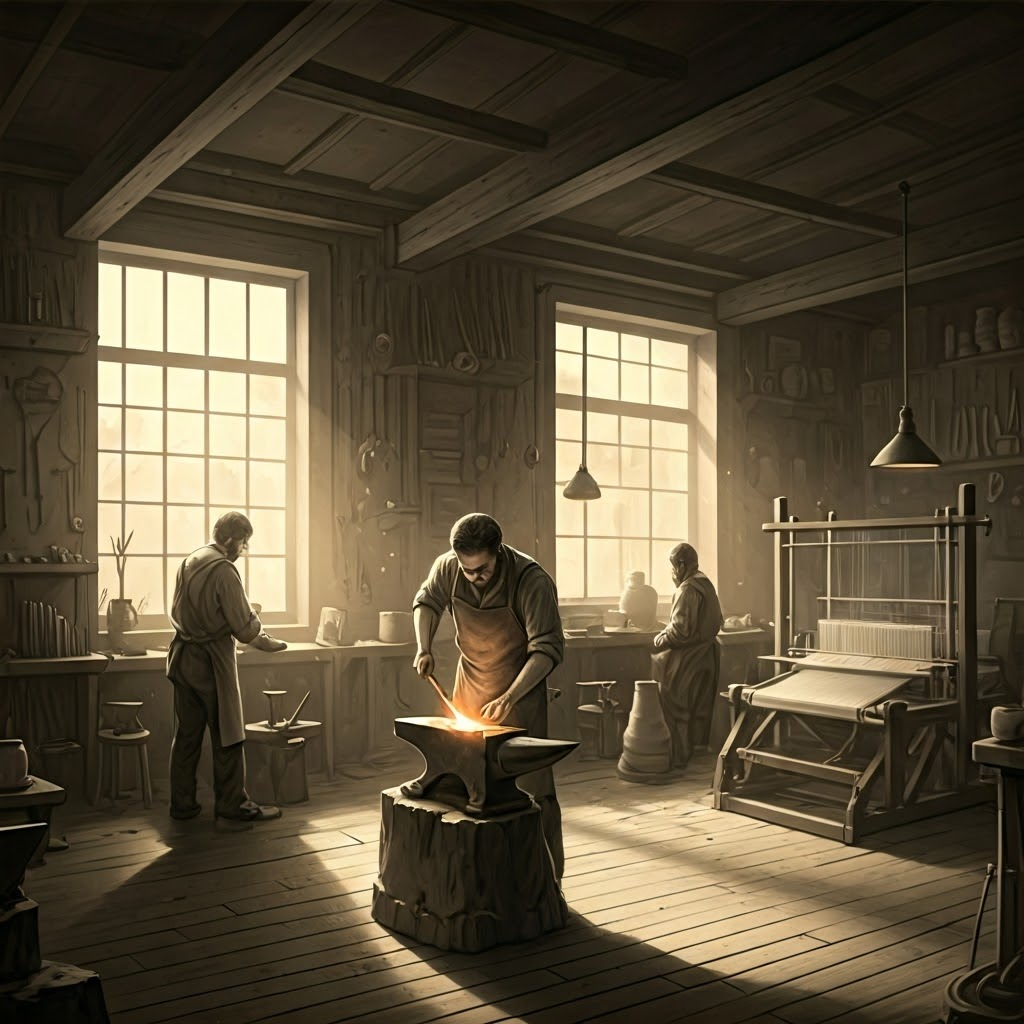
The workshop’s pace mirrors its tools—deliberate and steady. There are no roaring machines or ticking clocks, only long days and sore hands. Still, makers find dignity in creating items that last and proudly bear their name, whether a branded mark or quiet satisfaction.
Guilds and the Passing of Skills
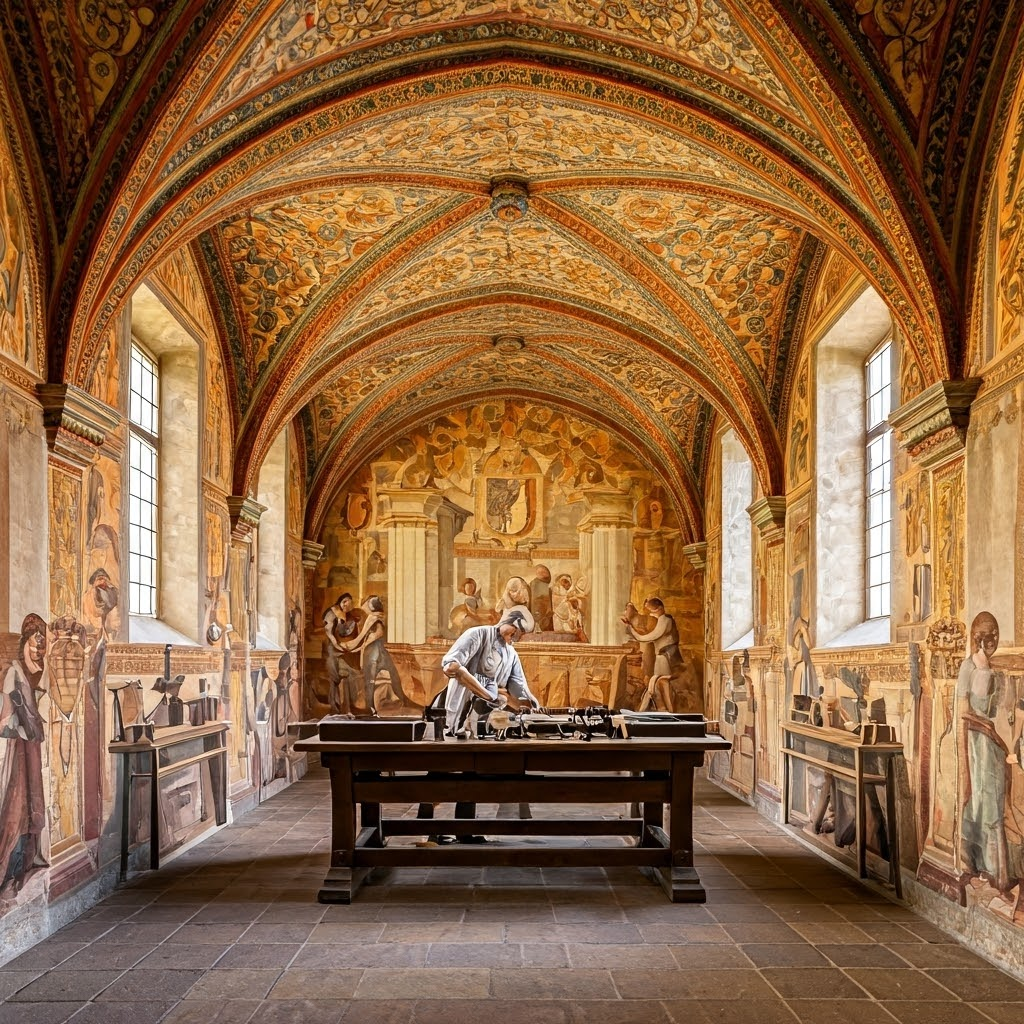
Artisans rarely stand alone. They join guilds that guard standards, decide who is a master, and support members’ families. Guilds protect secret techniques—special dyes, steel treatments, or weaving shortcuts—that set each trade apart.
Guilds and the Passing of Skills
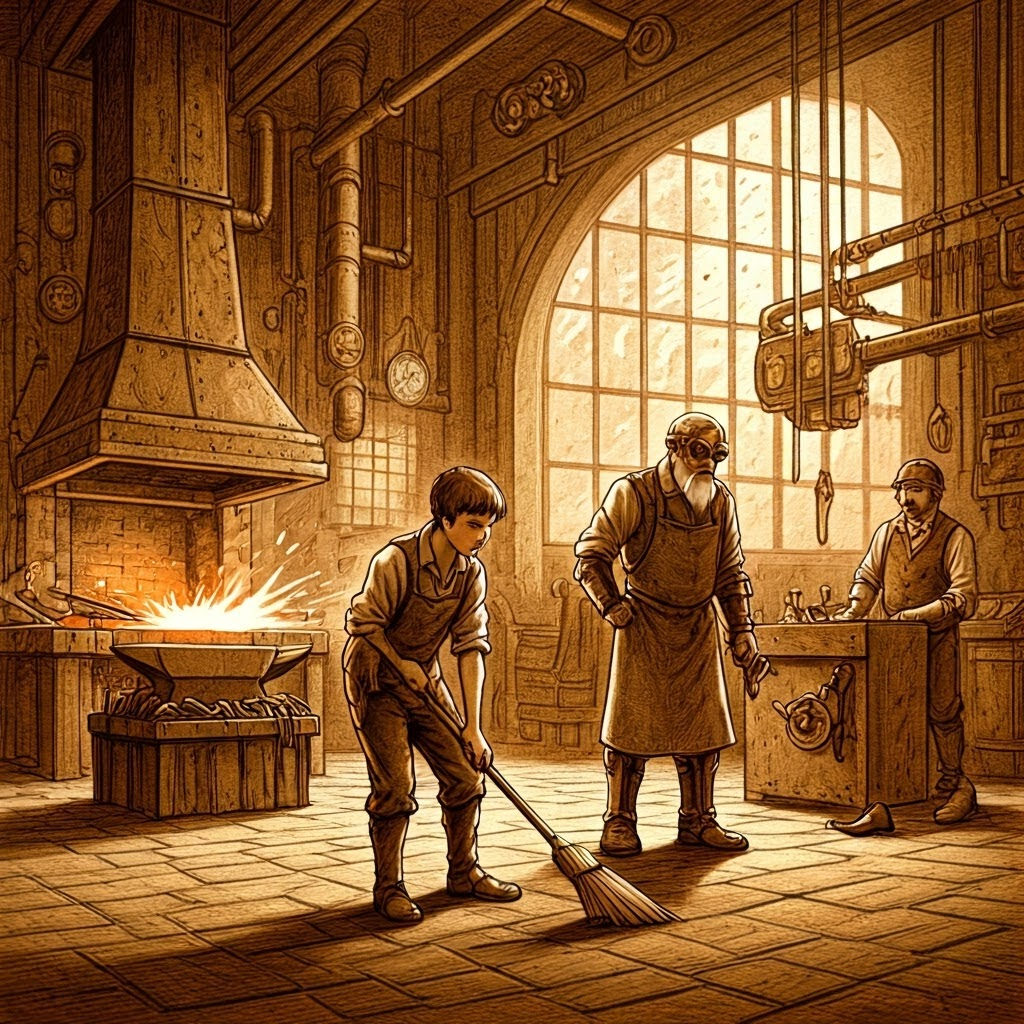
To enter a craft, you seek a master and start as an apprentice. You sweep, observe, and slowly attempt simple tasks. Trust grows with skill. Deeper secrets follow: sensing forge heat or testing a hidden joint. Years later, you become a journeyman, traveling to learn regional tricks. Only a proven masterpiece earns full mastery.
The Limits of Handmade
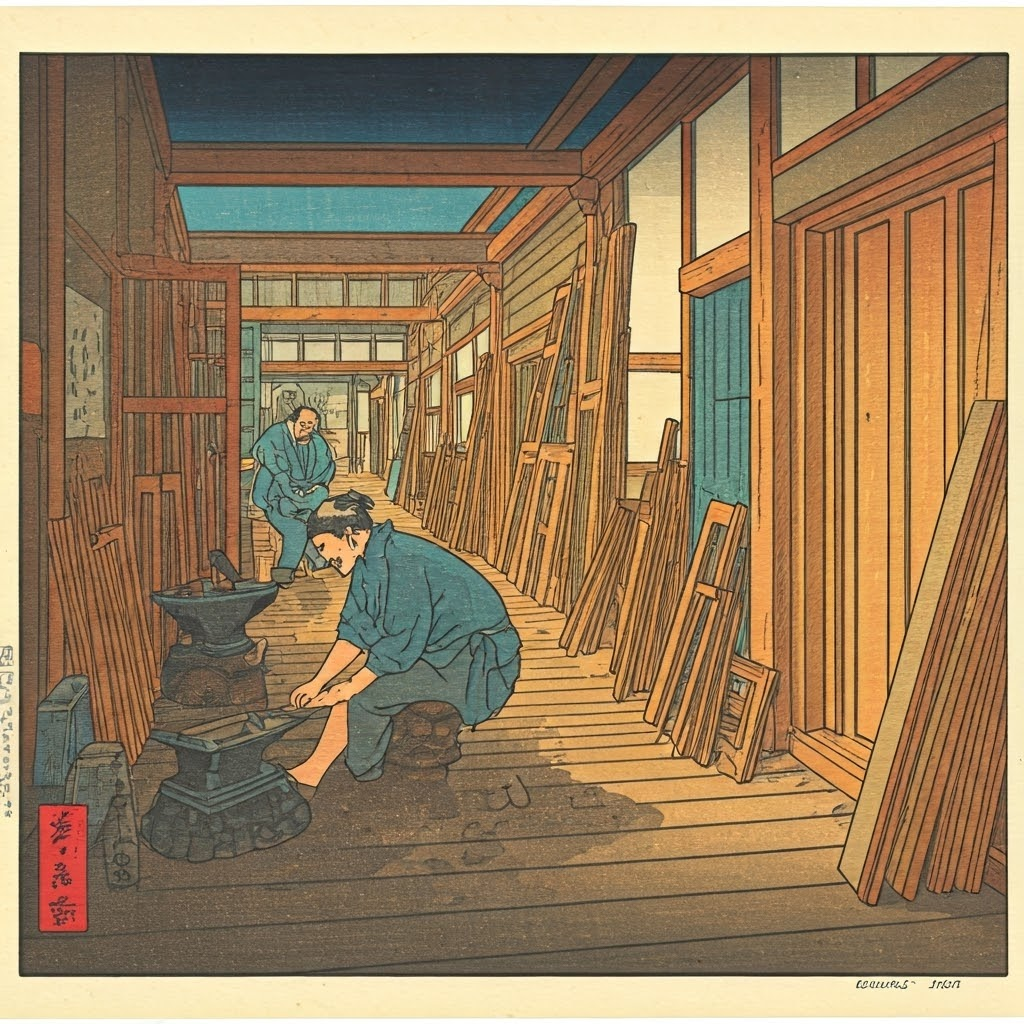
Handmade goods carry clear limits. A pair of shoes joins a waiting list. A hundred doors may take months if talent is scarce. Unique parts mean repairs require the same maker, much like a bike whose every bolt has a different size.
The Limits of Handmade
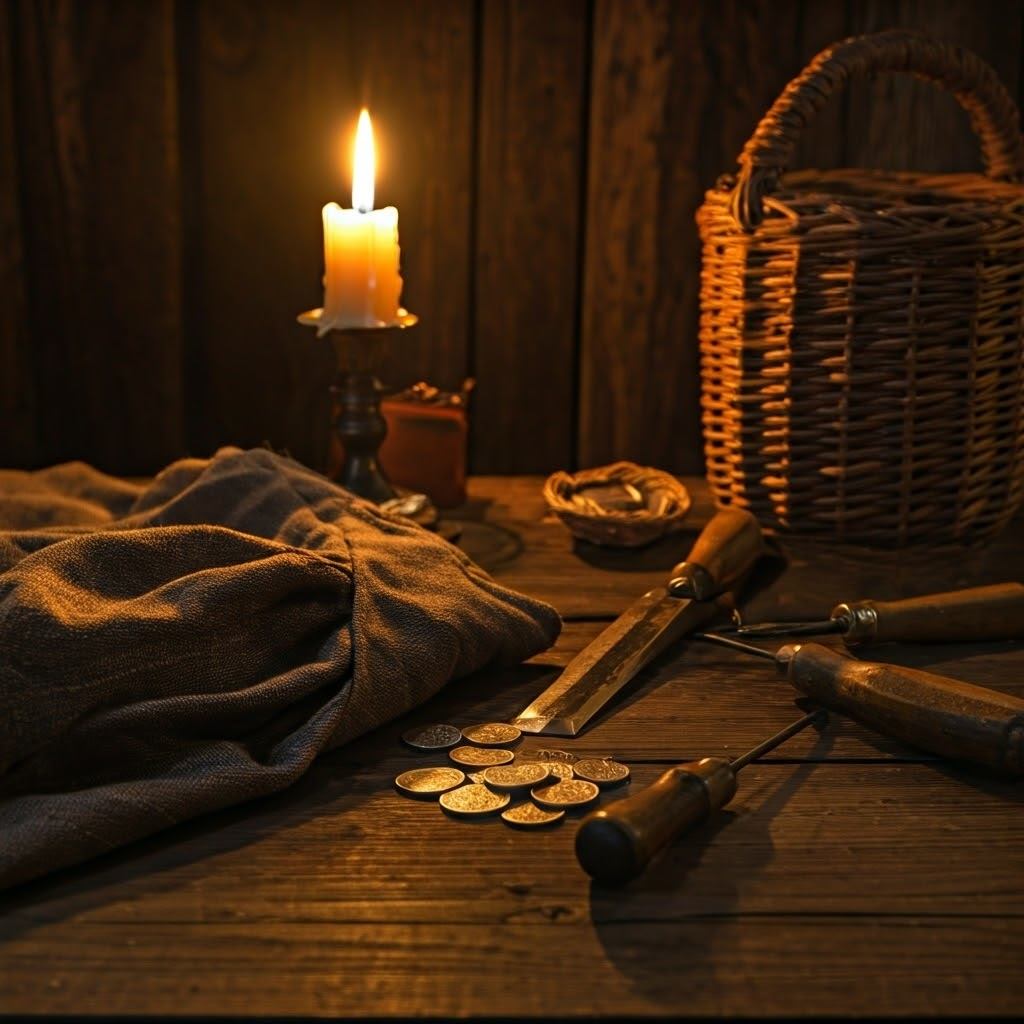
Time-heavy labor and costly materials make handcrafted items expensive. Families often own one good table or a single special outfit. As towns grow, demand outpaces supply. Quality outranks quantity, yet modest luxury stays out of reach for many.
Lessons from the Artisan Age
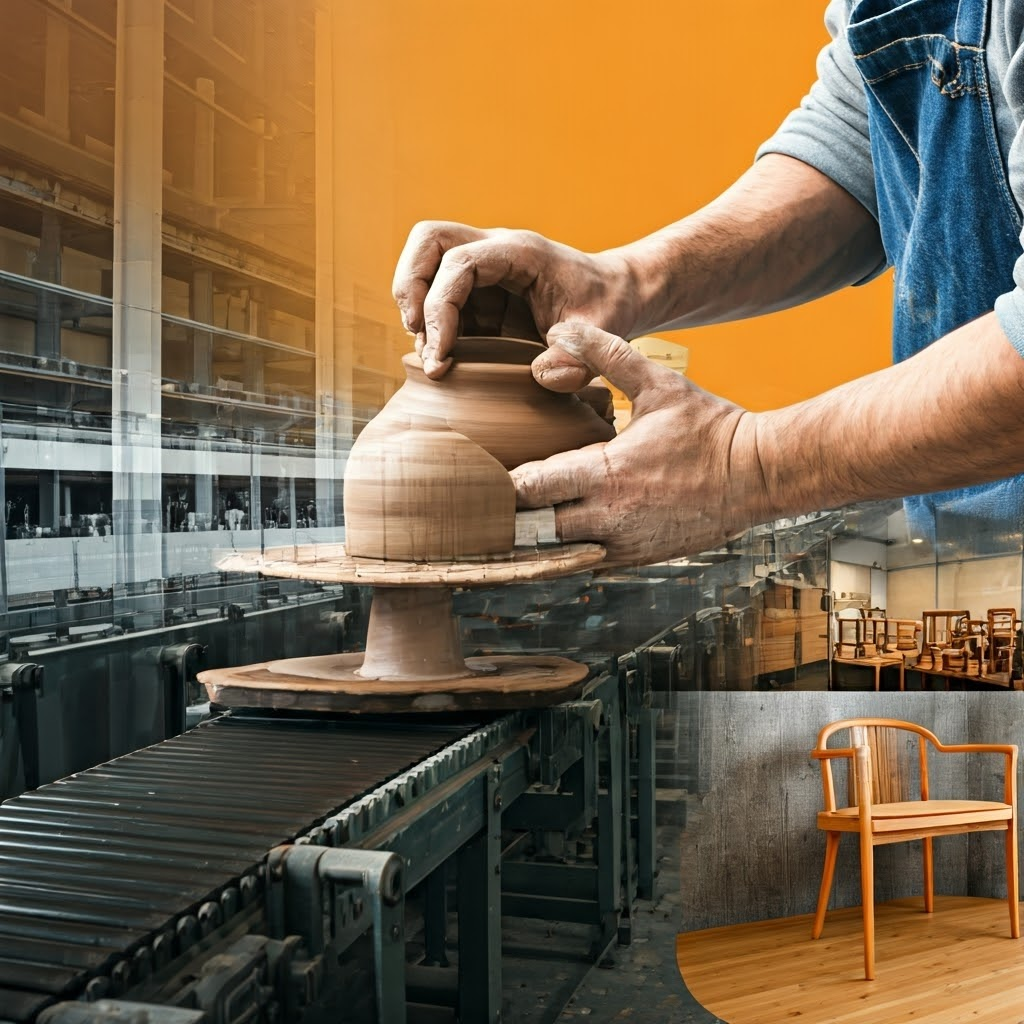
The artisan era still guides us. We cherish well-made items, crave the thrill of custom goods, and rethink sameness in mass production. Progress brought low prices and convenience, yet it also reshaped the meaning of work. Remembering this balance helps us value what we choose to use each day.
