
Breaking the Chains: The Legal and Moral Showdown
Setting the Stage: America Before the Turning Point
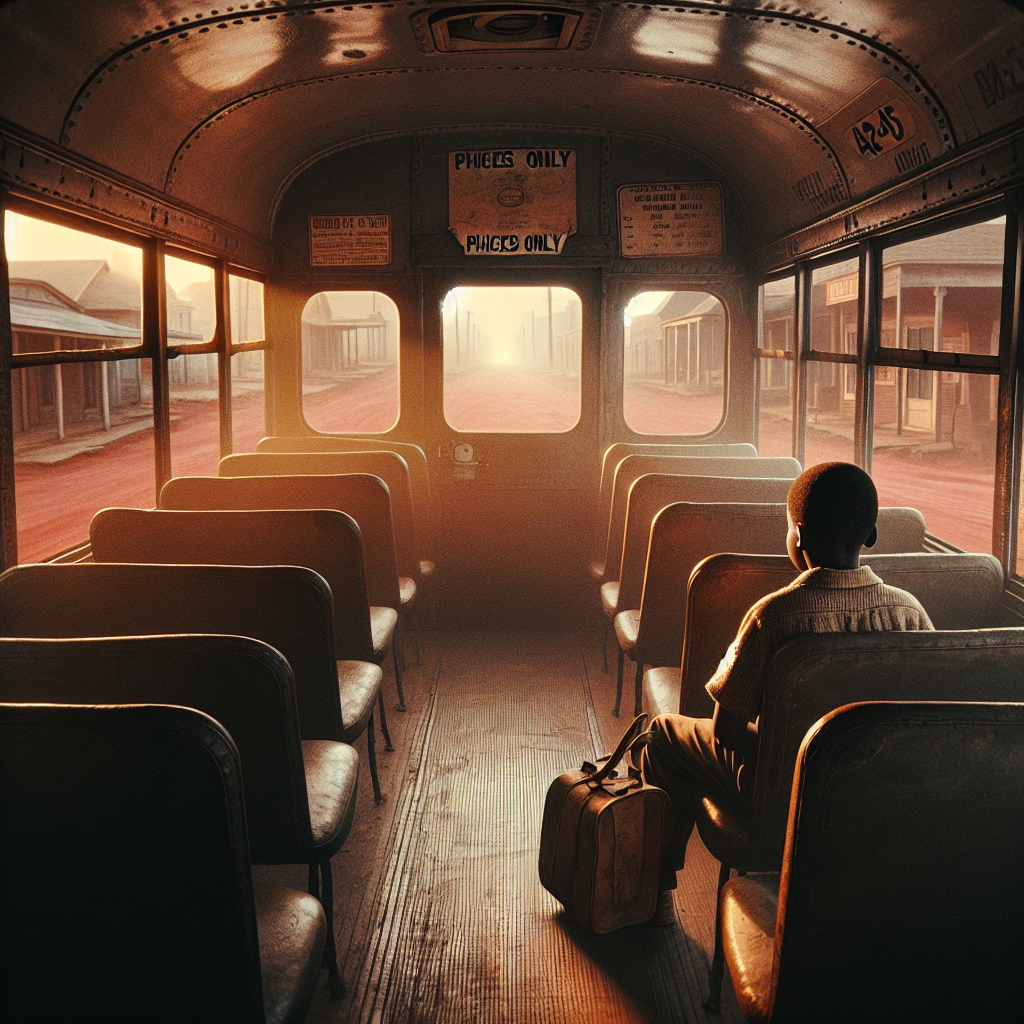
You can’t fully grasp the civil rights struggle until you picture daily life under Jim Crow. Imagine a Black child boarding a Southern bus in the 1940s. They walk past empty seats at the front because a faded sign—“Whites Only”—orders them to the back.
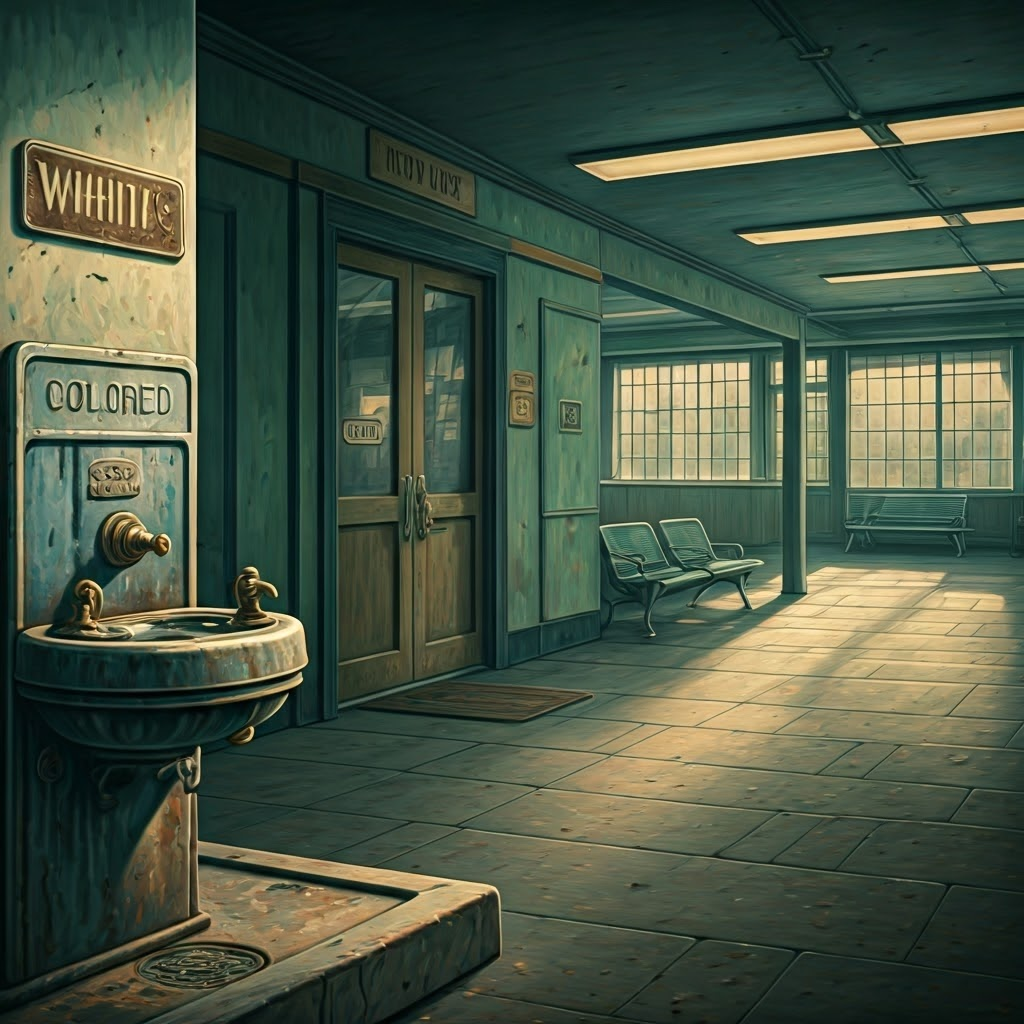
At the movies the child slips through a side door. Their school has peeling paint and few books, while the white school across town gleams with resources. Water fountains, restaurants, and even hospital rooms sit divided. The law claims “separate but equal,” yet the reality is unequal in every way.
Jim Crow wasn’t just about space; it was about power. Voting felt out of reach as poll taxes, literacy tests, and threats kept most Black citizens away. Violence lingered—lynchings, intimidation, sudden departures—spreading fear and convincing many that resistance was risky.
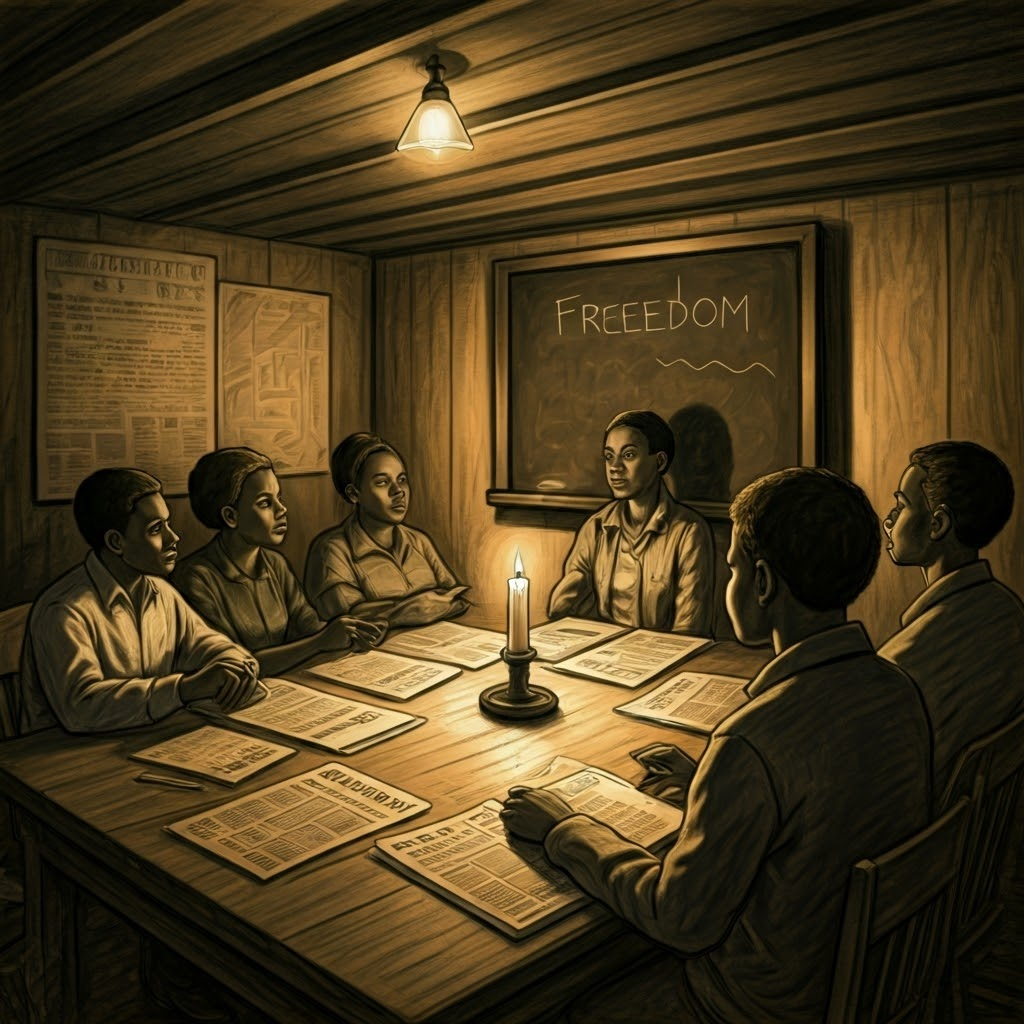
Yet people pushed back. Black newspapers exposed injustice. Teachers urged students to dream bigger. Churches offered safe spaces to share ideas and plan. Small lawsuits, boycotts, and local campaigns planted seeds that later blossomed into a nationwide movement.
The Legal Arsenal: NAACP and the Courtroom Warriors
One group chose to fight segregation in court. The NAACP believed the Constitution could serve as both sword and shield. If judges ruled that segregation broke its promises, the decision would be hard to ignore—or reverse.
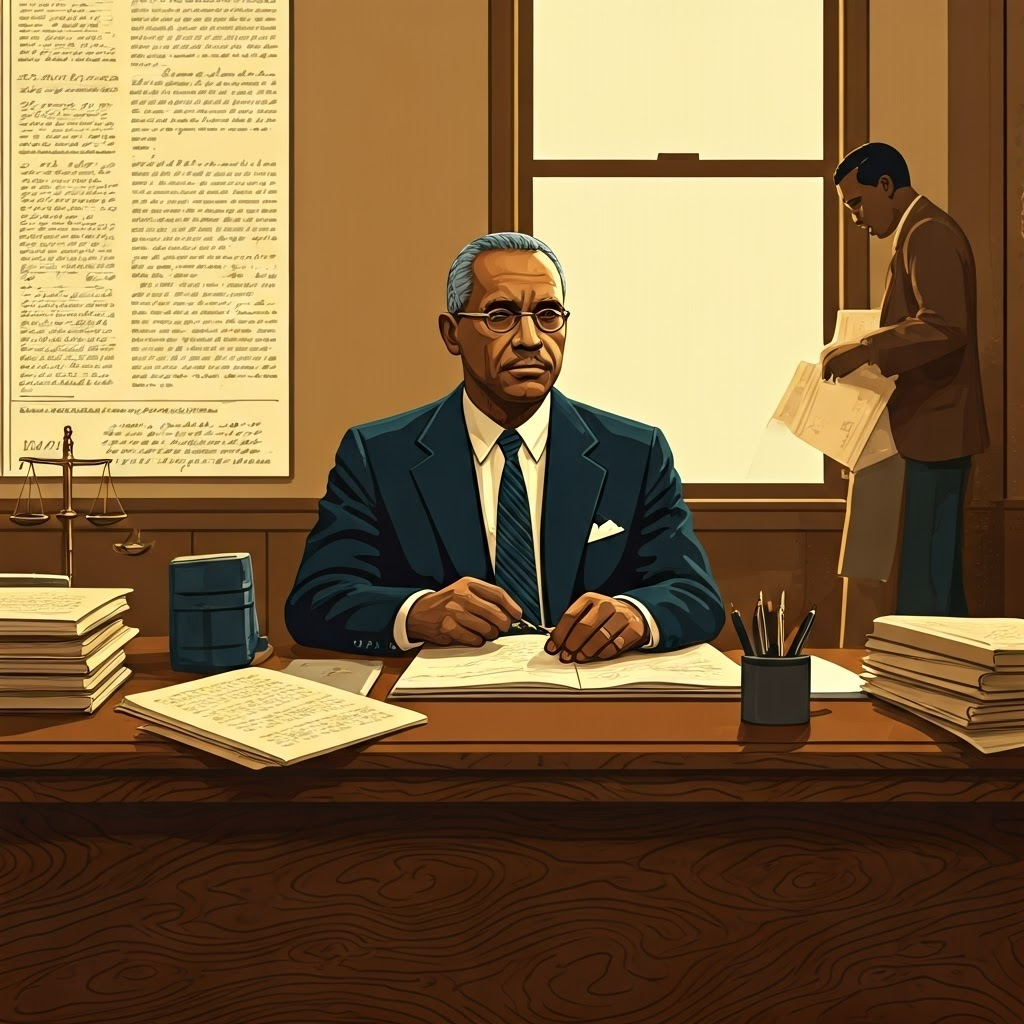
At the center stood Thurgood Marshall. Raised in segregated Baltimore, he assembled a sharp team in a cramped NAACP office. Their plan was methodical: win small cases, set precedents, and aim straight at the heart of “separate but equal.”

The NAACP’s Legal Defense Fund first targeted law schools. Victories like Sweatt v. Painter (1950) forced the University of Texas to admit a Black student because the alternative school was clearly inferior. Each win chipped away at segregation’s legal logic.
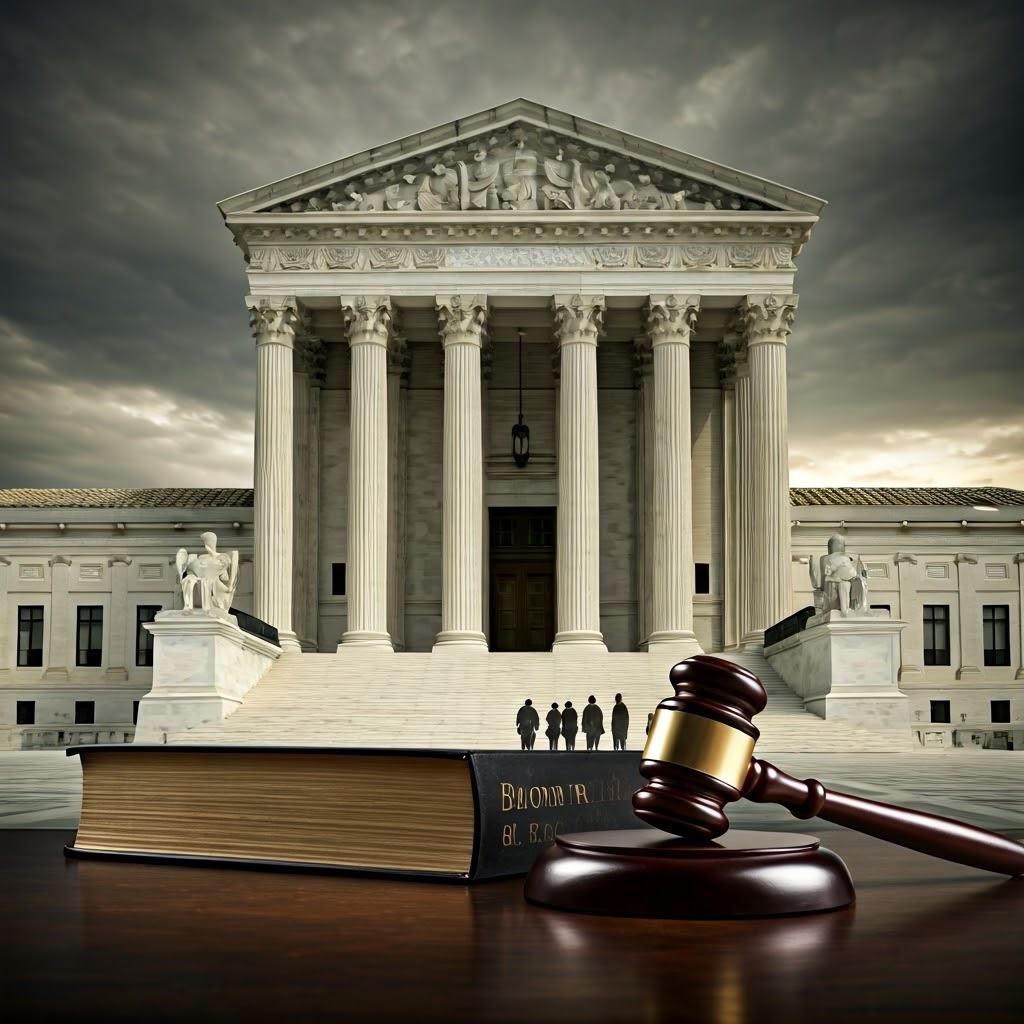
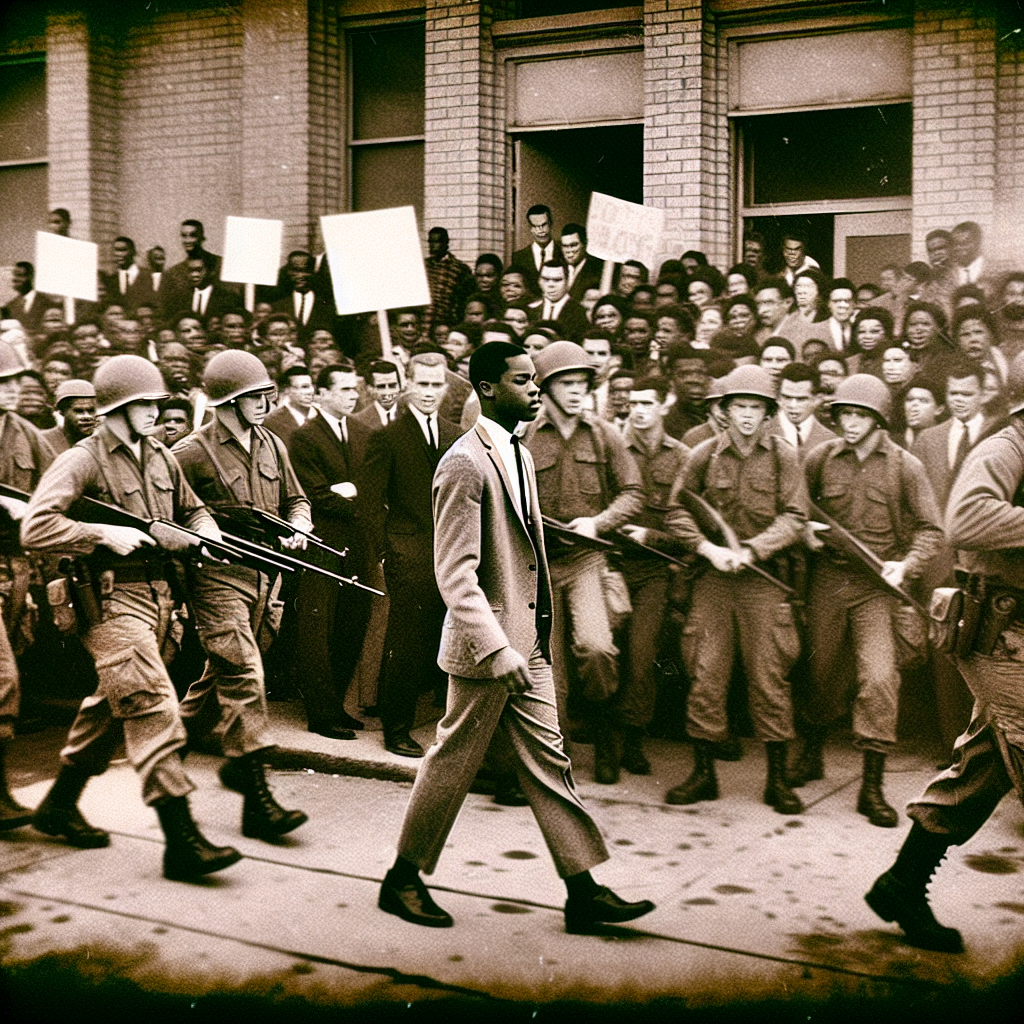
The breakthrough came with Brown v. Board of Education (1954). Marshall’s team asked a simple question: How can separated schools ever be fair? Psychologists showed the harm to Black children’s self-worth. The Supreme Court agreed—“Separate educational facilities are inherently unequal.” Jim Crow’s legal backbone snapped.
Change wasn’t instant. Some Southern districts stalled or even closed schools. Still, parents now walked into court holding the Supreme Court’s ruling as proof their children deserved equal education. Hope began to feel tangible.
Winning Hearts: Media, Morality, and the National Conscience
Laws open doors, but images change minds. In the 1950s and 1960s television beamed raw footage of mobs, arrests, and firehoses into American living rooms, exposing realities many had ignored.
Photographs sometimes said more than words. When the Little Rock Nine braved an Arkansas high school in 1957, the world saw hate and courage side by side. Similar scenes in Birmingham and elsewhere made it impossible to claim everything was fine.
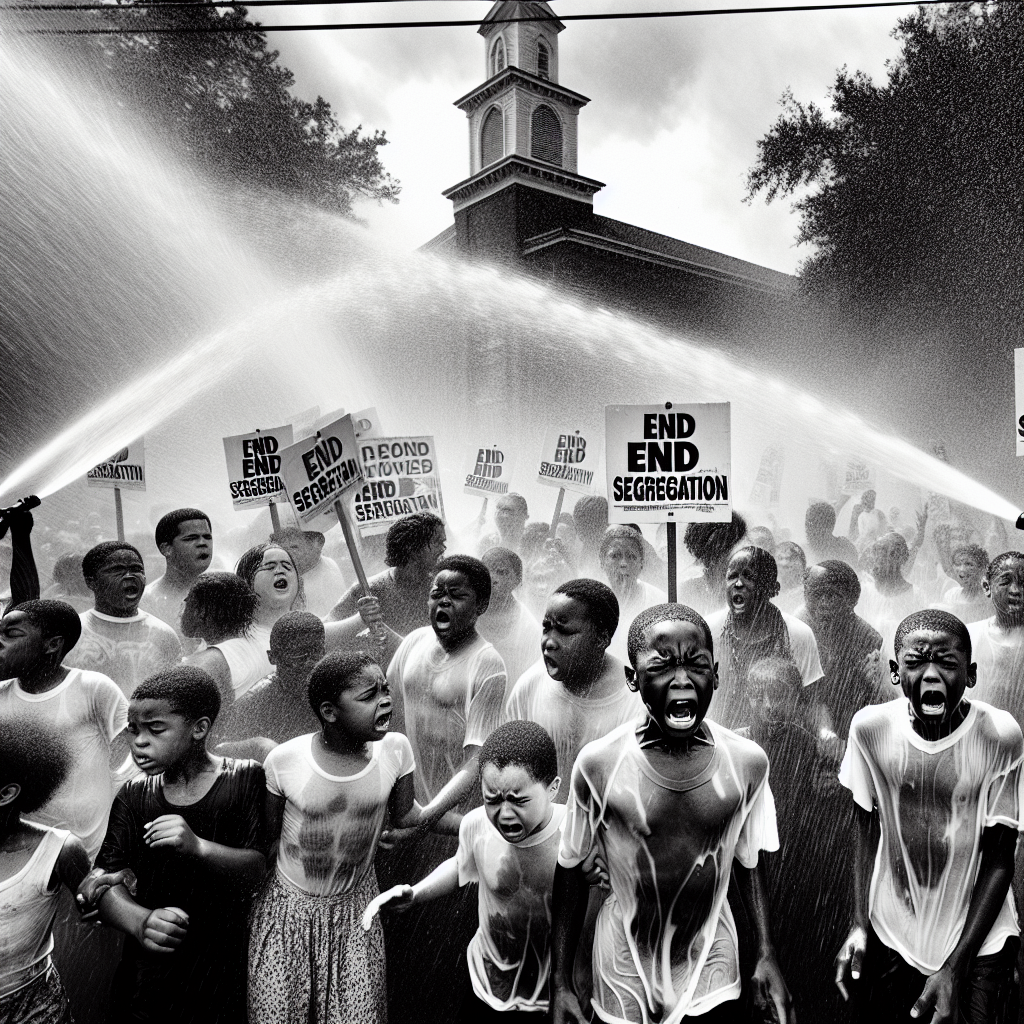
Movement leaders used this spotlight wisely. Martin Luther King Jr. framed the struggle as a moral quest for justice and dignity. Songs like “We Shall Overcome” carried hope through rallies and marches, reminding listeners why they persevered.
As stories spread, Americans began to see segregation as a national shame, not just a Southern issue. Cold War politics added pressure—leaders worried about global opinion. Combined with court victories, this moral weight nudged the country toward real, lasting change.
