
The Spark: Why France Caught Fire
A Country on the Edge

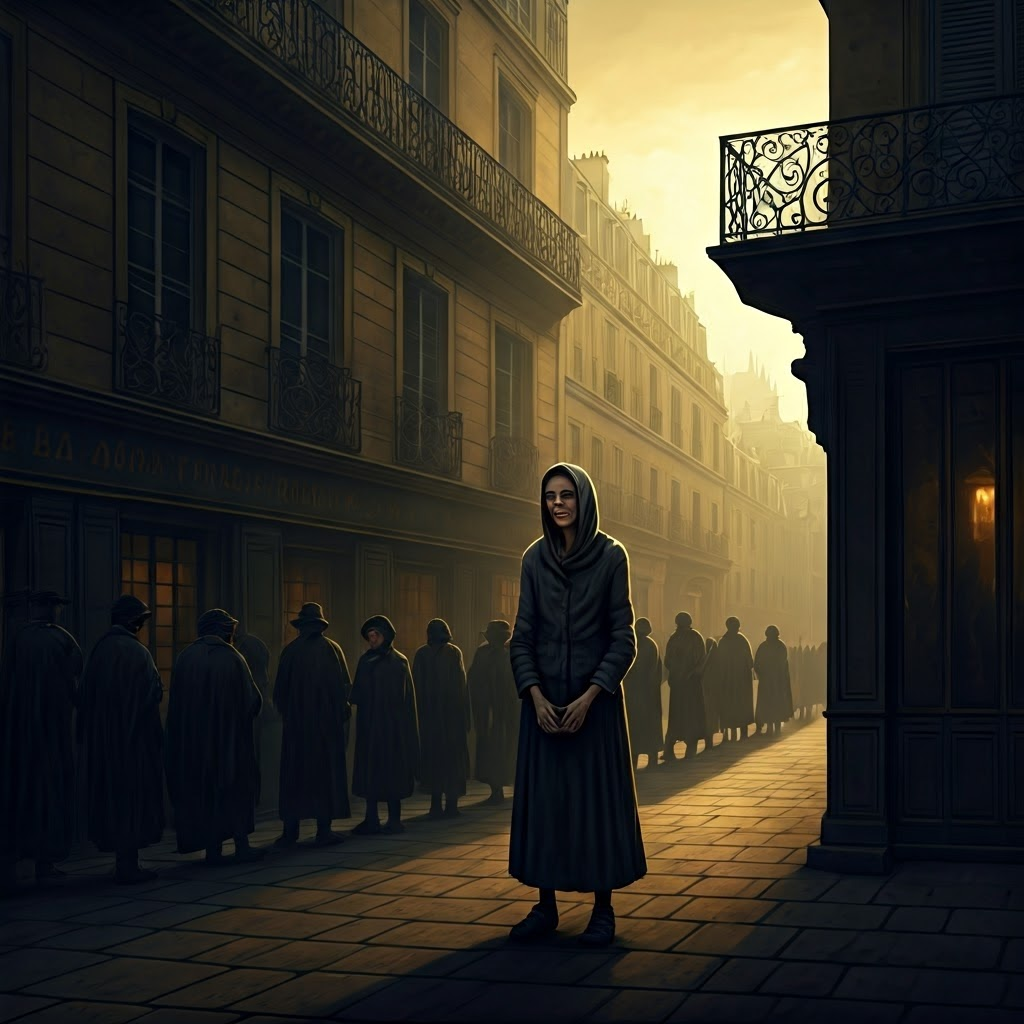
You wake up in Paris in the summer of 1788. Hunger hits first. It is a deep ache that has lasted for months. Wheat prices have more than doubled. People line up for bread before dawn. Many leave with only a dry crust.
This crisis is not a single bad season. France’s government is almost broke. The nation spent fortunes on wars, especially to help the Americans. Even the king’s palaces stay cold because there is no money for firewood.
Taxes climb higher, yet debts keep growing. Picture a family that borrows from every neighbor then throws lavish parties. When lenders stop, the chill finally bites. The weight of debt feels the same for a country.
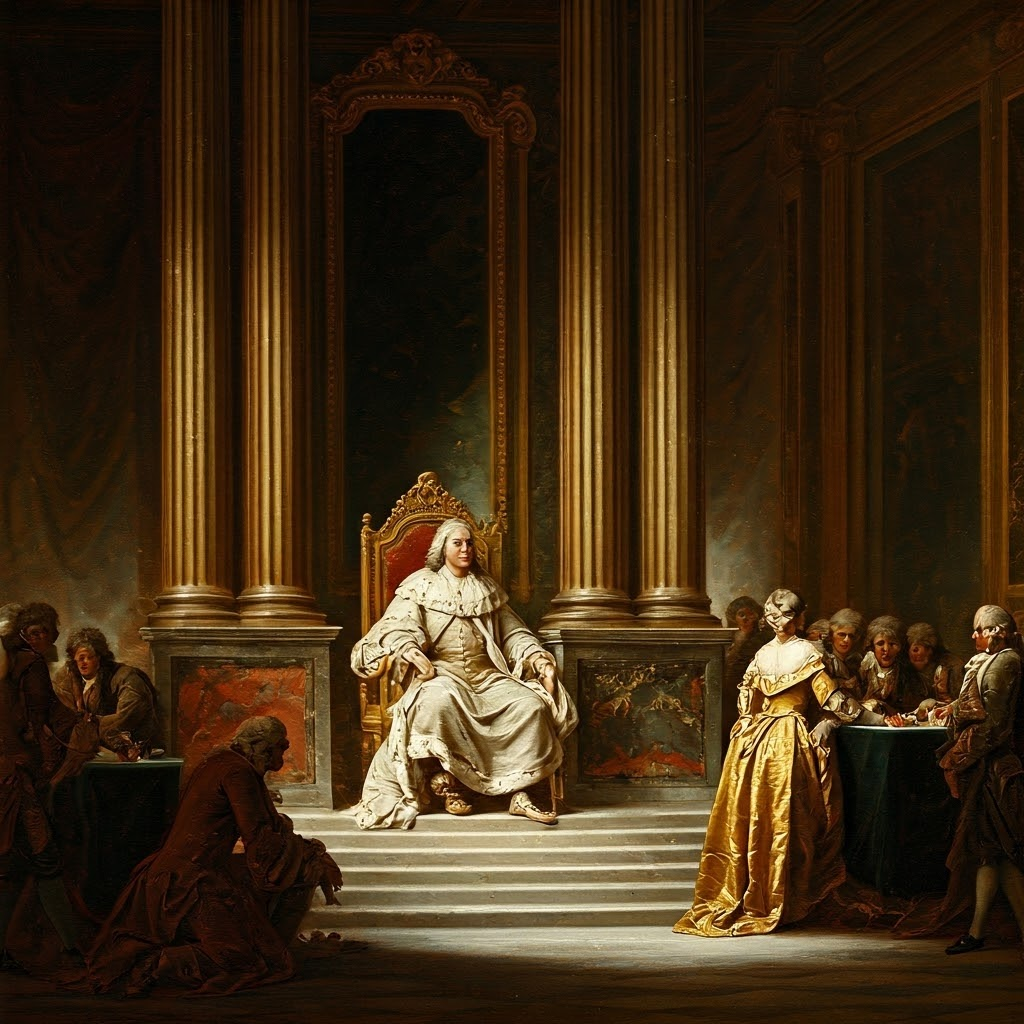
King Louis XVI does not see your world. Golden gates and tall walls wrap him in comfort. Nobles feast, gamble, and hunt. Meanwhile shoemakers, farm workers, and teachers watch children go to bed hungry while the rich pay almost nothing. That is privilege in plain view.
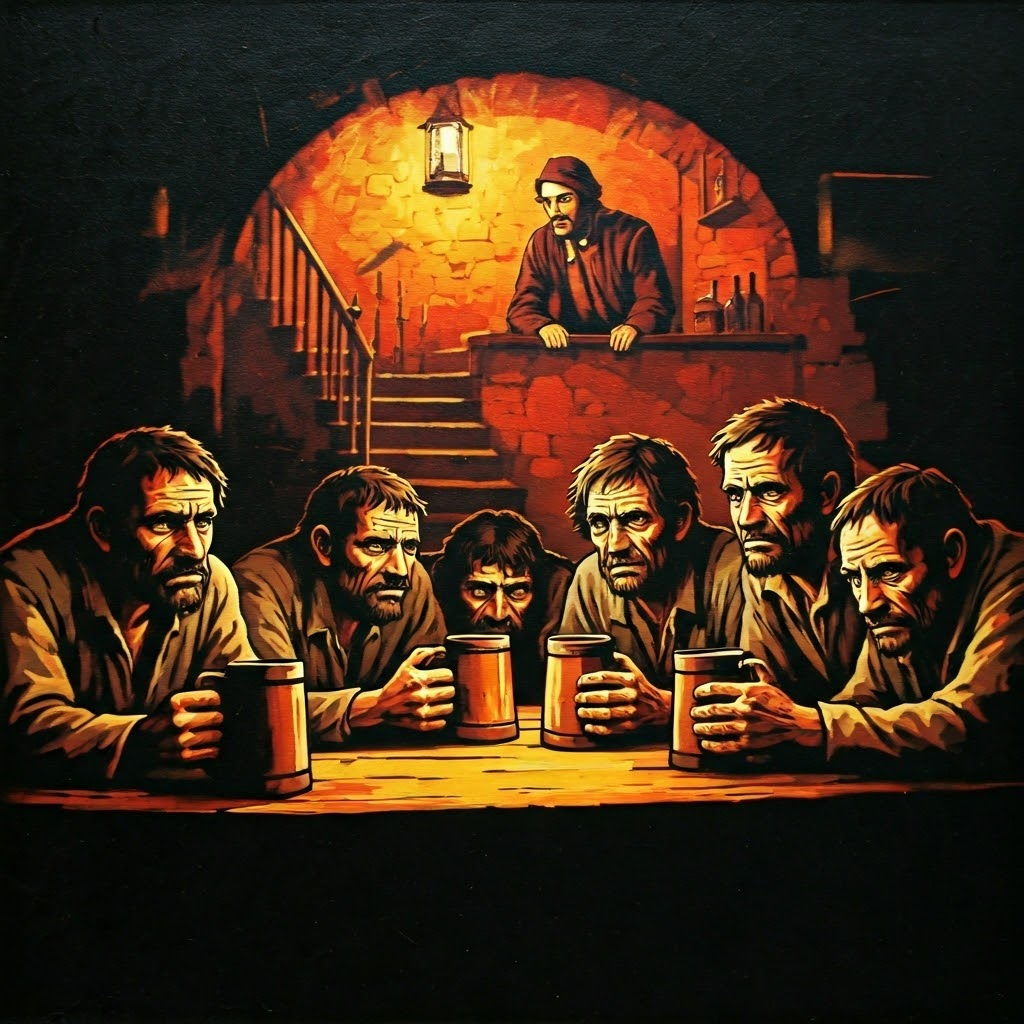
The unfairness is clear. Roughly 98 of every 100 people work hard, pay heavy taxes, and feel invisible. Frustration fills wine shops and city squares. When hunger mixes with anger, something is bound to snap.
Three Estates, One Big Problem
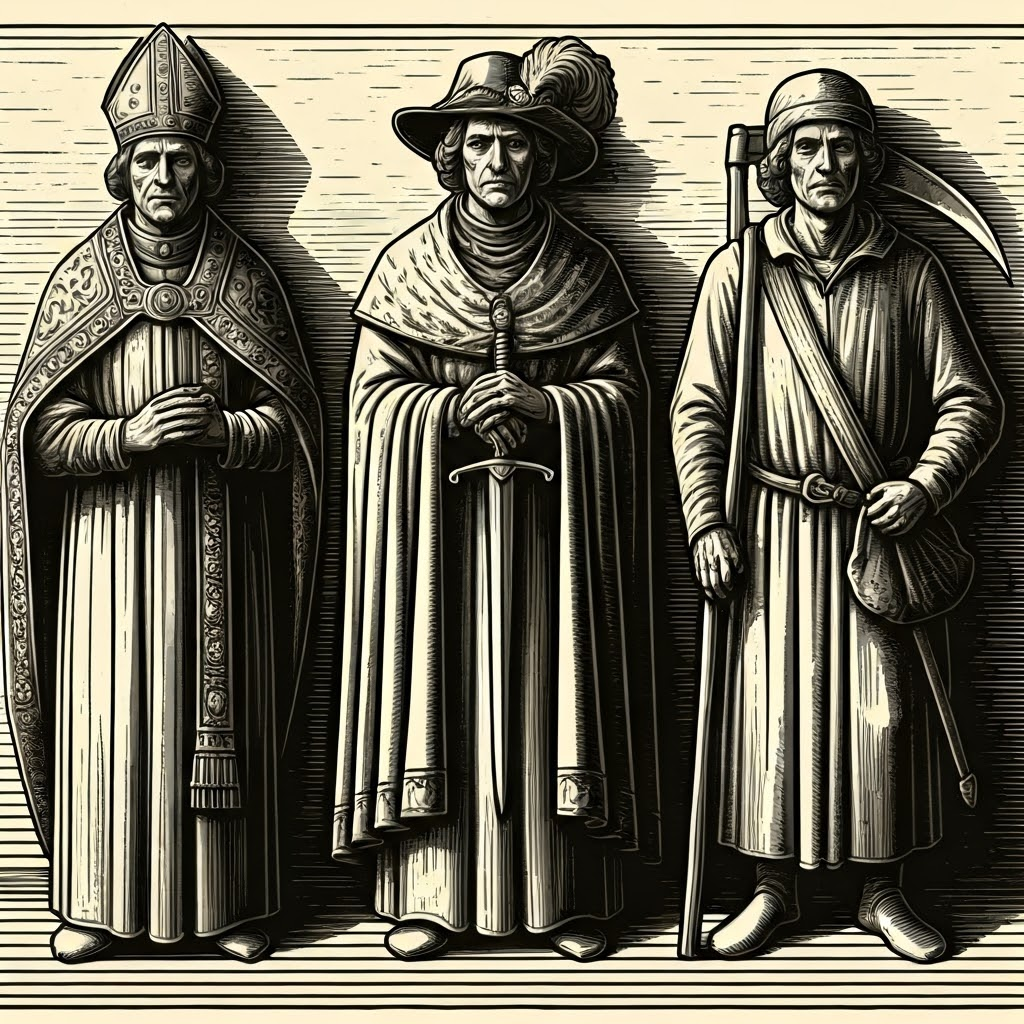
Society is split into three estates. At the top stands the First Estate, the clergy. They own about ten percent of the land and seldom pay taxes. Next comes the Second Estate, the nobility, who hold even more land and enjoy special rights.
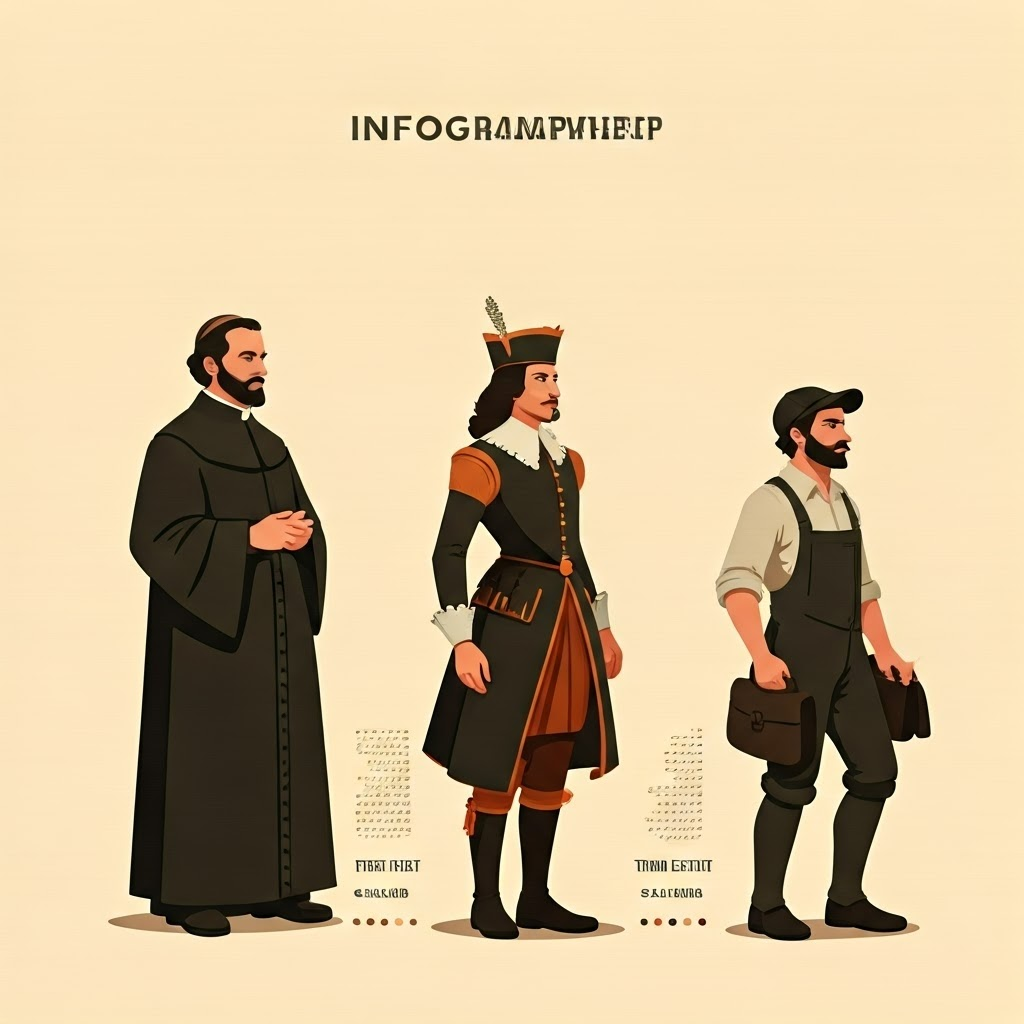
- First Estate (Clergy): ~100,000 people
- Second Estate (Nobility): ~200,000 people
- Third Estate (Everyone else): ~26.5 million people
These numbers show that if you belong to the Third Estate, you get all the bills and none of the perks.
The Meeting That Changed Everything
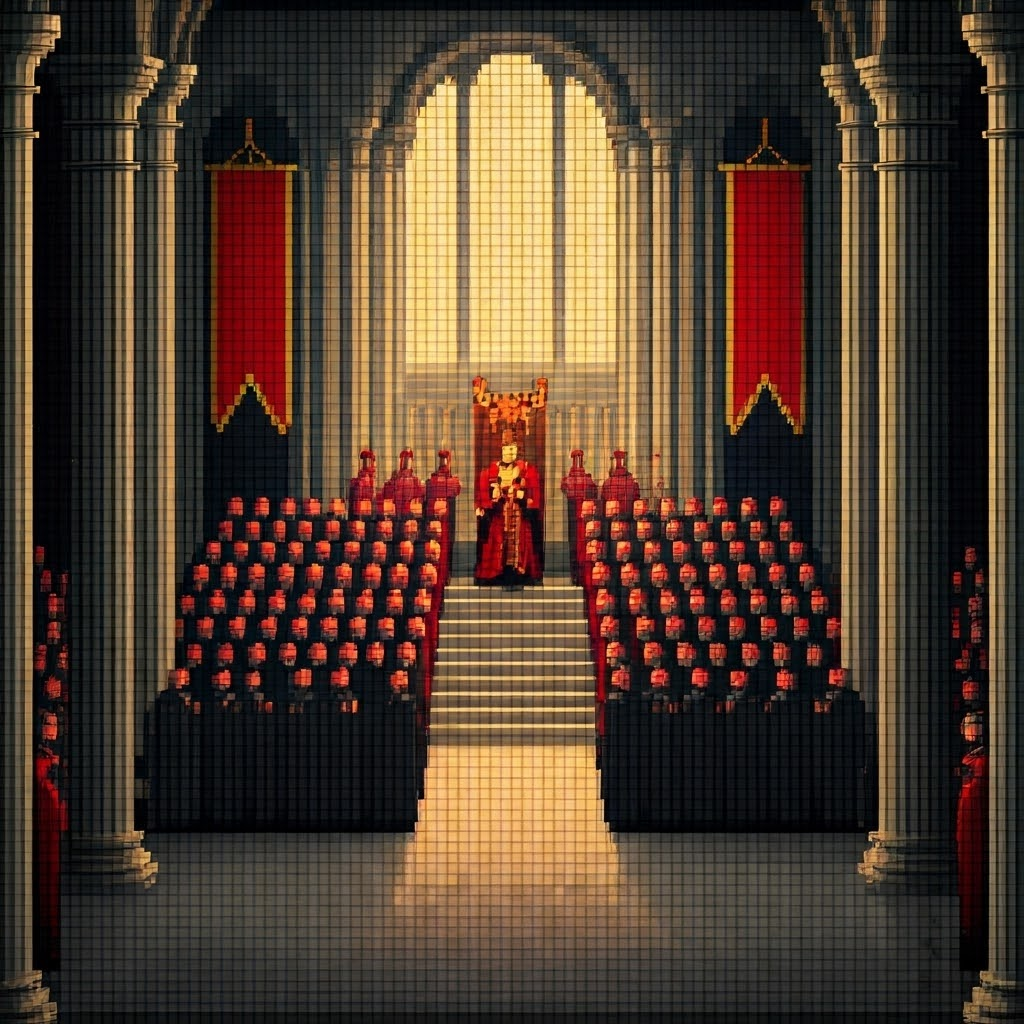
Money is gone and protests grow, so the king calls the Estates-General, a council that has slept for 175 years. Voting happens by estate, not by person. The First and Second Estates can always outvote the Third, though they are less than two percent of the people.
The Third Estate, guided by thinkers like Abbé Sieyès, is fed up. On 17 June 1789, they declare themselves the National Assembly. Locked out of their hall, they gather in a nearby tennis court and swear never to separate until France has a constitution.
Why Hopes and Fears Grow
With the National Assembly in place, ordinary people finally believe change is possible. Yet fear shadows hope. Rumors whisper that the king will send soldiers or that foreign armies will march in. The streets feel electric, as if history itself is waking.
