
The Science of Effortless Focus

Flow shows up when everything else fades. Imagine releasing a basketball and hearing only the bounce, not the crowd. Your body moves smoothly and thoughts line up without effort.
What Flow Really Feels Like

You might be sketching, writing code, or shooting hoops. Hours slip by, hunger hides, and the work feels light. This is flow, a state where action and thought glide together.
In flow, the inner critic goes silent. Attention blocks out anxiety and loud self-talk. Athletes call it “the zone,” gamers say “god mode.” The deeper you dive, the easier it feels.

Flow often pairs with joy and quiet excitement. Problems untangle faster, and ideas surface without strain. You feel carried by the task, not dragged by effort.
The Nine Ingredients of Flow
1. Clear goals guide every move, keeping ambiguity away.
2. Immediate feedback—a swish, a compiled program—steers quick adjustments.
3. Balanced challenge and skill sits between boredom and panic, like Tetris pieces falling just fast enough.
4. Action merges with awareness; hands play piano while the mind observes the music.
5. Self-consciousness fades; worries about looks or judgment disappear.
6. Time transforms—minutes feel like hours, or hours blink away.
7. A sense of control breeds calm confidence through twists and bumps.
8. Intrinsic reward makes the work its own prize, leaving you satisfied.
9. Focused attention narrows the spotlight, muting phone buzzes and random noise.
When any piece is missing—unclear goals, mismatched difficulty—flow slips. Get the mix right, and you move effortlessly.
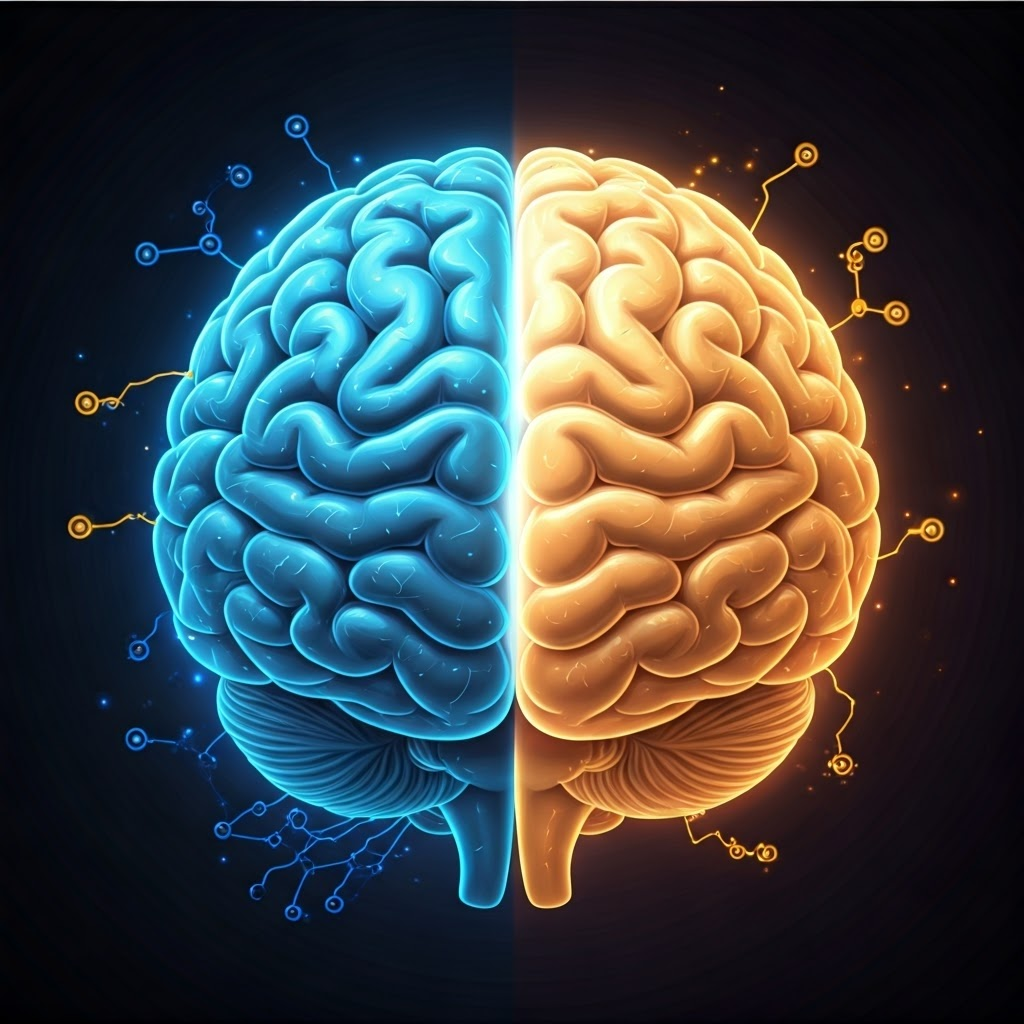
Why Your Brain Loves Flow
Flow feels good because of brain chemistry. Each small win releases dopamine, boosting motivation. Endorphins soften stress, so hard tasks seem smooth.
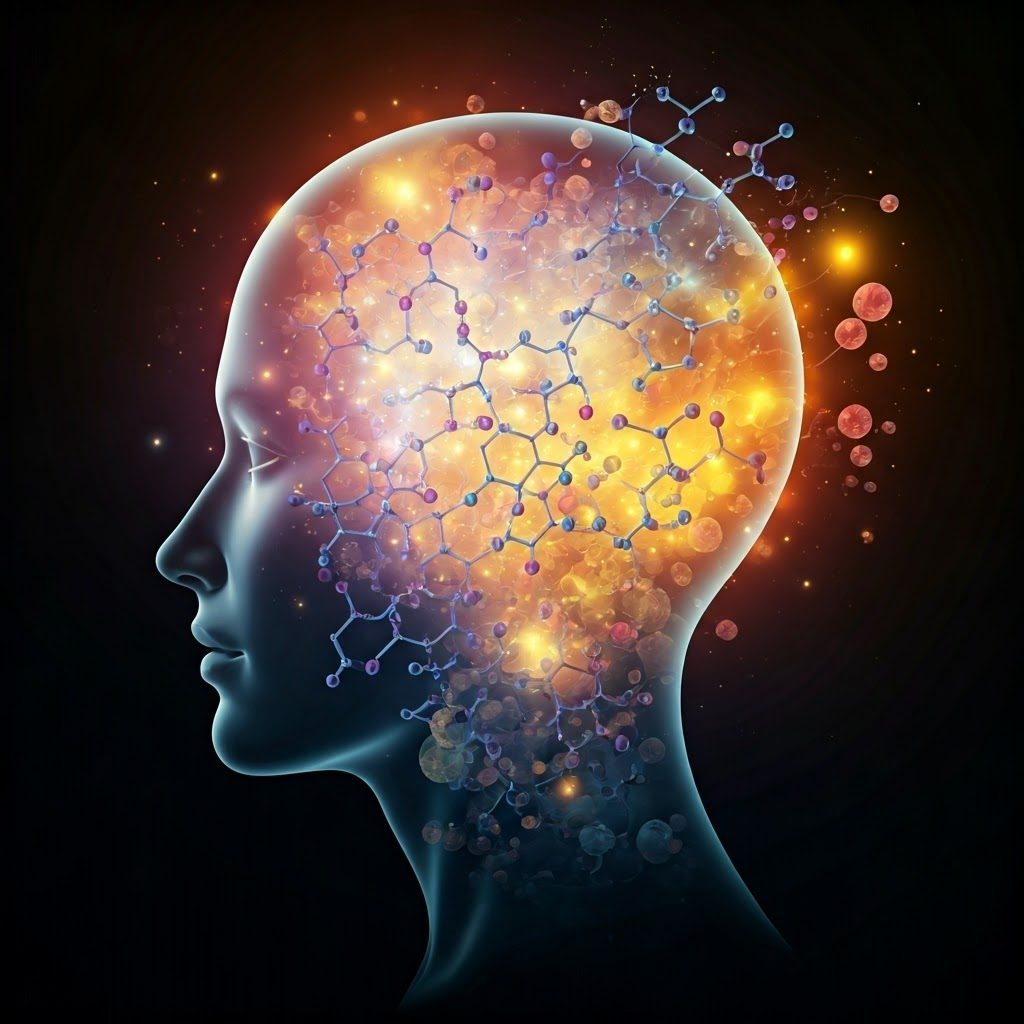
A splash of norepinephrine sharpens attention and reaction time. This natural cocktail explains why flow is addictive yet healthy.
Beyond pleasure, flow speeds learning and sparks creativity. The quiet inner judge lets bold ideas surface, and sustained focus rewires the brain for future challenges.
Next time you lose yourself in a task, remember: your brain isn’t just enjoying the moment—it’s training itself to think smarter and find joy in deep focus.
