
Roots of Resistance: The Fight for Land and Rights
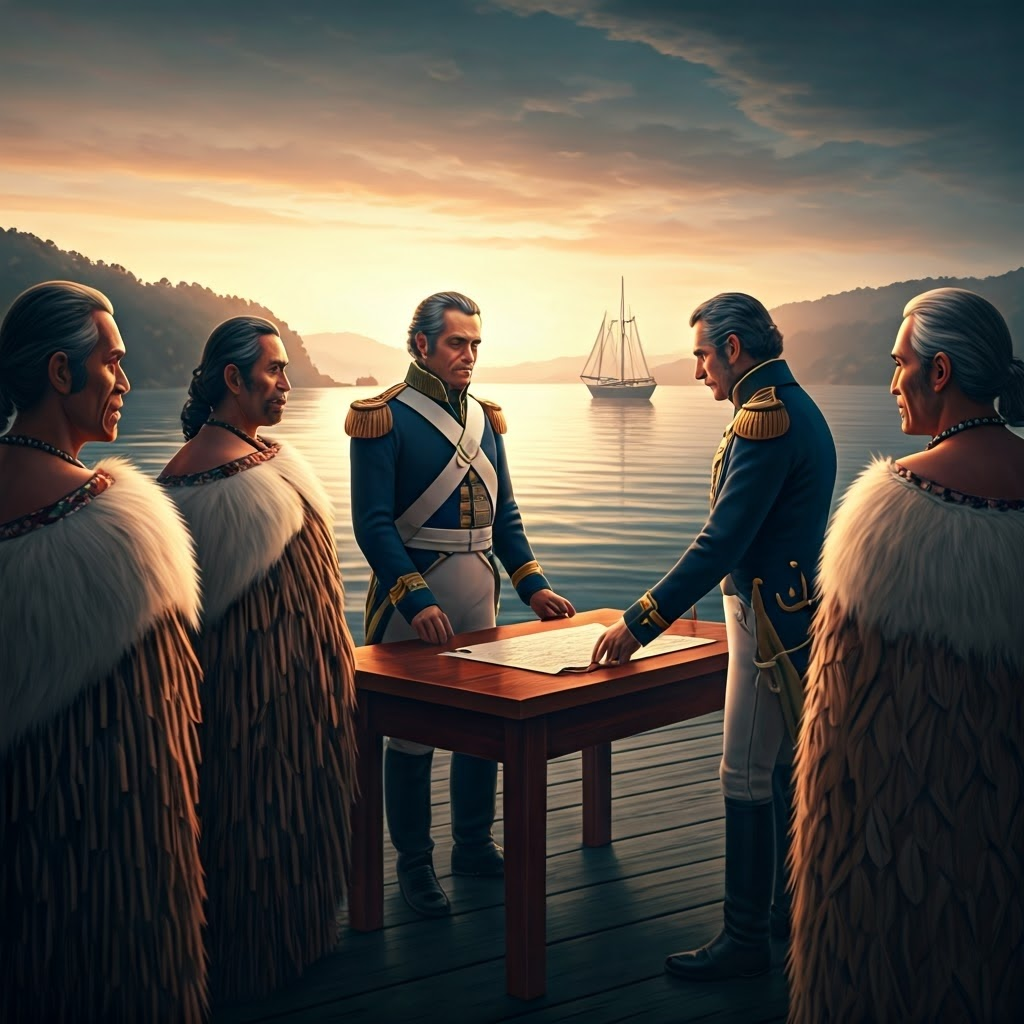
Broken Promises: Treaties and Dispossession
The story of Indigenous land loss centers on treaties—promises written down yet rarely respected. These agreements looked fair on paper, but reality told a different tale as land, power, and autonomy slipped away.
Māori leaders signed the Treaty of Waitangi believing it protected their authority. The English text—unknown to many signers—granted the British Crown sweeping control. A similar pattern unfolded in the United States. The Fort Laramie Treaty of 1868 guaranteed the Lakota Sioux full use of the Black Hills, yet gold fever quickly overrode every clause.
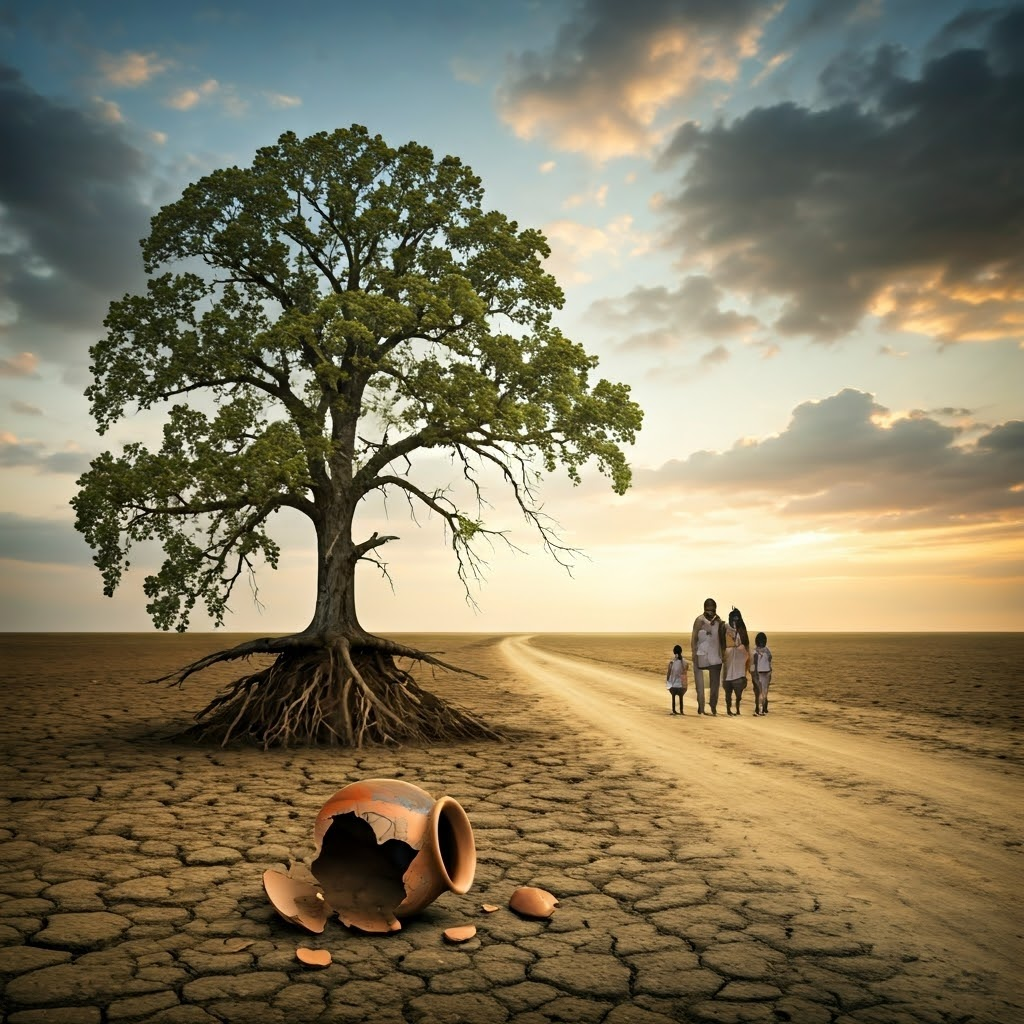
Loss of land ripples through culture and spirit. Ground holds ancestors, ceremonies, and identity. When it is taken, language fades, stories vanish, and communities feel unmoored. The Cherokee Trail of Tears mirrors countless displacements worldwide. Fine print never captures the heartbreak carried by each family forced to leave.

Assimilation and Resistance: Surviving the System
Colonial authorities pushed assimilation to erase languages, kinship, and memory. In Canada, Australia, and the United States, officials removed children to residential schools. Speaking one’s mother tongue invited punishment. Names changed, hair cut, and traditions suppressed—all aimed at reshaping identities.
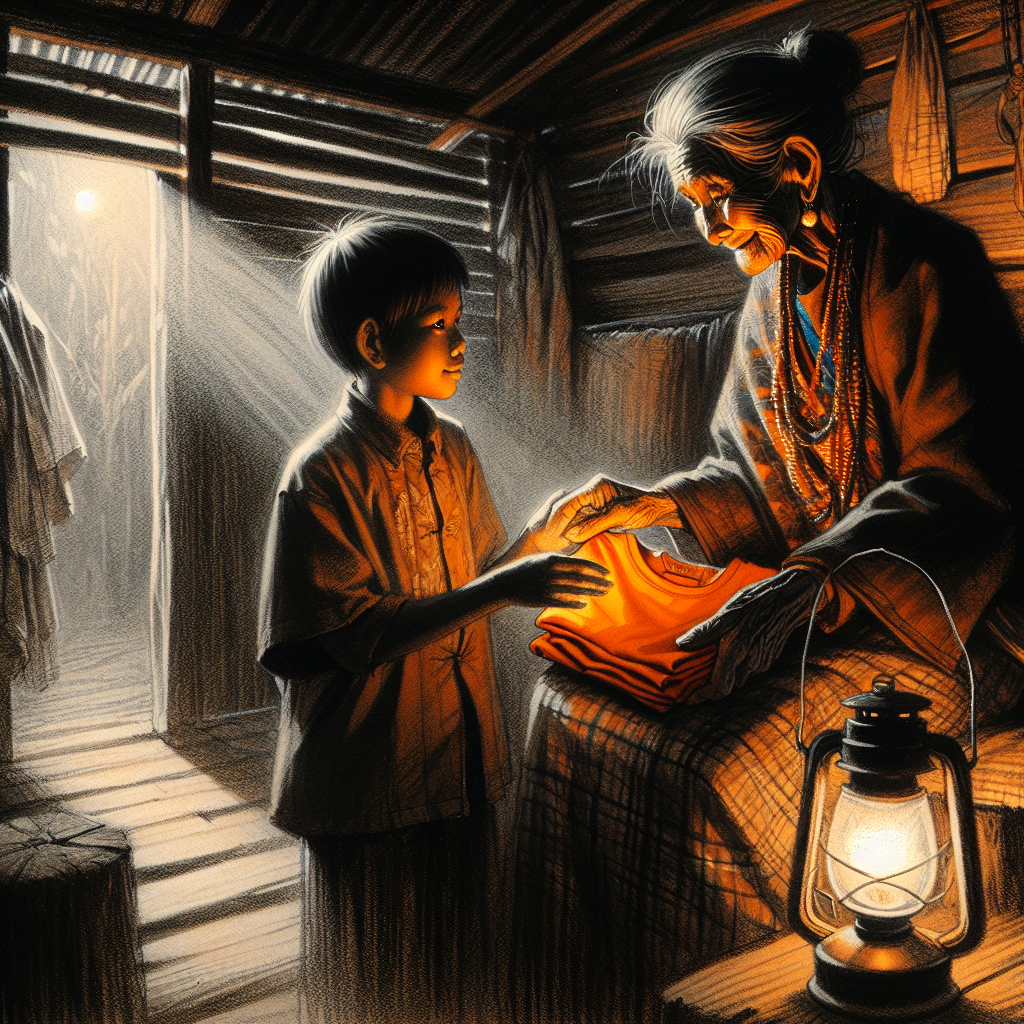
Survival itself became resistance. Children whispered songs under blankets. Elders guarded stories until safer nights arrived. Phyllis Webstad’s lost orange shirt grew into Orange Shirt Day, a national call to remember and stand strong. Culture endured because people chose not to forget.
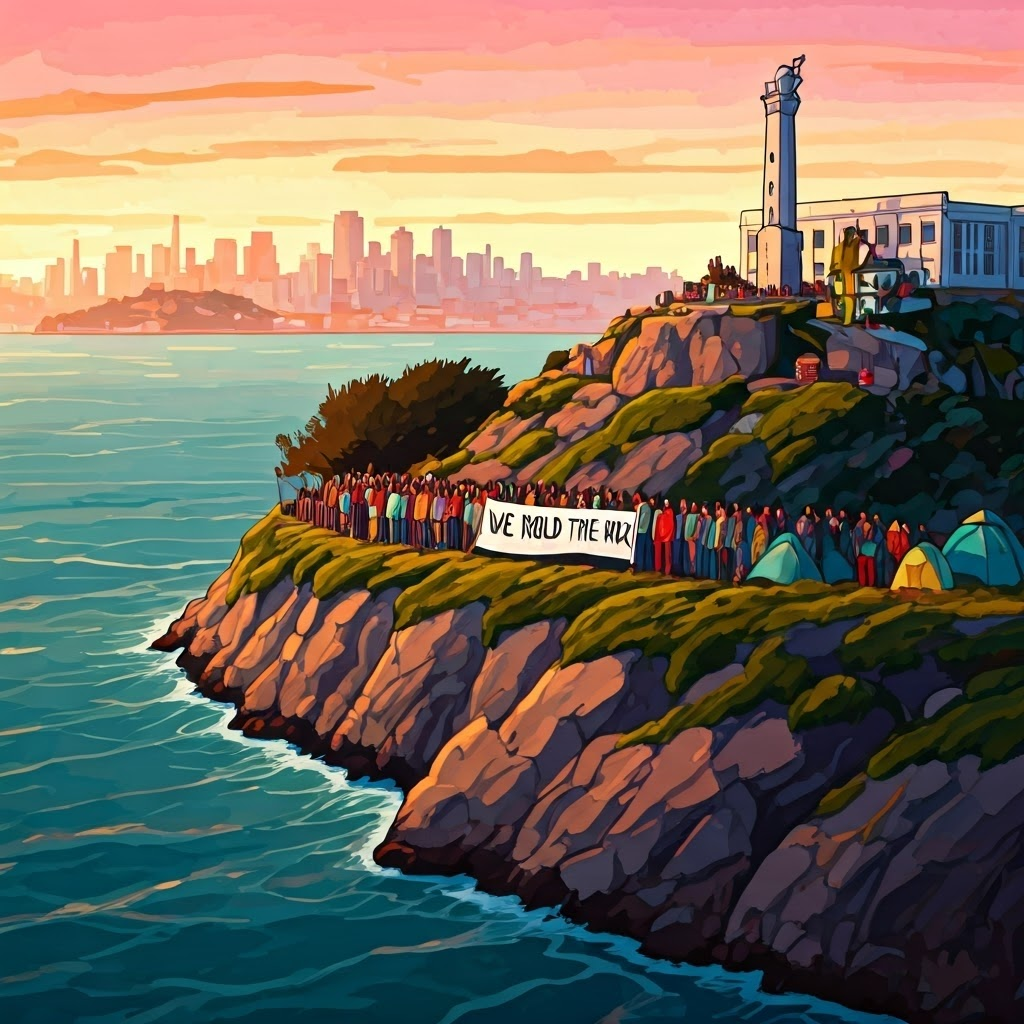
Standing Up: Protests That Changed Everything
By the late 1960s, Indigenous activism burst into public view. The Occupation of Alcatraz in 1969 lasted 19 months, proving old treaty language still mattered. Media coverage amplified voices long ignored, showing the world that Indigenous peoples would no longer stand aside.
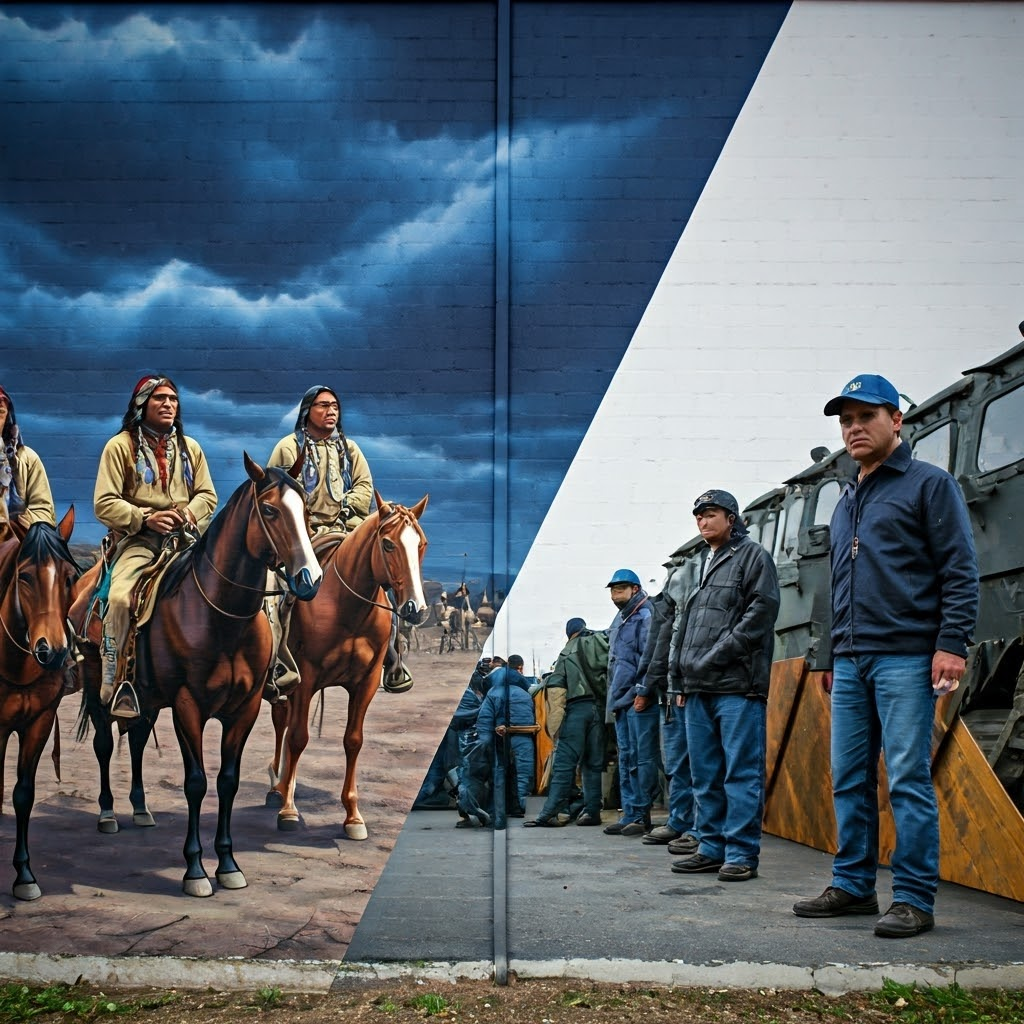
Other confrontations followed. In 1973, activists occupied Wounded Knee for 71 tense days, spotlighting broken promises and police violence. The 1990 Oka Crisis saw Mohawk defenders block a golf-course expansion over a burial ground. Both standoffs drew global attention and strengthened calls for self-determination.
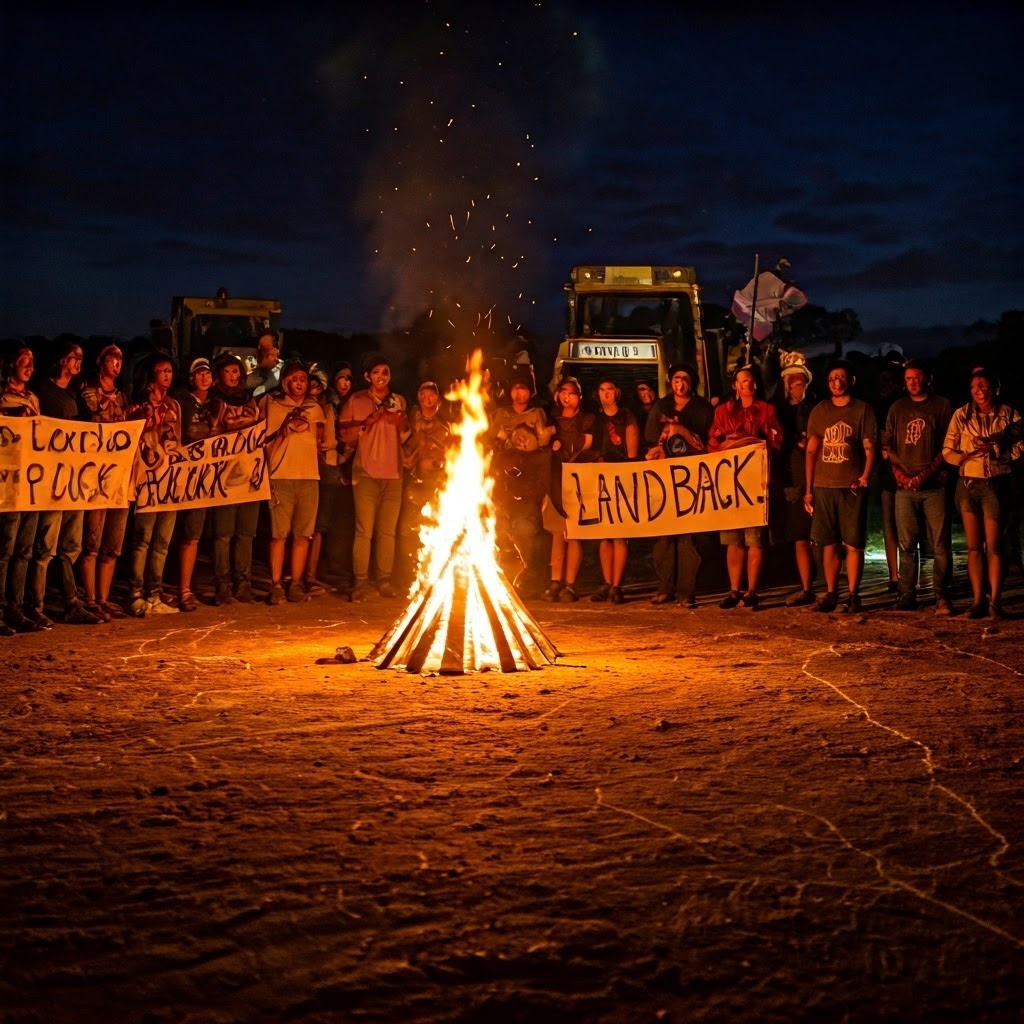
These actions inspired new generations. Movements like Standing Rock’s water protectors and today’s Land Back campaigns trace their roots to those landmark protests. The constant thread is resilience—a refusal to be silenced despite centuries of pressure.
