
Meet the family: Our earliest ancestors

Who Came Before Us?
Imagine a packed family reunion—every relative from close siblings to branch-distant cousins gathered under one gigantic tent. Scientists call that tent the hominin family tree: every species more closely related to humans than to chimpanzees.
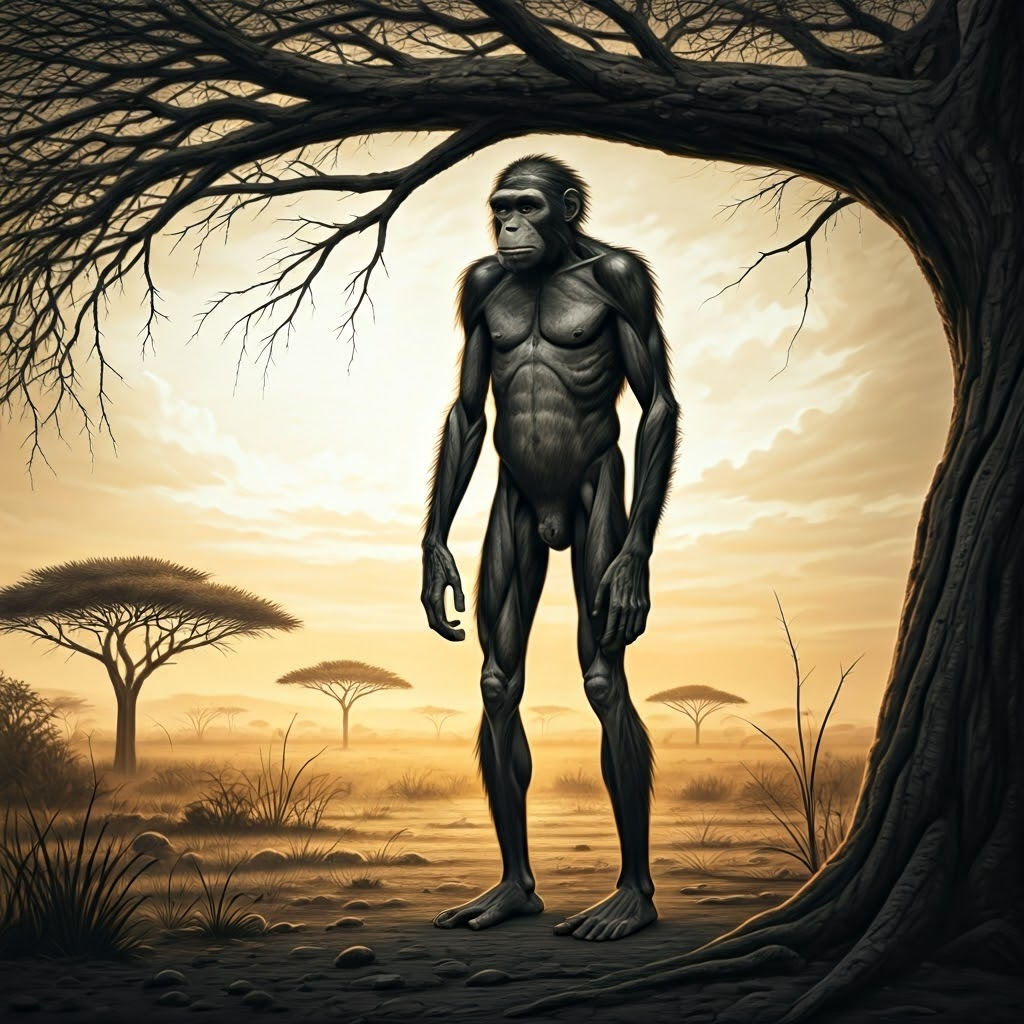
Think of Australopithecus as a small, upright walker that still climbed trees. Fossils like Lucy show a modest brain and long arms built for swinging. This branch stayed in Africa for ages, living a steady, familiar life.
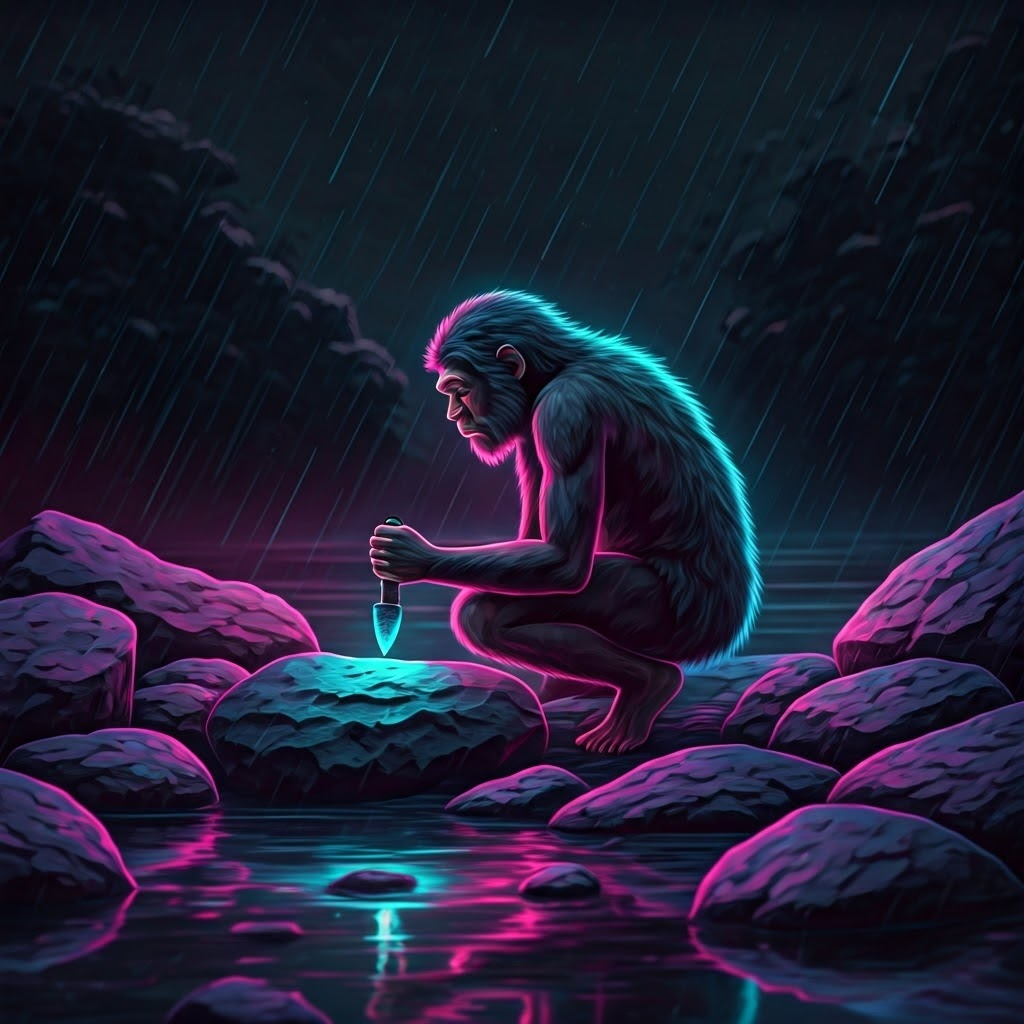
About 2.4 million years ago, Homo habilis stepped up with simple stone flakes. Their slightly larger brains and nimble hands let them craft tools on purpose—an early sign of ingenuity.
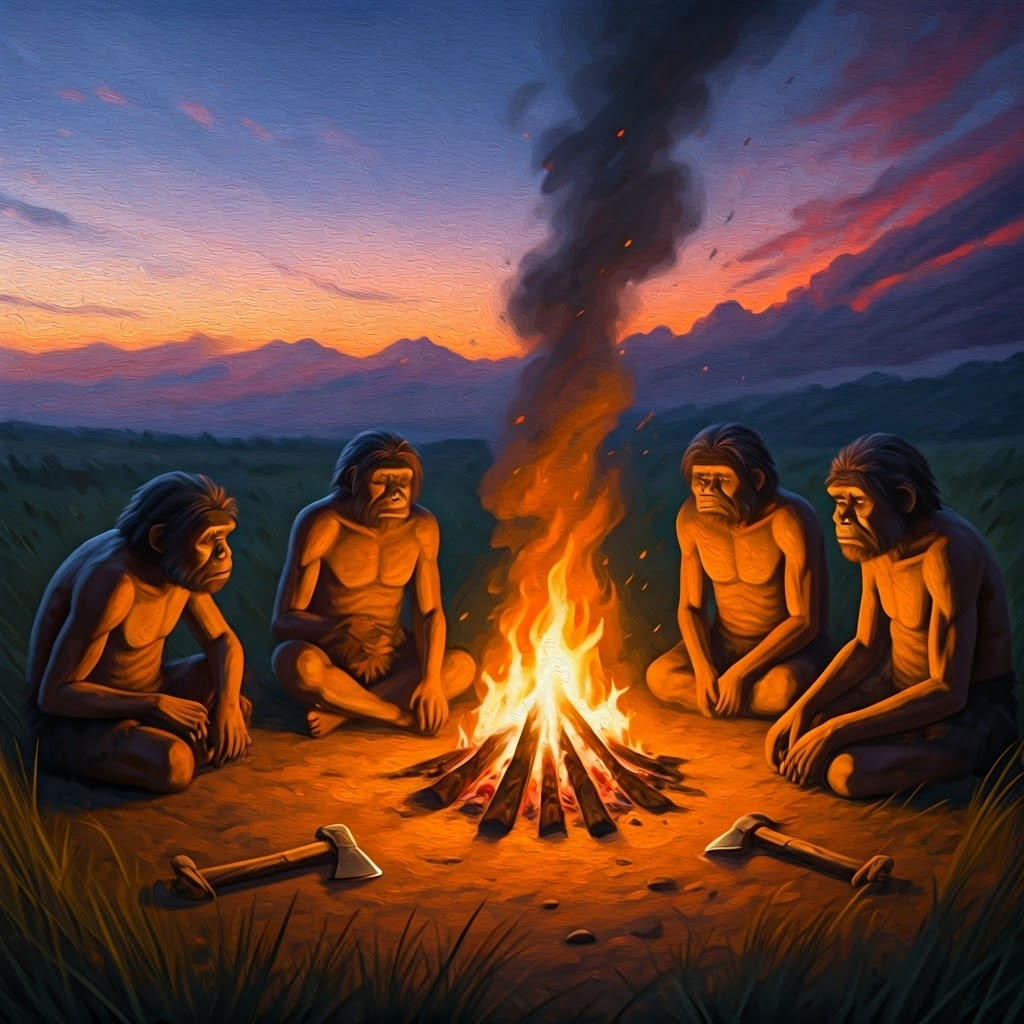
Homo erectus arrived next, carrying bigger brains, durable hand-axes, and a taste for travel. Around 1.8 million years ago they left Africa, mastered fire, and spread into Asia—pioneers of persistence.
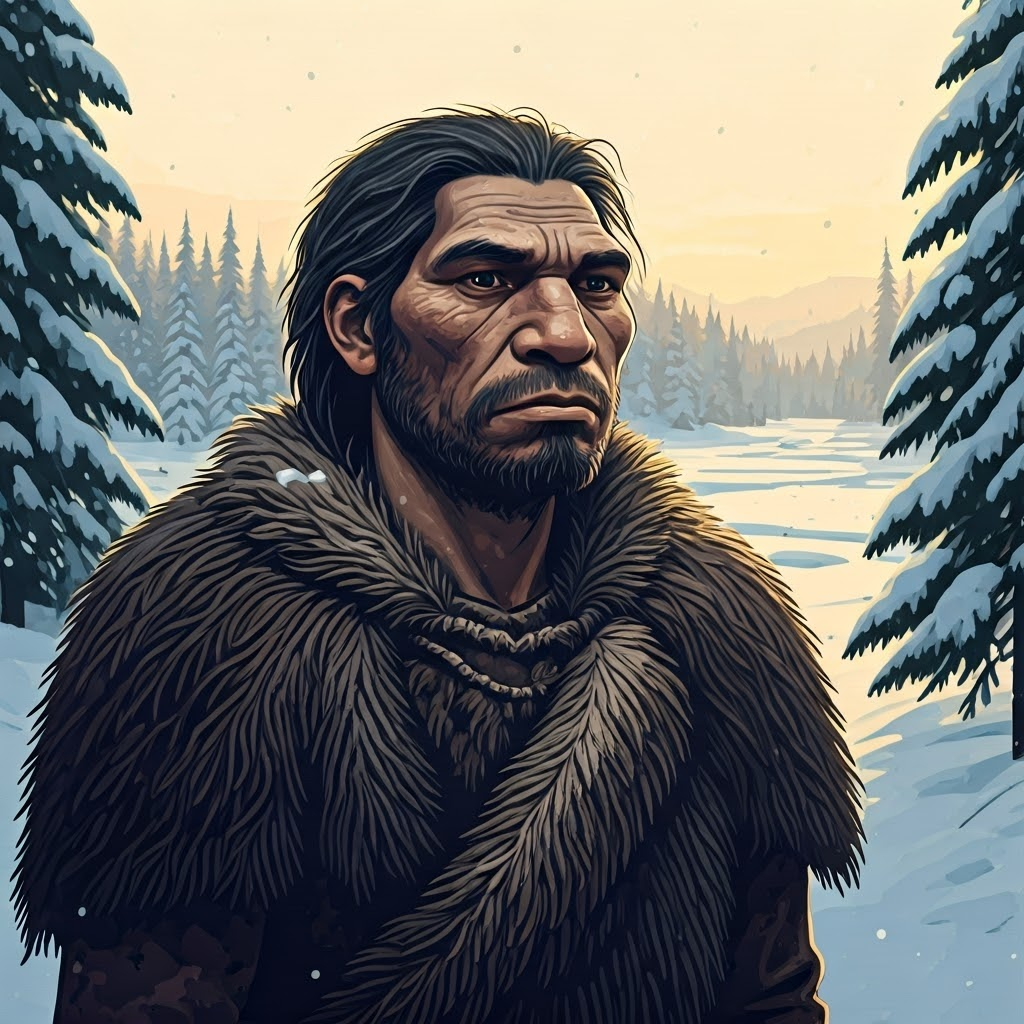
Neanderthals followed, built for Ice Age Europe with broad noses and powerful frames. Research shows they cared for injured kin and buried their dead—evidence of compassion as well as strength.
What Makes Us, Us?
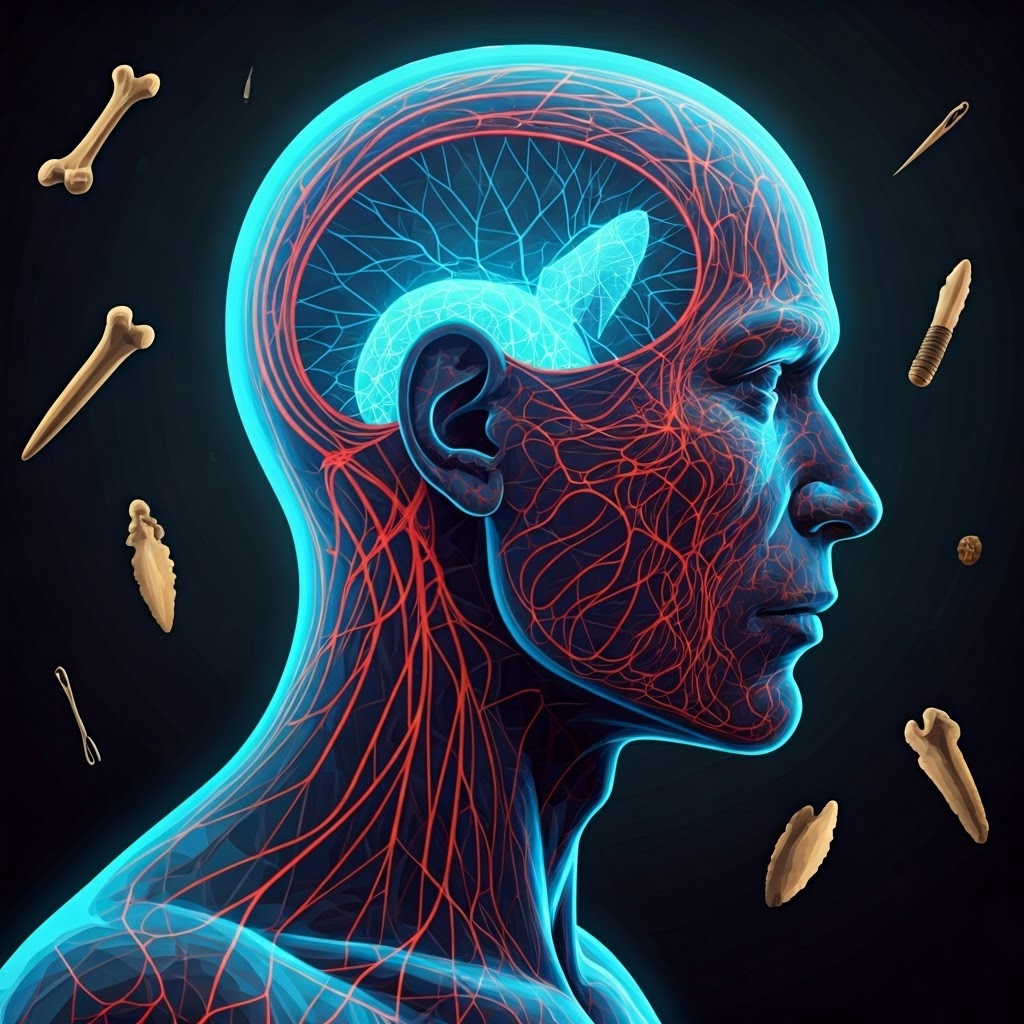
Homo sapiens broke the mold through flexible brain wiring that sparked language, imagination, and large-scale cooperation. They crafted needles, hooks, and blades from bone and antler—a creative toolkit far beyond simple stone.

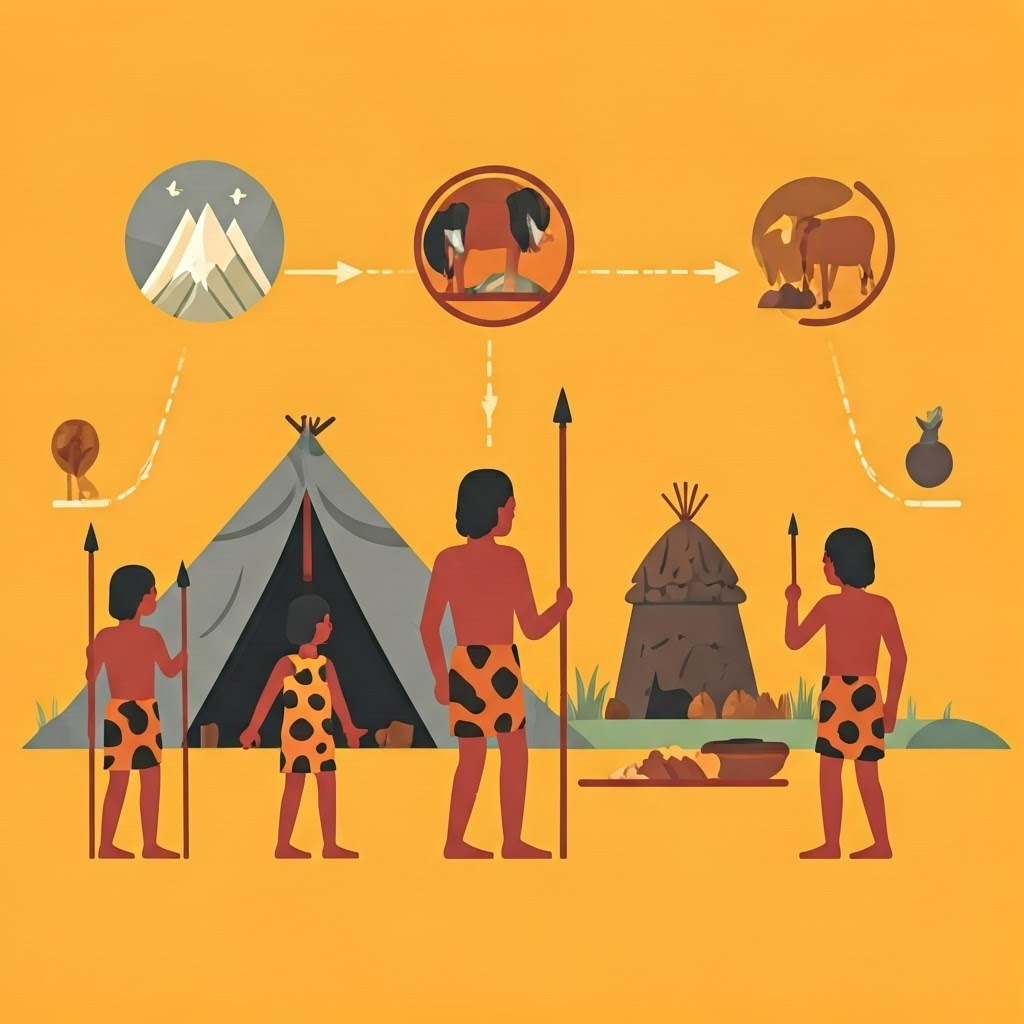
Their real edge lay in social glue. Larger groups shared knowledge, planned hunts, and taught children. This swift exchange fueled adaptation and innovation across shifting climates.
Brainpower and Teamwork
Working together went beyond getting dinner. Cooperation let our ancestors survive droughts, refine tools, and pass hard-won lessons forward—habits mirrored today in group projects and everyday chatter.
The Experts Weigh In
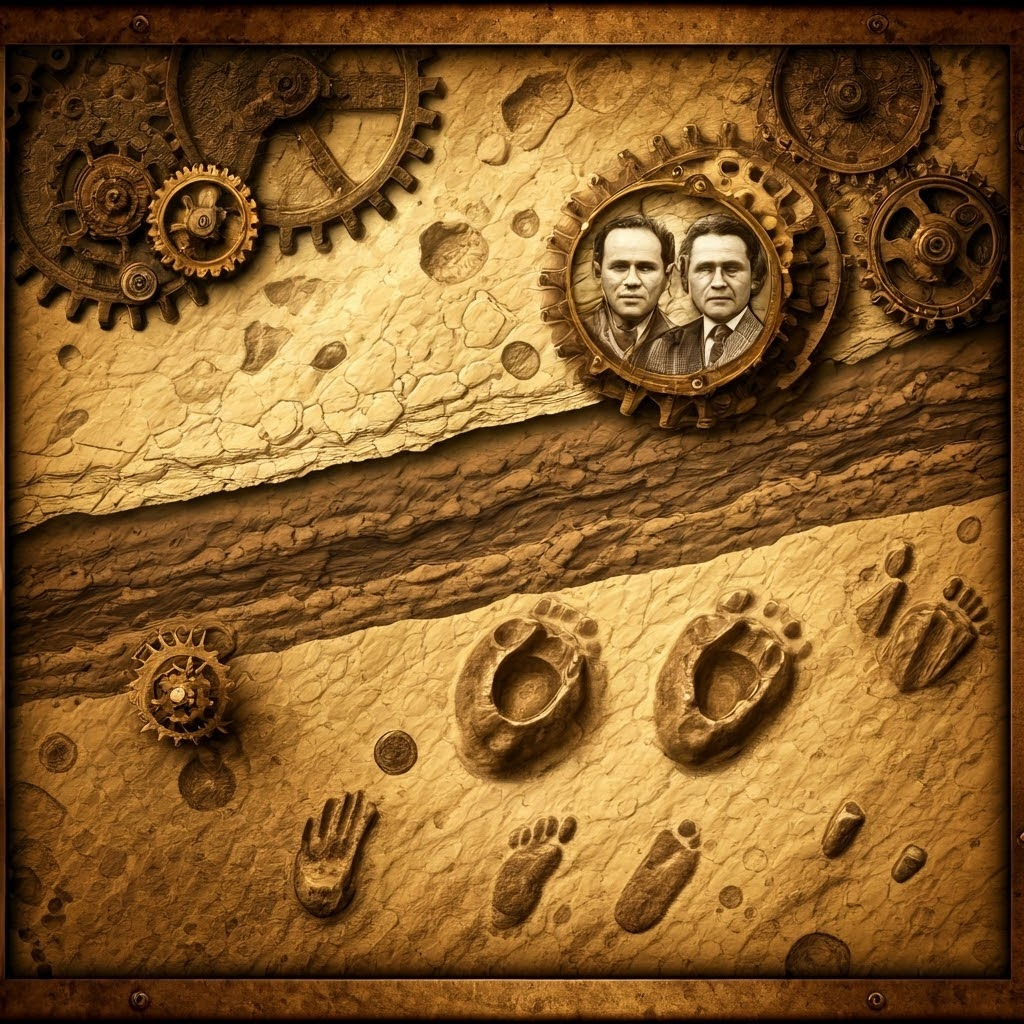
Paleo-detectives Richard and Mary Leakey showed that upright walking began long before large brains. Their discoveries reveal evolution as a gradual, branching experiment—each lineage testing new survival tricks.

Historian Yuval Noah Harari argues that shared stories—gods, nations, money—formed a cognitive revolution. These collective myths let strangers trust one another and build vast societies.
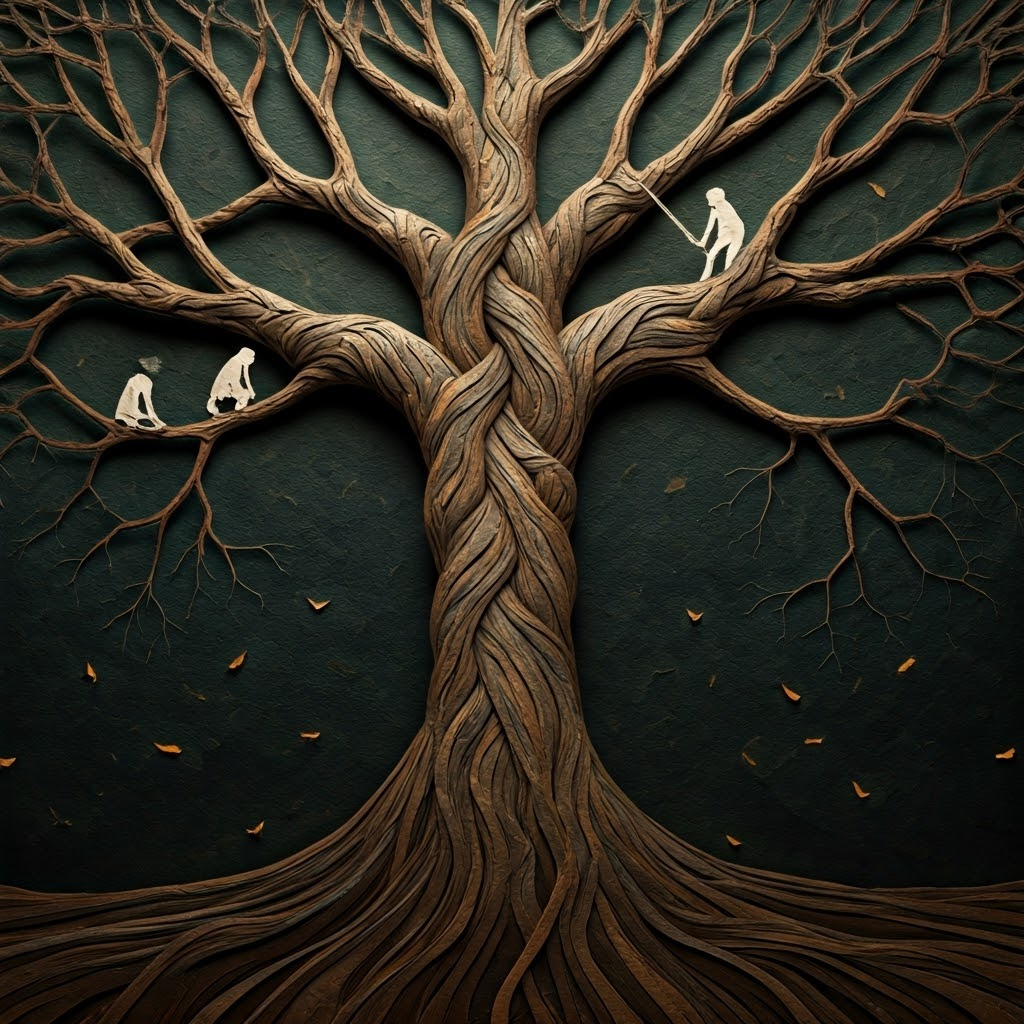
New fossils and DNA keep reshaping the family tree; branches cross, cousins swap genes, and tidy diagrams grow messy. Yet one theme stands out: Homo sapiens thrive through adaptability, creativity, and tight social bonds—traits still guiding us today.
