15 min read  •  11 min listen

Finding the Way

How Routers Steer Your Data Across the World

Finding the Way

AI-Generated

April 28, 2025

Ever wondered how your messages, videos, and memes find their way across the world in seconds? This tome peels back the curtain on the secret life of routers, showing you how they make split-second decisions to keep the internet running smoothly. Get ready to see the web in a whole new light.


Addresses, Masks, and the Art of Slicing Networks

Think of an IP address as a mailing address for data. It guides every photo, message, or video to the correct device, whether it’s a phone, laptop, or smart fridge.

Vintage mailbox dissolving into flowing binary code, illustrating how IP addresses move information between modern devices

An IP address looks like 192.0.2.14. Each part narrows down the destination—much like street, city, and ZIP code. Without an address, devices would talk past each other, and data would never arrive.

Crowded apartment blocks labeled with IPv4 octets, showing limited address space and a stressed network engineer

For decades we relied on IPv4. It offers about 4.3 billion unique addresses. That once felt limitless, yet today’s billions of devices quickly filled the pool.

Futuristic cityscape covered in glowing hexadecimal characters, symbolizing the vast IPv6 address space

Engineers introduced IPv6, which jumps to $$2^{128}$$ possible addresses—enough for every grain of sand and beyond. IPv4 and IPv6 now run side by side, but IPv6 is steadily taking over.
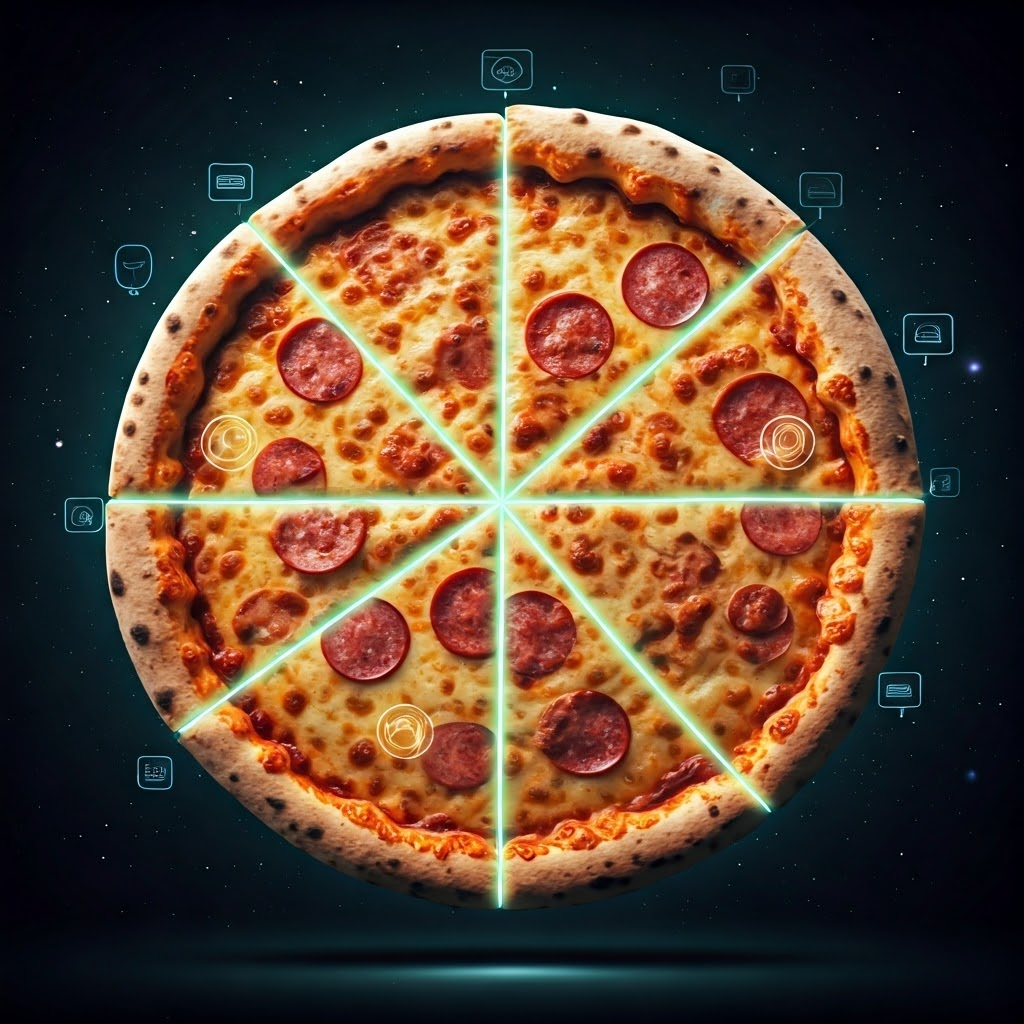
Giant space-floating pizza sliced by neon lines, each slice labeled with network icons to represent subnetting

Networks divide address pools into subnets. Like sharing pizza, subnet masks and CIDR notation allocate fair portions to different groups, keeping things organized and secure.
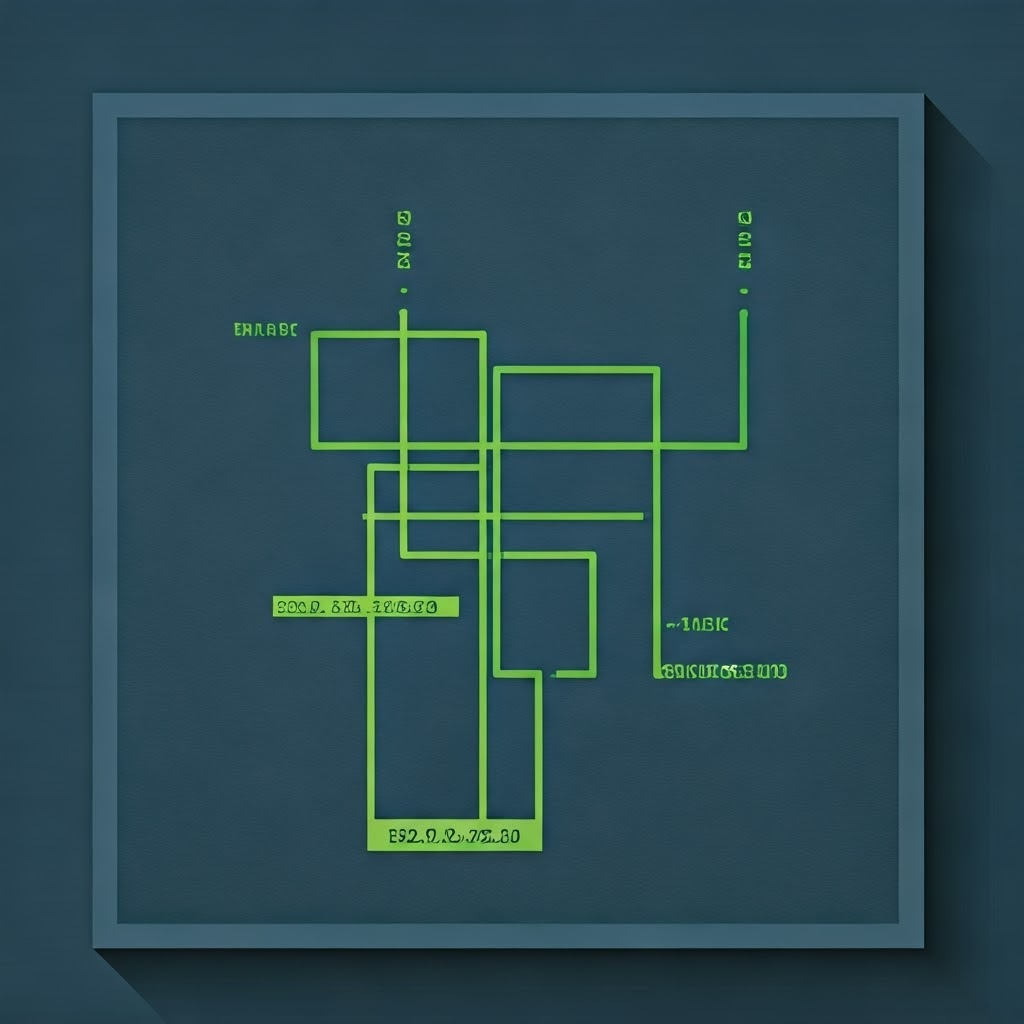
Stencil overlay on an IP diagram highlighting mask 255.255.255.0 and 192.0.2.0/24

A subnet mask acts as a stencil. Mask 255.255.255.0—or 192.0.2.0/24 in CIDR—marks the first three octets as the network and leaves the last for individual devices.

Whimsical pizza slices sized for groups of 200, 50, and 2 devices, illustrating VLSM flexibility

VLSM fine-tunes slice sizes. Busy areas get large address blocks; quiet corners receive smaller ones, avoiding waste and keeping the pool healthy.

University campus with digital overlays showing dynamic subnet planning

Growing organizations—like universities or expanding businesses—benefit from flexible masks. They adjust subnets as departments appear or branches open, ensuring no one runs out of addresses.
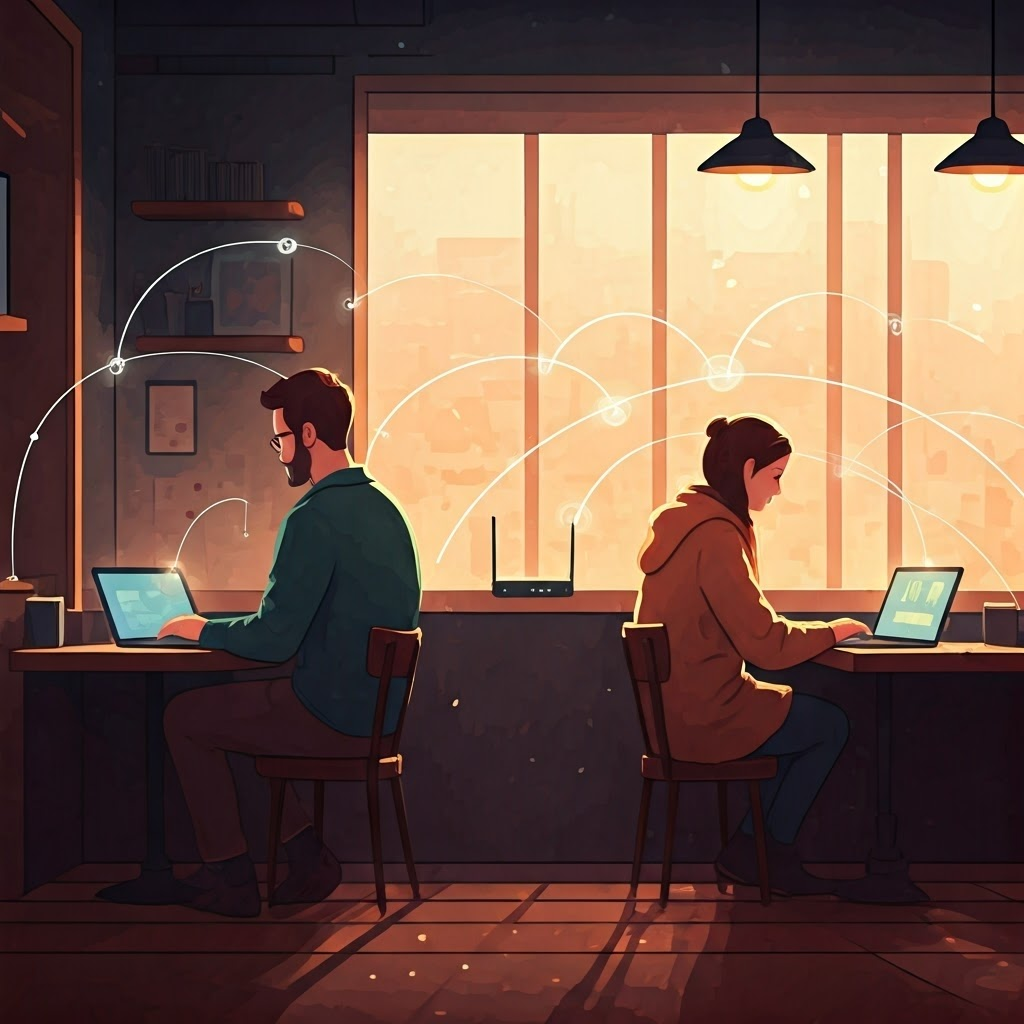
Cozy coffee shop where glowing lines connect devices to a central router, depicting everyday network use

These behind-the-scenes tools—addresses, masks, and smart slicing—keep the internet running smoothly. The next time you check messages at a café, remember the intricate network choreography making it effortless.


Tome Genius

The Internet & Web Technologies

Part 4

Tome Genius

Cookie Consent Preference Center

When you visit any of our websites, it may store or retrieve information on your browser, mostly in the form of cookies. This information might be about you, your preferences, or your device and is mostly used to make the site work as you expect it to. The information does not usually directly identify you, but it can give you a more personalized experience. Because we respect your right to privacy, you can choose not to allow some types of cookies. Click on the different category headings to find out more and manage your preferences. Please note, blocking some types of cookies may impact your experience of the site and the services we are able to offer. Privacy Policy.
Manage consent preferences
Strictly necessary cookies
Performance cookies
Functional cookies
Targeting cookies

By clicking “Accept all cookies”, you agree Tome Genius can store cookies on your device and disclose information in accordance with our Privacy Policy.

00:00