
Money on the Move: How Blockchains Cross Borders and Settle Up

Why Sending Money Across Borders Is So Hard
Moving money across borders through banks feels like mailing a letter that stops at many checkpoints. Each stop adds paperwork and mystery charges. The process often leaves people confused and frustrated. Fees pile up fast.
The average cost to send an international remittance from the United States hovers near six percent. Some corridors cost more. Time also slips away. Transfers can take three to five days—or longer—before they reach the recipient.

Each wire hops between correspondent banks that act as checkpoints. Every bank runs its own security and compliance checks. These reviews slow the journey and add fresh charges. One typo or missing form can stall money mid-route. Intermediaries make the system safe yet sluggish.

Blockchains: The New Money Movers
Blockchains act like a shared ledger everyone can read. You send value straight from one wallet to another. Thousands of independent nodes confirm the math, so no single bank controls the system. Transfers clear in minutes, not days. Network transparency keeps everyone honest.
The main cost is a small network fee, often just a few cents. The chain runs nonstop—weekends and holidays included. Anyone can verify a payment on public chains like Bitcoin or Ethereum. Trust shifts from institutions to open code and collective agreement.

Atomic Swaps and Instant Settlement: No More Waiting
An atomic swap lets two parties trade different coins all at once or not at all. There is no middle step where one person holds both assets. The code guarantees the swap completes fairly. Finality is immediate.
Instant settlement removes the usual waiting window. Send USDC to Singapore, and the recipient can spend it once the block confirms—often in under a minute. This speed slashes settlement risk, a key pain point in traditional finance.
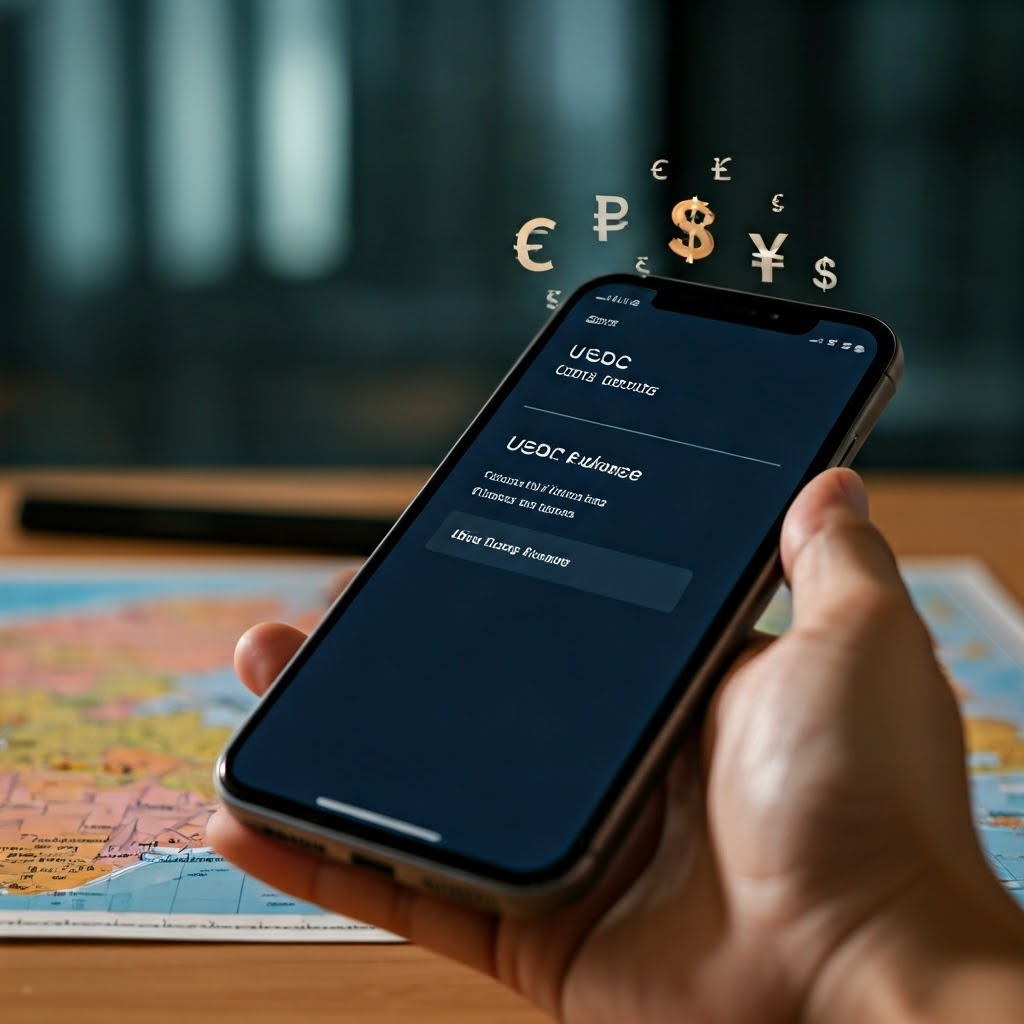
Financial firms and even central banks now study these tools. Compressing settlement time changes how markets manage risk. For everyday users, it simply feels great to see funds arrive almost instantly.
Decentralized Exchanges: Trading Without a Middleman
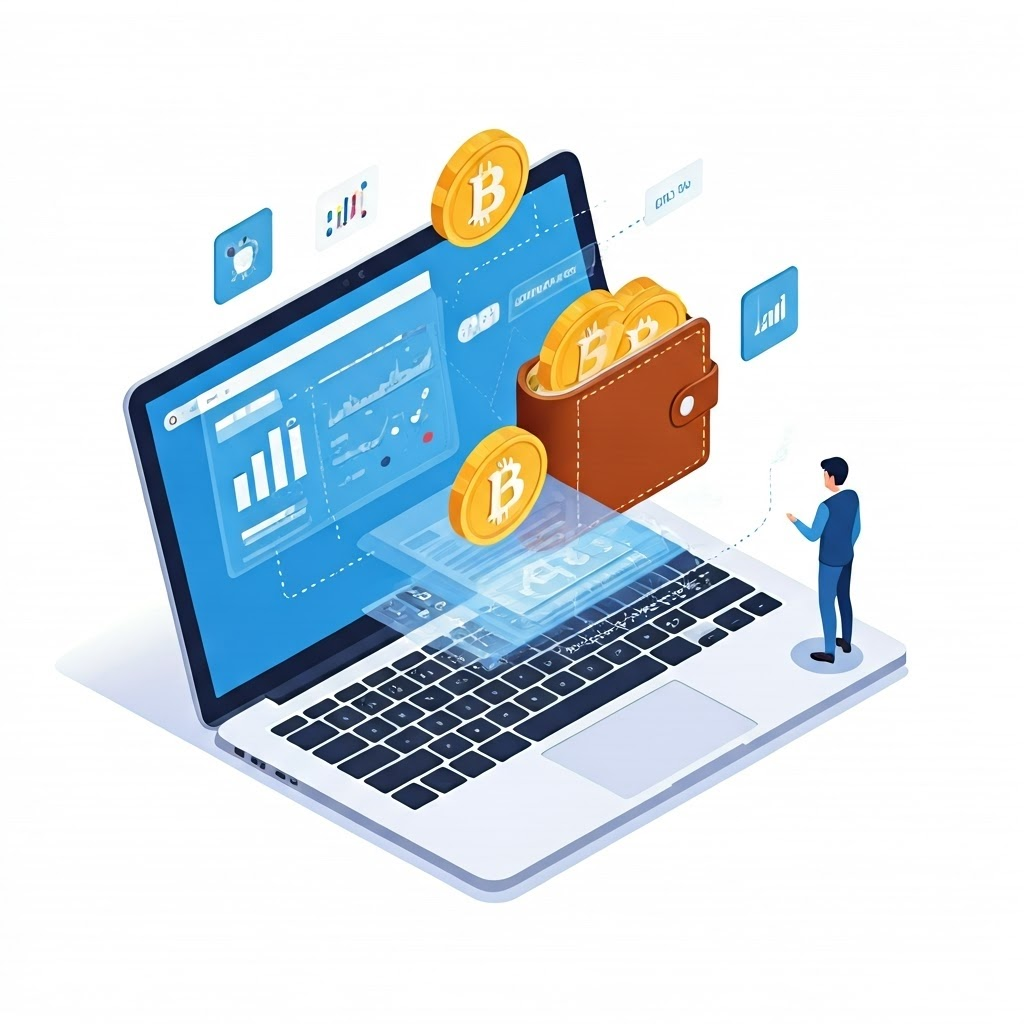
Traditional exchanges hold your money, match trades, and charge a fee. You rely on them to stay honest and solvent. A decentralized exchange, or DEX, removes that custodian. Trades happen directly from your wallet through smart contracts. Control stays with you.
Order-book DEXs imitate classic exchanges: users post bids and asks, and a contract matches them. Automated Market Makers, or AMMs, use liquidity pools to offer instant swaps. Uniswap is a well-known example. Price adjusts with supply and demand.

Think of an AMM like a snack machine that always has change. Put in one token and take out another. The formula inside keeps the pool balanced. Order books suit large trades that need precise pricing. AMMs shine for quick, small swaps.

Pros and Cons—The Comparison
Centralized exchanges offer deep liquidity and quick execution. Yet if they suffer a hack or outage, users can lose access or funds. DEXs rarely go offline and never custody your assets, but thin liquidity can make big trades costly. Trade-offs remain.

Risks and Roadblocks: Not All Smooth Sailing
Smart contracts are written by humans and can hide bugs. Exploits like the 2020 dForce hack drained millions. Users shoulder that technical risk. Code needs audits.
Liquidity can dry up on smaller DEXs, causing sharp price swings. Regulation also looms. Rules vary by country and can change overnight. Finally, there is no undo button. Send funds to the wrong address, and they are gone.
Still, blockchains lower barriers for anyone with an internet connection. A teenager in Lagos, a shop owner in Jakarta, and a retiree in Berlin can now access the same global markets. The road is rough, yet the opportunity is vast—and the world is watching.
