
What Is Heat, Really?
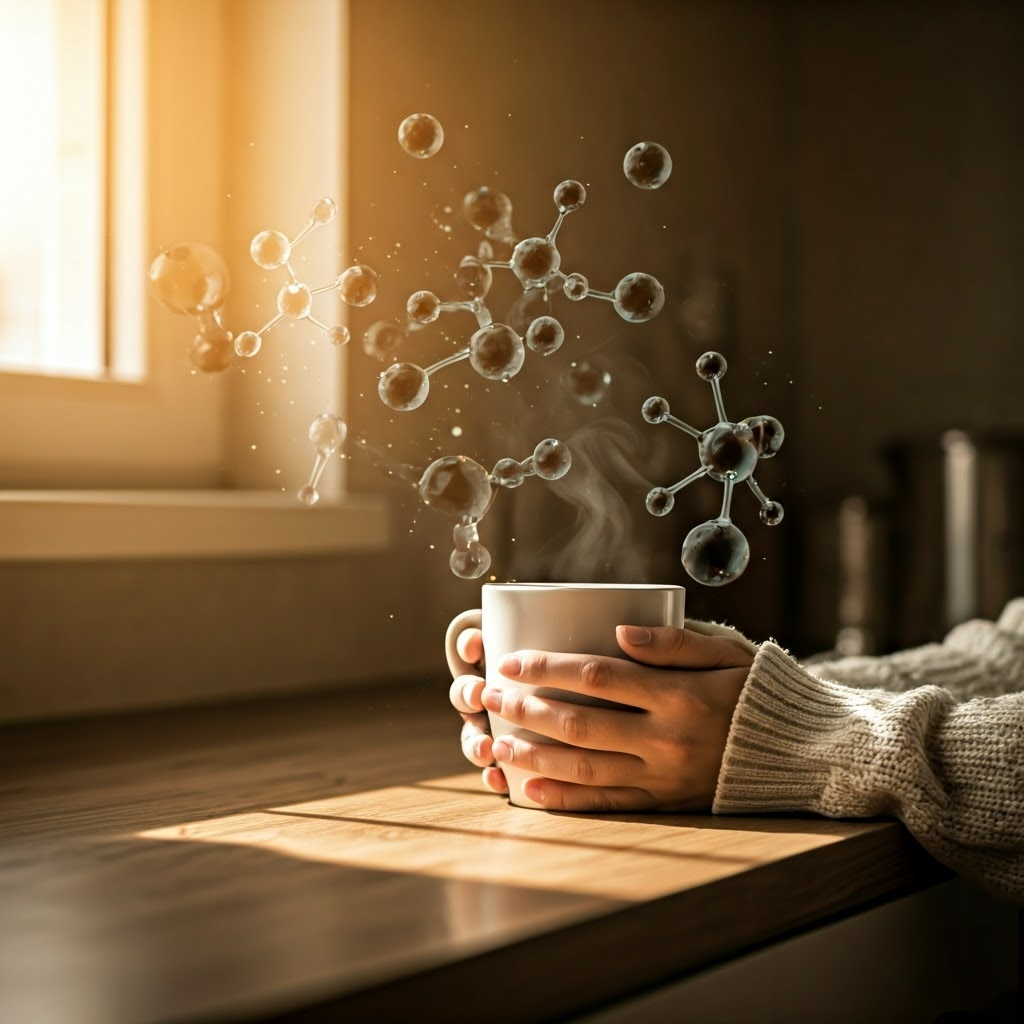
Heat is energy on the move. It flows from something warmer to something cooler. When you grab a hot mug, the fast-moving molecules in the mug bump into the molecules in your skin and pass that energy along.

Temperature tells you how fast molecules wiggle, while heat tells you how much total energy is moving. A big bucket of lukewarm water can hold more heat than a tiny cup of very hot coffee because it has many more molecules to store energy.

Touch a metal spoon and a wooden spoon left out together. They share the same temperature, yet metal feels colder. Metal pulls energy from your hand quickly, so your nerves register a chill even though both spoons started at the same temperature.
Measuring the Invisible: Temperature Scales
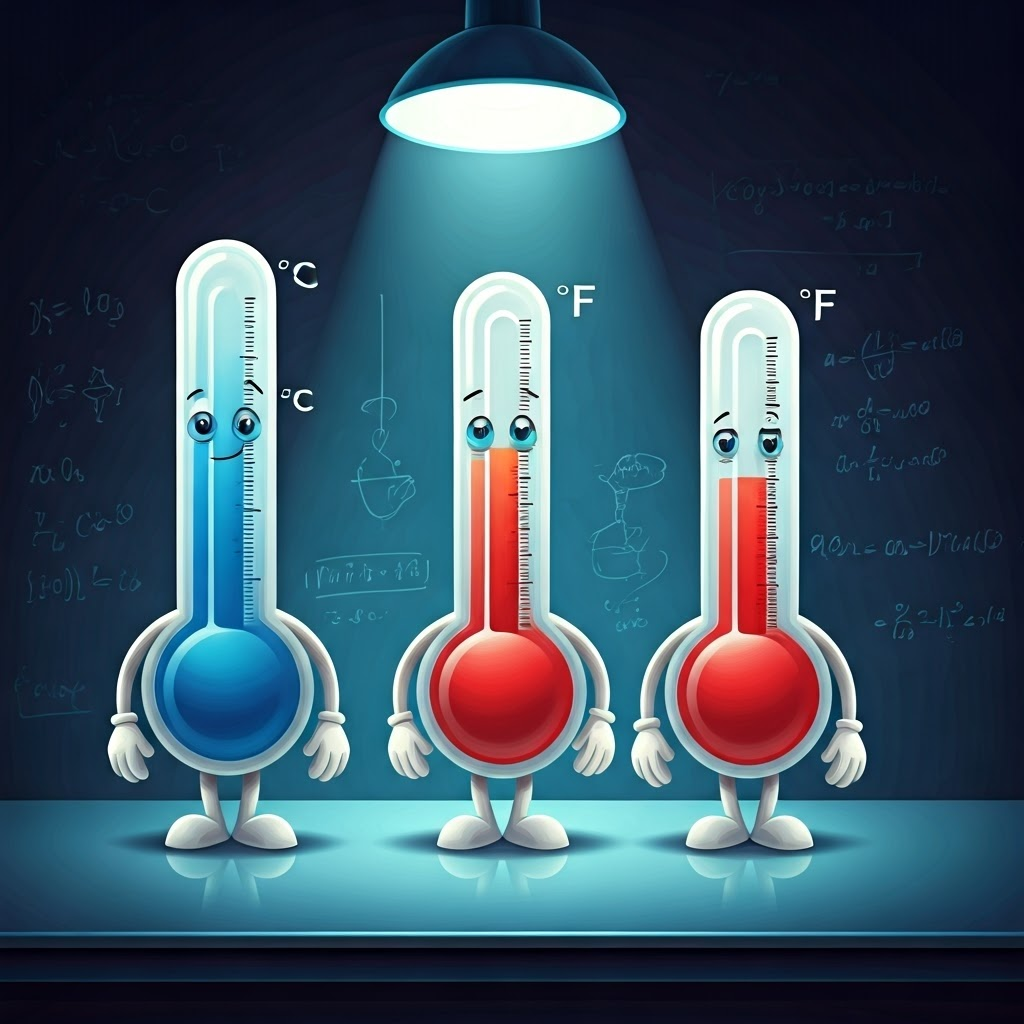
We invented temperature scales to give numbers to invisible motion. Weather reports in the U.S. use Fahrenheit. Most of the world prefers Celsius. Scientists often choose Kelvin, which starts at absolute zero so they avoid negative numbers when they calculate.
You rely on these scales daily. Refrigerators sit just above freezing, ovens reach 350 °F, and lab work uses Kelvin for clean math. Each scale is simply another way to describe molecular energy levels.
How Heat Moves: Conduction, Convection, and Radiation
Conduction moves heat by touch. A metal spoon in boiling water quickly warms your fingers because loose electrons whisk energy along. Wood conducts poorly, so it makes a safer handle.
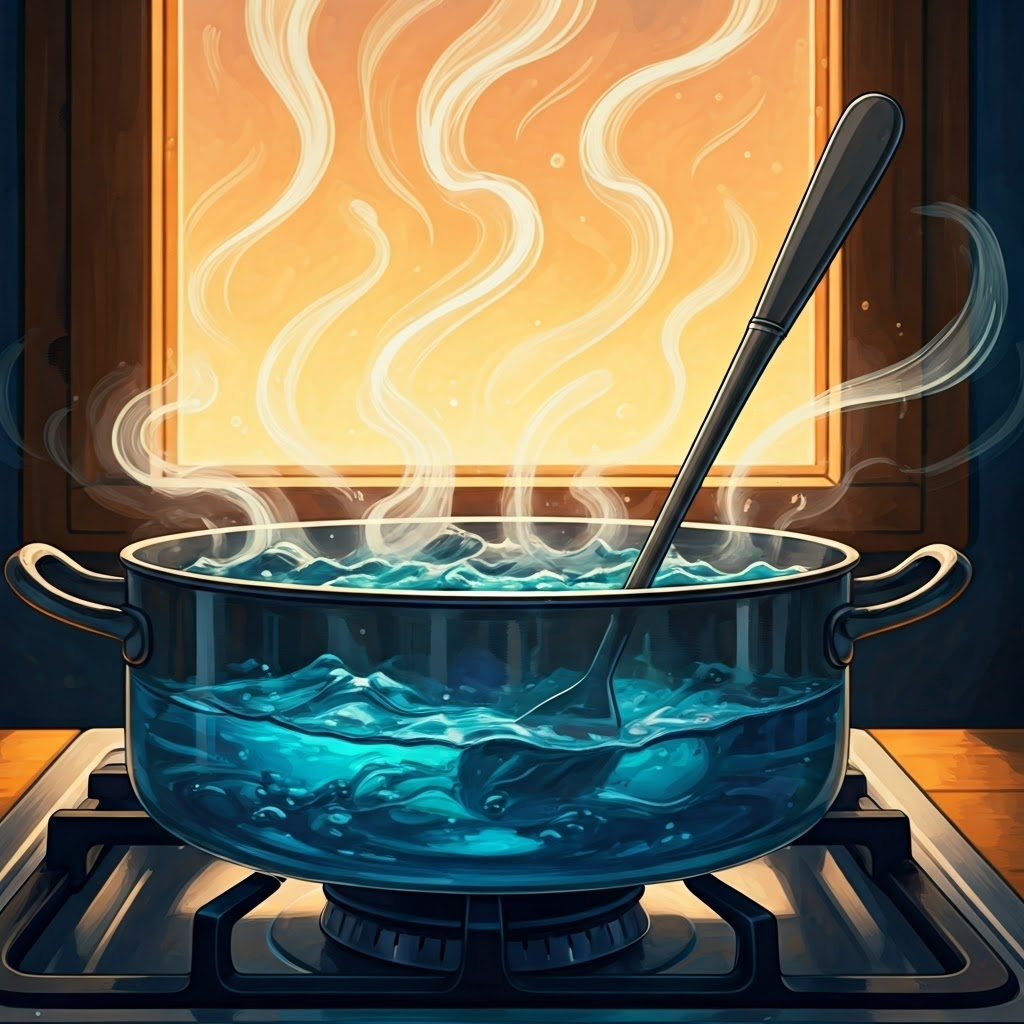
Convection moves heat when fluid itself moves. In boiling water, hot liquid rises and cooler liquid sinks, forming rolling currents. Warm air does the same—explaining why an upstairs room often feels warmer.
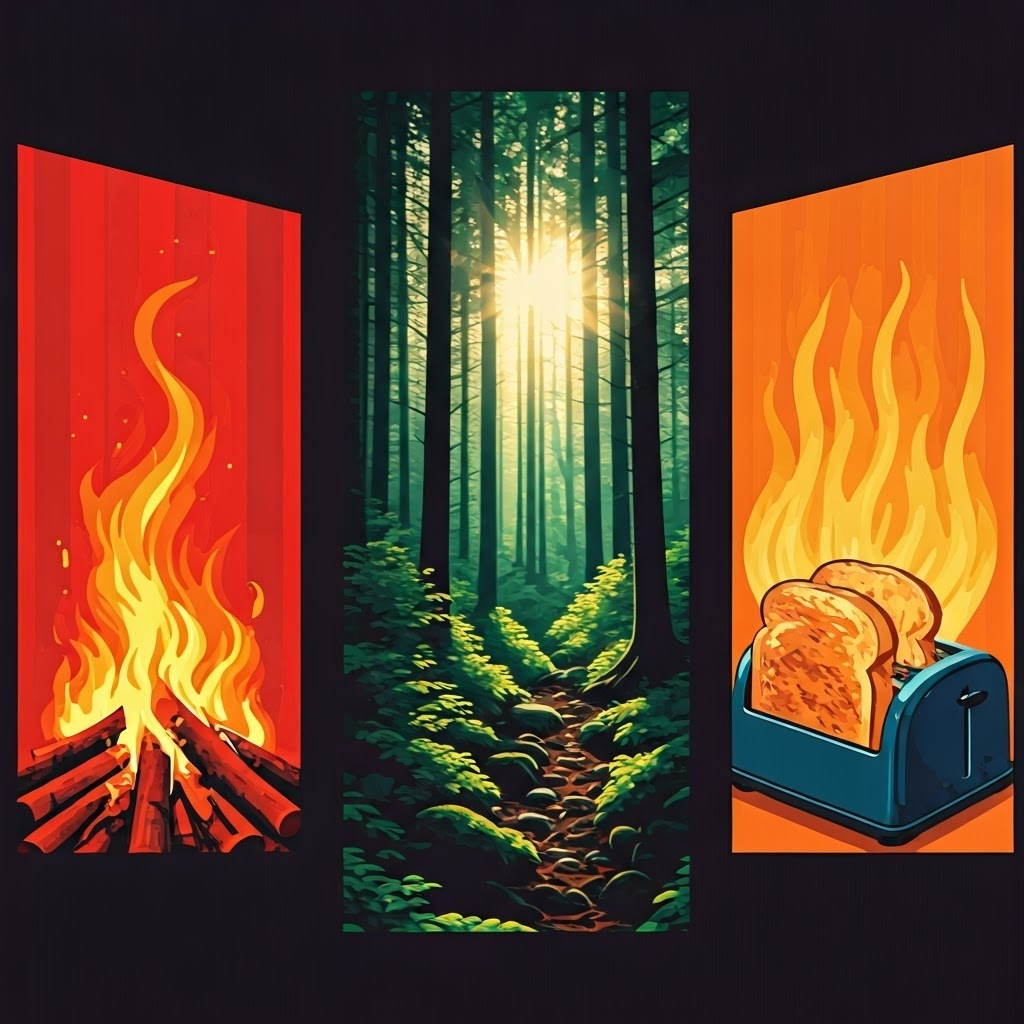
Radiation sends heat through space without contact. Sunlight and campfires warm you via infrared waves. Stand by a window on a sunny day and you feel radiant energy even if the air remains chilly.
All three pathways work together. A slice of toast cools as heat conducts to the plate, convects to the air, and radiates away as invisible light.

Blankets, Coffee, and the Flow of Heat
Blankets keep you cozy by trapping air that slows heat loss. Air is a poor conductor, so your body’s heat stays near your skin instead of leaking into the room.
Hot coffee cools for the opposite reason. Energy escapes to cooler air and to any container that conducts well. A vacuum-walled thermos limits conduction, letting the drink stay hot far longer.
Ice melts because warmer surroundings send energy inward. Metal speeds this up by conducting efficiently, while plastic slows it down. Everywhere, heat moves from warm to cool—balancing energy across your world.
