
Your Brain’s Emotional Engine Room
Your everyday life is full of emotions. They can pop up when you least expect them—fear, hope, or nostalgia from the smell of fresh bread. A group of deep-brain areas, the limbic system, drives these feelings and keeps you motivated.

Meet the Players: The Limbic System
The limbic system acts like an inner dashboard. It watches for danger, recalls memories, and sparks motivation. Each part has a role, yet they work together to guide your choices.
The Amygdala
The amygdala scans the world for threats or thrills. Your heart races before a big talk because this alarm center fires. It also reads faces, letting you spot a friend’s worry before they speak.

The Hippocampus
The hippocampus stores new memories and links them to past feelings. Hear an old song and you’re back on a childhood trip. This memory librarian adds emotional color to decisions.

The Cingulate Cortex
Think of the cingulate cortex as a traffic officer. It shifts your focus, weighs goals, and nudges you to act. When you debate homework versus sunshine, this priority setter balances duty with desire.

The Prefrontal Cortex: Your Brain’s Control Center
The prefrontal cortex sits behind your forehead. It listens to limbic signals, then plans and decides. The dorsolateral region handles working memory—like a silent planner keeping your mental shopping list.

The ventromedial part guides emotion-based choices, such as whether to start a tough talk. The orbitofrontal region tallies rewards and risks before you splurge or save.

Self-Control
When you want to shout in anger yet stay silent, the prefrontal cortex reins in limbic urges. This brake system lets you pause, think, and act on long-term values.

Executive Functions in Daily Life
Stuck in traffic? The amygdala sparks frustration. A calm breath lets the prefrontal cortex find a new route. This teamwork shifts you from raw emotion to clear action.

How Feelings and Thoughts Talk to Each Other
Emotion and reason chat nonstop. The limbic system sends urges; the prefrontal cortex decides what to do. Their conversation shapes every reaction.

Anger after an argument lights the amygdala. A short pause lets thinking brain ask, “What result do I want?” This top-down control cools the heat.

Intense feelings can flood the prefrontal cortex, making clear thought hard. That’s the classic “I can’t think straight!” moment.

Practice helps. Techniques like reappraisal—seeing a setback as a lesson—strengthen links between thinking and feeling areas, building resilience.
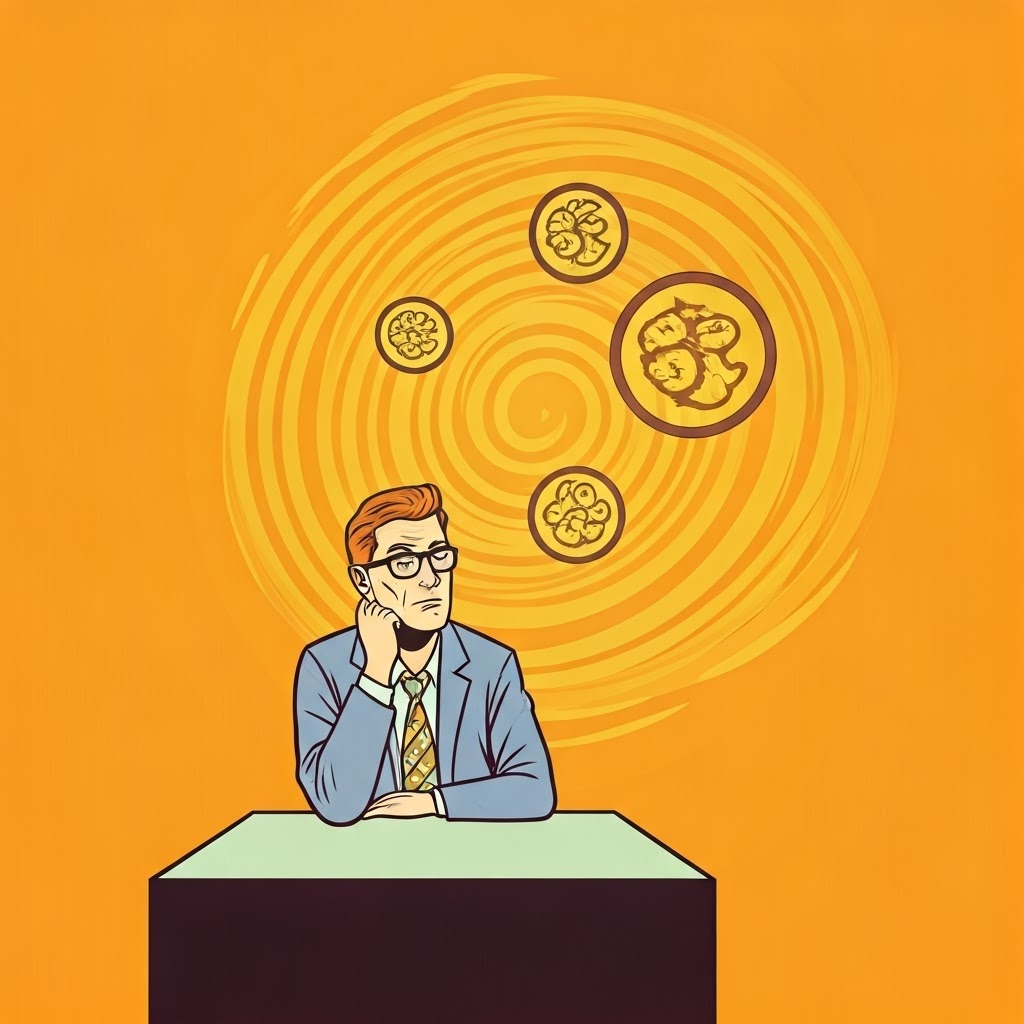
Everyday Decisions, Big and Small
Choosing lunch shows the full circuit. The amygdala craves sugar. The prefrontal cortex recalls health goals. The hippocampus remembers last week’s sluggish afternoon. The cingulate juggles it all, guiding a balanced pick.
Conclusion
Seeing procrastination or overreaction as a clash of brain systems—not personal flaws—adds kindness to self-talk. Know how they work, and you can tweak habits and grow with patience.
