
Cracks in the Concrete: The System Starts to Slip
Stuck in Place: The Soviet Economy Hits a Wall
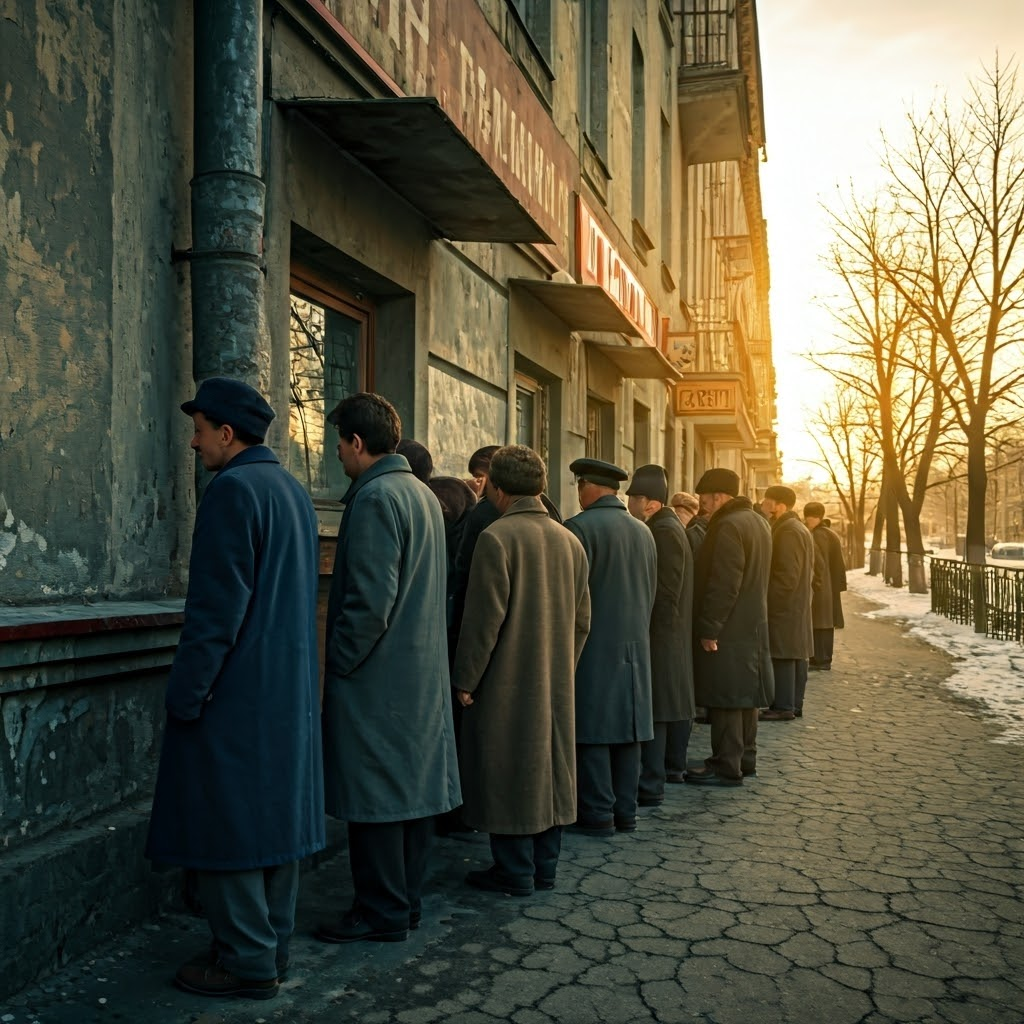
Picture waiting hours in a bread line and still walking home empty-handed. This scene was common across the Soviet Union in the early 1980s. The state looked strong during military parades, yet everyday life told a different story—an economy stuck in slow motion.
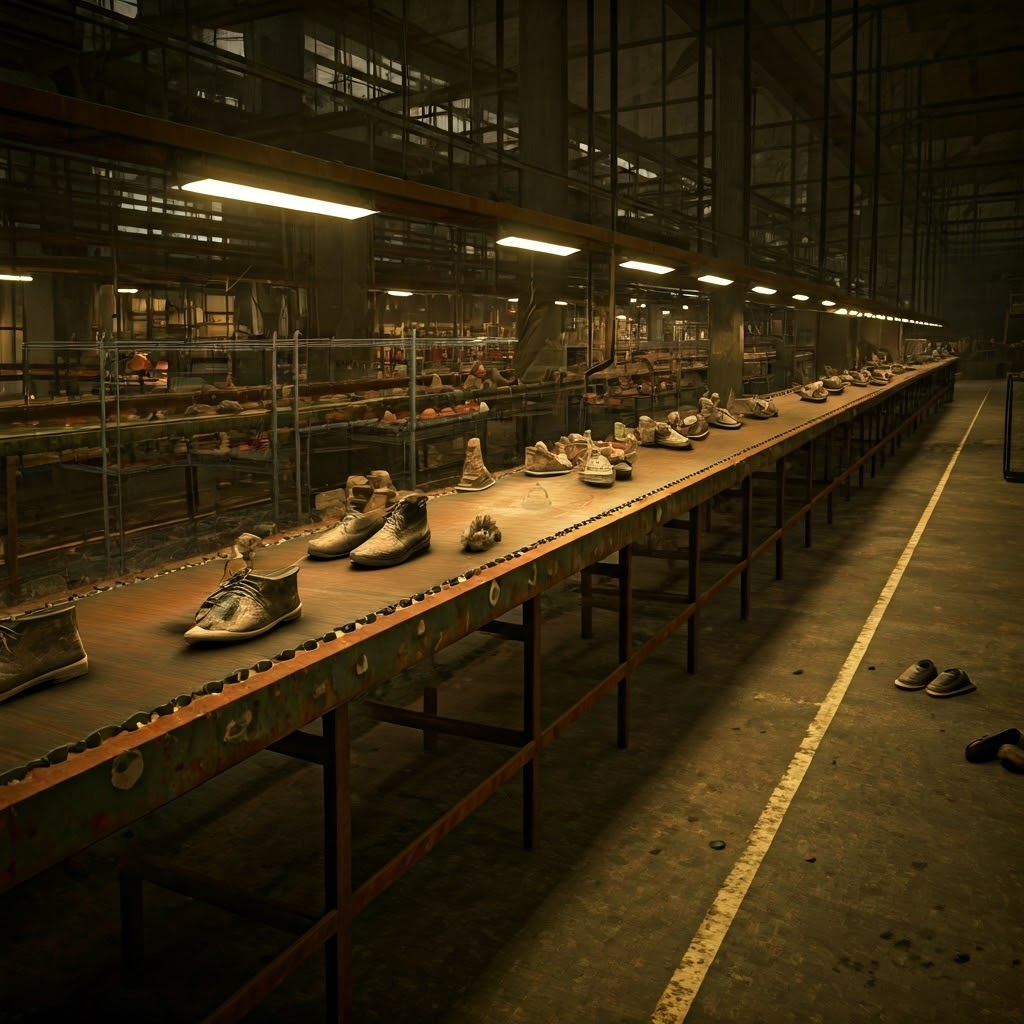
Factories chased numbers, not needs. Managers met quotas for shoes or tractors, but sizes and quality missed the mark. Shoppers faced shortages every day, so favors and patience became survival tools. People joked, “We pretend to work; they pretend to pay,” because wages meant little without goods.

Leaders poured resources into heavy industry while the world raced ahead with new tech. By the 1980s the USSR still relied on 1950s punch cards. On collective farms, low rewards killed motivation. Even basic items like meat or soap were rare, feeding a quiet, growing frustration.
Gorbachev’s Gamble: Perestroika and Glasnost
Mikhail Gorbachev arrived with fresh energy. He believed socialism could work if repaired quickly. His flagship policy, perestroika, aimed to loosen state control, reward hard work, and allow tiny private ventures. Yet shifting rules confused owners, and powerful managers stalled change to keep their perks.
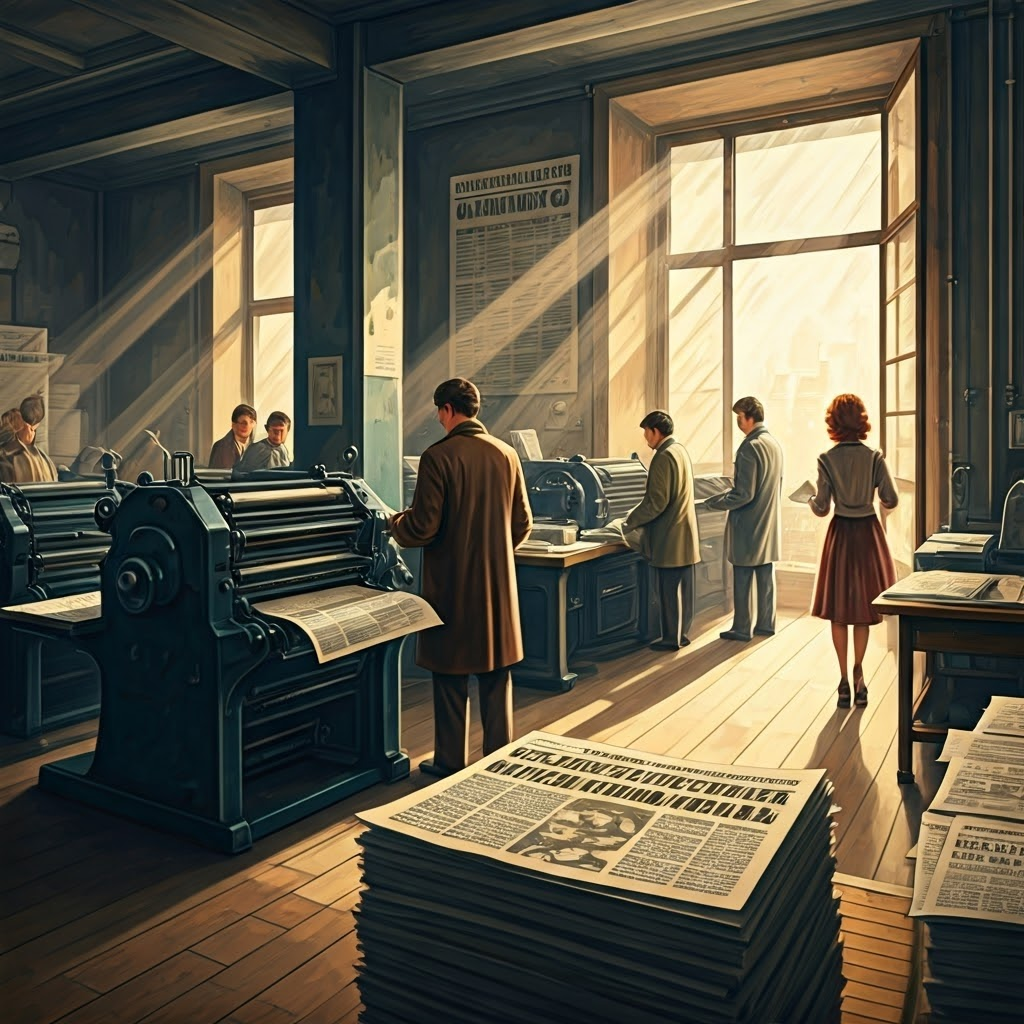
Glasnost—meaning openness—took on politics. Newspapers could finally expose corruption and past disasters. Citizens tasted truth after decades of censorship. Some celebrated, others feared the pace, but once the window opened, nobody could shut it without a fight.
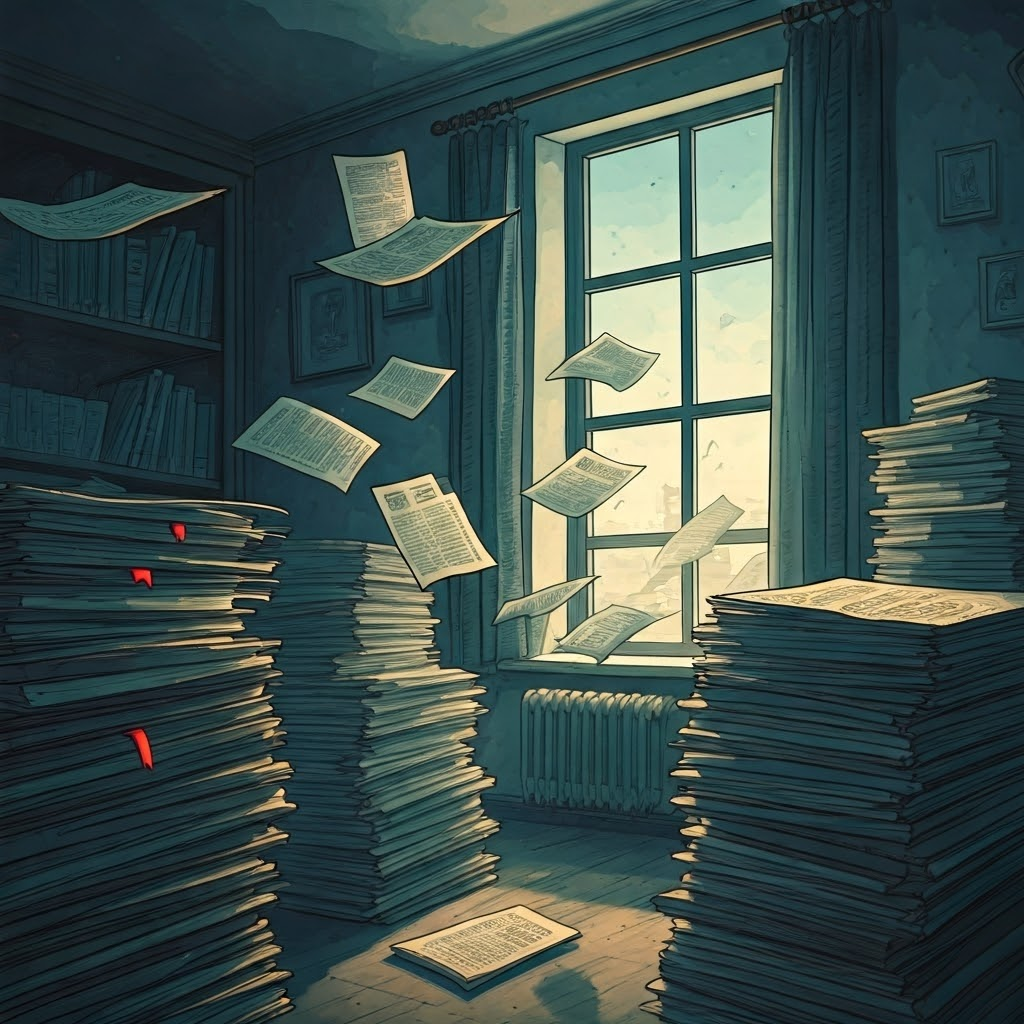
Hidden stories flooded out. Reports on pollution, famine, and gulags shocked readers. Fresh honesty inspired calls for faster reform. Yet the same openness sparked anxiety—many wondered what else lay buried. Uncertainty spread as each revelation chipped at faith in the system.
Chernobyl: When Disaster Became Political
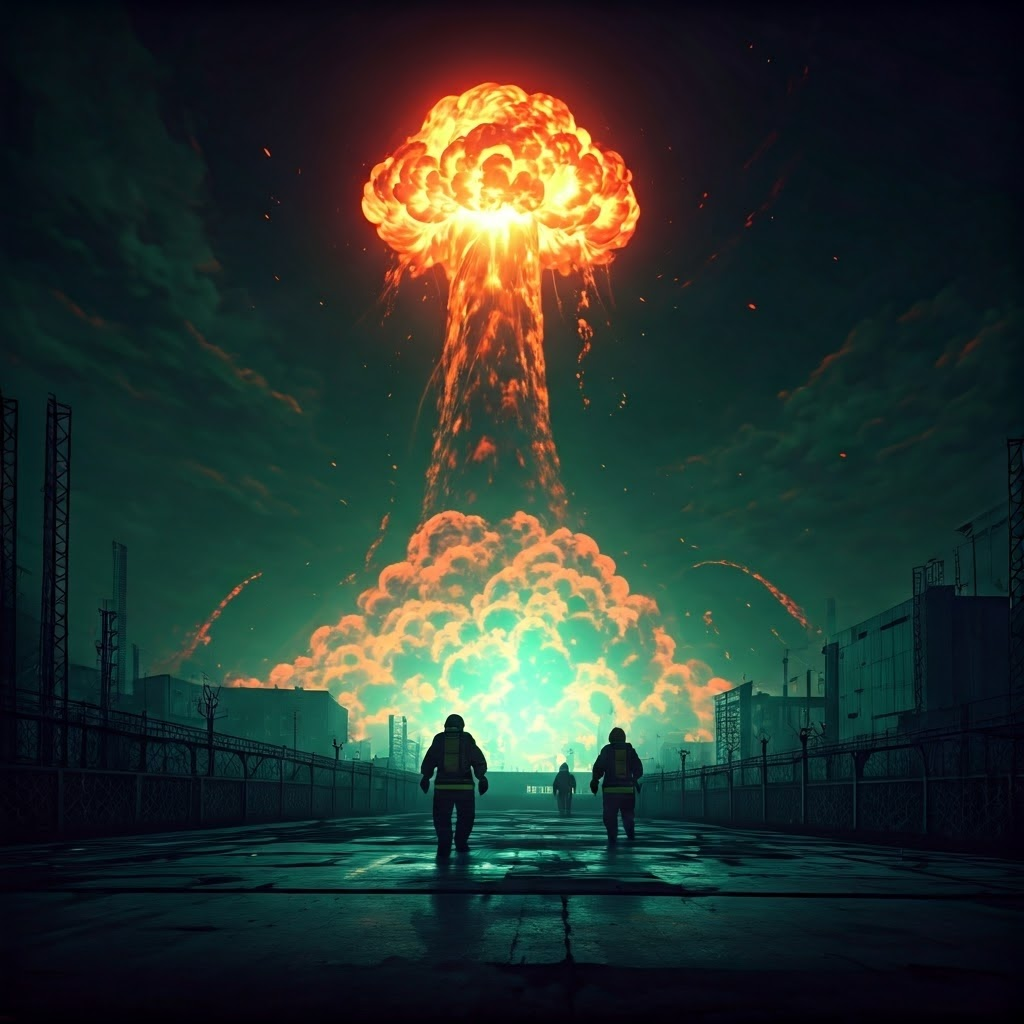
In April 1986 reactor four at Chernobyl blew apart. Firefighters faced deadly radiation they could not see. The blast scattered toxic dust across Europe. The tragedy exposed deadly neglect inside Soviet safety culture and shook public confidence like never before.

Officials delayed evacuation and hid facts. Sweden’s radiation alarms forced the truth into daylight days later. Parents learned their children had played outside under invisible poison. The cover-up shattered remaining trust—people realized image often mattered more than lives.
Connecting the Dots: Big Trouble, Bigger Change
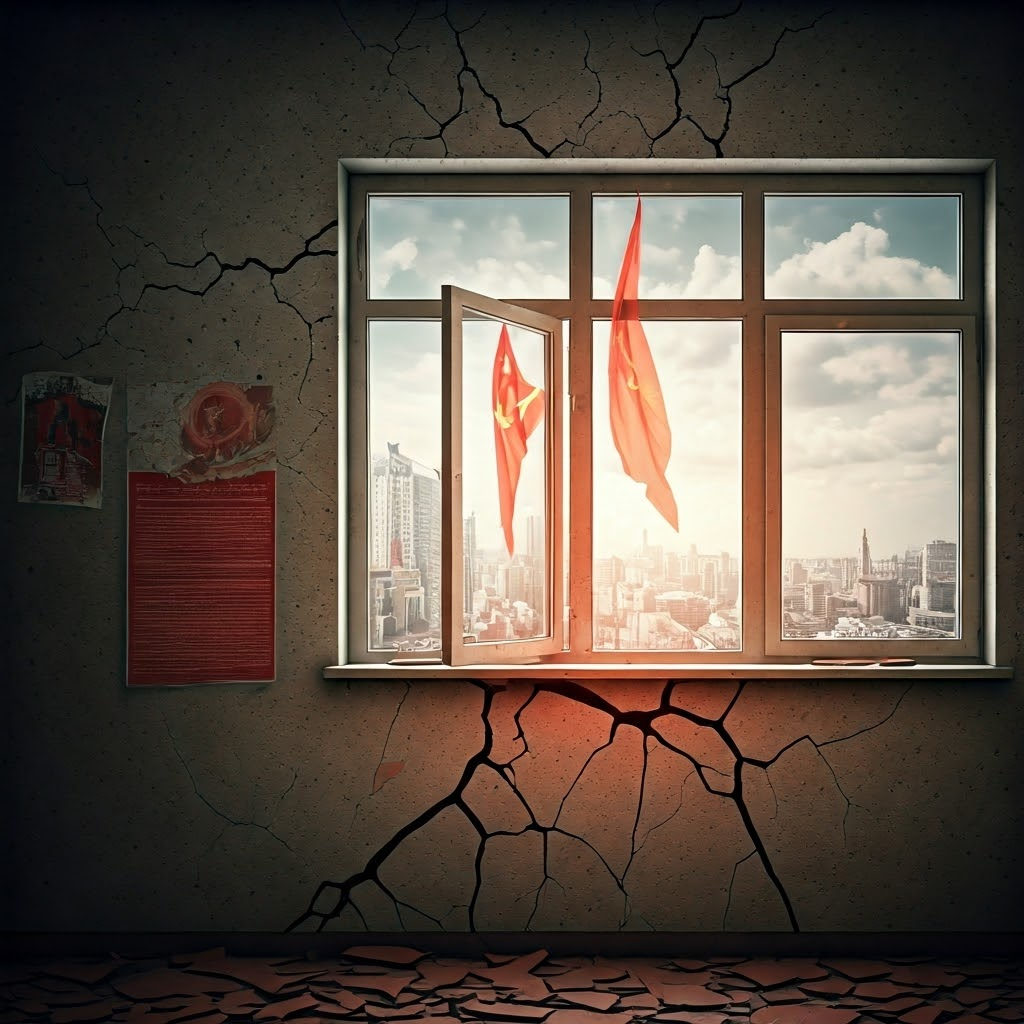
By the late 1980s the USSR resembled an old building full of cracks. Shortages drained patience, reforms stirred confusion, and disasters like Chernobyl revealed deep rot. Many sensed that change was urgent yet risky. Gorbachev accelerated reforms, but each fix exposed wider faults, setting the stage for upheaval no one could control.
