
When the World Changed Overnight: The Late Bronze Age Collapse
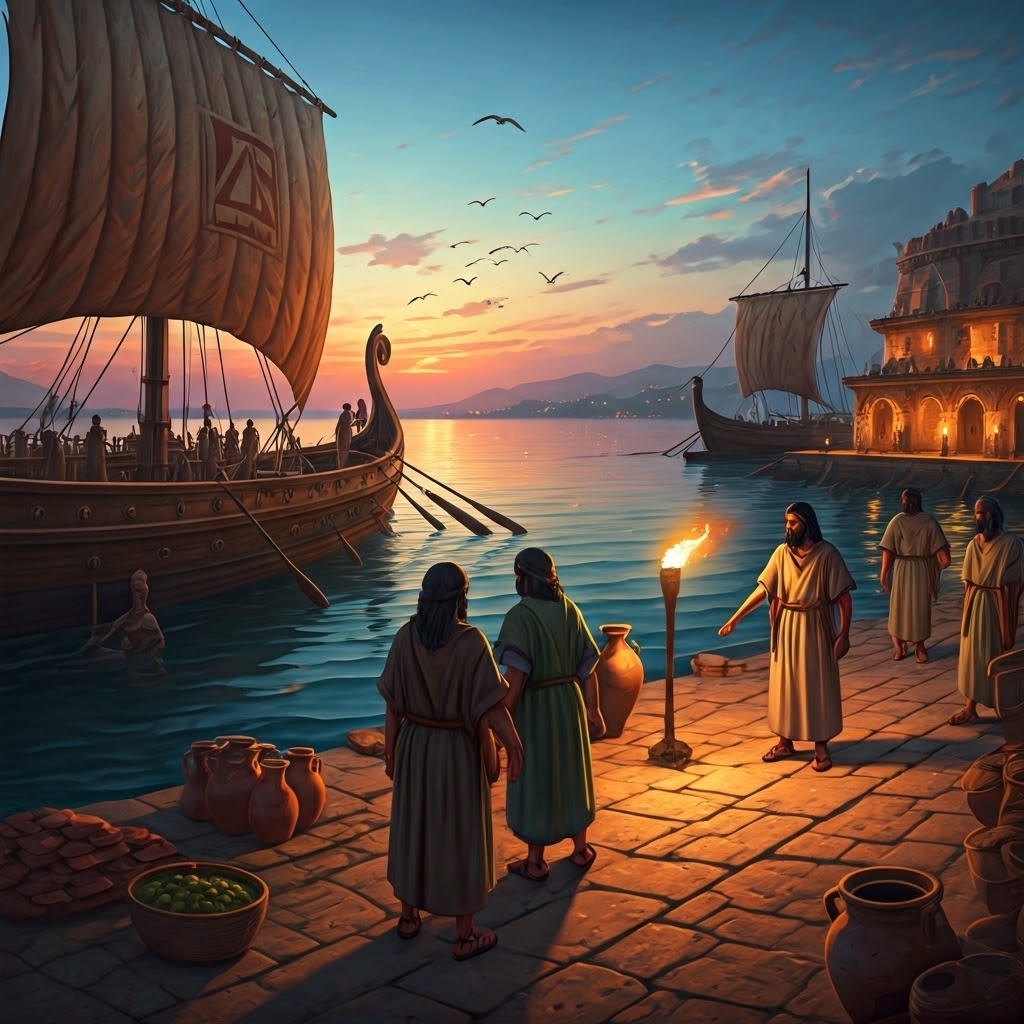
A Connected World, Then and Now
Picture the eastern Mediterranean 3,300 years ago. Kingdoms such as Egypt, Babylon, the Hittites, Mycenaean Greece, and Canaanite cities formed an interconnected web. Pharaohs traded letters with Babylonian kings. Merchants moved copper, tin, wine, and olives along sea routes. Shared pottery and chariots spread quickly. Local crises rippled across the network, much like today.
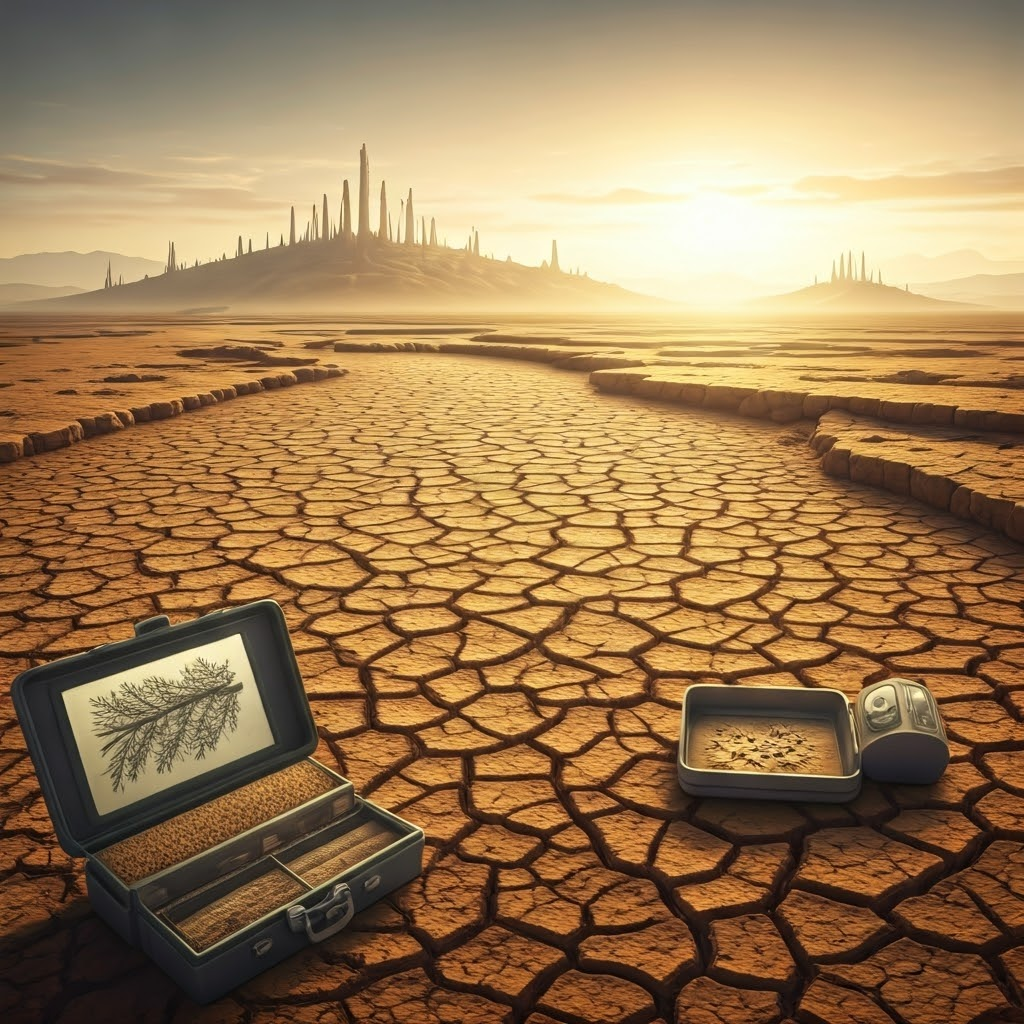
Storms, Droughts, and the Limits of Nature
Bronze Age wealth depended on steady weather. Around 1200 BCE, lakebed pollen shows fewer wet-loving plants and more drought grasses. Kings of Ugarit begged for grain as famine grew. Drought ruined harvests and weakened states. Frequent earthquakes toppled palaces, blocking repairs. With crops failing and buildings broken, rulers lost control.
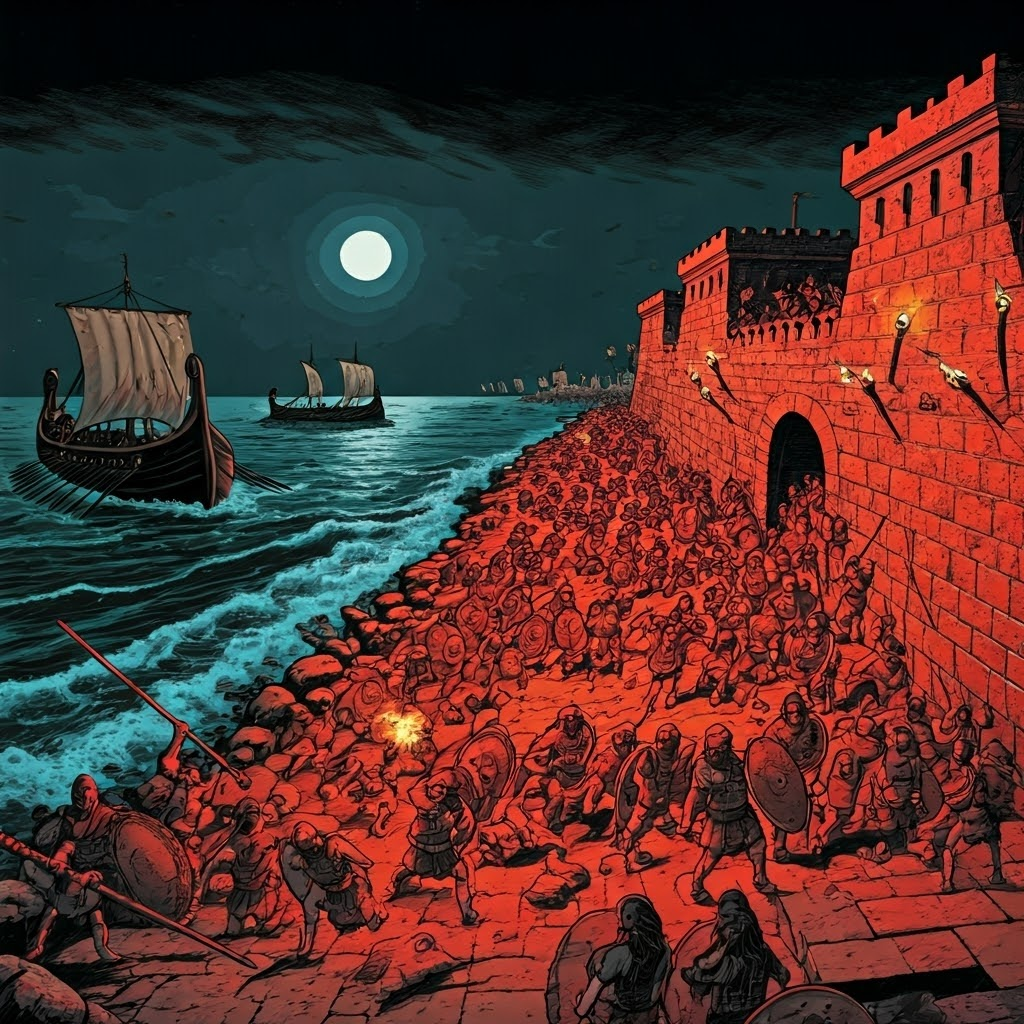
Enemies at the Gates: Invasion and Upheaval
As climates strained kingdoms, new dangers arrived. Groups later called the Sea Peoples raided from Anatolia and the Aegean. Burned layers at Hattusa and reliefs at Medinet Habu prove the assaults. Inside each realm, revolts and rival elites split society. This mix of invasion and rebellion overwhelmed defenses almost overnight.

Trade Stops, Societies Stumble
States needed trade for grain, metals, and tools. War and drought halted ships and caravans. Tin vanished, so bronze tools wore out. Hunger and unemployment spread from palaces to farms. Taxes fell, eroding royal power. Crowds of refugees gathered at city gates. Without commerce, every social and economic link snapped.
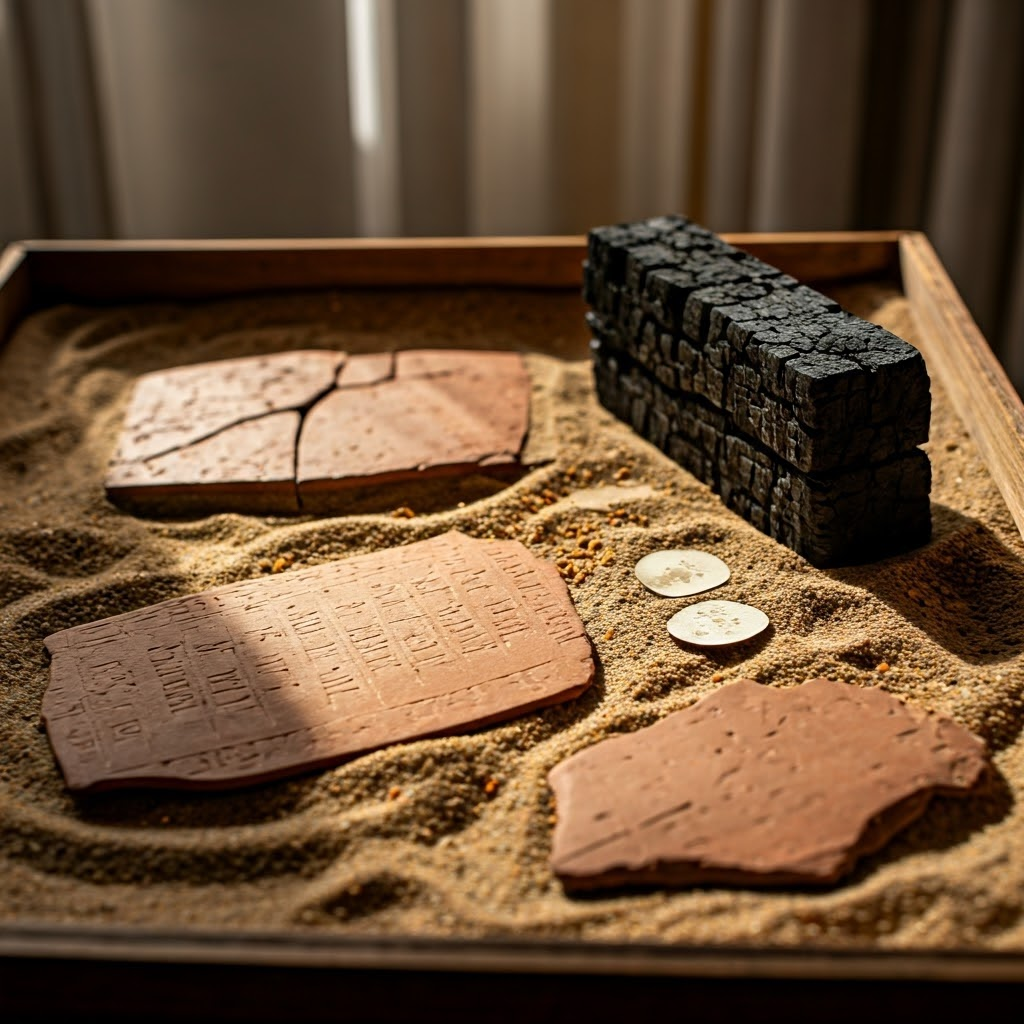
Piecing Together the Puzzle: What We Know (and Don’t)
Scholars still debate the collapse. Jared Diamond stresses climate stress. Joseph Tainter blames unsustainable complexity. Tablets, pollen, and charred ruins offer clues yet many gaps remain. Some suggest epidemics, others focus on network fragility. The episode reminds us that multiple pressures can combine to break even advanced systems.
