
Crossing Borders: How Faiths Traveled

People once crossed oceans and deserts not just for silk or spices but to share their faith. Wooden ships creaked toward the horizon while camel caravans traced dusty trails, all driven by a single idea: bring belief to new lands and hearts.
Setting Sail: The Drive to Spread Belief
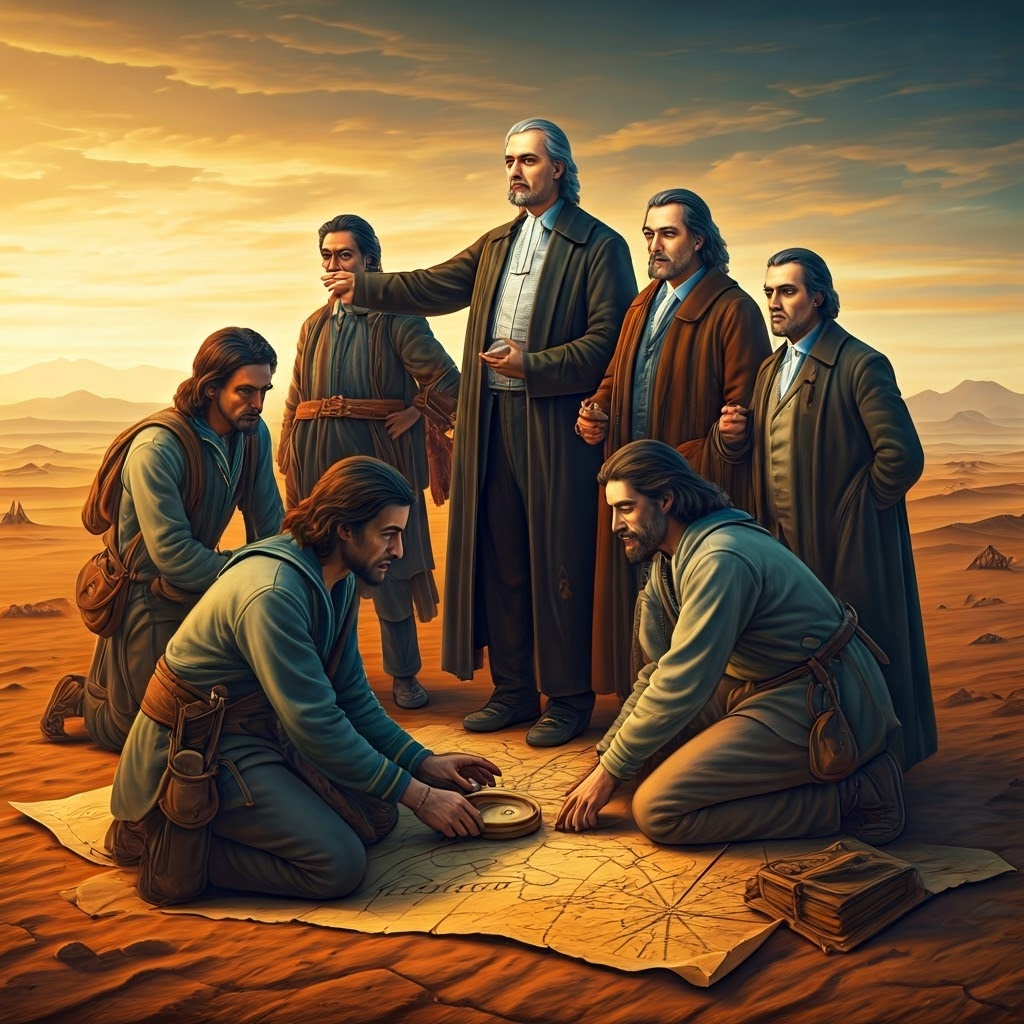
Catholic orders—Franciscans, Dominicans, Jesuits—left Spain and Portugal dreaming of distant souls. A young Jesuit might brave storms and sickness, hoping to guide others toward salvation. After the Reformation, Protestant groups joined in. Dutch ministers sailed for Indonesia, while Anglicans and Moravians aimed for the Caribbean and North America, eager to plant what they saw as pure religion.
On other routes, Sufi teachers linked villages across the Sahara and Indian Ocean. People trusted these travelers for their gentle, personal style. Meanwhile, Jewish merchants—driven out by persecution—built new lives from Amsterdam to Recife. They sought safety and community while carrying long-held traditions wherever they went.

On the Road: Routes and Realities
Catholic and Protestant voyages turned the Atlantic into both highway and hazard. Months at sea meant spoiled food, tempests, and disease. Once ashore, missionaries hurried to learn local tongues. Friar Bernardino de Sahagún mastered Nahuatl in Mexico and recorded Aztec culture alongside Christian teachings.
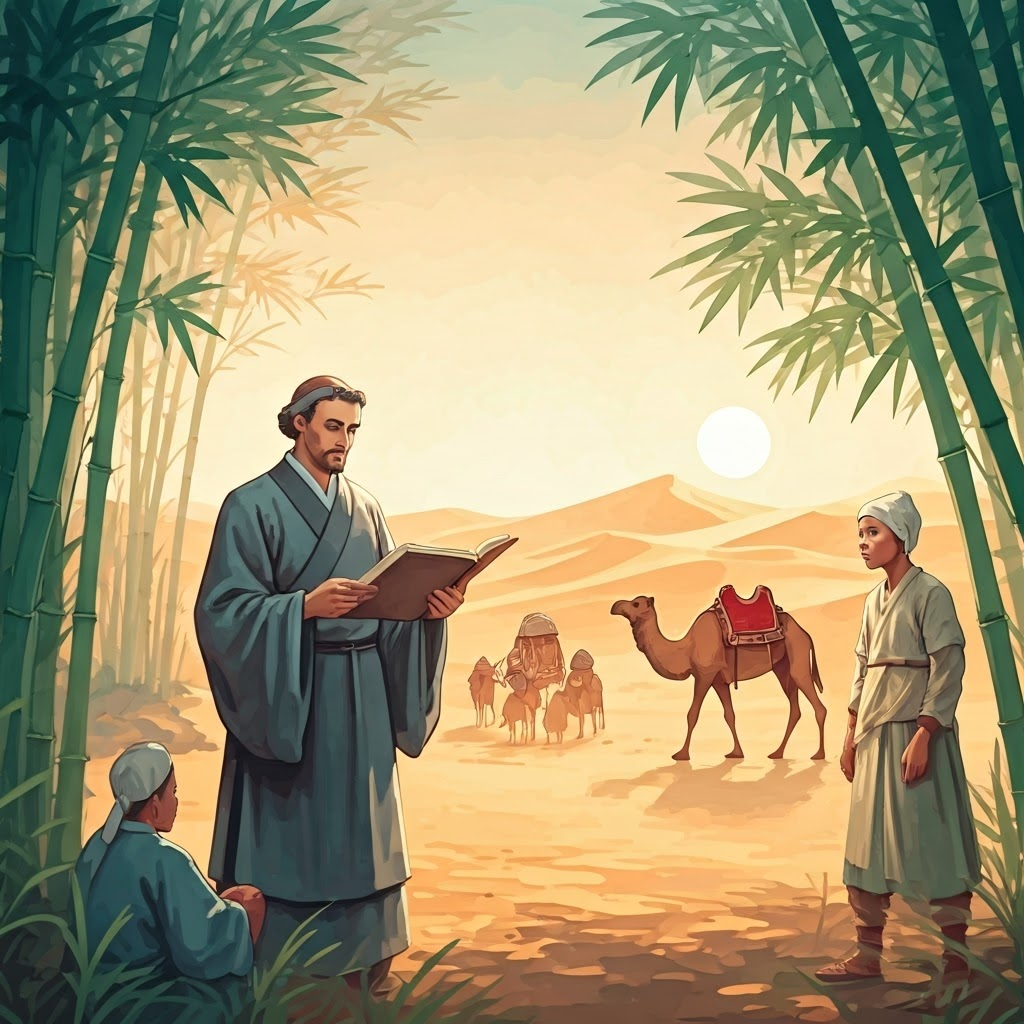
Jesuit Matteo Ricci faced similar hurdles in China. He labored over characters, finally printing a catechism in Beijing. Islamic networks relied on desert lodges and coastal ports instead of big ships. The Sahara held Sufi rest houses where travelers met, prayed, and exchanged news.
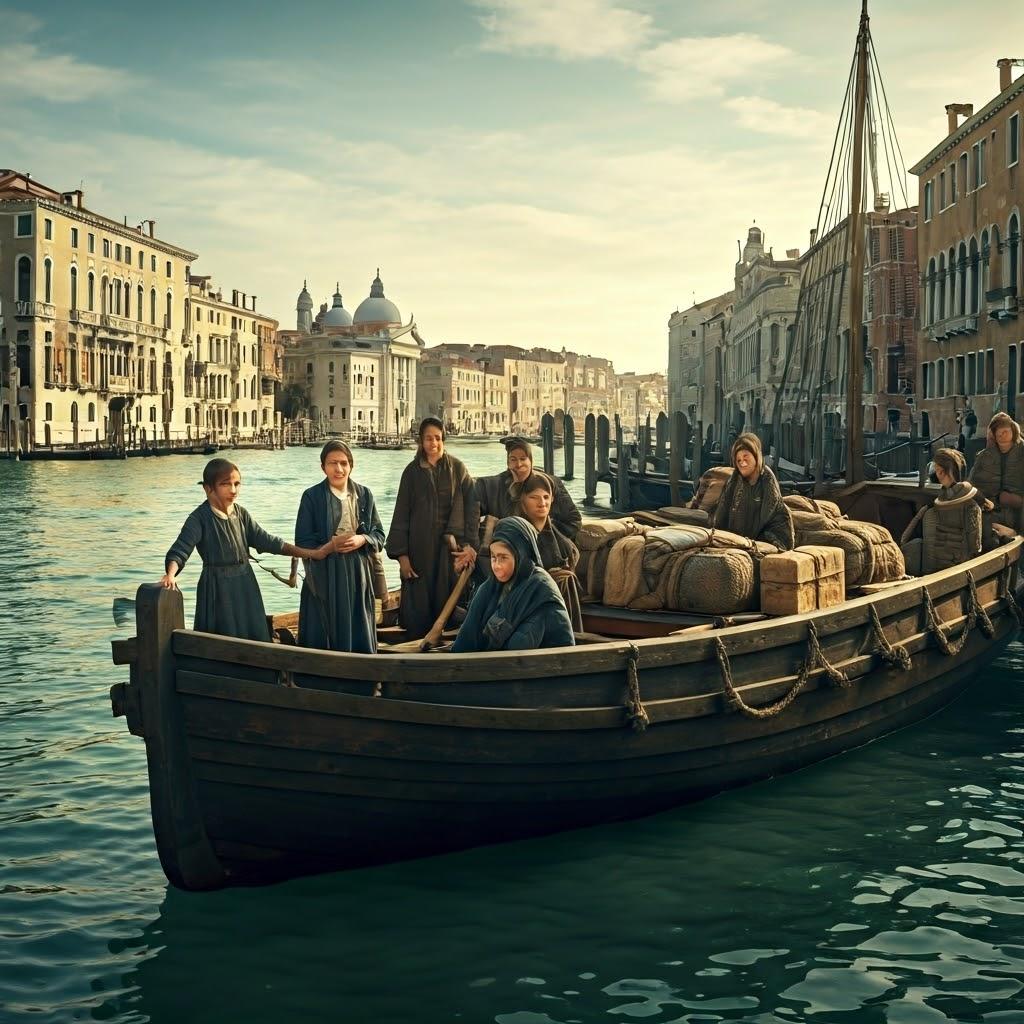
After Spain expelled its Jews in 1492, families resettled in Istanbul, Venice, Amsterdam, and the Caribbean. They became translators, bankers, and merchants, building webs of support that spanned seas—like a modern network of relatives trading favor and information.
Every journey held obstacles: strange foods, unfamiliar speech, wary rulers. A Jesuit might be welcomed in Japan, then declared illegal overnight. Jewish merchants thrived in Brazil until laws shifted. Sufi teachers could nurture one town for years, only to flee drought or hostile chiefs.
Networks and Diasporas: Faiths in Motion

Survival depended on networks. Catholic and Protestant groups shared letters that guided strategy and funding. Sufi chants sounded the same from Morocco to India, offering instant familiarity. The Jewish diaspora leaned on festivals and family ties to stay united, even in distant cities.
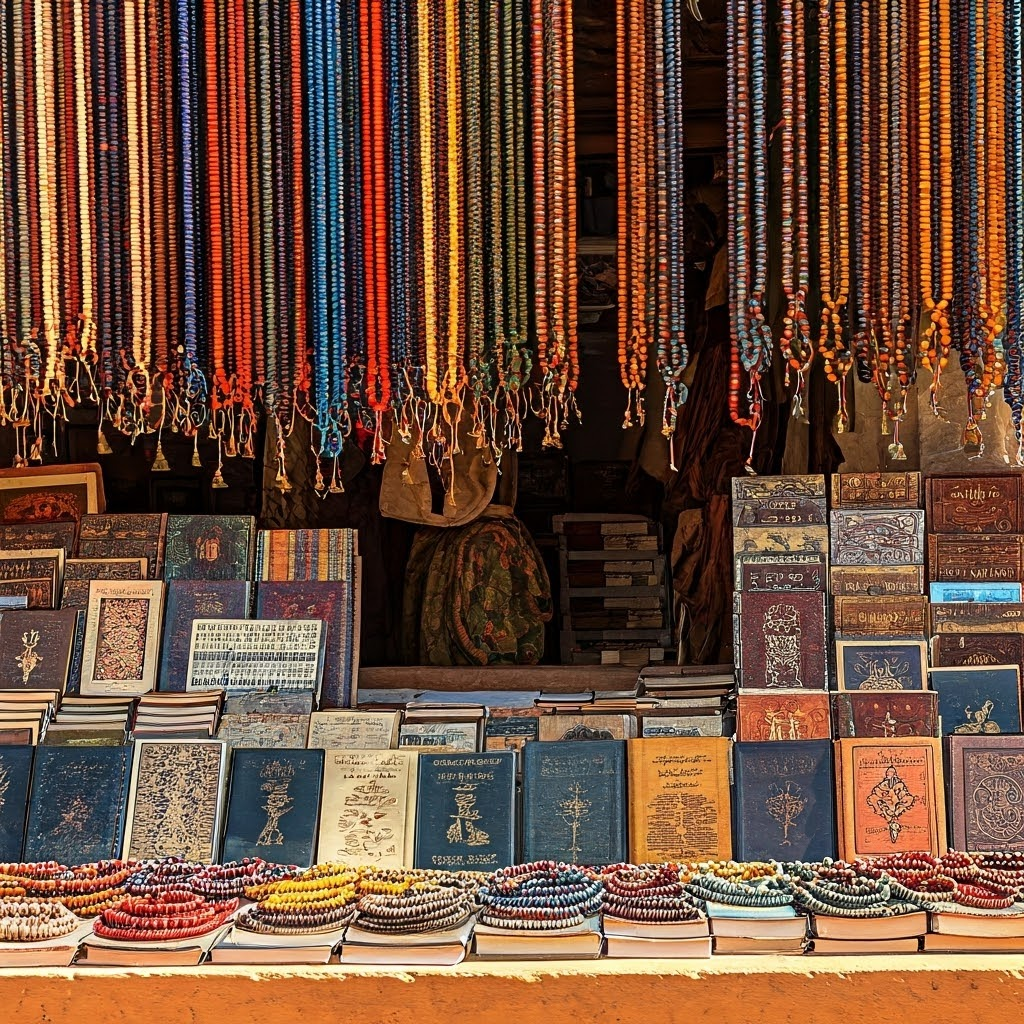
Networks also meant adaptation. Crypto-Jews in Portuguese Brazil practiced secretly while posing as Christians. Sufi orders blended local customs into their rites. Trade stalls became meeting points where faith acted as a password for trust, credit, and mutual aid.
When Faiths Met
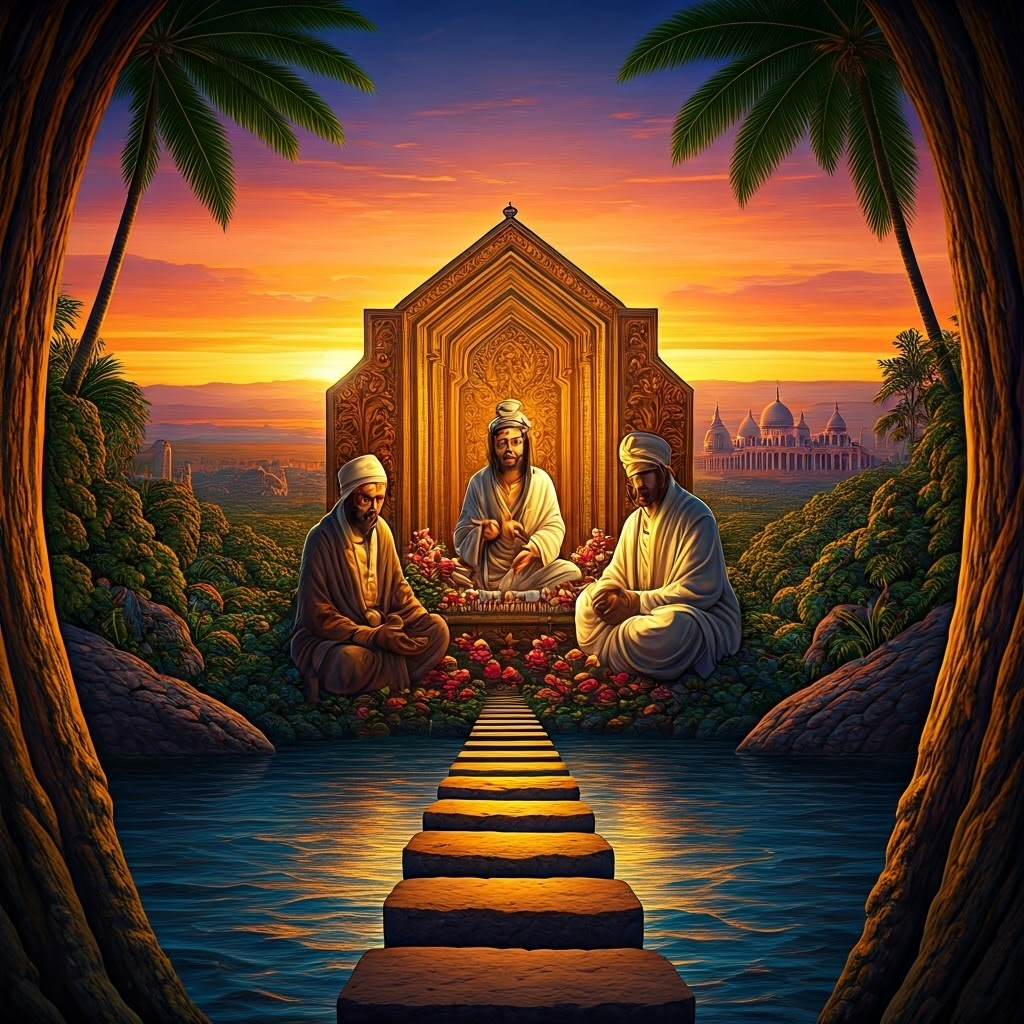
No belief traveled alone. Missionaries landed in places with deep traditions. Sometimes they tried to replace older ways; other times they compromised. Catholic saints mixed with indigenous gods in Mexico, while East African Islam absorbed local spirituality—moments of creative fusion amid tension.
The Human Map
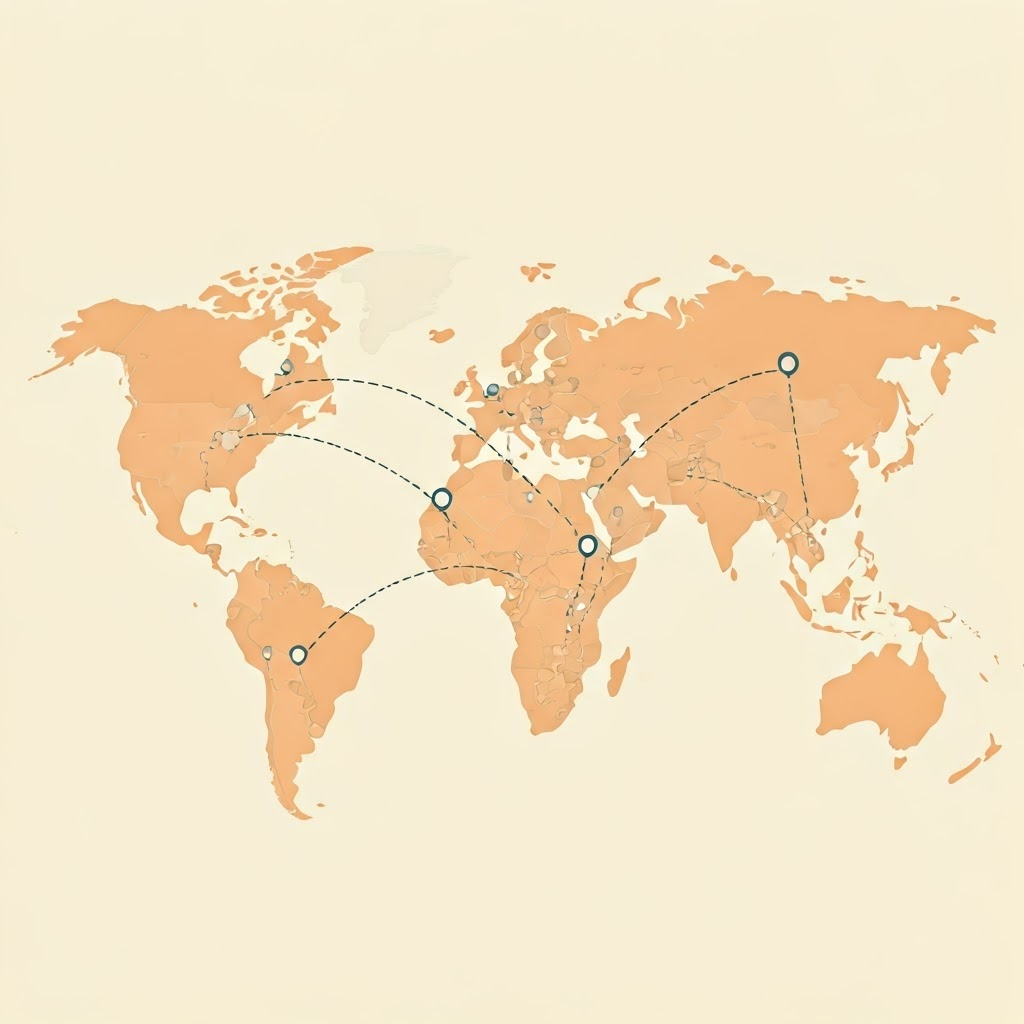
Every map of faith’s journey shows two constants: routes and relationships. Belief traveled by ship, camel, and whispered word, yet it endured because people forged ways to belong to something larger than themselves—echoes of those migrations still shape our shared world today.
