17 min read  •  14 min listen

Faith & Learning

How Religion Shaped Ideas, Institutions, and Everyday Life in Medieval Europe

Faith & Learning

AI-Generated

April 29, 2025

Ever wondered how faith shaped the way people learned, argued, and built the world around them? Step into a time when monks, popes, and poets changed the rules of knowledge, and see how their ideas still echo today.


Power, Reform, and the Rise of New Orders

Imagine medieval Europe. The pope held unmatched authority, owning vast lands while shaping daily life. Yet local kings tried to bend the Church to their will, mixing faith with politics. Authority felt confusing for ordinary believers.
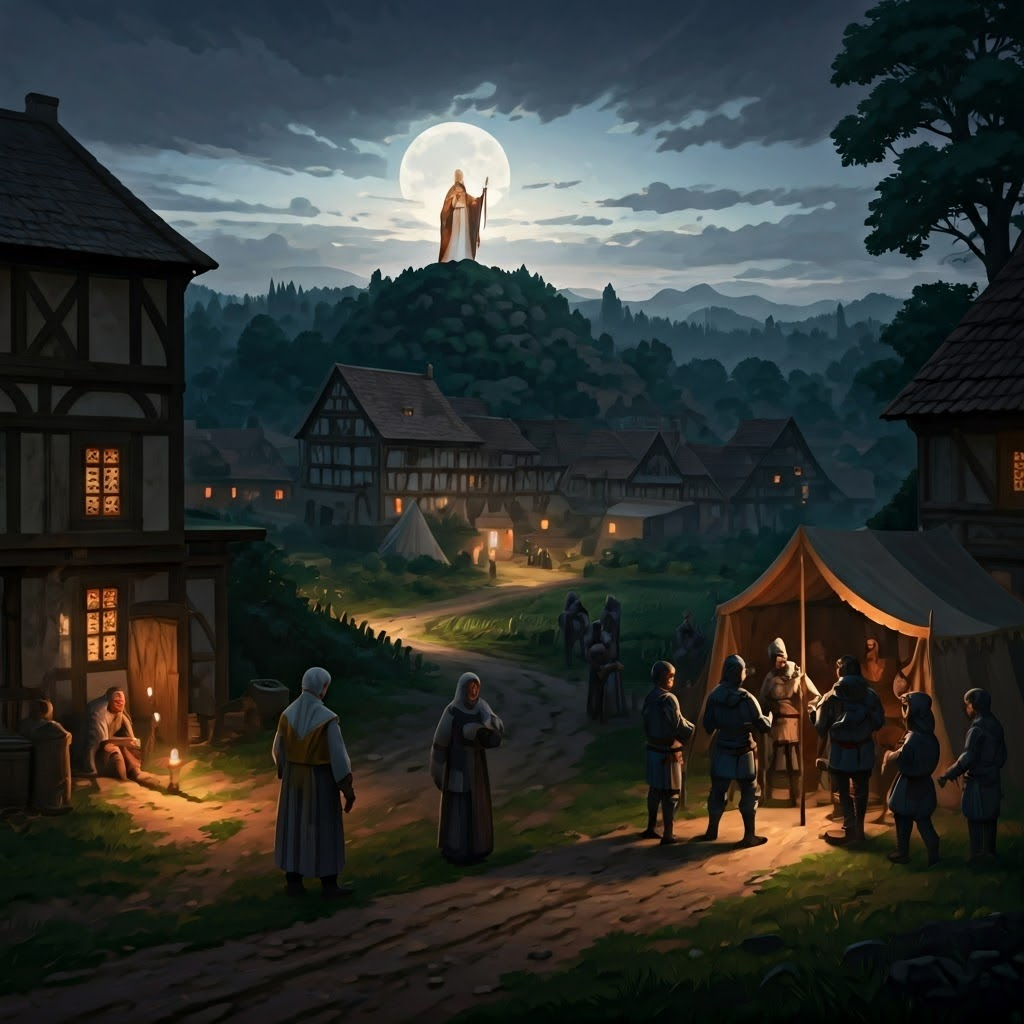
High-contrast digital painting of a medieval village at dusk. A richly robed pope surveys church estates while peasants work fields and armored lords confer below, hinting at rising tension between sacred and secular power.

In the 11th century, Pope Gregory VII launched the Gregorian Reform. He declared that only clergy could appoint bishops, ending lay investiture. Reform flipped the power structure and challenged kings.

Wars followed. Gregory faced Emperor Henry IV, proving that spiritual claims could rival crowns. Villagers now saw priests as part of Rome’s wider network, not just servants of local lords.
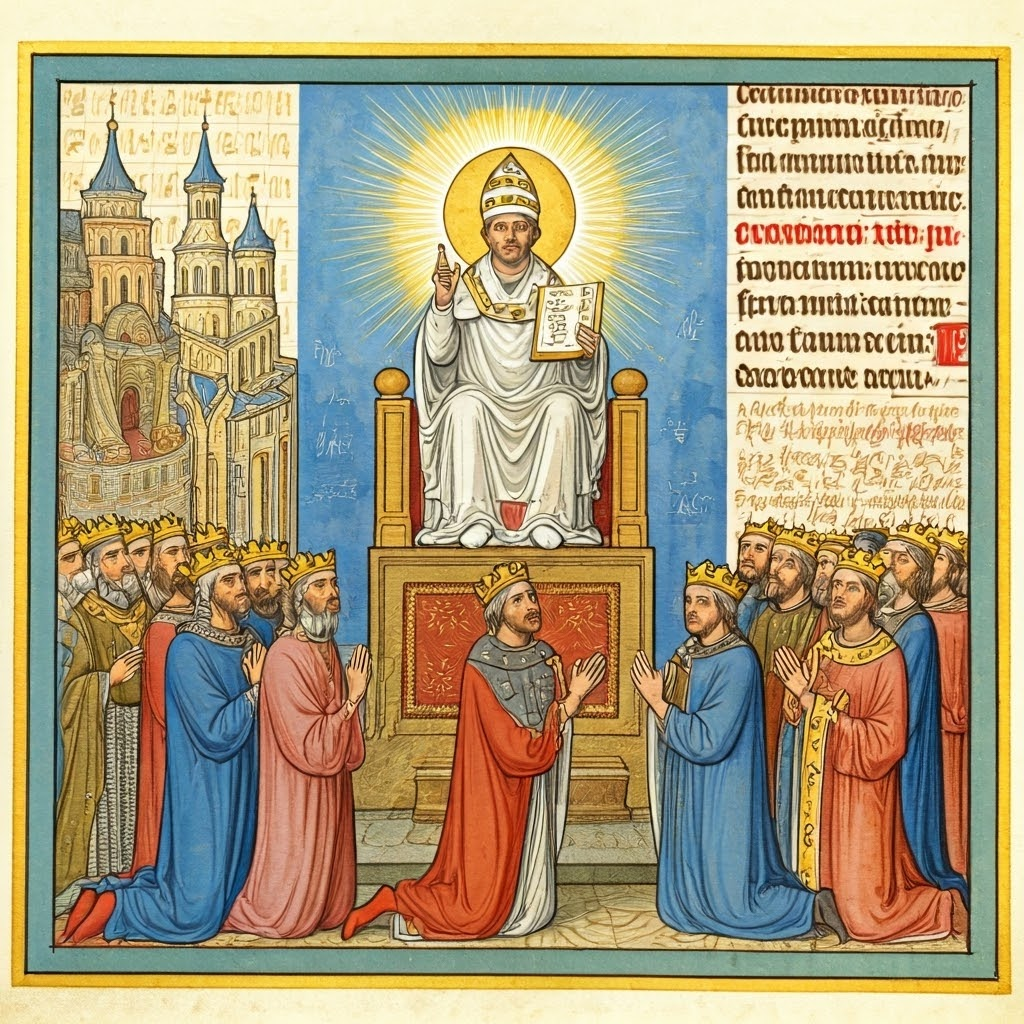
Vibrant manuscript-style illustration of Pope Gregory VII with halo, commanding kneeling kings outside a basilica, symbolizing Church independence over royal influence.

Monks, Rules, and the Search for Meaning

Within this new structure, some believers formed monastic orders to seek God through community life. Monasticism offered varied paths to holiness.
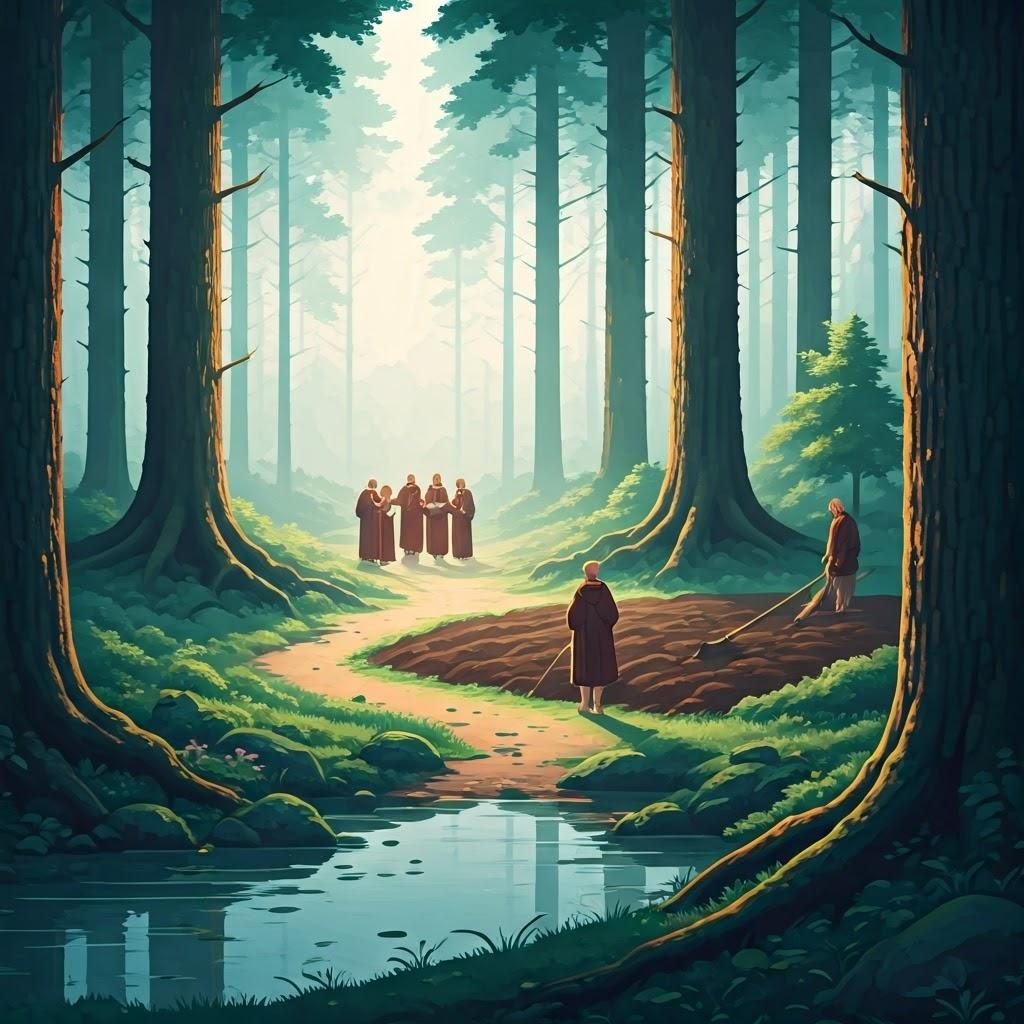
Minimalist watercolor of three monk groups in a forest clearing. One chants by water, another farms, a third greets travelers—showing diverse callings within shared devotion.

The Benedictines followed the Rule of St. Benedict. Their days balanced prayer and work on a steady schedule, creating islands of order and peace.
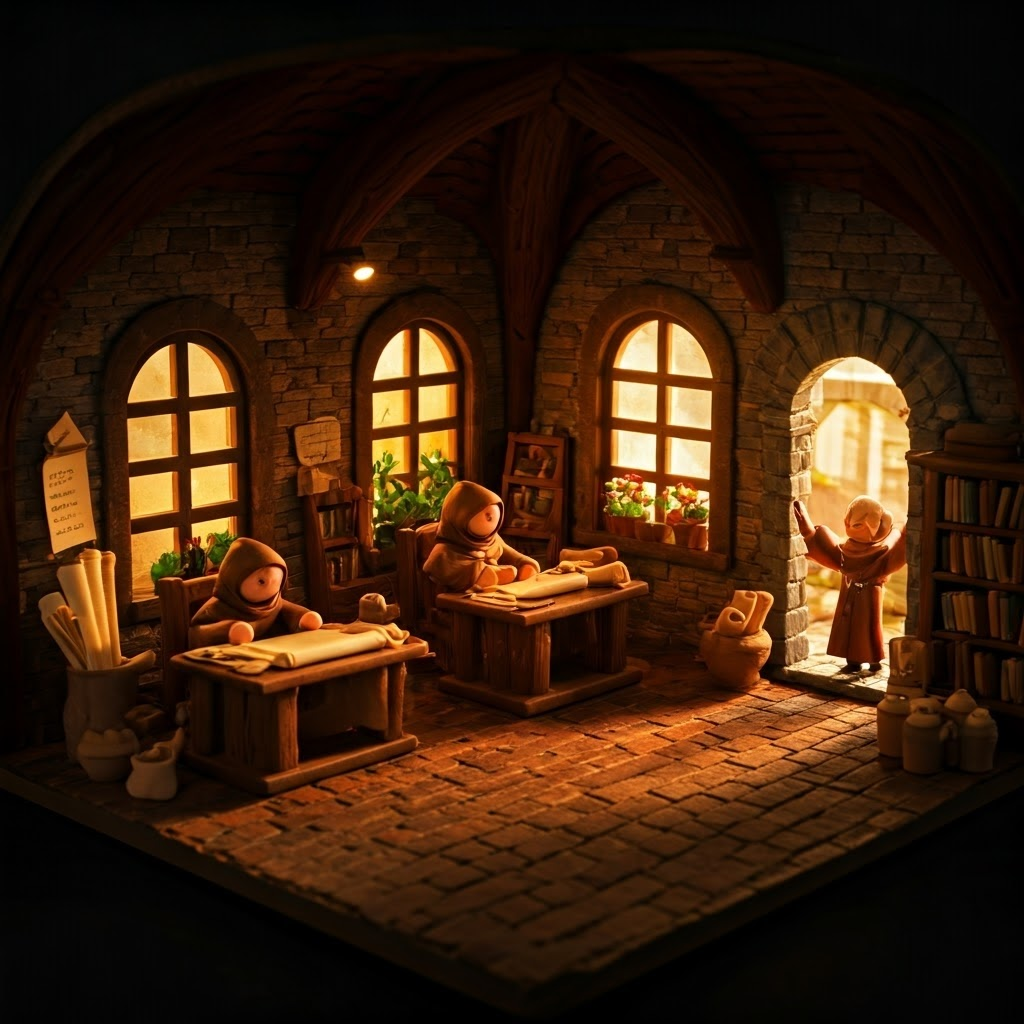
Claymation-style scriptorium where brown-robed monks copy texts, garden, and welcome a traveler, capturing the Benedictine rhythm of prayer and labor.

By the 12th century, the Cistercians sought stricter poverty. They left rich towns for remote forests, wearing white robes and farming rough land through hard labor. Simplicity defined their witness.

Low-poly 3D scene of a white-robed monk plowing a misty bog beside simple huts and cliffs, underscoring austere Cistercian life.

The Franciscans, founded about 1209, moved into city streets. They preached, nursed the sick, and begged for food, aiming to follow Jesus with joyful poverty. Compassion drew crowds closer to faith.
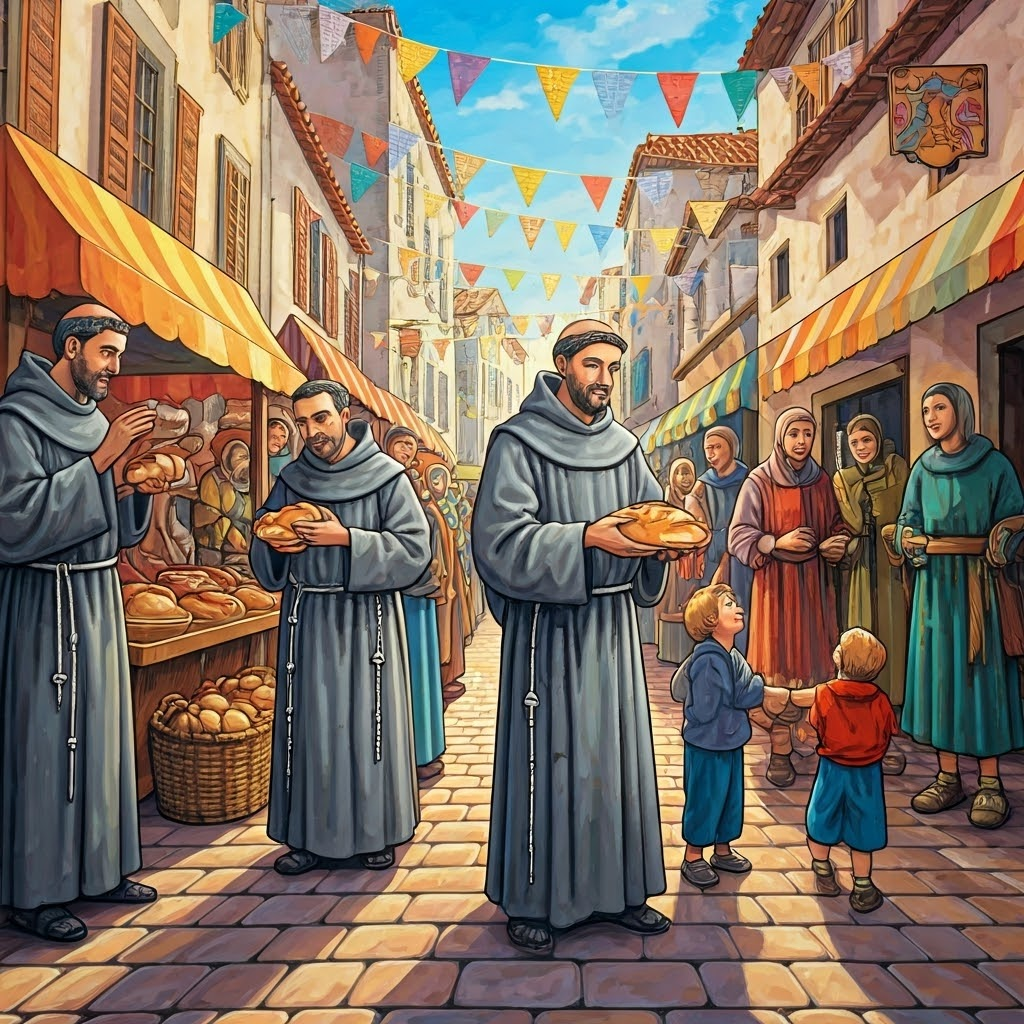
Vibrant mural-style street scene where grey-robed Franciscans share bread and aid the sick amid bustling market life, highlighting urban ministry.

Monastic life mixed prayer with chores, study, and community ties. People joined seeking safety, status, or true holiness. Community shaped their daily reality.
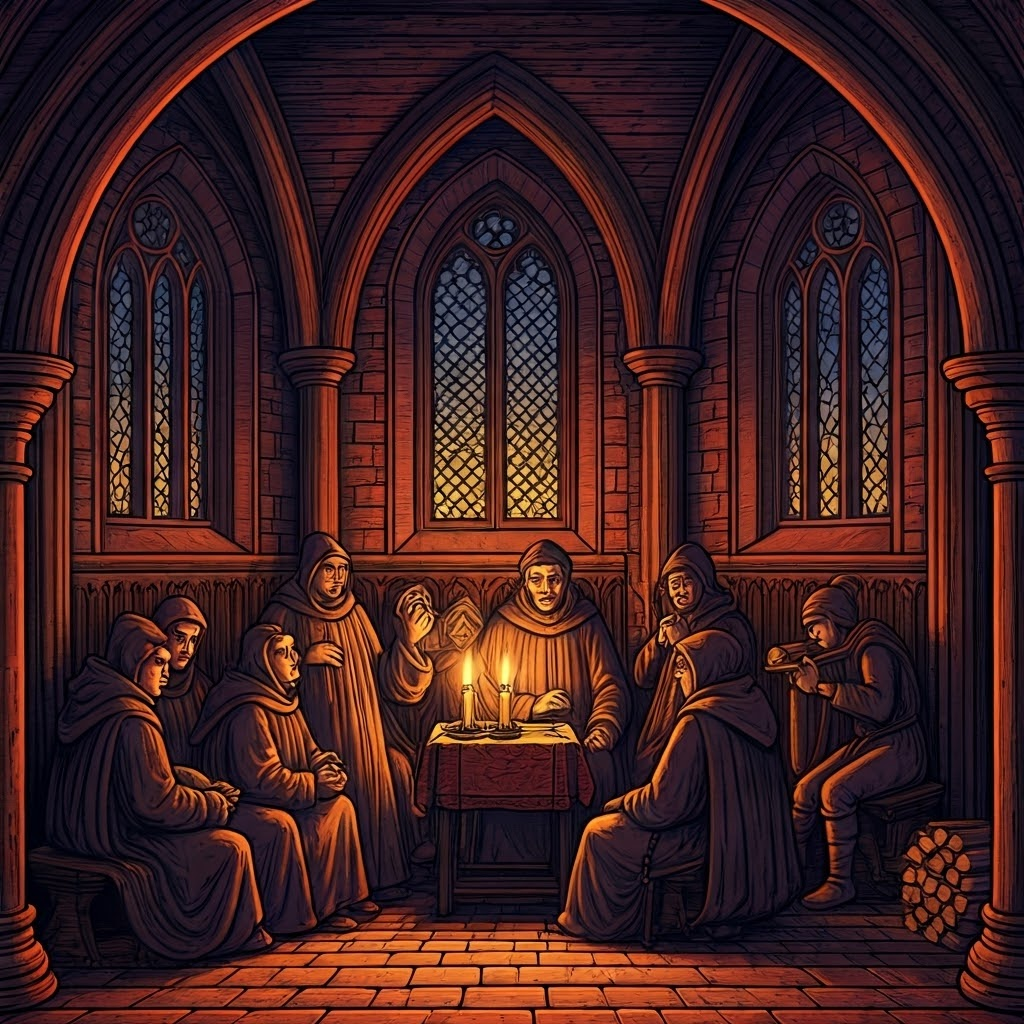
Rich digital concept art of novices hearing a senior monk by candlelight while others haul supplies outside, illustrating varied duties and shared purpose.

Faith in Action: Monastic Schools and Knowledge

Monasteries became Europe’s centers of learning. Monks copied books, taught children, and guarded ancient wisdom. Learning thrived behind cloister walls.
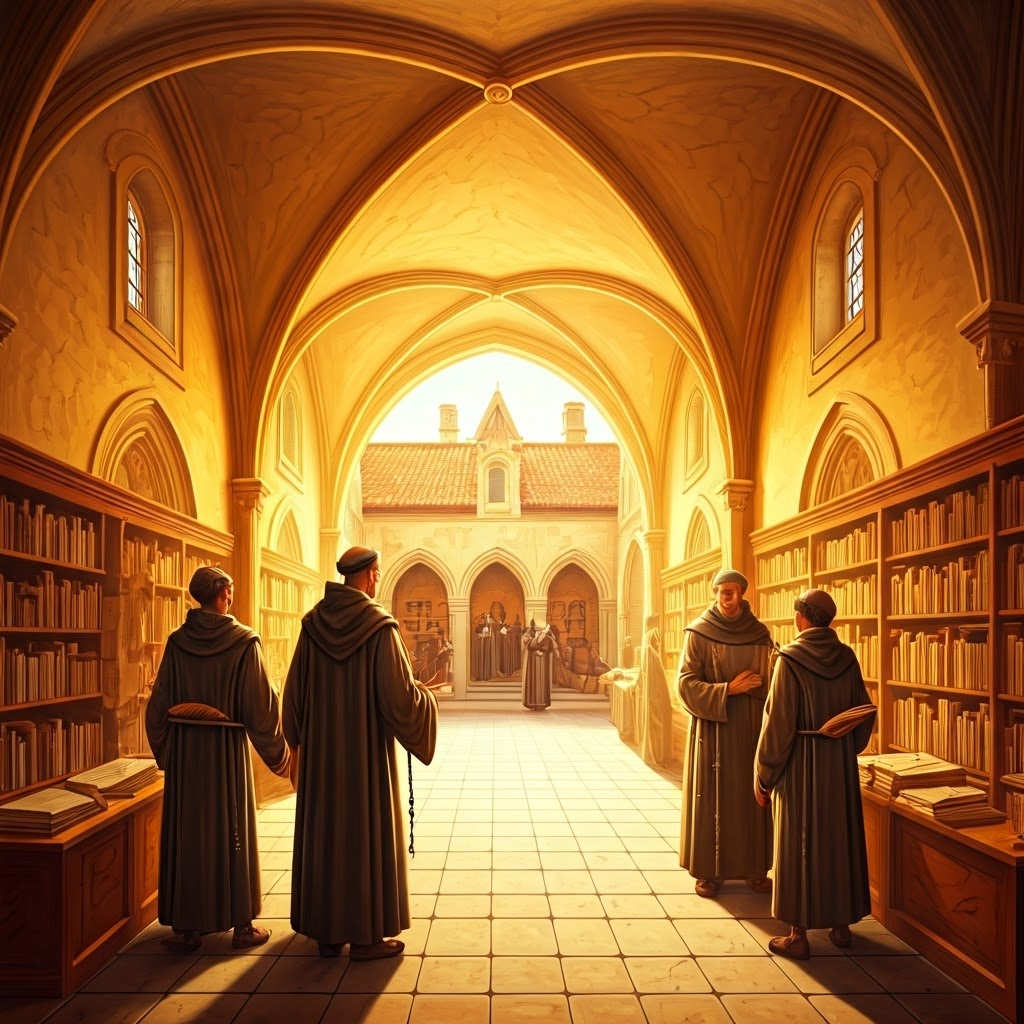
Renaissance-style courtyard where monks guide students past scroll-lined walkways toward a sunlit library, celebrating scholarly tradition.

Beyond prayer, monasteries spread practical skills—farming, brewing, medicine—into nearby towns. Cistercian mills and fields boosted local economies.
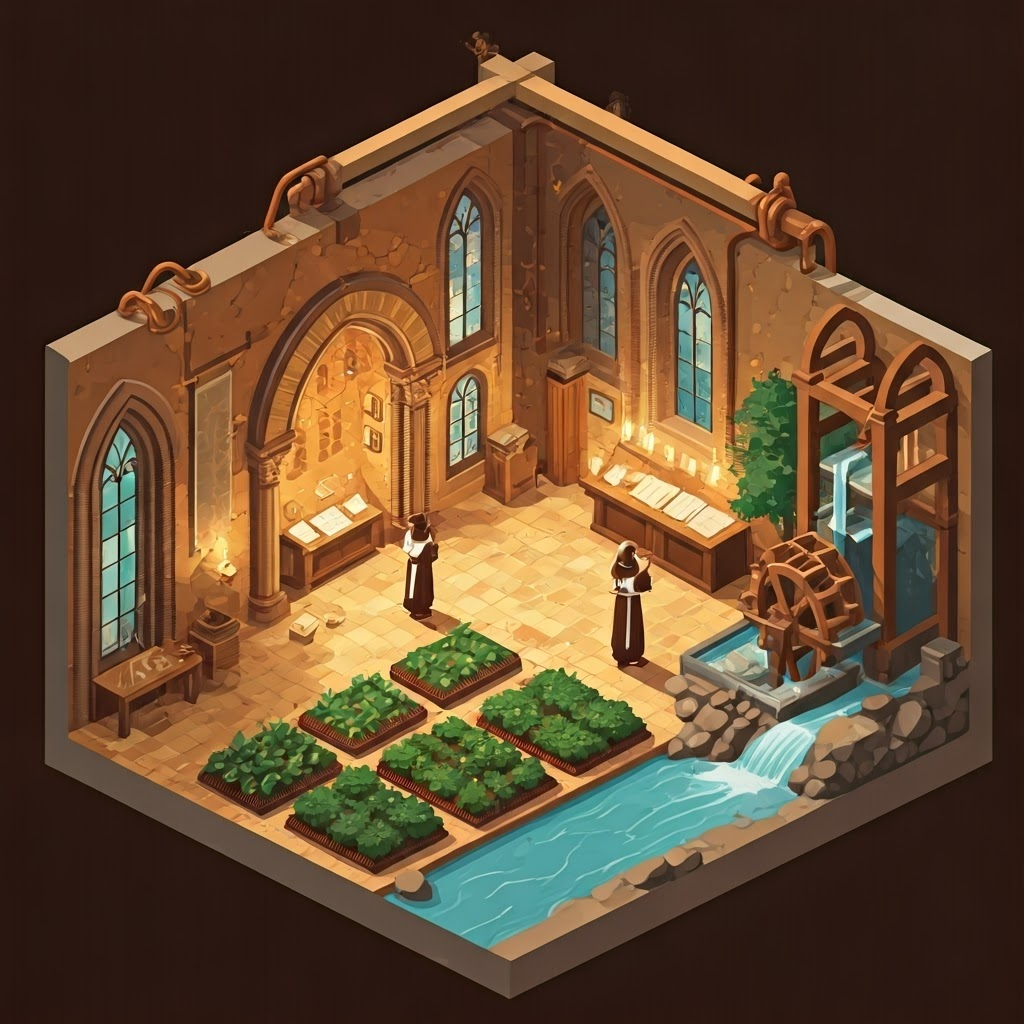
Isometric steampunk cutaway of a monastery showing scriptorium, garden, and waterwheel mill, symbolizing knowledge transfer and technology.

Franciscan friars carried teaching into marketplaces and young universities, proving that study could happen anywhere. Curiosity linked faith with open inquiry.

Historian R. W. Southern called monasteries “the cradle of Europe’s mind.” Discipline, books, and service seeded future universities and civic life.
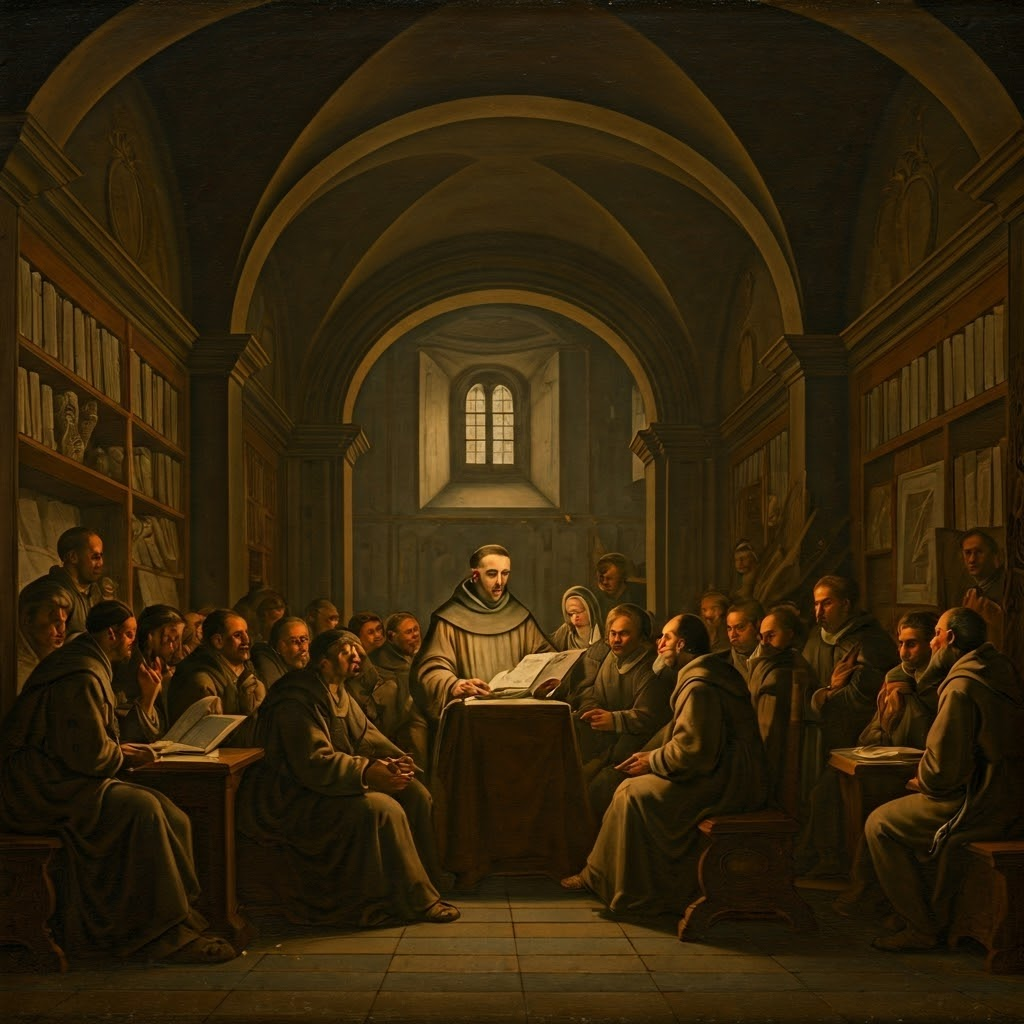
Baroque-inspired oil painting of a Franciscan lecturing under an archway to townsfolk, candles and books glowing behind, portraying the birth of public scholarship.

Living with Power and Faith

By late medieval times, papal reforms and monastic ideals touched every corner of society. Kings bargained with bishops, villagers learned from monks, and law mixed revelation with reason. Influence lingered far beyond cloisters.
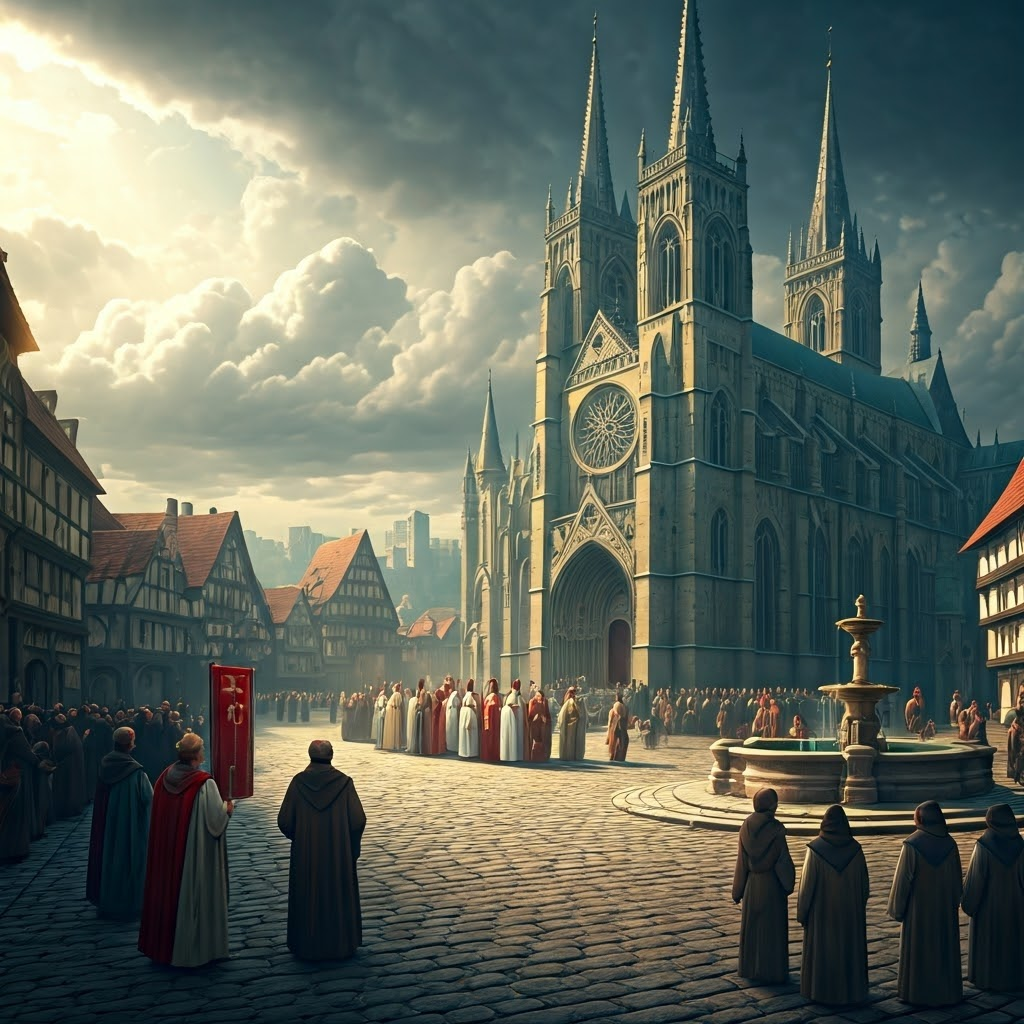
Realistic matte painting of a cathedral-centered town square where a king consults bishops as monks teach children, reflecting entwined power and belief.

Old abbeys, universities, and church squares still remind us of this grand experiment. Popes, monks, and reformers tried to build a better world through faith, power, and knowledge—an effort that still shapes us today.
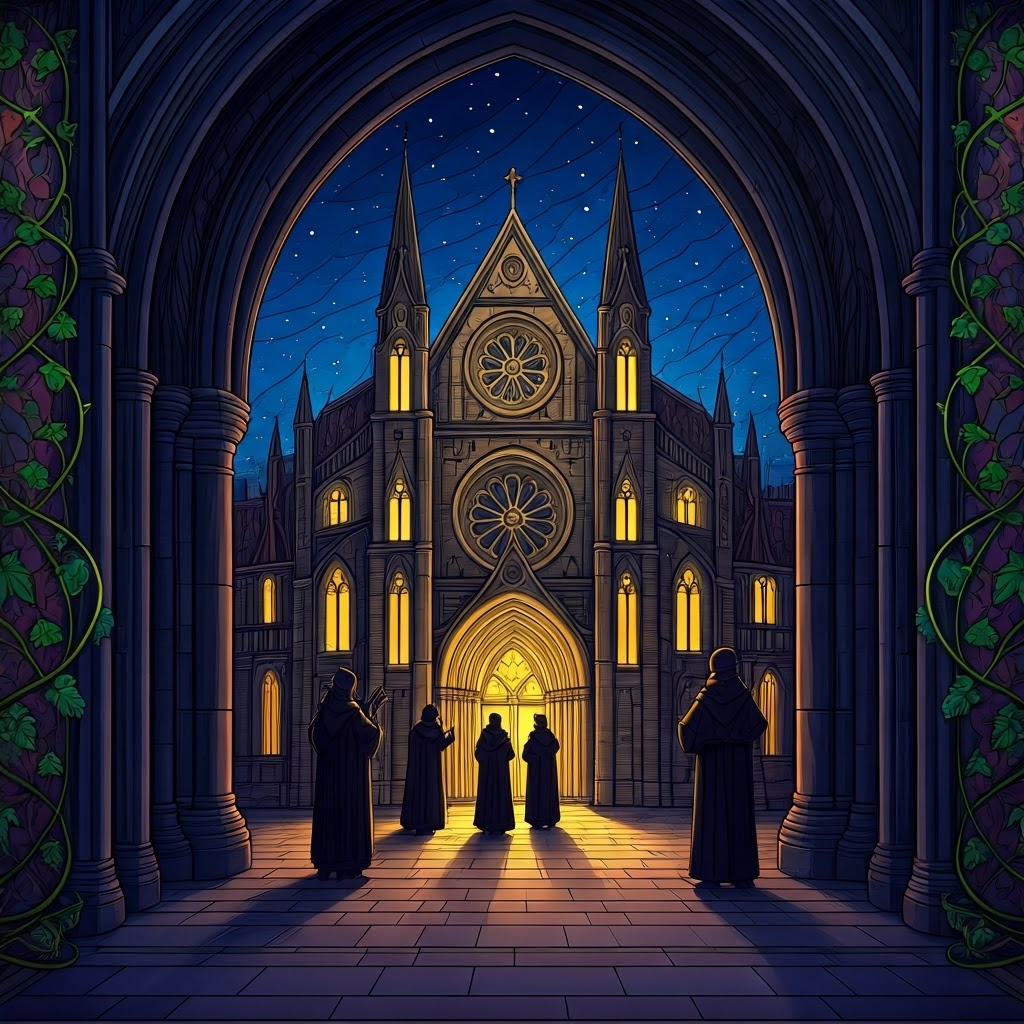

Stained-glass night scene of a glowing abbey and university gate under starry skies, symbolizing hope and the lasting legacy of medieval ideals.


Tome Genius

Medieval to Renaissance Europe: Transition & Transformation

Part 3

Tome Genius

Cookie Consent Preference Center

When you visit any of our websites, it may store or retrieve information on your browser, mostly in the form of cookies. This information might be about you, your preferences, or your device and is mostly used to make the site work as you expect it to. The information does not usually directly identify you, but it can give you a more personalized experience. Because we respect your right to privacy, you can choose not to allow some types of cookies. Click on the different category headings to find out more and manage your preferences. Please note, blocking some types of cookies may impact your experience of the site and the services we are able to offer. Privacy Policy.
Manage consent preferences
Strictly necessary cookies
Performance cookies
Functional cookies
Targeting cookies

By clicking “Accept all cookies”, you agree Tome Genius can store cookies on your device and disclose information in accordance with our Privacy Policy.

00:00