
The Secret Life of Energy: From Breakfast to Bedtime
Waking Up: Energy in Your Morning Routine
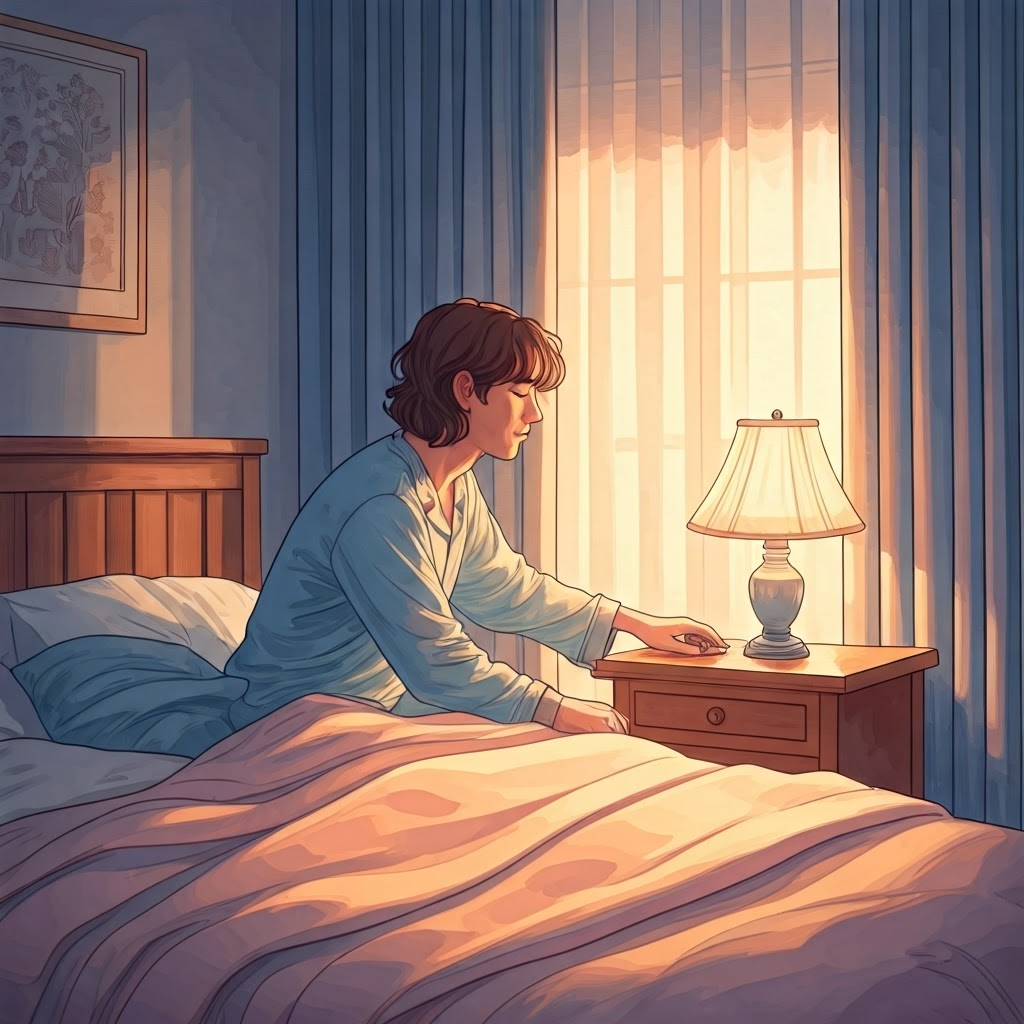
When you open your eyes and switch on a lamp electricity flows from a distant power plant through wires to your socket. The lamp turns that electrical energy into light and gentle heat.
The power grid sends energy that started as coal, gas, wind, or sunlight. Transformers step the voltage up and down so the current reaches your room safely and steadily.
Some of that energy warms the bulb. The rest becomes the soft glow that helps you find your socks.
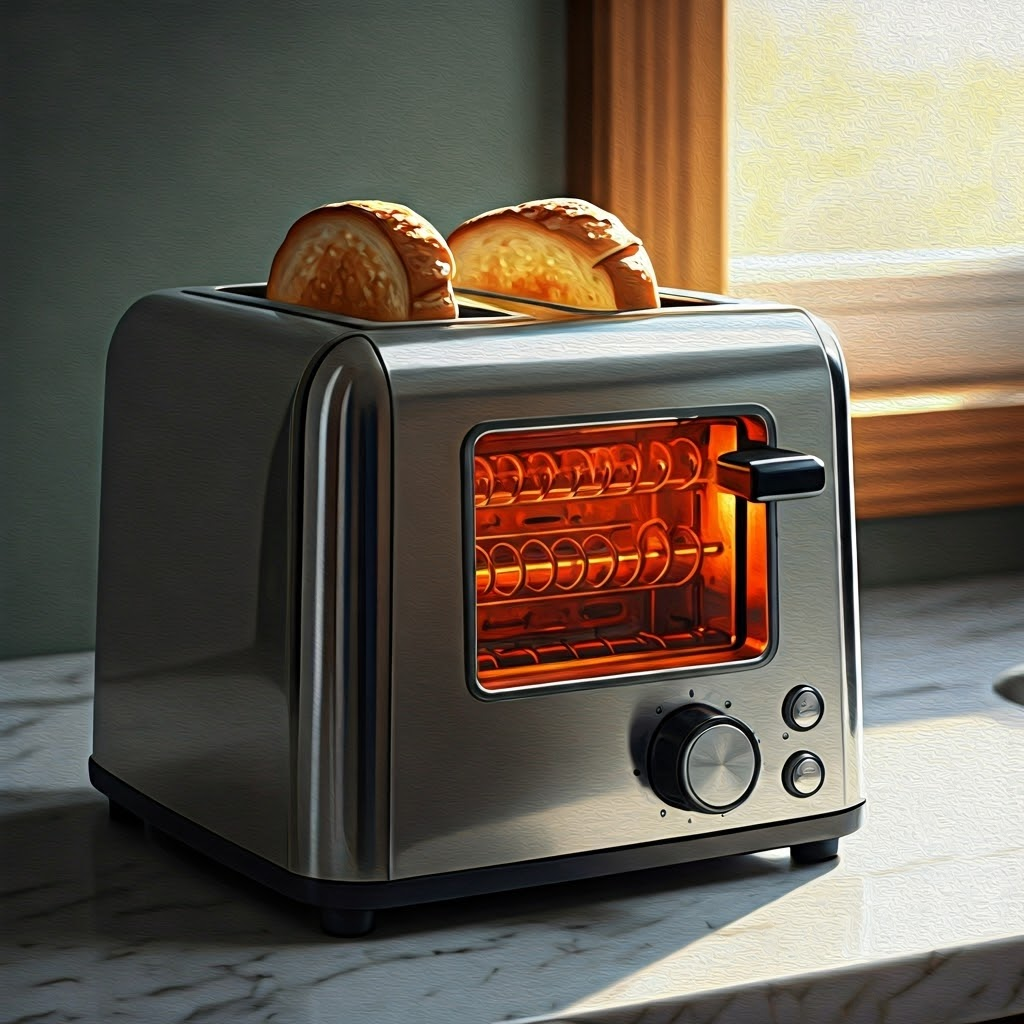
You push down the toaster lever and electricity meets thin metal wires. Their resistance makes them hot, a process called Joule heating.
The rising heat browns bread on both sides. Energy is not lost; it simply shifts from electrical form to thermal radiation that toasts your breakfast.
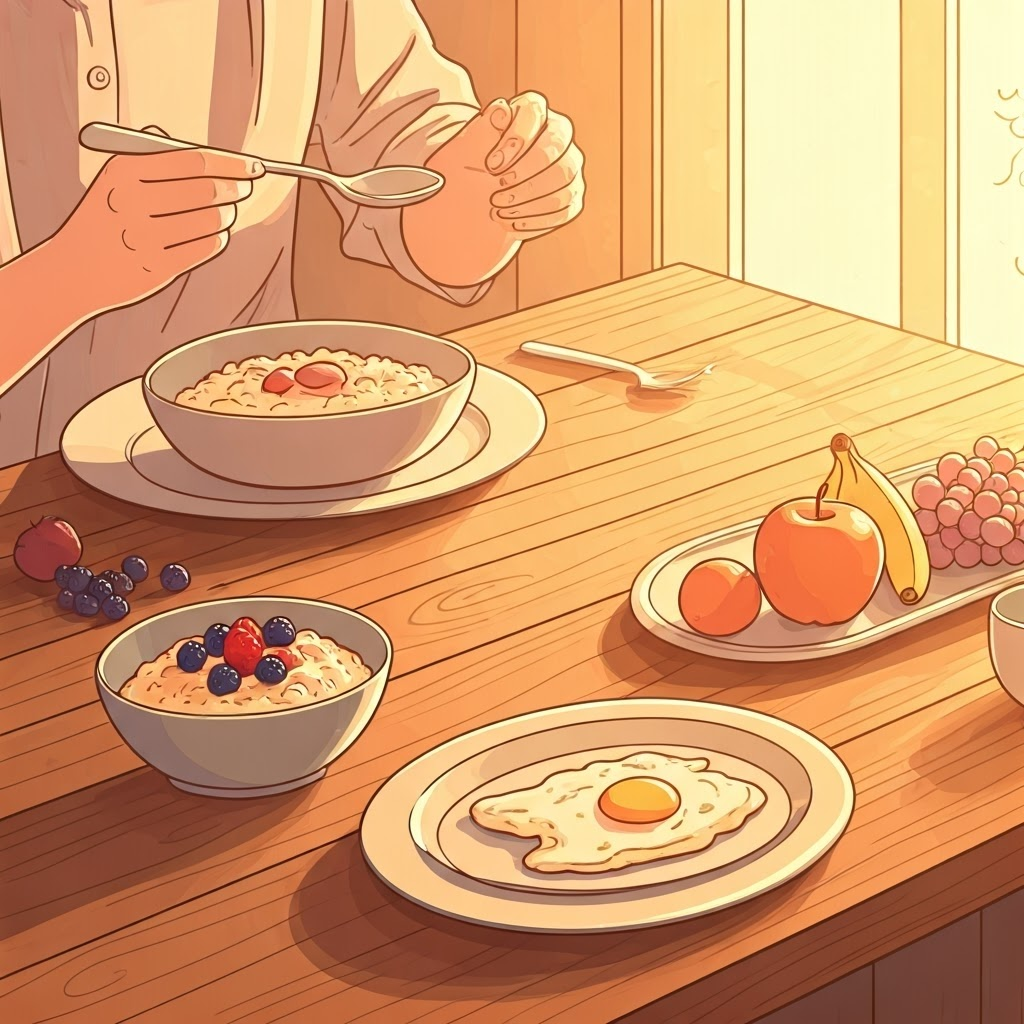
Oatmeal, eggs, and fruit carry chemical energy packed during photosynthesis. Digestion breaks their bonds and moves that energy to your cells.
Your body converts these nutrients into motion, warmth, or even morning chatter. Every step you take comes from yesterday’s sunshine trapped in food.

On the Move: Energy in Action
Pedaling a bike burns breakfast calories and shifts them into kinetic energy that spins the wheels.
At the hilltop your bike holds gravitational potential. As you roll down that stored energy slides into motion, speeding you along without a battery.
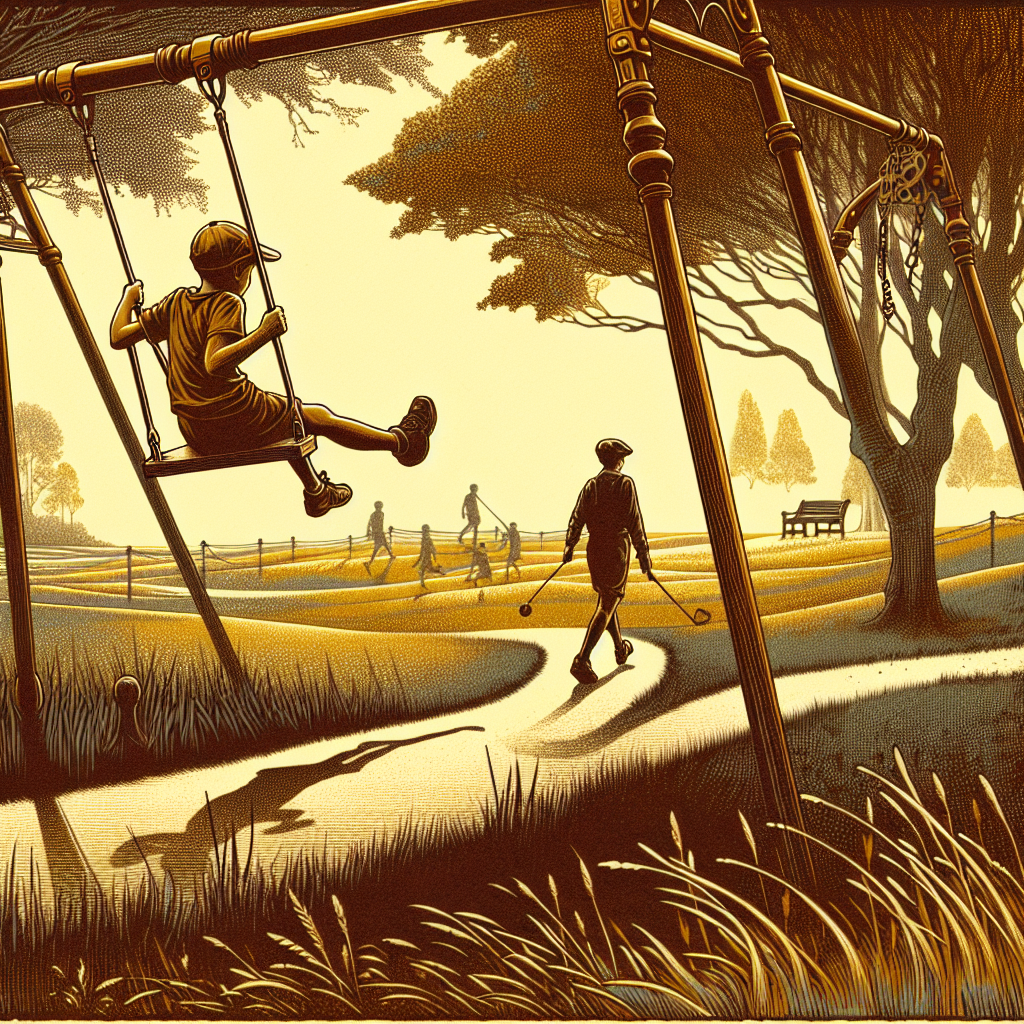
Walking uses tiny energy swaps inside every muscle fiber. Chemical energy turns into movement, balance, and body heat.
On a swing you pump your legs, swapping kinetic energy at the bottom for potential energy at the top. This rhythmic trade keeps the swing in motion.

Climbing stairs lifts your body against gravity. Your muscles convert food into mechanical work, raising your potential energy and producing sweat.
Scientists even use stair-climbing tests to compare diets and workouts because the energy cost is easy to measure.
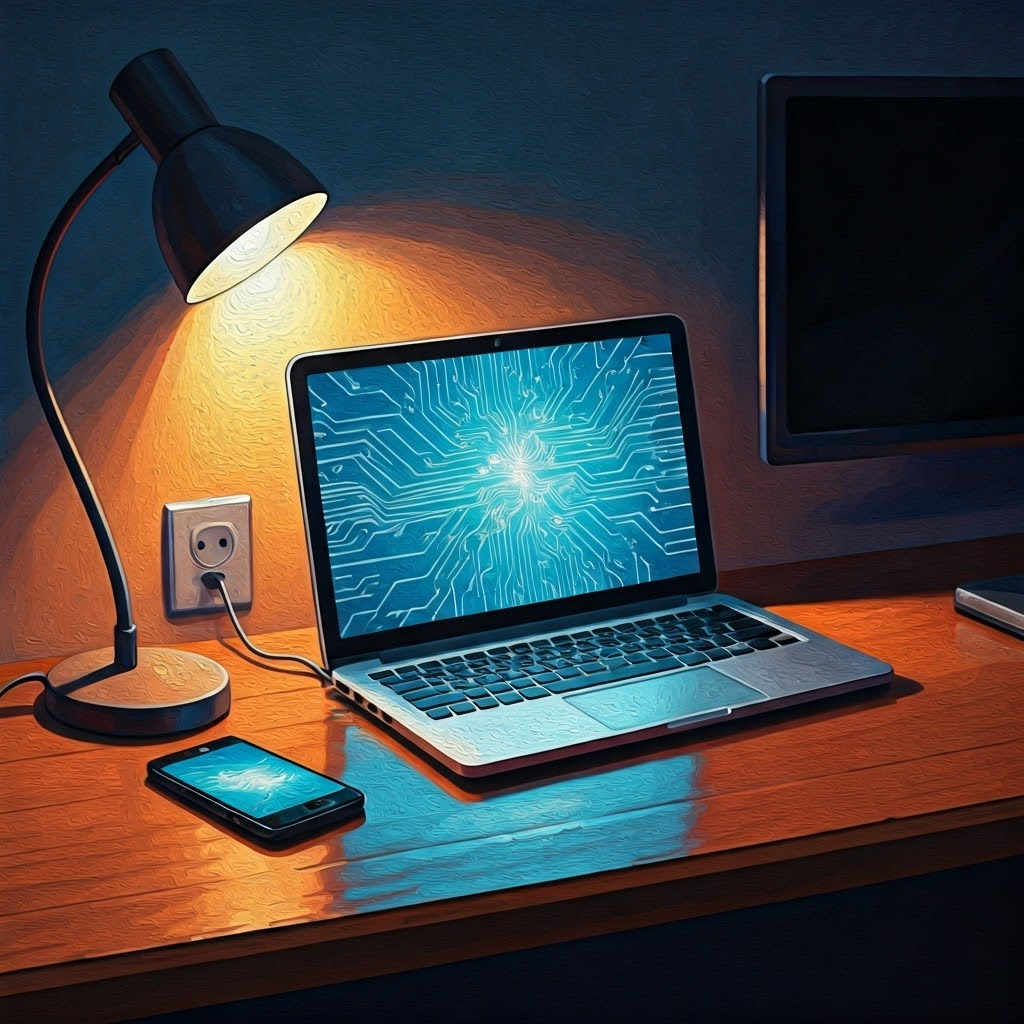
Plugged In: The Power Behind Your Gadgets
Phones, laptops, and TVs crave electricity. Plug them in and circuits translate that flow into bright screens, sharp sound, or gentle vibrations.
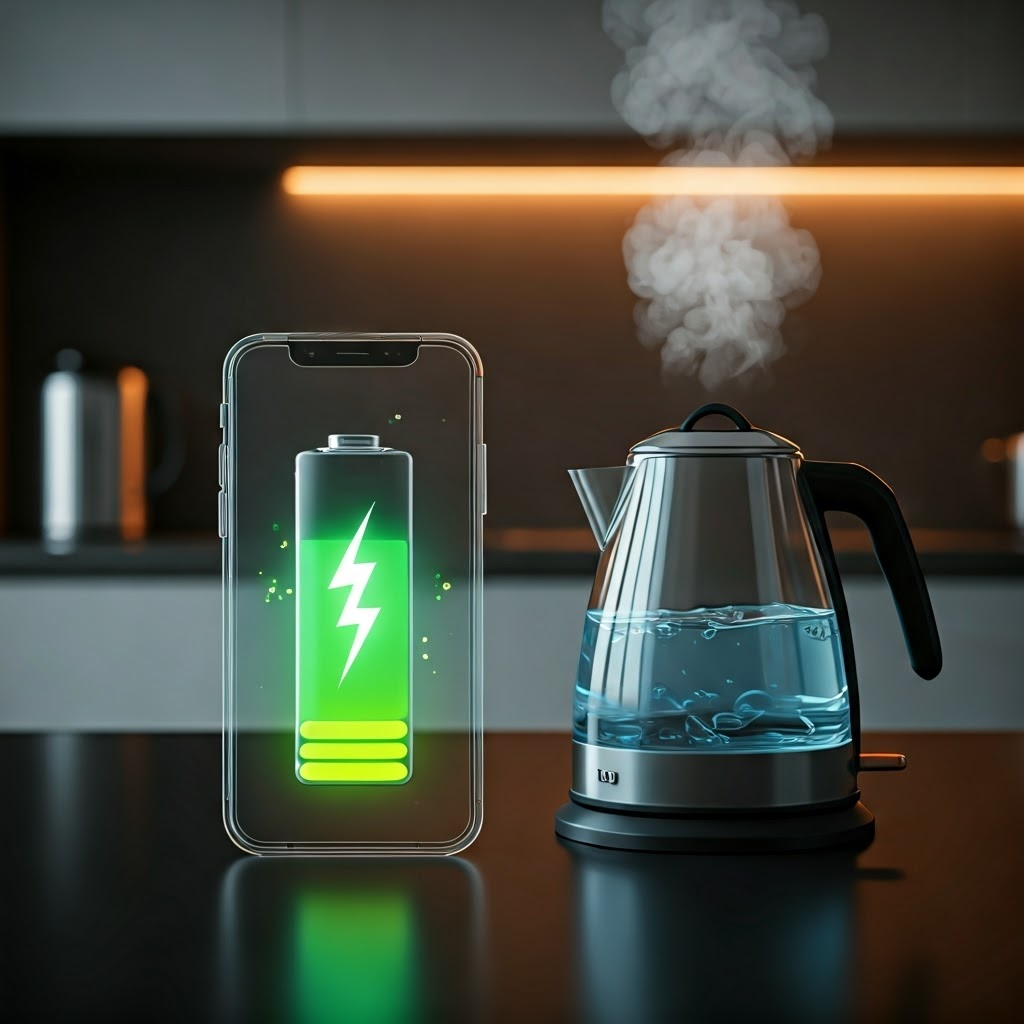
A phone battery stores wall-socket energy as chemical potential. Unplugged, it flips the process, releasing that energy as electrical power for apps and calls. The cycle repeats all day.
Everyday Energy Transformations and Where It All Goes
Energy never disappears; it only transforms. This is the law of conservation of energy.
When a battery drains or a bulb dims, the energy has simply spread out as heat, light, or sound, still present in the universe.
Your day is a chain of small energy stories—making toast, riding a bike, charging a phone—all guided by that same simple rule.
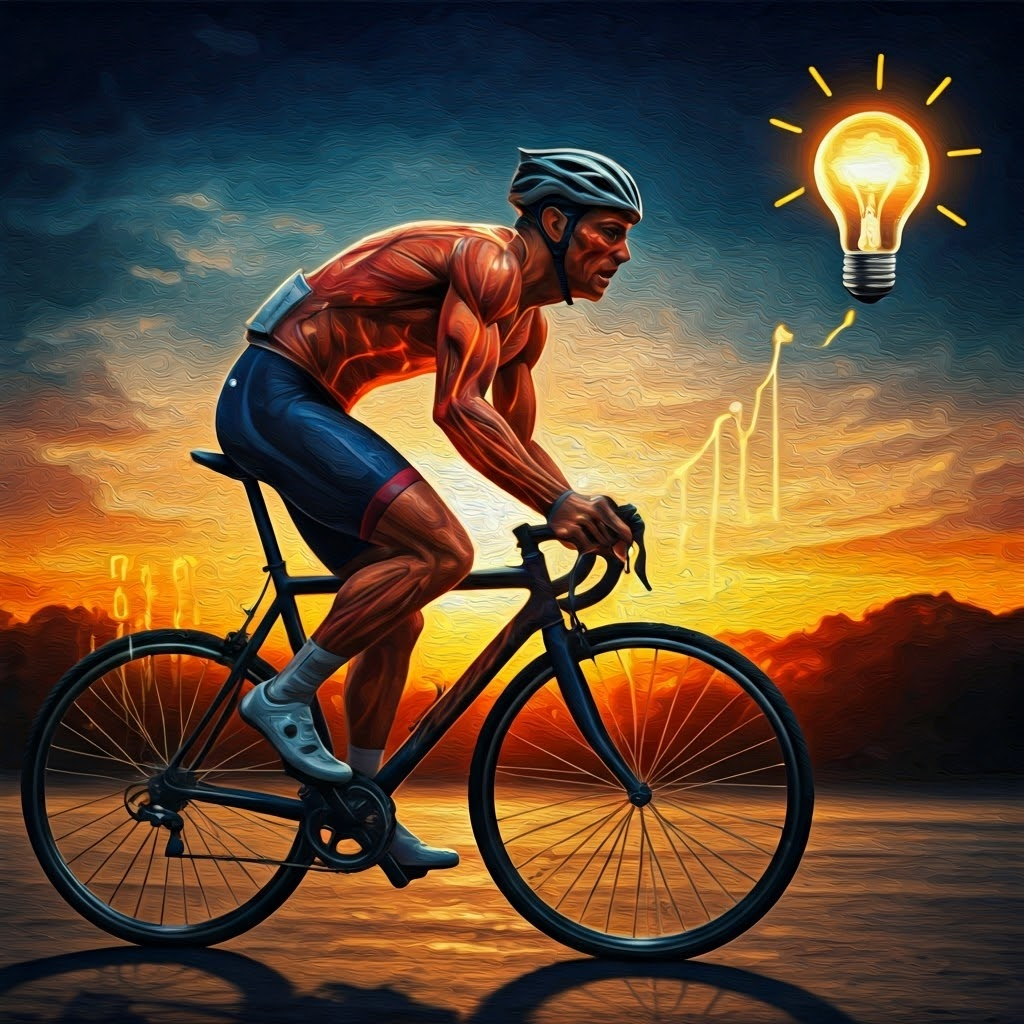
Food labels list Calories, a measure of chemical energy. One Calorie equals about 4,184 joules.
A half-hour ride can burn 100 Calories—over 400,000 joules—enough to run a 100-watt bulb for an hour. The warmth you feel is energy moving, not vanishing.
