
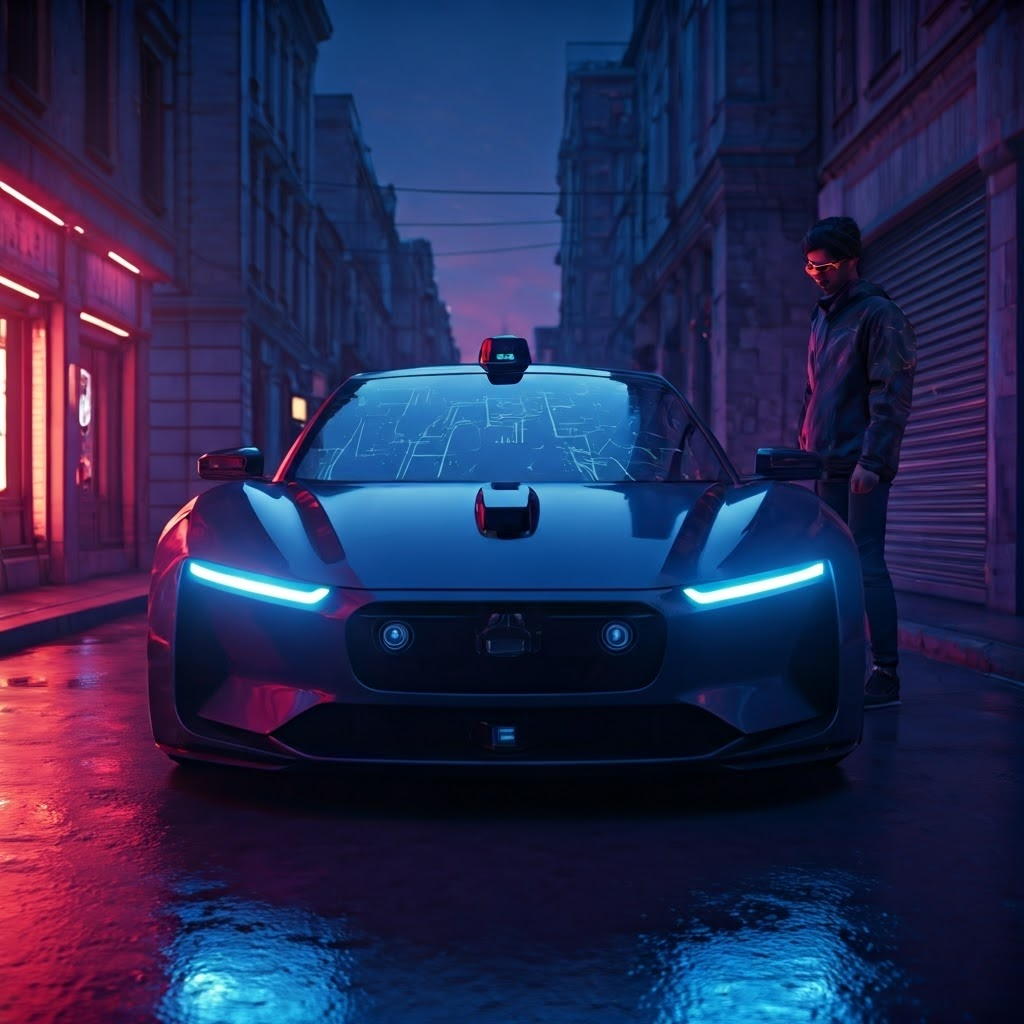
Meet Your New Driver: How Self-Driving Cars Work
A self-driving car uses sensors, computers, and data—its high-tech nervous system—to see the road, locate itself, and decide what to do every split second.
Lidar maps the world in 3D. Cameras read traffic lights and spot pedestrians. Radar tracks fast movers, while GPS pins location within inches. Each device feeds the central computer nonstop.

The onboard AI digests thousands of inputs per second. It follows rules set by engineers, then chooses to brake, steer, or accelerate. It never texts while driving, yet it may struggle with odd situations.
Every move reflects choices by unseen teams. The car’s logic replaces human impulse, but its limits mirror the limits of its creators.
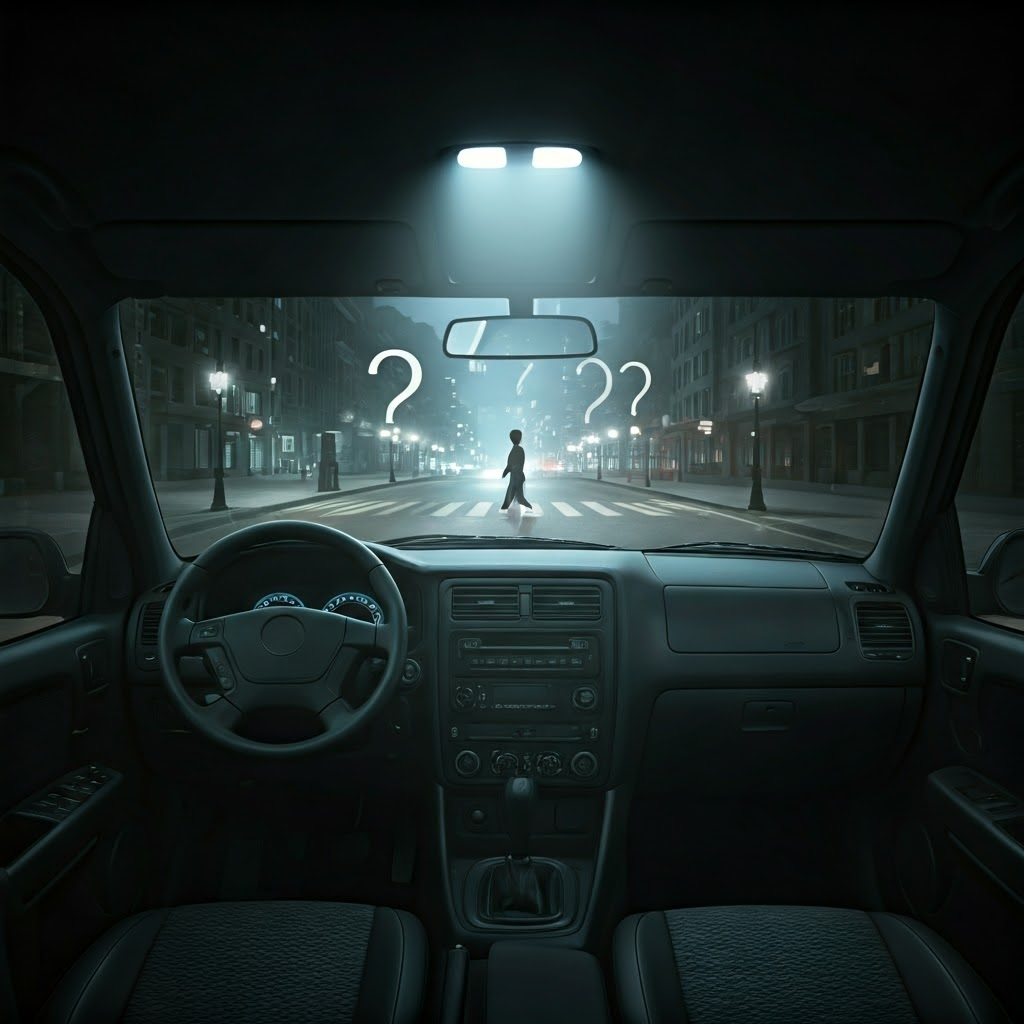
Who’s Responsible When No One’s Driving?
Crash liability once sat squarely on the driver. Autonomy blurs that line. If an AV misreads a sign and hits a truck, who pays—the maker, the coder, or the data supplier?
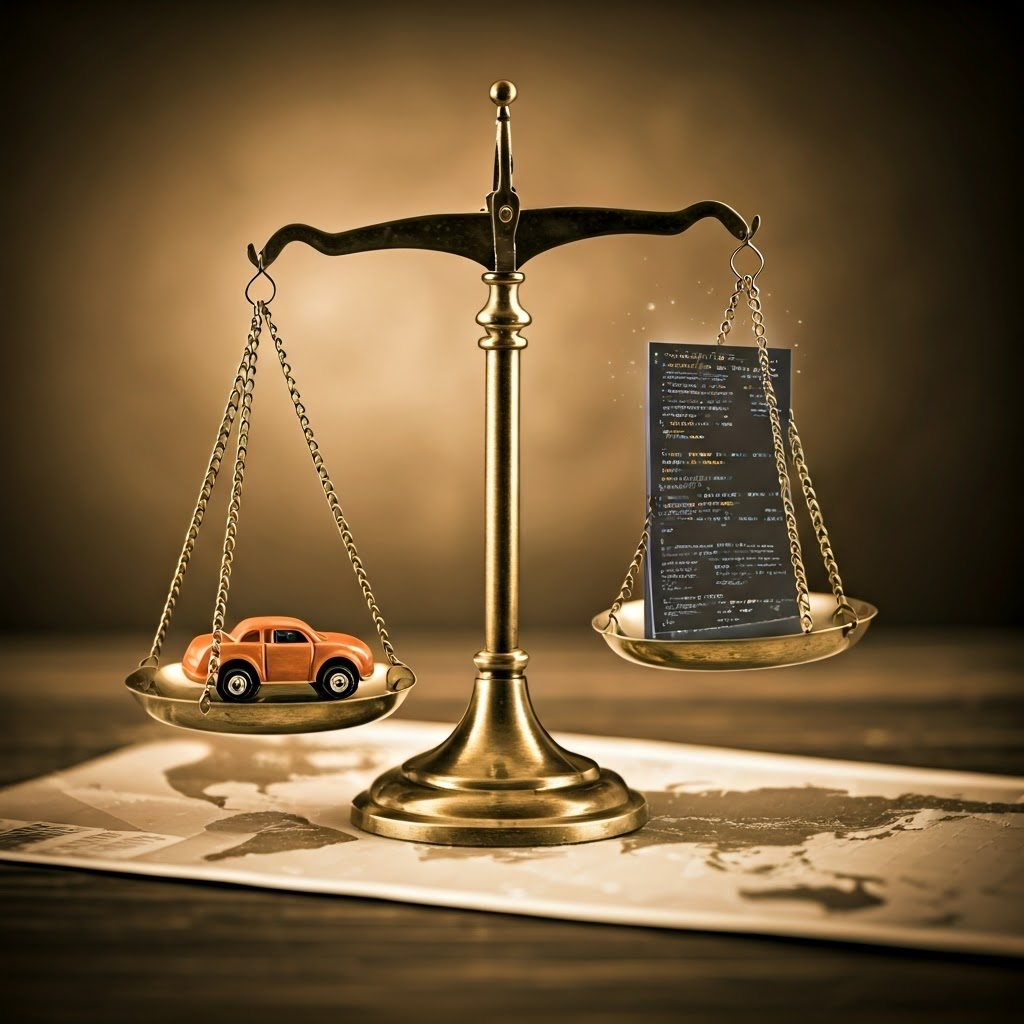
Real cases complicate things. In 2018 an Uber test AV killed a pedestrian. The backup driver was distracted, and the software also failed. Courts juggled fault among company, human, and code.
U.S. rules now shift more liability to companies when full autonomy is active. If you misuse the system or skip recalls, the blame can swing back to you.
Responsibility is becoming a network: manufacturers, software teams, map providers, and fleet owners all share the risk. Each new incident forces laws to evolve.
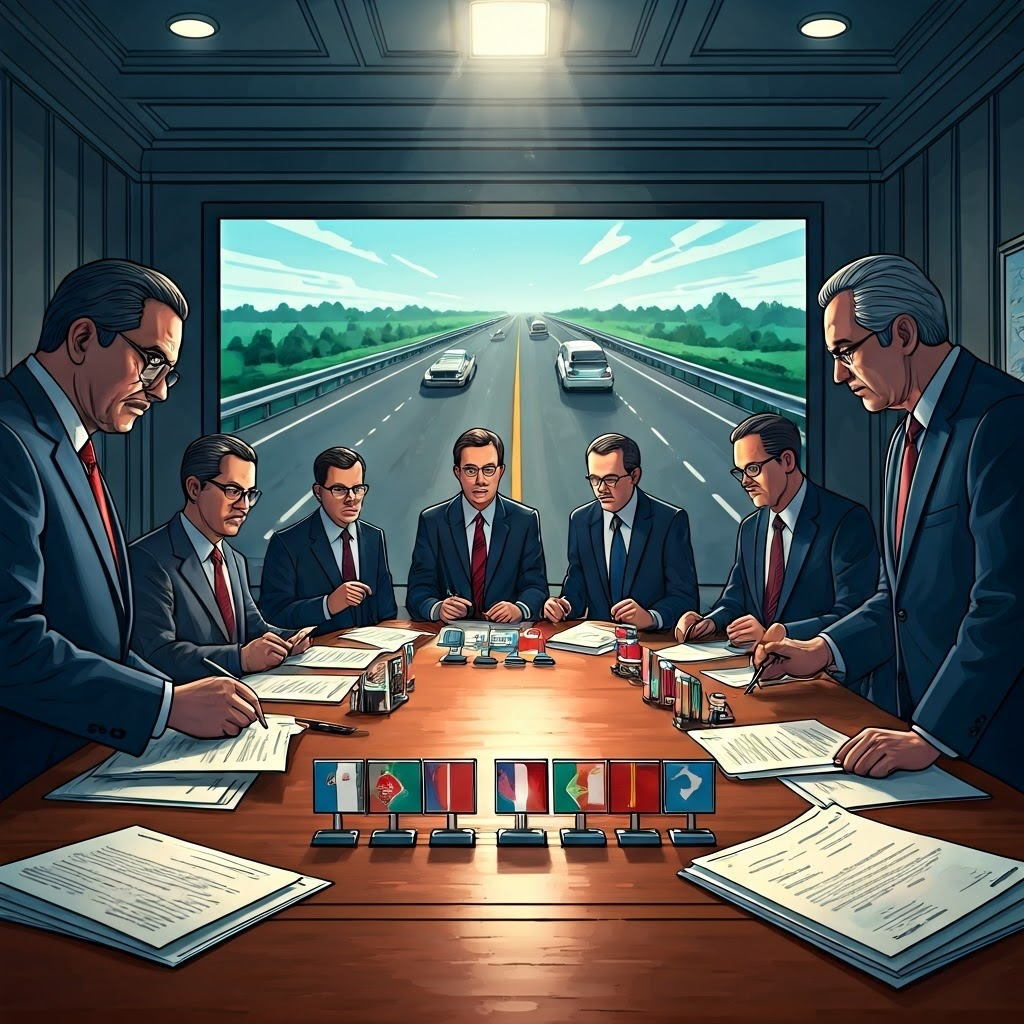
Rules of the Road: Laws and Standards for AVs
Technology outruns legislation, so regulators scramble to keep pace. NHTSA drafts AV guidelines, collects crash data, and defines “self-driving.”
The UNECE issues global standards for lane keeping, emergency braking, and cybersecurity—tasks older cars never faced.

These rules set safety floors and level markets, yet gaps remain. New features like remote driving create fresh gray zones. The U.S. patchwork of state laws adds more complexity.
Can We Trust a Car with a Mind of Its Own?
People trust what they understand, yet few grasp AV decision-making. Surveys show most riders want AVs to be far safer than humans before climbing aboard.
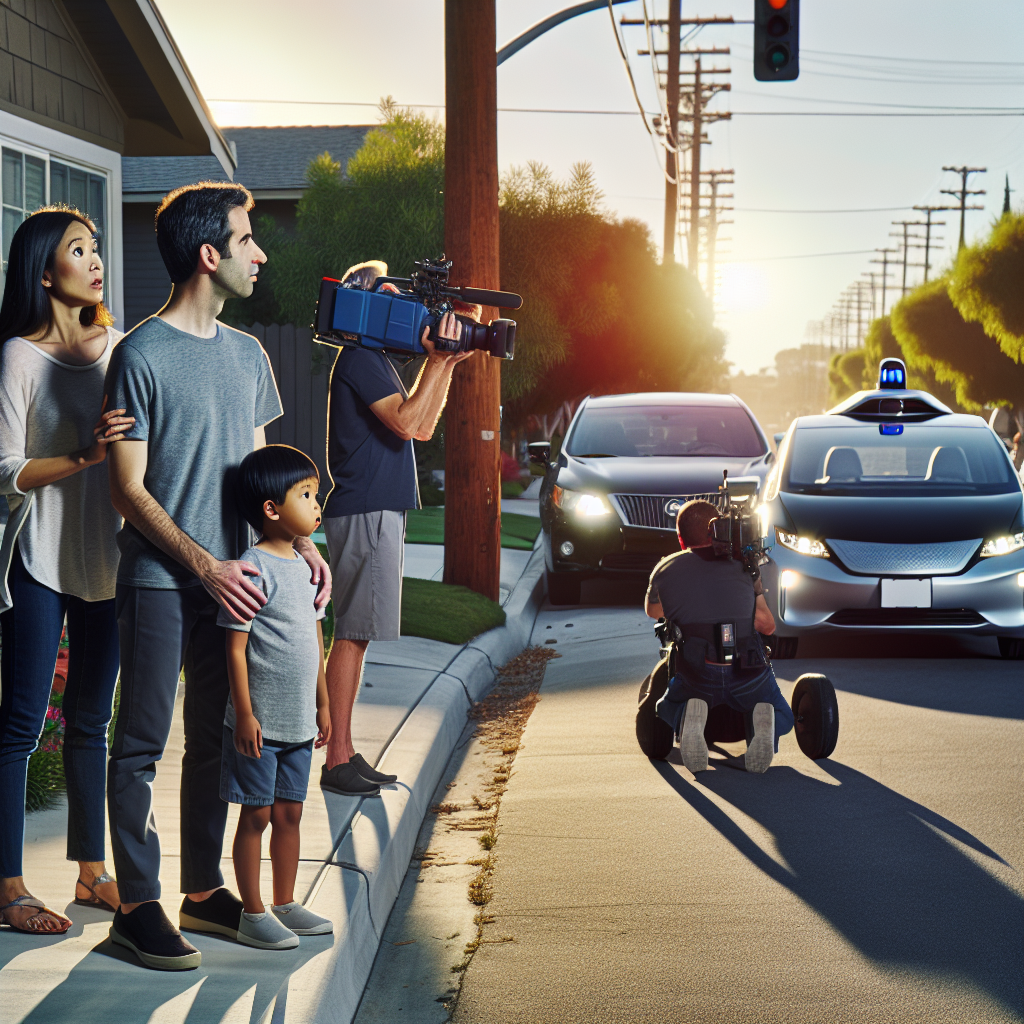
Trust grows through transparency. Safety reports, public ride demos, and clear explanations help. When failures occur, swift accountability reassures users.
Emotions still rule. Parents in Phoenix hesitate to send kids solo in driverless taxis, despite good statistics. Each AV fender-bender makes headlines and shapes opinion.
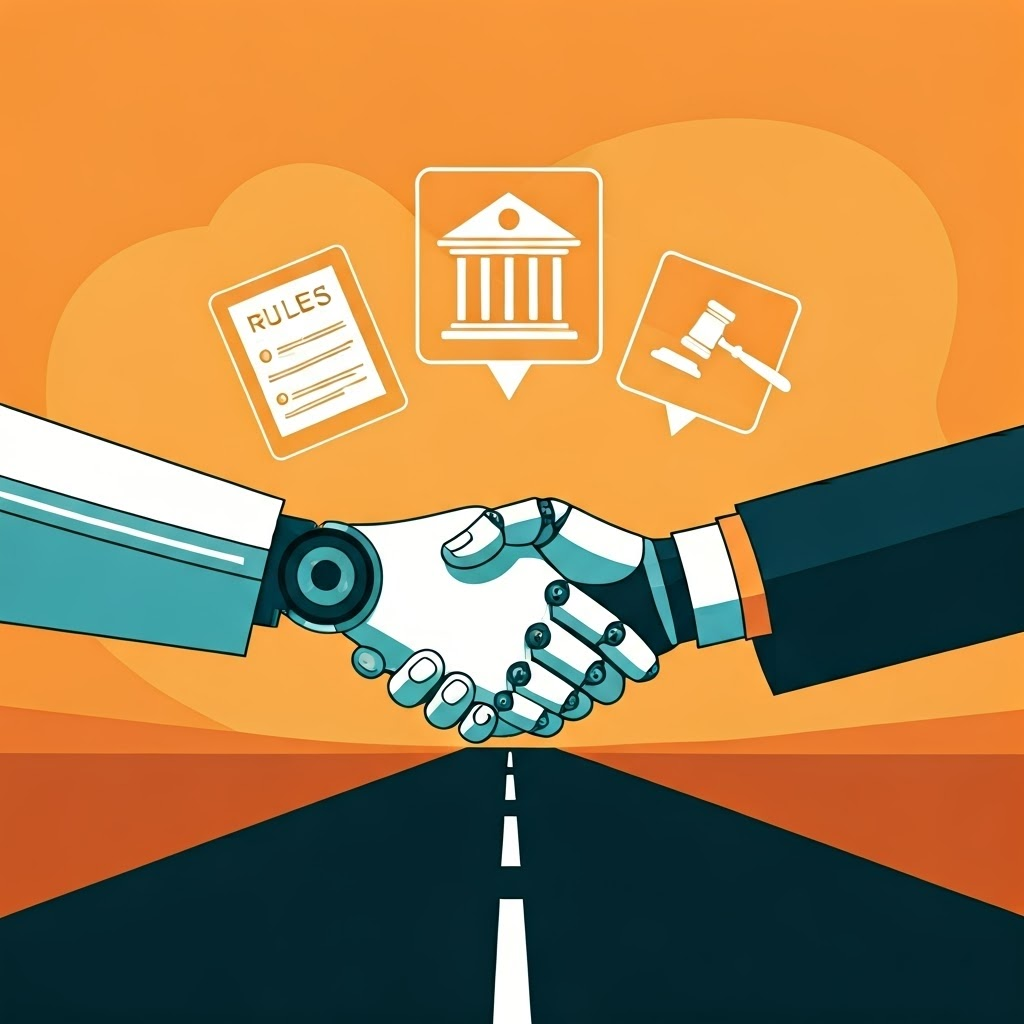
Earning trust demands more than safe code. Lawmakers, engineers, and companies must prove that when surprises happen, fair processes will set things right. Until then, self-driving cars remain on probationary status.
