
Sacred Rules: How Religions Set the Stage

When you step outside, you see lines—painted crosswalks and quiet social boundaries. Ethics guides you from within, while law enforces rules from the outside. Both systems keep daily life orderly.
Why Rules Matter: The Basics of Ethics and Law
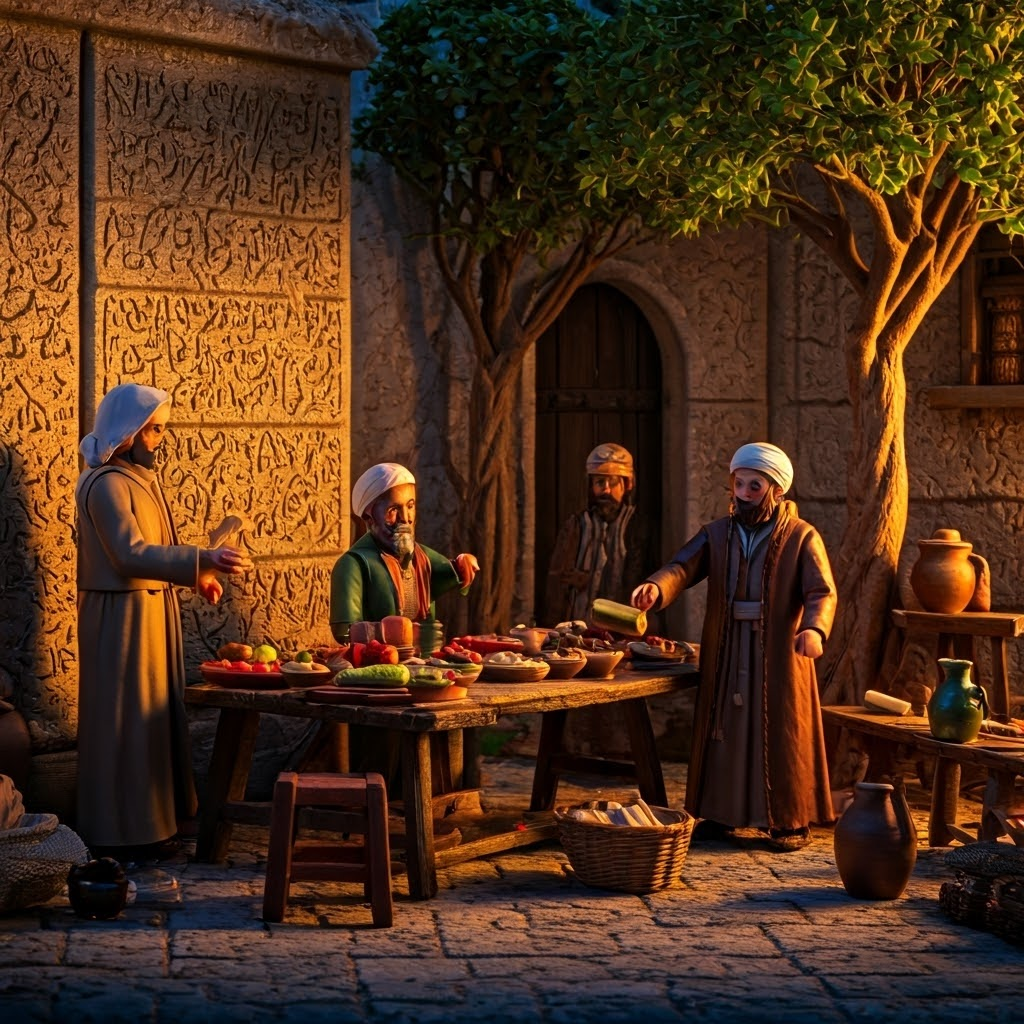
Religious traditions shape many everyday choices—what you eat, how you greet, even how you pay taxes. Sacred teachings echo through modern laws and remind communities who they are.

Hindu Dharma: Order, Duty, and Debate
In Hindu thought, dharma means doing your part in a vast social puzzle. Dharmaśāstra texts outline duties tied to caste and stage of life. The codes offered stability but also sparked long debates on fairness.

Caste remains the great question. Reformers like Gandhi argued that true dharma respects everyone. Modern Hindus still challenge old boundaries, proving that even ancient rules invite critique.

Buddhist Precepts: Compassion in Action
Buddhists follow five simple precepts—avoid killing, stealing, lying, sexual misuse, and intoxication. Compassion drives these choices and turns mindfulness into everyday kindness.
Engaged Buddhists like Thich Nhat Hanh take practice into the streets. They clean rivers, protest wars, and help the poor because compassion should overflow into public life.
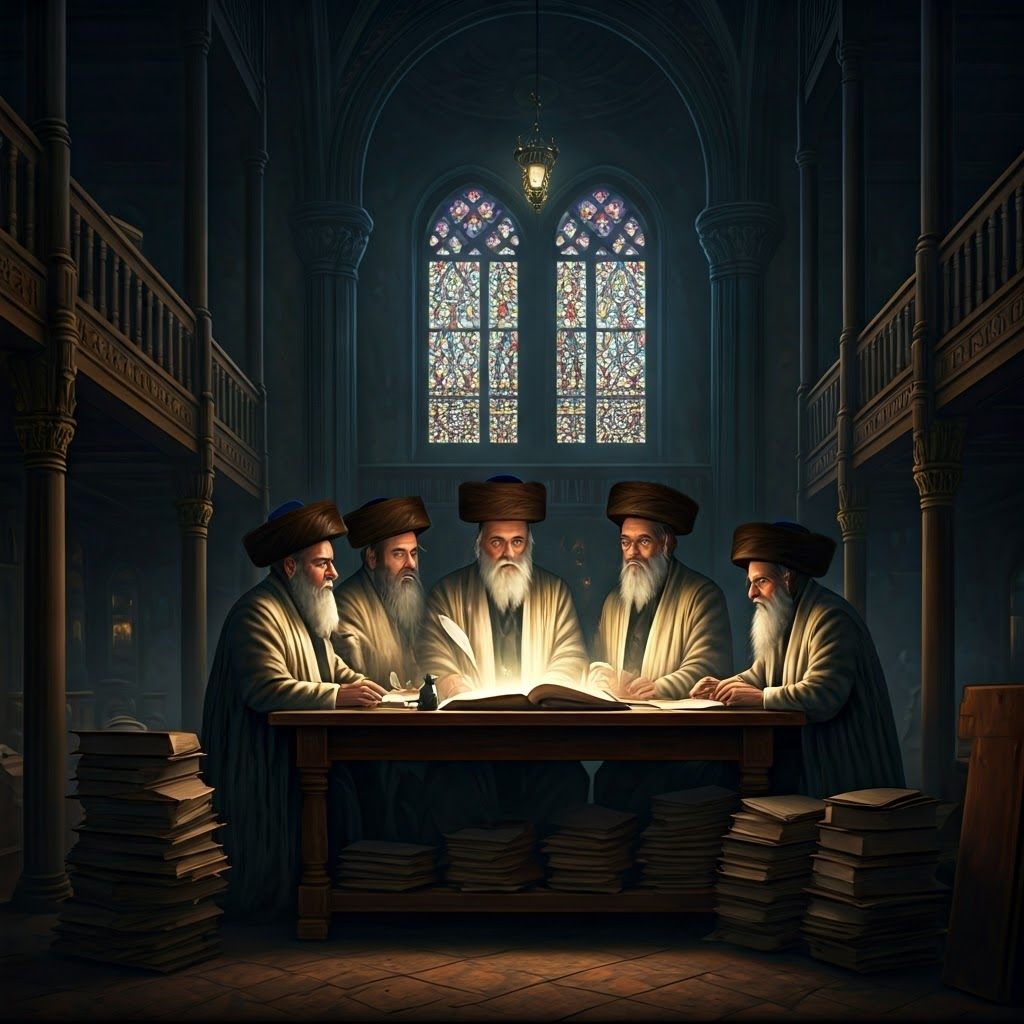
Jewish Halakha: Law, Debate, and Change
Halakha means “the way to walk.” Scholars debate each new issue, writing responsa that link ancient texts to modern dilemmas. Questioning is built in, so the law adapts without losing its roots.

Christian Ethics: From Just War to Liberation
Christianity centers on love yet wrestles with power. Just-war theory seeks limits on violence, while liberation theologians fight systemic injustice. Both ask how love guides action in a flawed world.
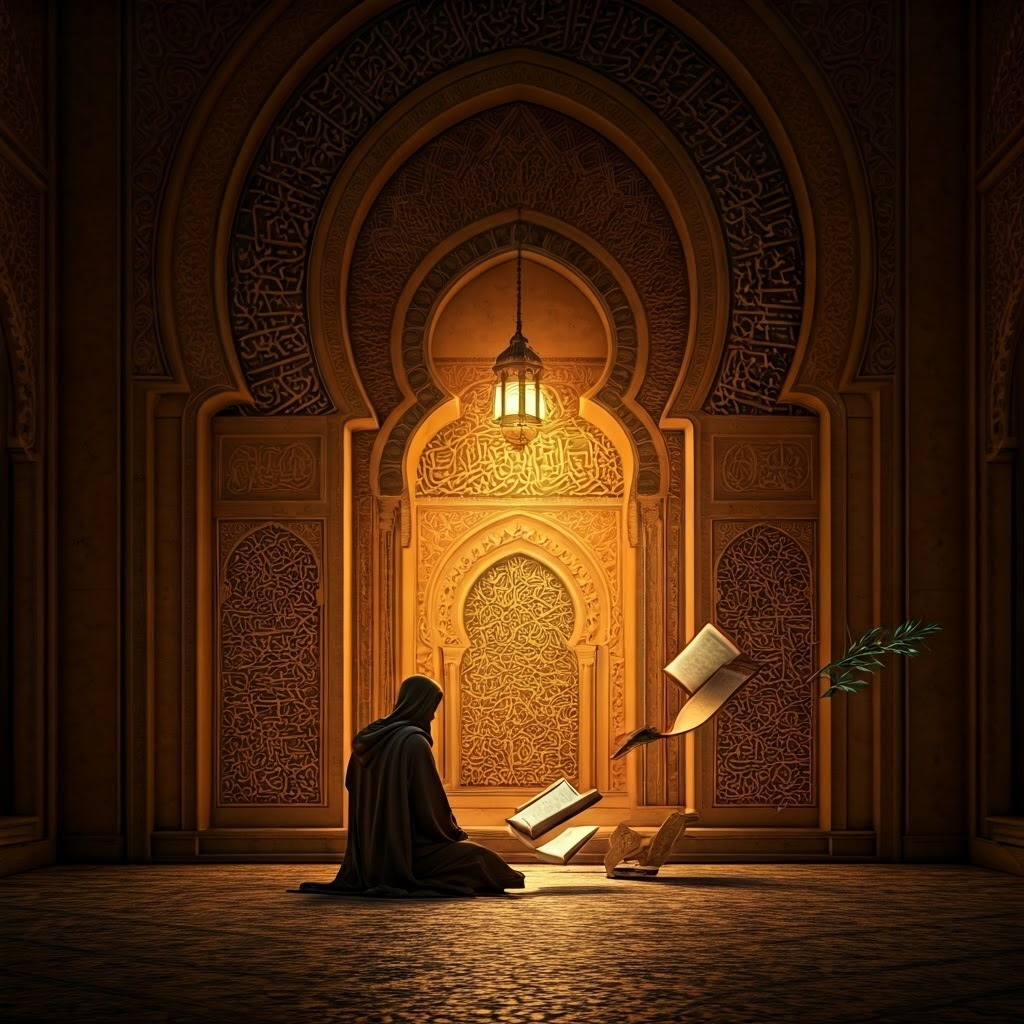
Islamic Sharia: Aims and Arguments
Sharia, “the path,” sets higher objectives—life, faith, mind, family, property. Maqasid thinking lets jurists adapt rulings on issues like organ transplants or climate change, always aiming at mercy and justice.

Sikh Rehat Maryada: Living the Code
The Rehat Maryada urges early rising, honest work, and shared meals. Langar breaks social walls as Sikhs serve anyone who enters. The code stresses dignity for all, backed by daily action.

Golden Rules and Virtue Ethics: What’s Shared?
Many traditions echo one idea—treat others as yourself. This golden rule offers a quick compass when laws run out. Virtue ethics adds that good habits create people who act rightly without a checklist.

Looking Back, Moving Forward
Sacred codes shape how you shop, speak, and stand up for others. Traditions offer guidance yet invite fresh interpretation. They are maps, not cages, and each generation redraws the route.
