
Heroes, Gods, and the Power of Story
From Campfire to Scroll: How Stories Traveled
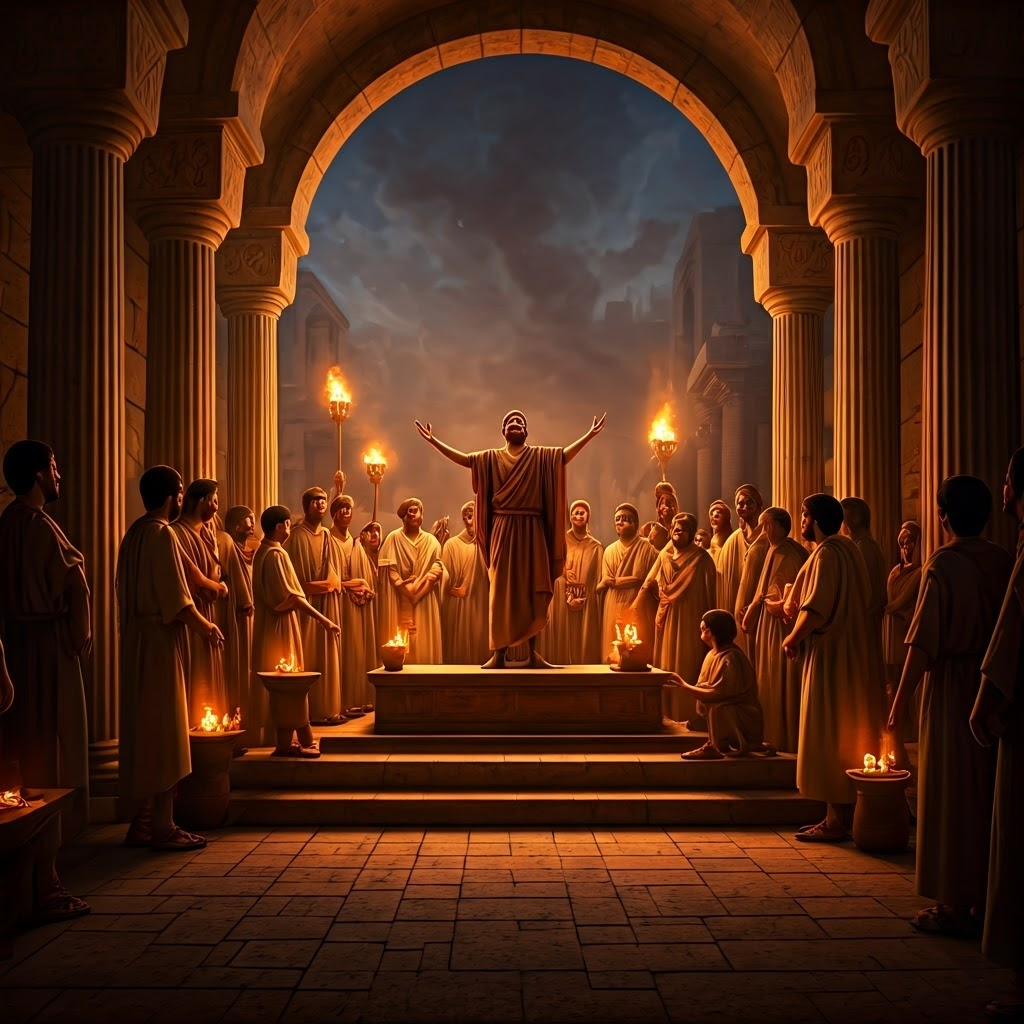
Before books or podcasts, stories lived only in shared voice. Greek performers named rhapsodes roamed from town to town. Crowds leaned in, ready to finish a forgotten line, because the tale belonged to everyone.
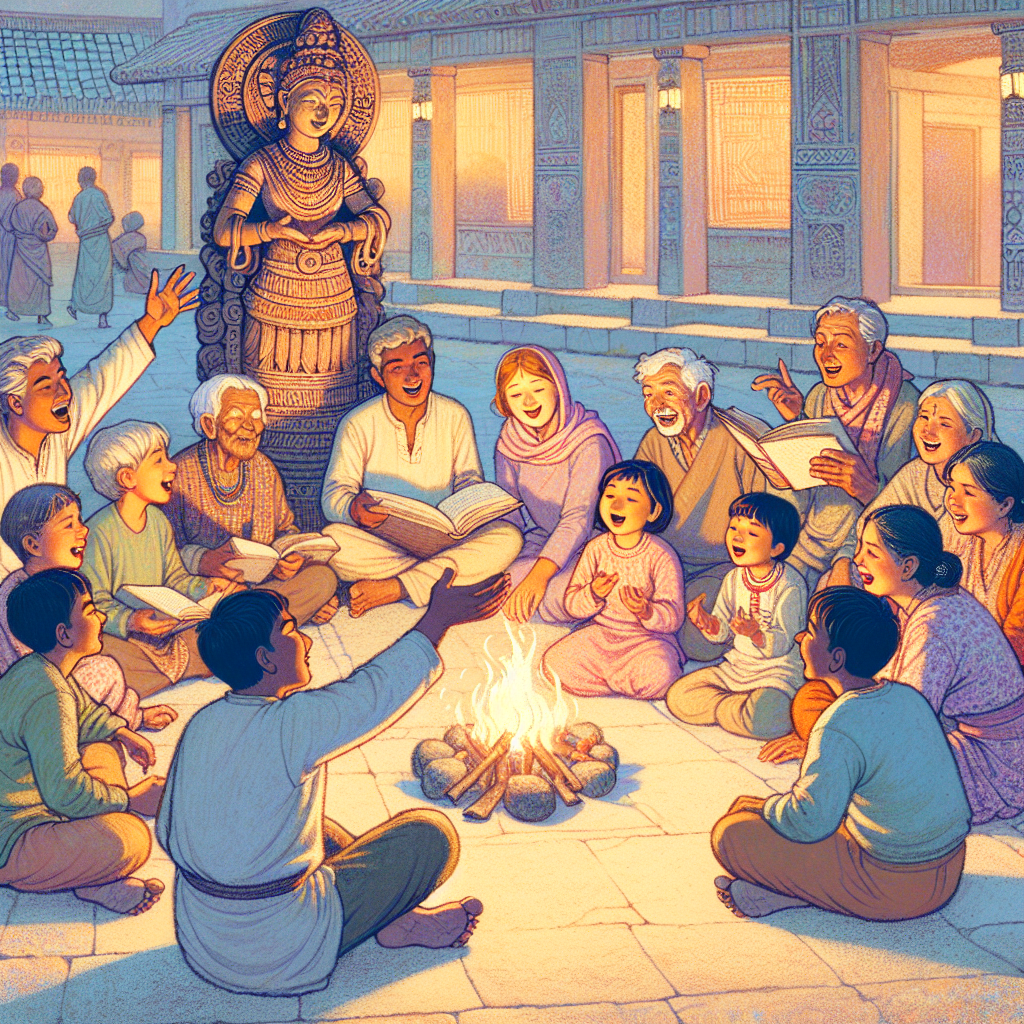
The oral tradition kept stories flexible. Each teller tweaked details—like today’s evolving memes—so the narrative stayed fresh. These living tales taught values by placing listeners in a hero’s sandals, turning memory into a strong, shared muscle.
Epic Tools: Similes, Meter, and Memory Tricks
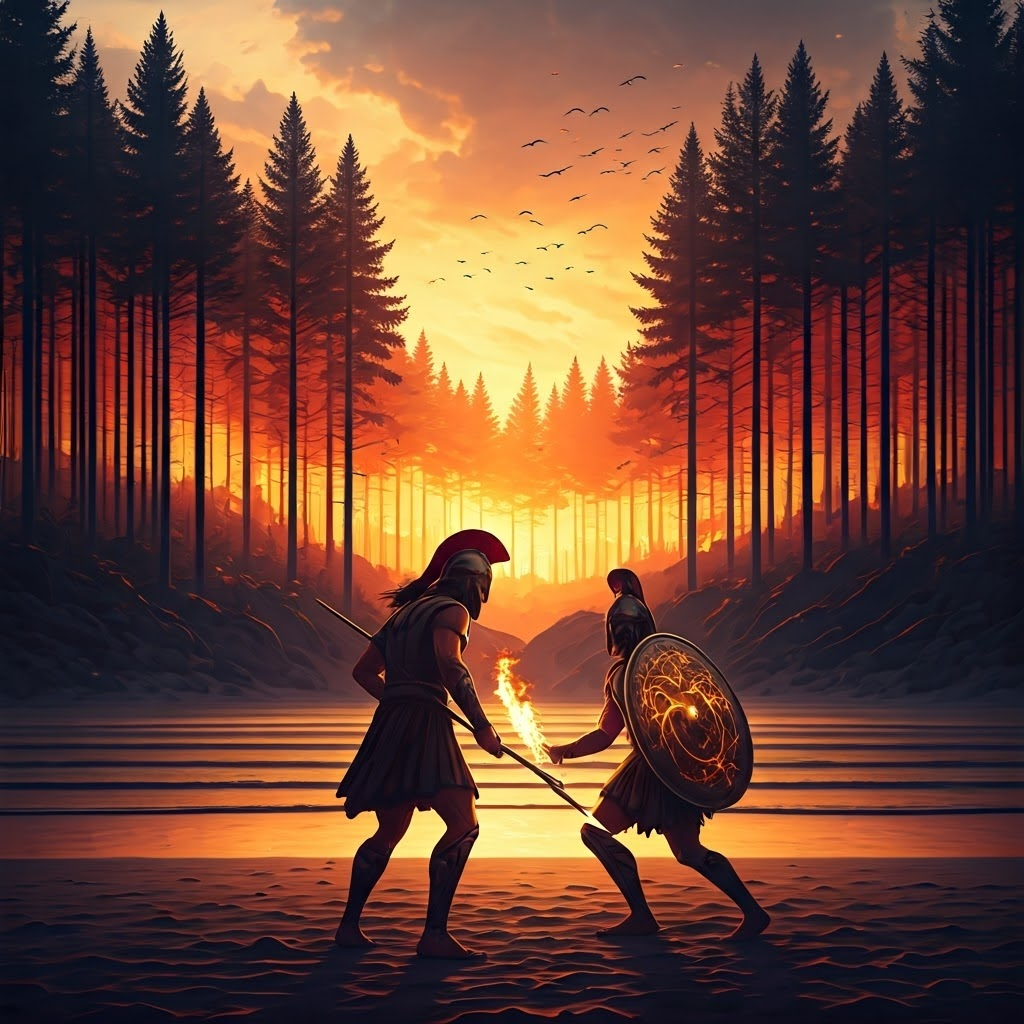
Reciting the Iliad or Odyssey without a script demanded clever aids. Long, vivid comparisons—Homeric similes—paused the action and painted gripping mini-stories that anchored memory.
Epic poets also relied on dactylic hexameter. The steady long-short-short beat acted like a drum, guiding the voice. Stock phrases such as “swift-footed Achilles” slipped neatly into the rhythm, marking a safe spot to recall the next scene.
Myth, History, and the Trojan Cycle
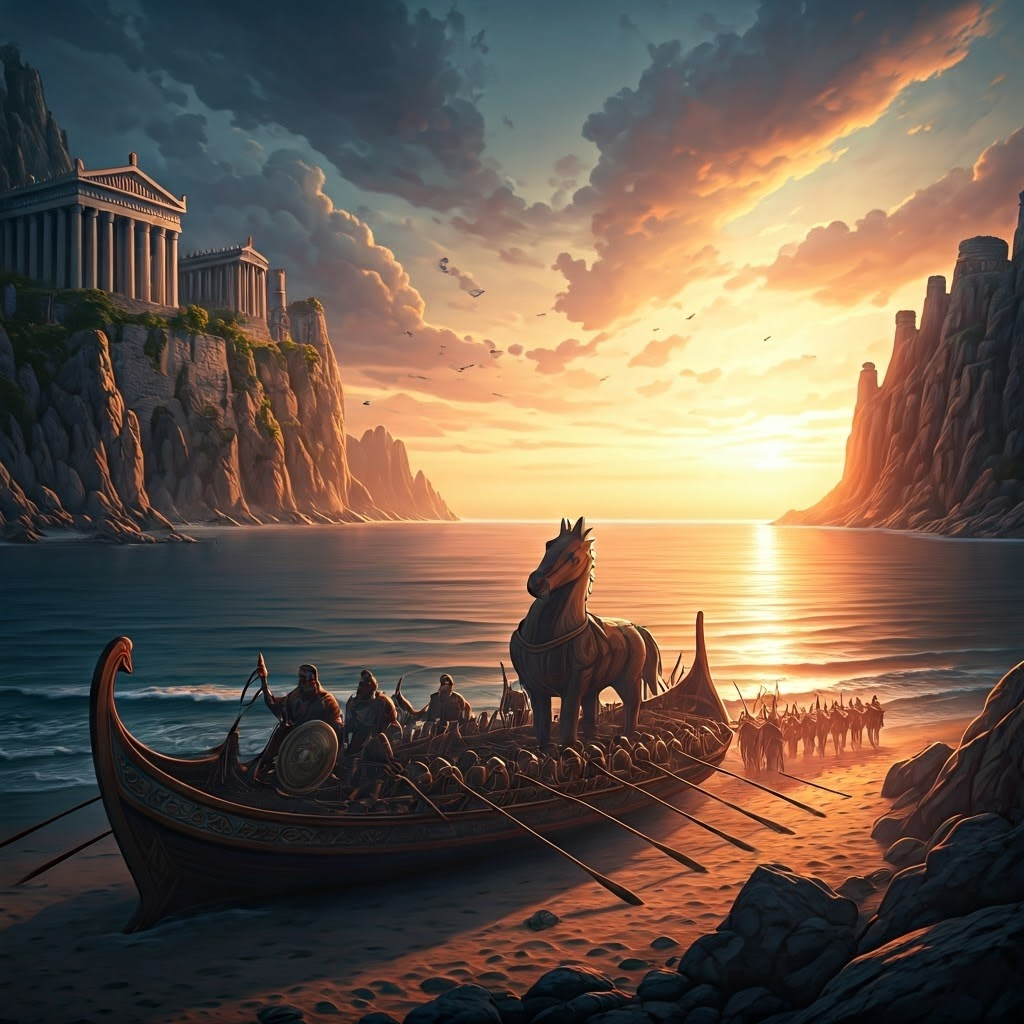
Ancient listeners blurred myth and history. The Trojan cycle—Paris, Helen, Achilles, the wooden horse—asked big questions about friendship, glory, and divine will. Archaeology hints at a real conflict near Troy, yet the war’s power lay in reflecting a soldier’s choices back at the audience.
Rome’s Origin Stories: From Troy to the Tiber
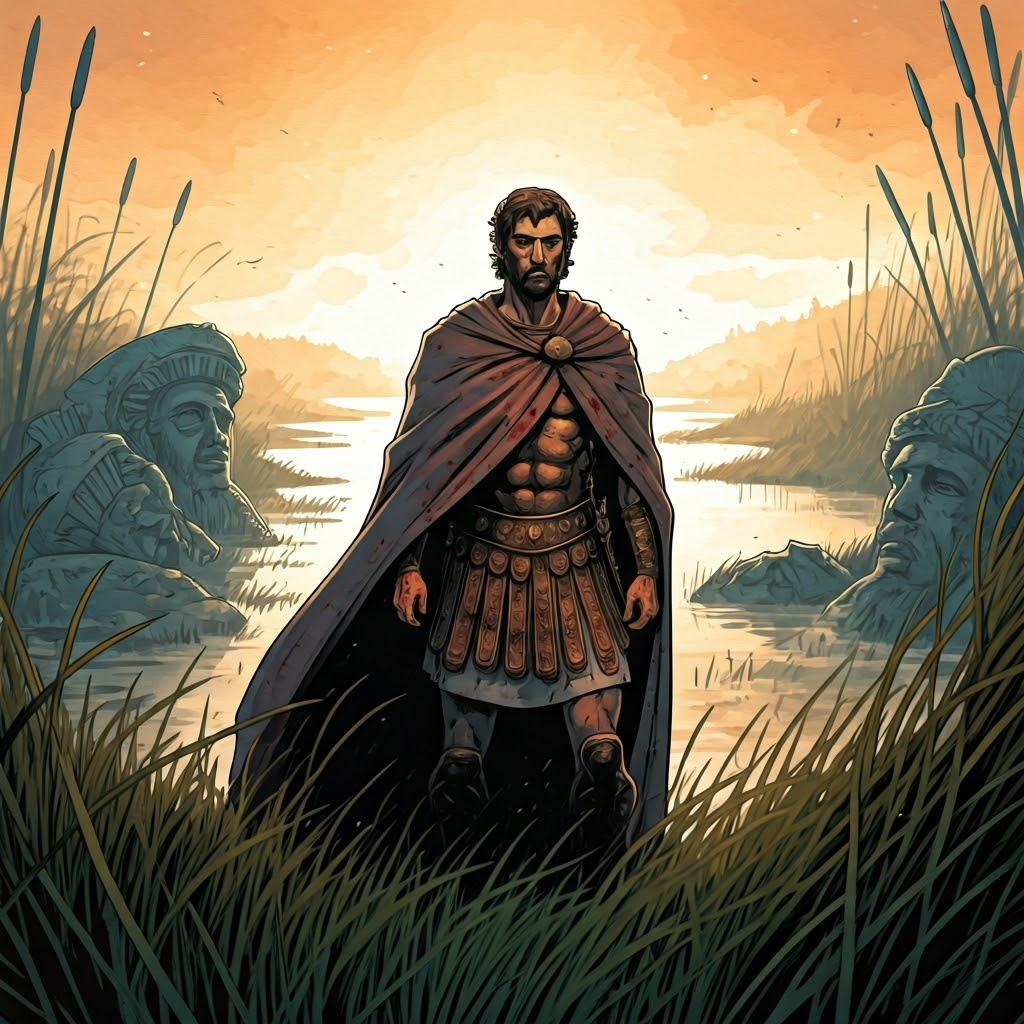
Rome borrowed Greek prestige through Virgil’s Aeneid. Heroic Aeneas escapes Troy, driven by pietas—duty over personal fame. His journey promised Romans an ancient pedigree and unified their diverse empire under a single founding myth.
Living with the Stories

Epic echoes linger today. We still mention an “Achilles’ heel” or call a tough journey an “Odyssey.” Each reference keeps the conversation alive, linking us to the first listeners who once waited, breath held, for the next heroic turn.
