
Smoke, Water, and the Cost of Progress
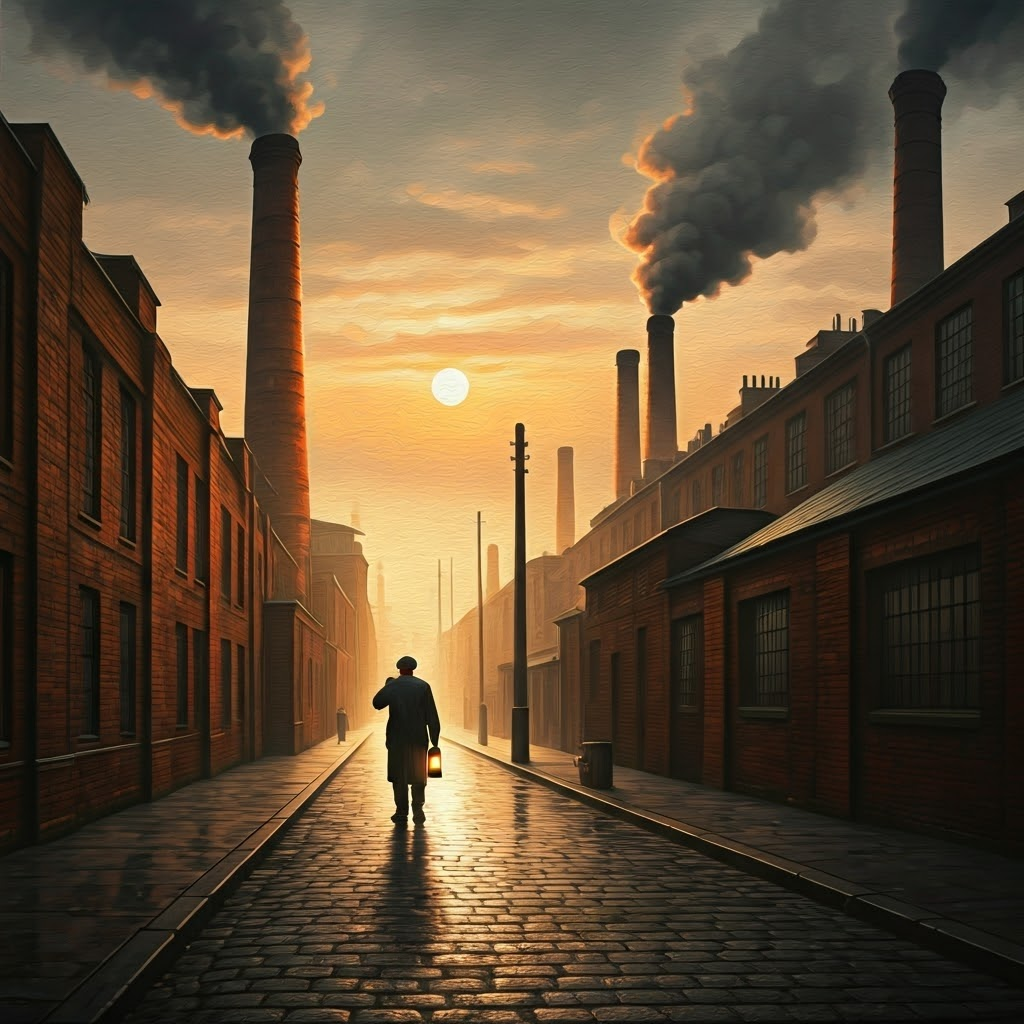
Imagine a skyline draped in dense gray haze. Early factories burned coal day and night, filling the sky with soot that dimmed the sun and left a bitter taste in every breath.
When wind shifted, dark clouds rose from hundreds of chimneys. The air grew gritty, and window sills turned gray no matter how often families wiped them.
Factories in the Air

People called it “pea soup” fog—smog so thick it made daytime look like dusk. Lanterns bobbed in the streets, and coughing fits became common.
Writers like Dickens spoke of London’s brown air, while visitors joked you could taste the city before you saw it. Soot and sulfur etched stone and lodged deep in lungs.
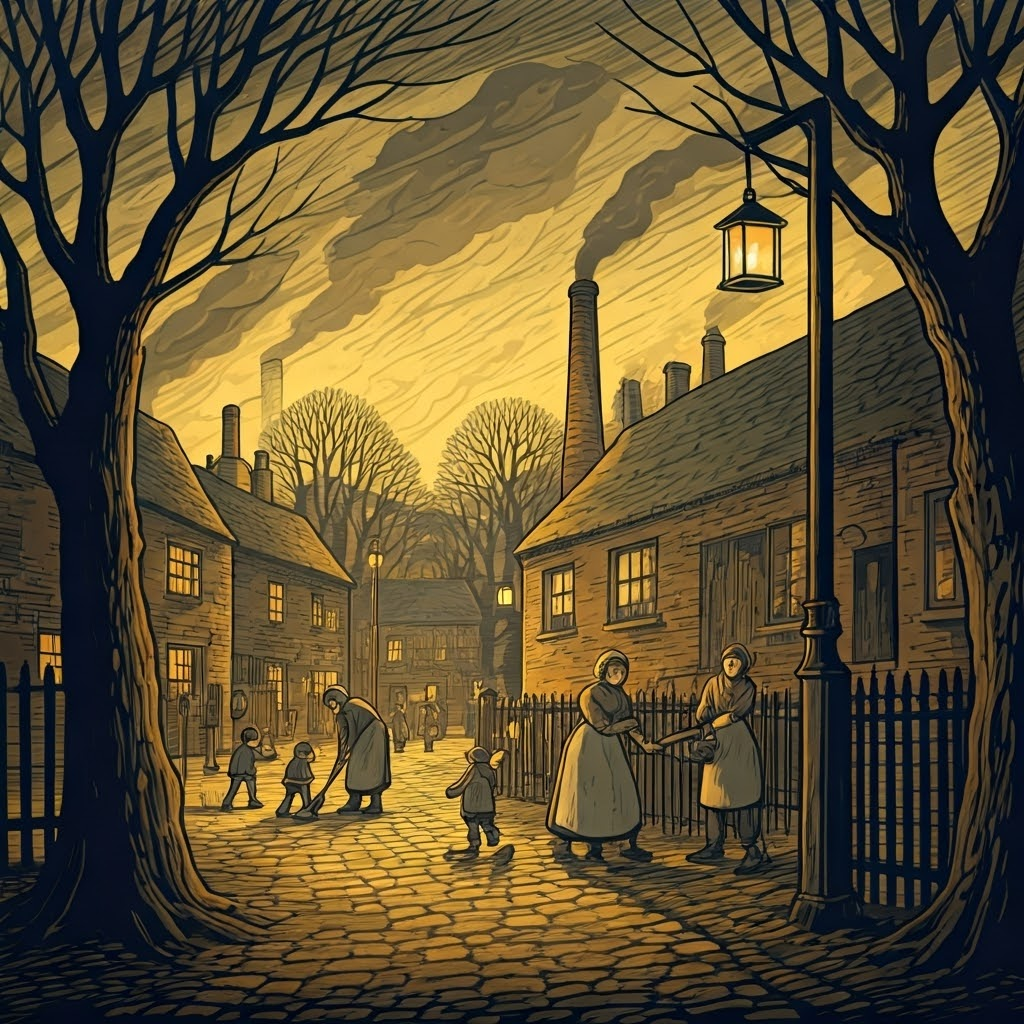
Killer smogs sometimes lasted days. Death rates spiked, and smaller factory towns earned nicknames like the “black country.” Trees collected dust instead of leaves, yet residents had little say over factory stacks.
Rivers in Trouble
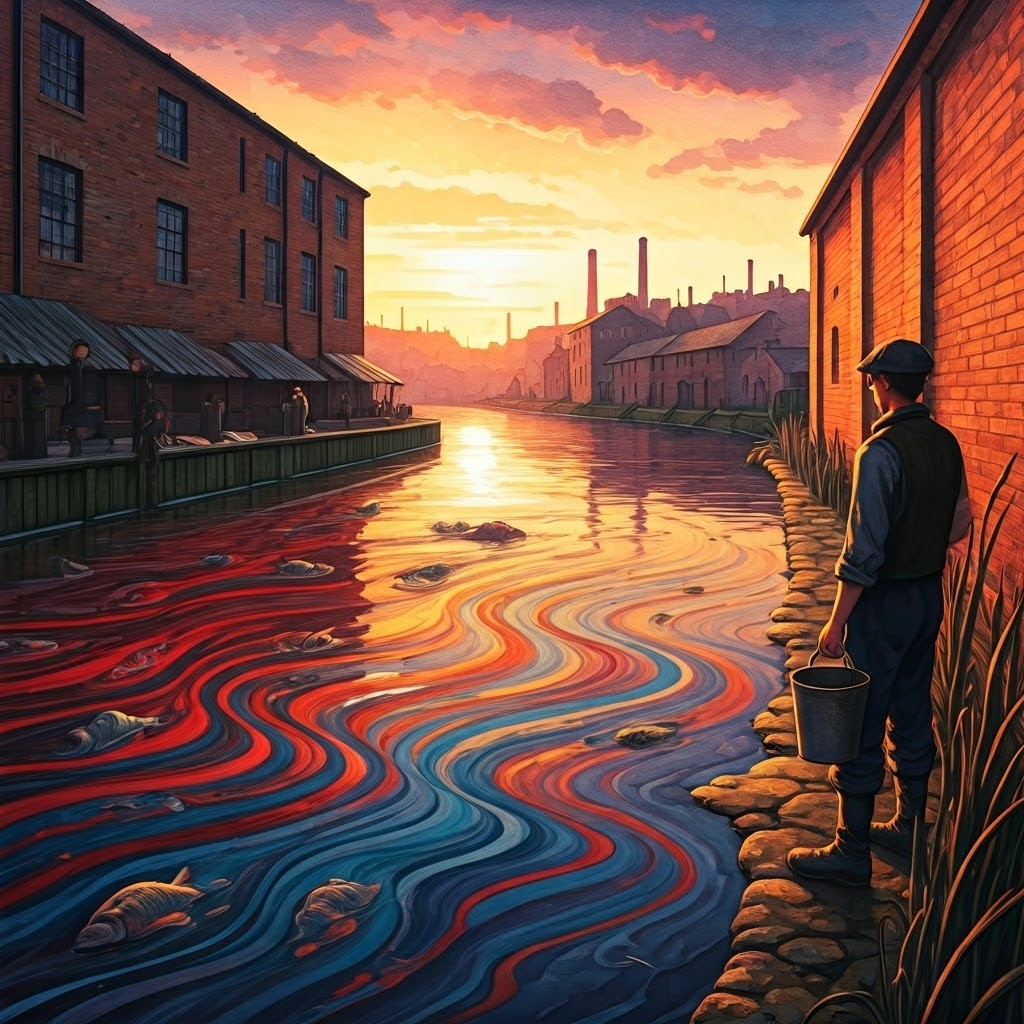
Rivers suffered alongside the air. Dye houses dumped leftover color straight into water, turning streams red, blue, or brown by the hour.
Acids from tanneries and chemical works killed fish and stripped riverbanks bare. Factory owners saw rivers as cheap drains for effluent and hot sludge.
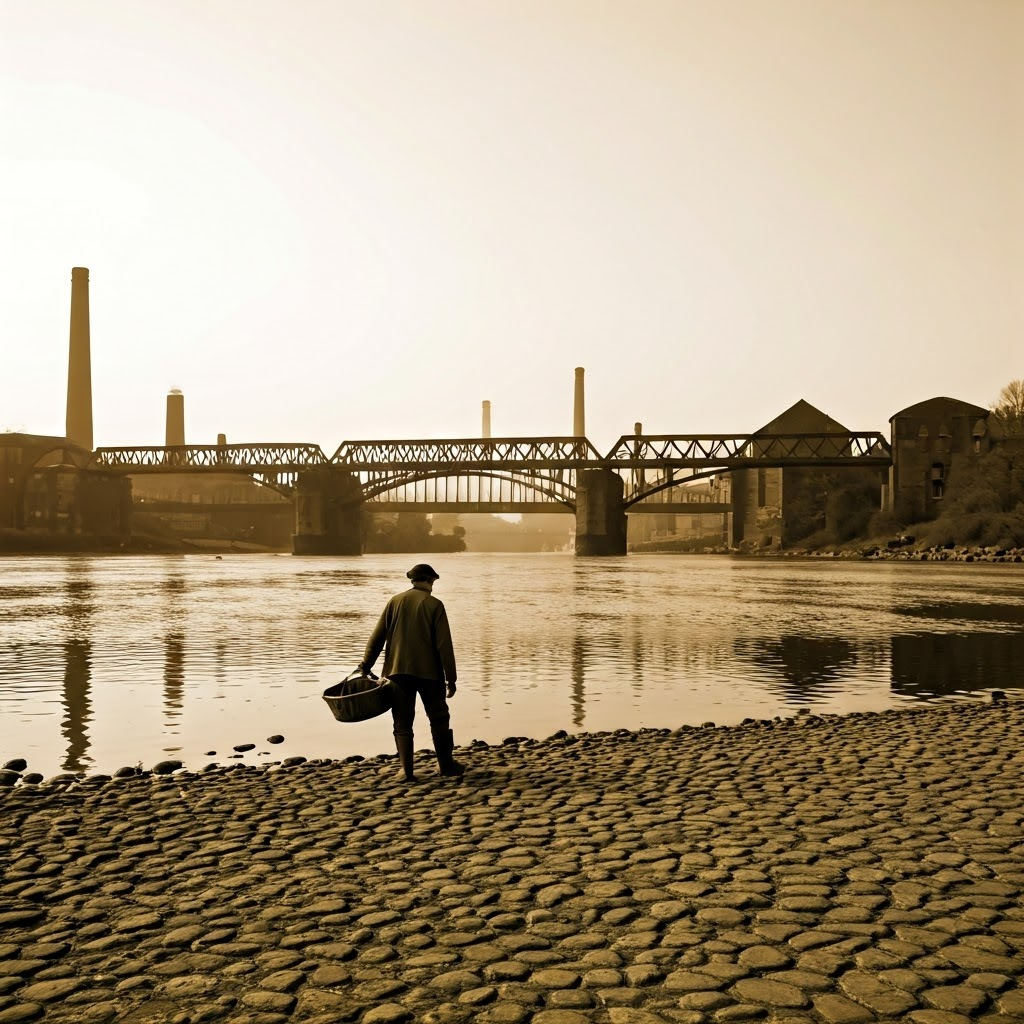
Early photos show baskets of trout; later letters mourned “dead” rivers. Locals joked you could guess the day’s cloth color from the water’s shade—proof of industry’s growing impact on daily life.
Digging Deep, Cutting Wide
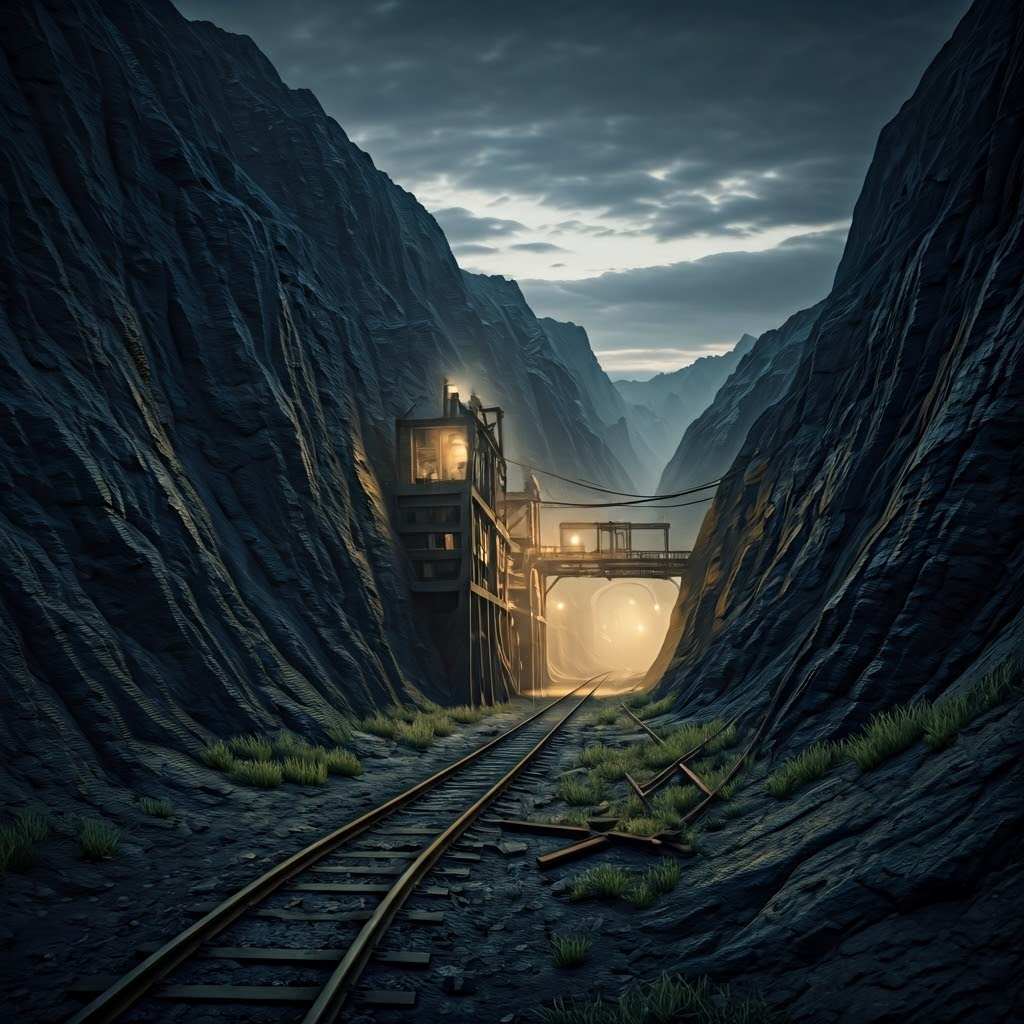
Industry craved fuel and space, so coal mining exploded. Deep pits scarred the land, leaving black slag piles and risky sinkholes near crowded towns.
Green hills turned gray. Rain washed dust into streams, and the ground sometimes collapsed as tunnels gave way beneath unsuspecting streets.
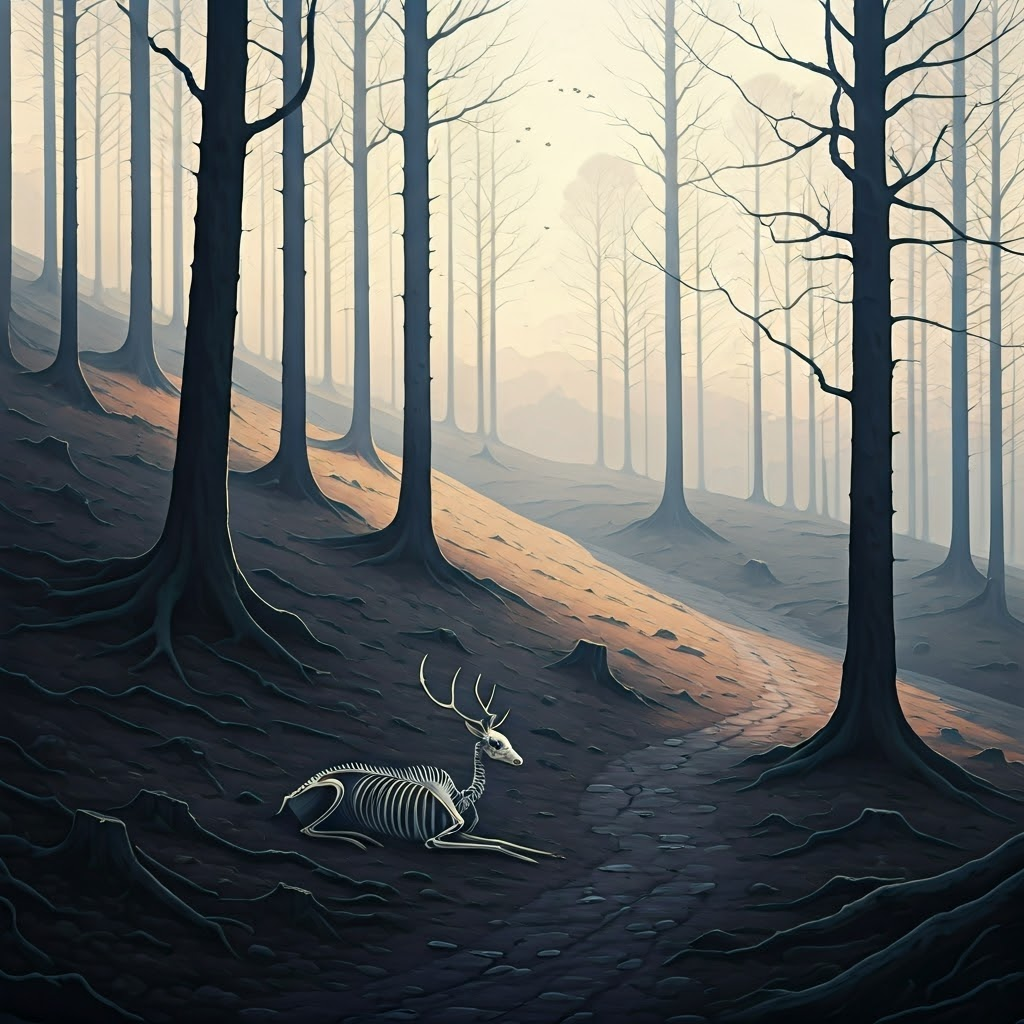
Deforestation followed. Forests that once sheltered oaks and birch vanished for charcoal, housing, and early machinery. Many were never replanted, and wildlife simply disappeared.
The Hidden Costs and the Echoes Today
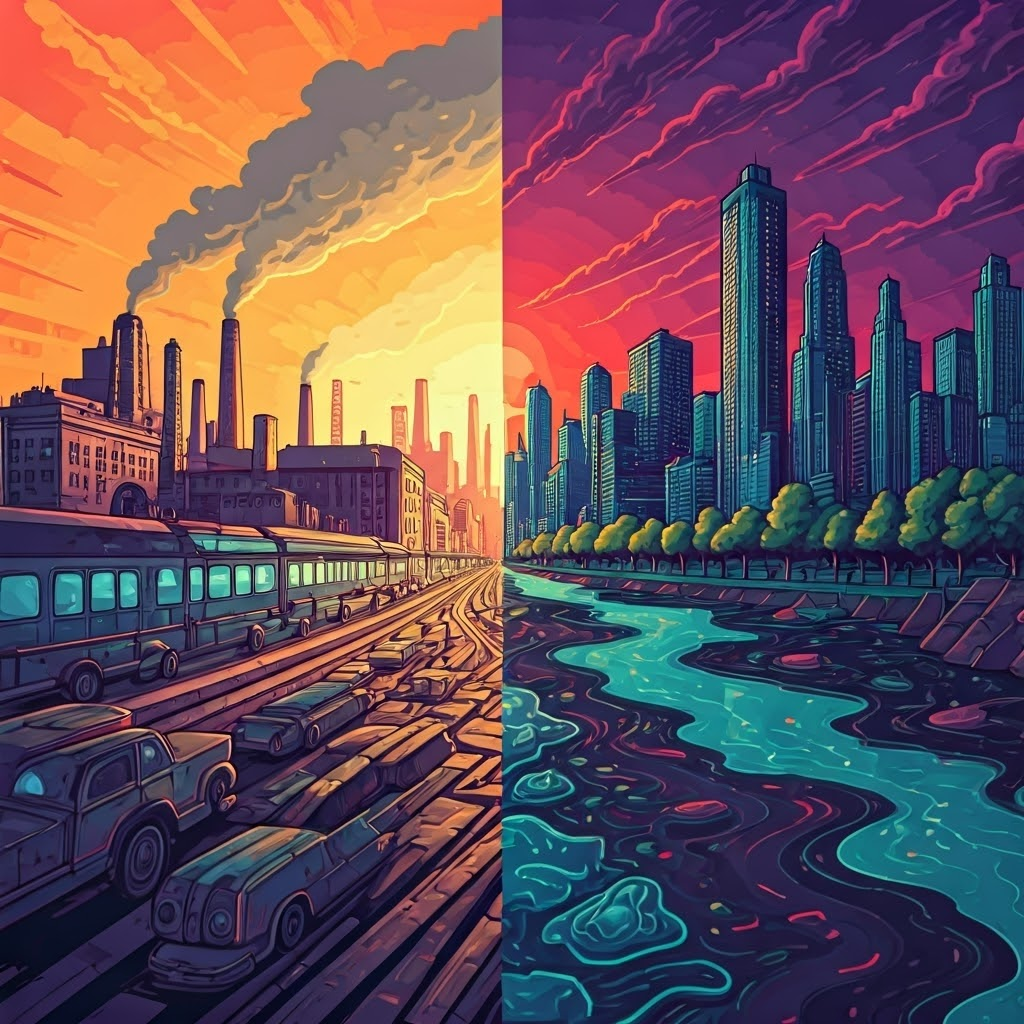
Smoke-filled skies, chemical rivers, and stripped hills marked a new human-environment relationship. Progress moved quickly, and every invention left an unseen footprint.
We still feel the echoes. Cars now outpollute coal, microplastics replace dye, and forests vanish elsewhere as fast as England’s once did.
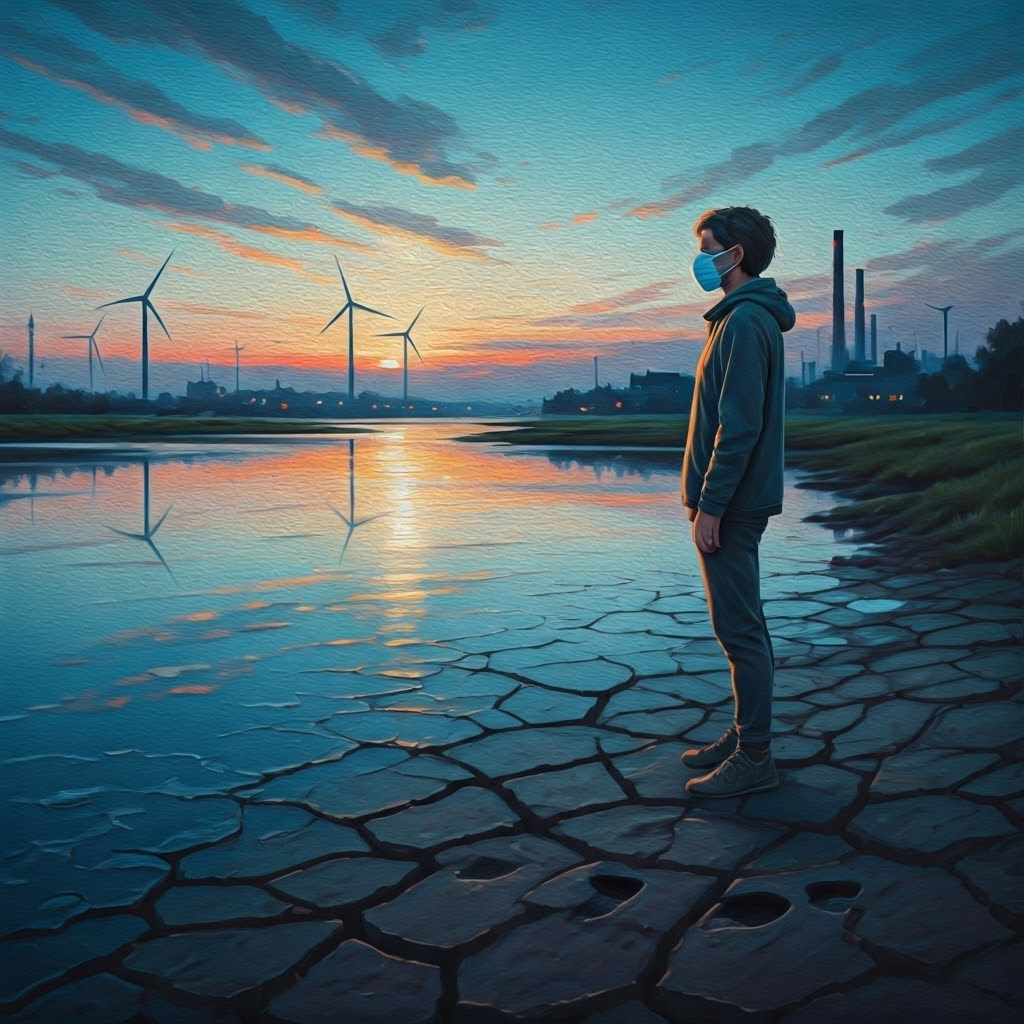
Each leap in progress reshapes air, water, and land—costs not counted in money alone. The whispers of the first factories remind us to notice the price we pay for the future we build.
