Unlocking Your Body’s Energy Engines
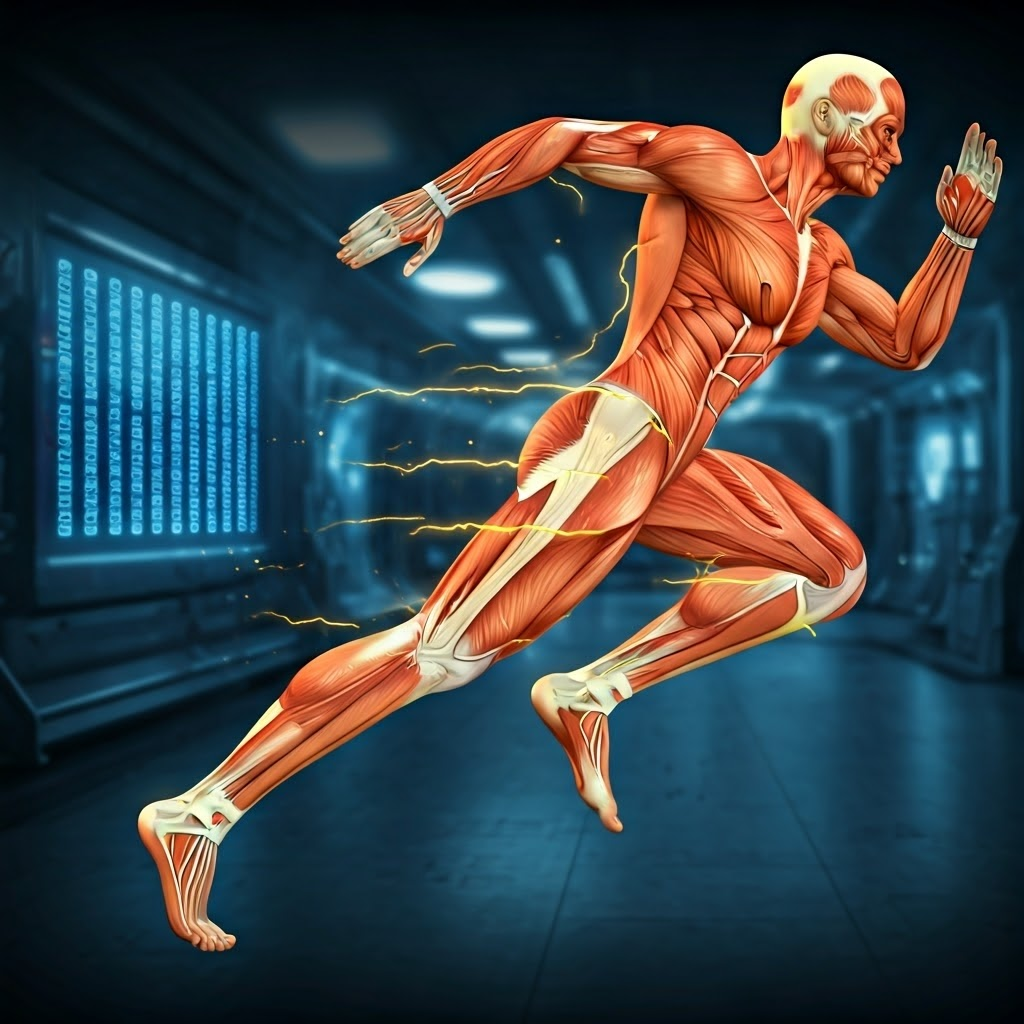
How Your Muscles Get Moving
Every movement relies on ATP, the body’s tiny rechargeable battery. When you contract a muscle, you spend ATP, turning it into a lower-energy form that must be recharged so you can keep moving.
You store only enough ATP for about two seconds of intense effort. Sprint across the street, and that supply vanishes. Your body must create fresh ATP fast or you stop in your tracks.
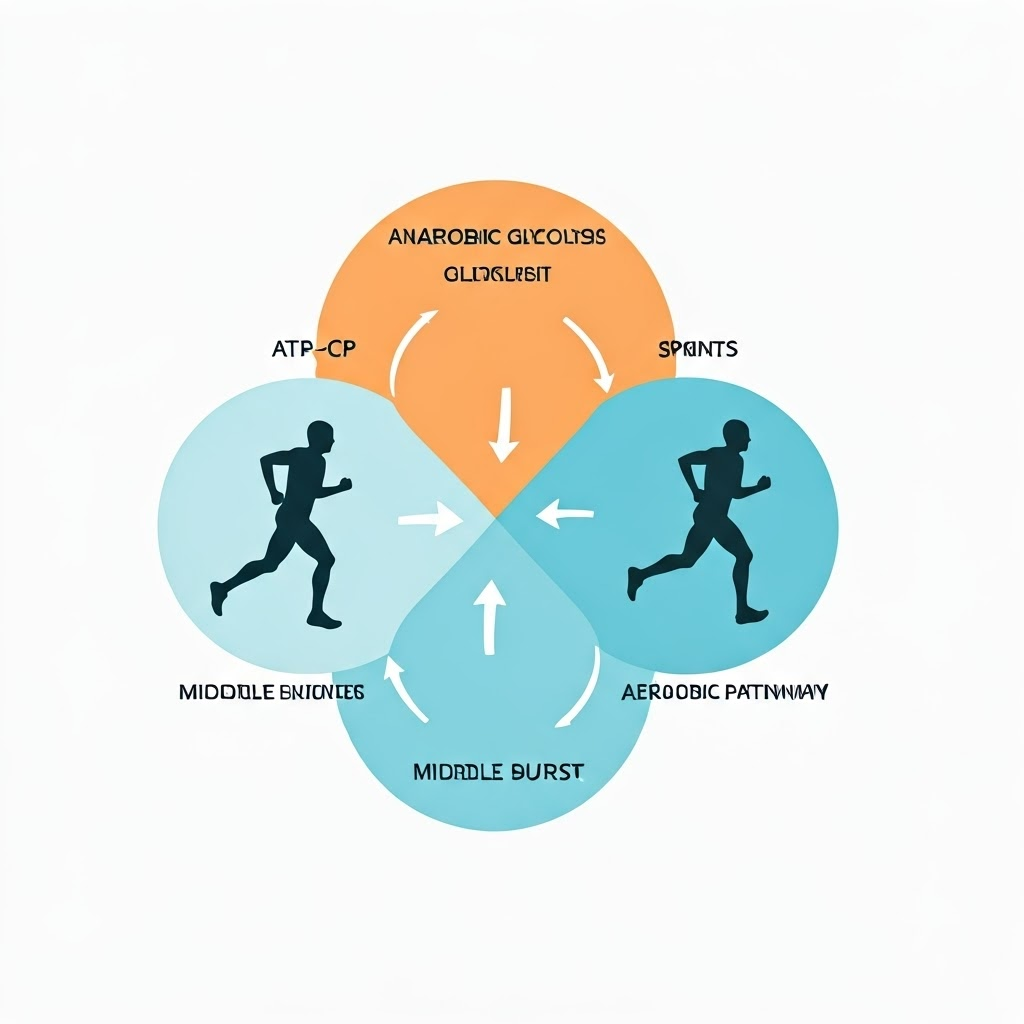
Three main energy systems step up like a relay team. Each one works at a different speed and powers you for a specific duration so you can stay in motion.
The Quick Spark: ATP-CP System
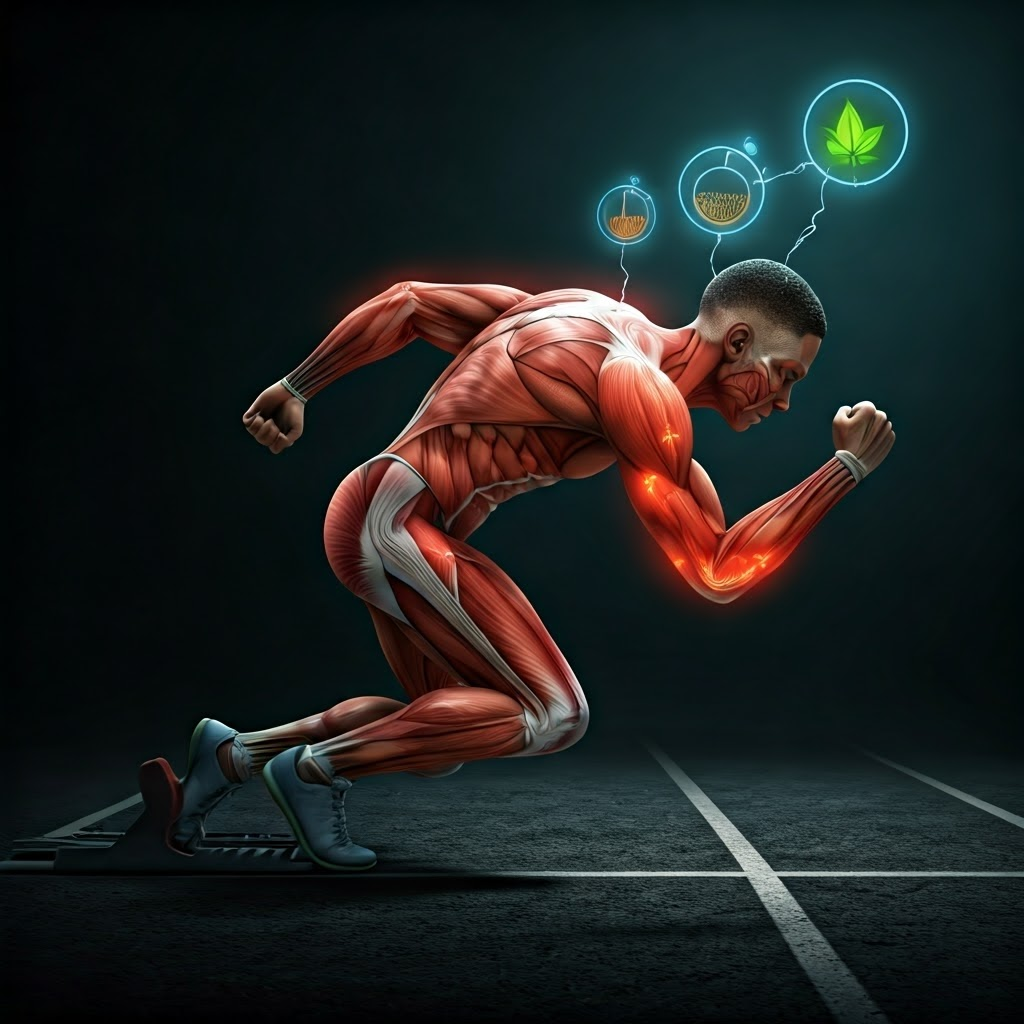
The ATP-CP system acts as your emergency generator. Creatine phosphate in your muscles instantly rebuilds ATP for explosive moves like a broad jump or heavy lift.
This surge lasts only five to ten seconds—similar to hitting a video-game turbo button. After those few seconds, creatine phosphate is empty and needs several minutes of rest to refill.

The Middle Gear: Anaerobic Glycolysis
When the quick spark fades, anaerobic glycolysis takes over. Your muscles break down glucose without oxygen to keep ATP flowing for efforts that last roughly ten seconds to two minutes.
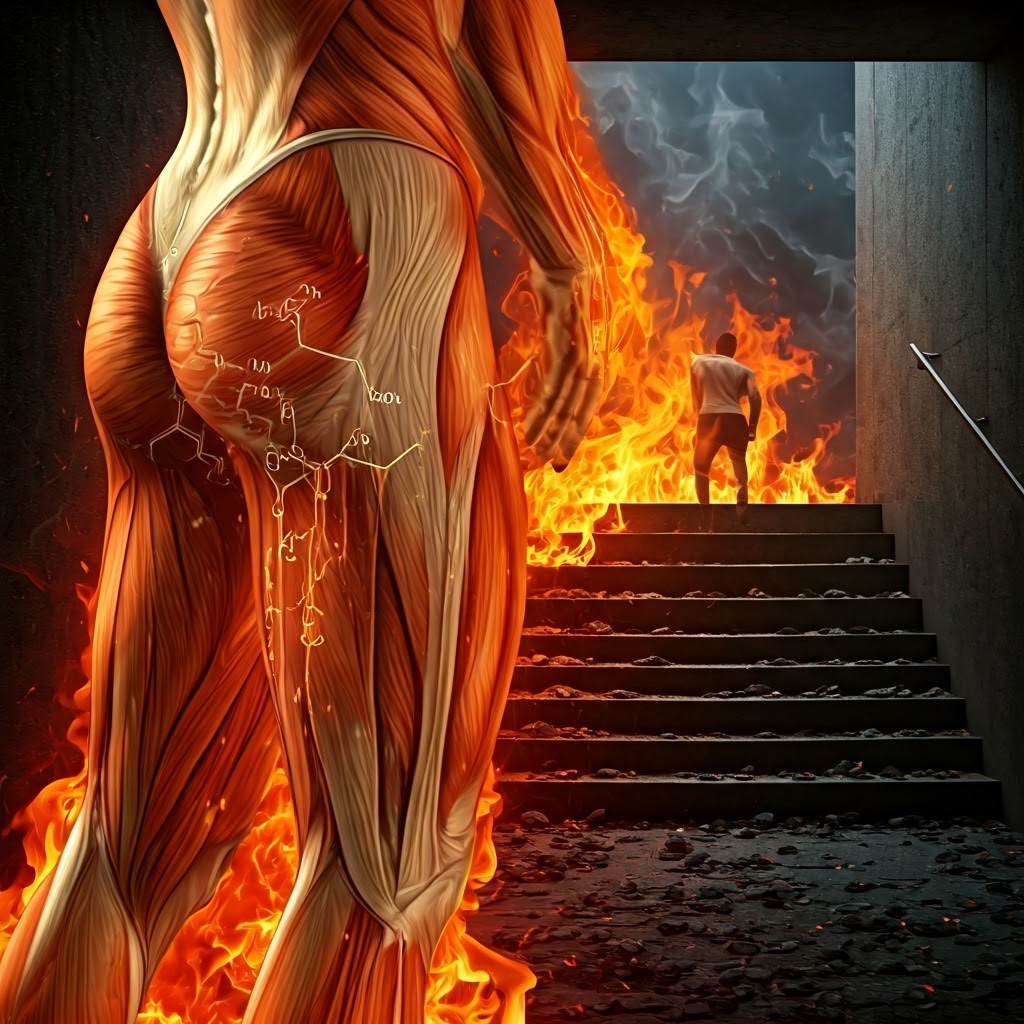
This pathway is slower than ATP-CP but still quick. Think of a hard 400-meter run or an uphill bike sprint when your legs start to burn.
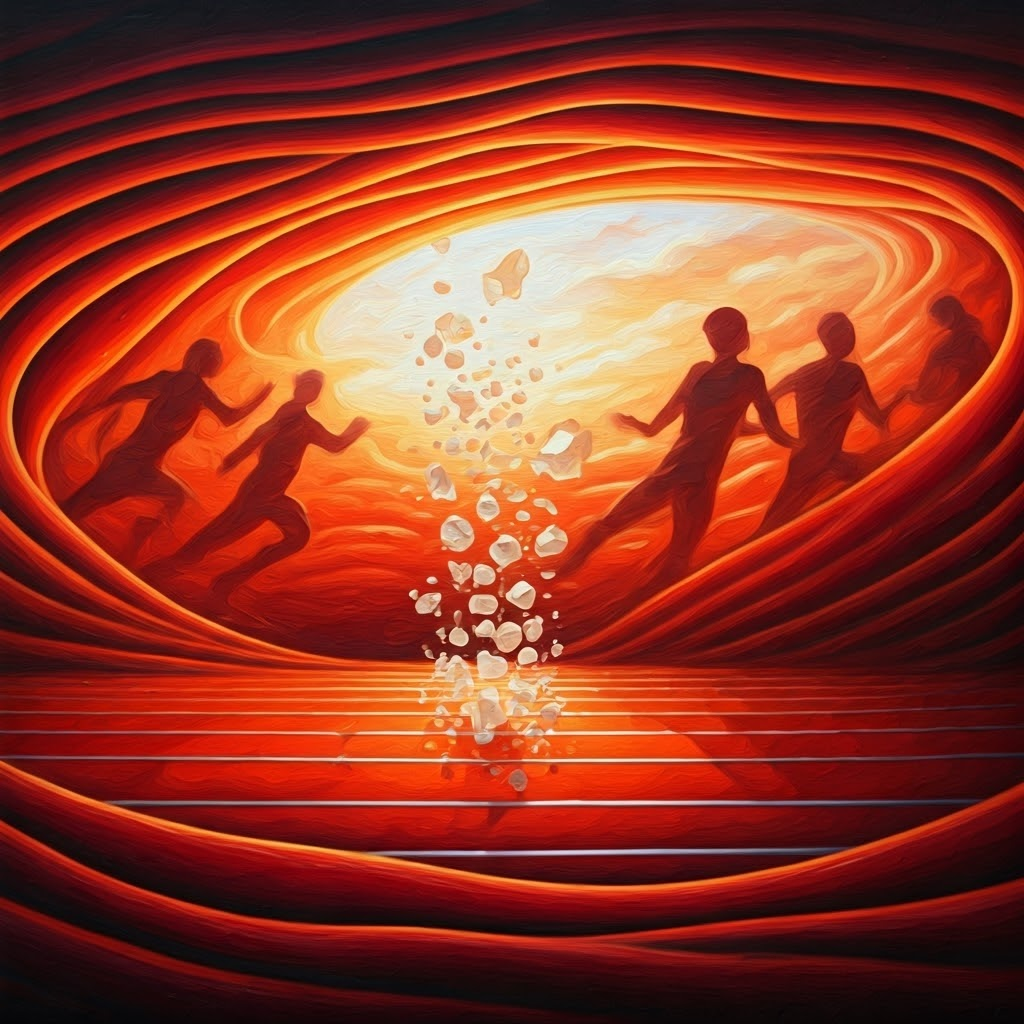
The trade-off is lactate and hydrogen ions. They build up and create that familiar burn, eventually forcing you to slow down if the effort continues.
The Long Haul: Aerobic Pathway
For activities lasting several minutes or more, the aerobic system supplies ATP. Using oxygen, it taps carbohydrates, fats, and a bit of protein to deliver steady energy for hours.
This pathway is slower yet built for endurance. It powers walking, jogging, tennis, and long rides, letting you go farther once the faster systems fade.
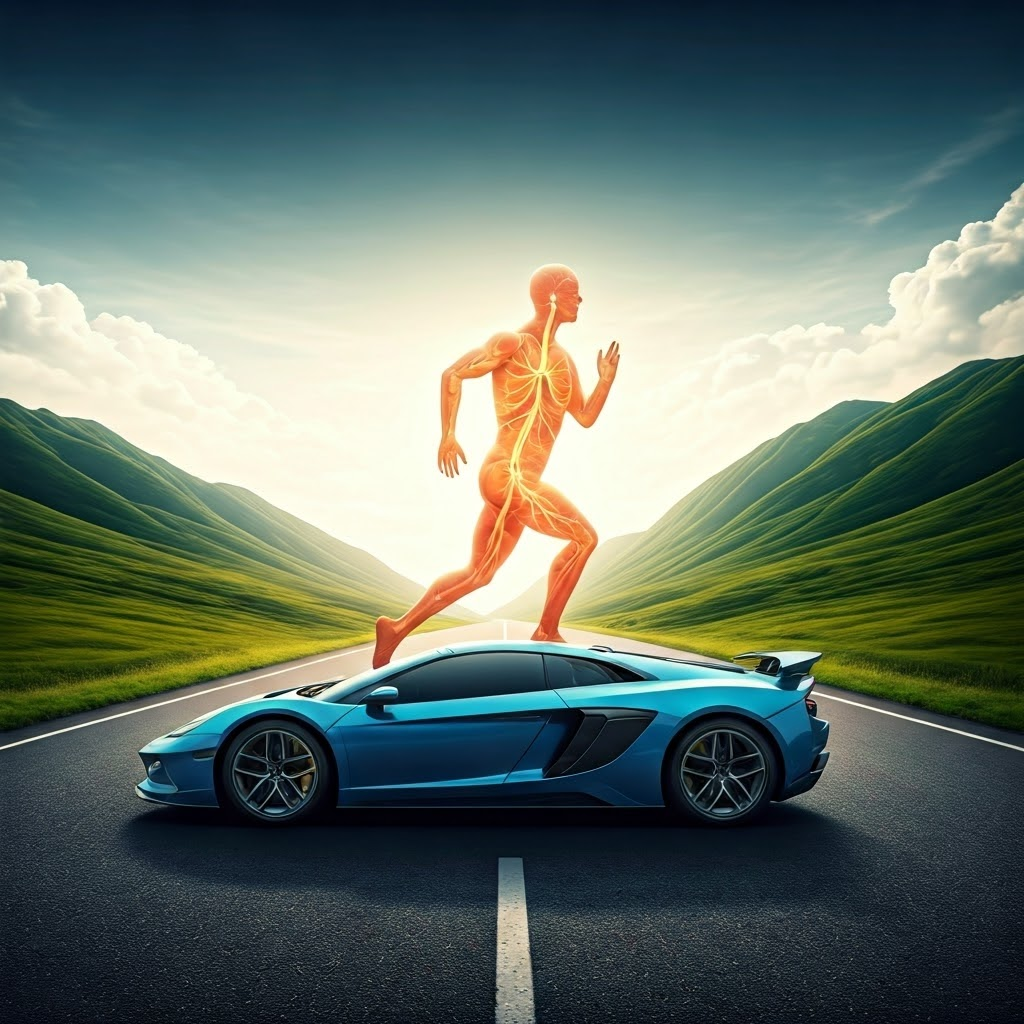
Training improves how efficiently your muscles use oxygen and store fuel. Over time, you move faster and longer before fatigue sets in.
Why Oxygen Matters
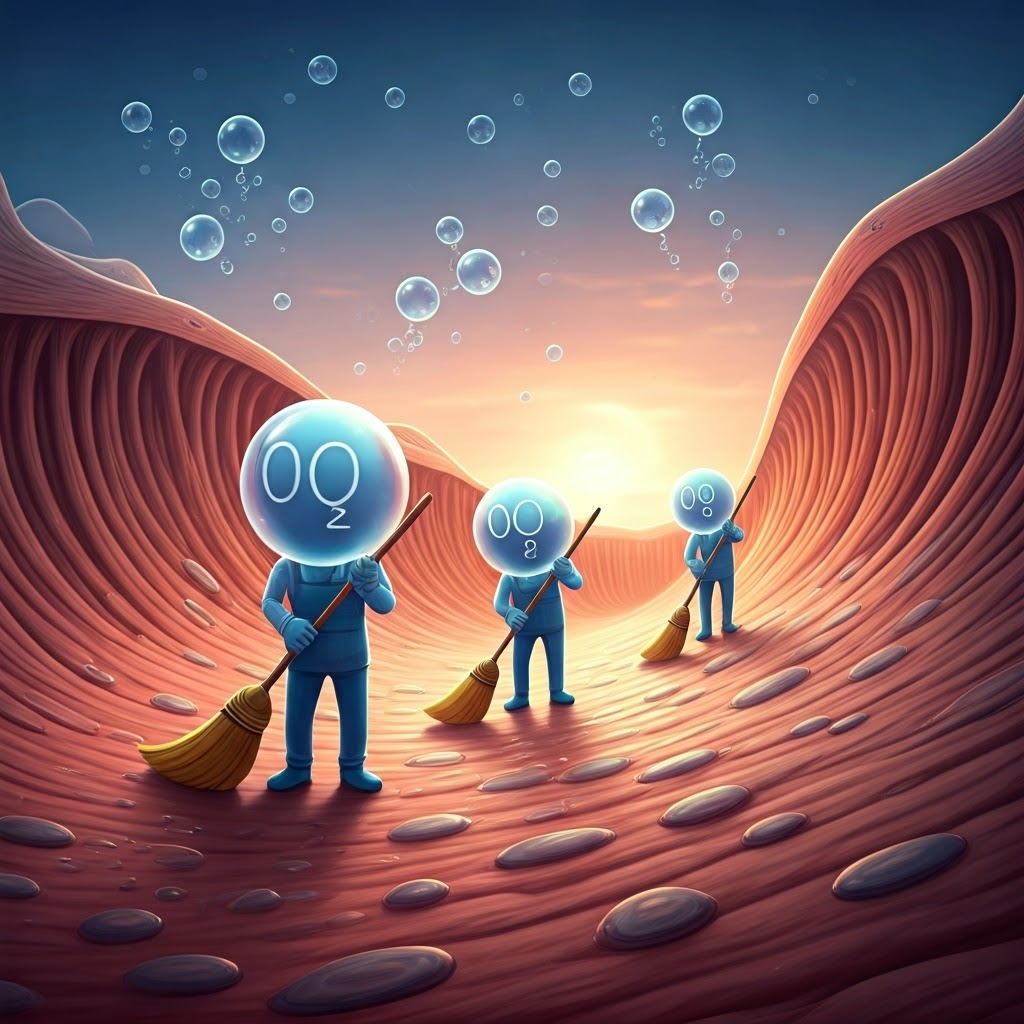
Oxygen works as both power plant and cleanup crew. The aerobic system uses it to create ATP while clearing lactate from hard efforts, turning waste into usable energy or harmless byproducts.
That is why you breathe hard after you stop—your body is catching up on cleanup duties.
Mixing It Up: How Your Body Switches Gears
You rarely rely on a single system. Instead, they blend smoothly. In a soccer game you sprint (ATP-CP), chase briefly (anaerobic), then jog to recover (aerobic).
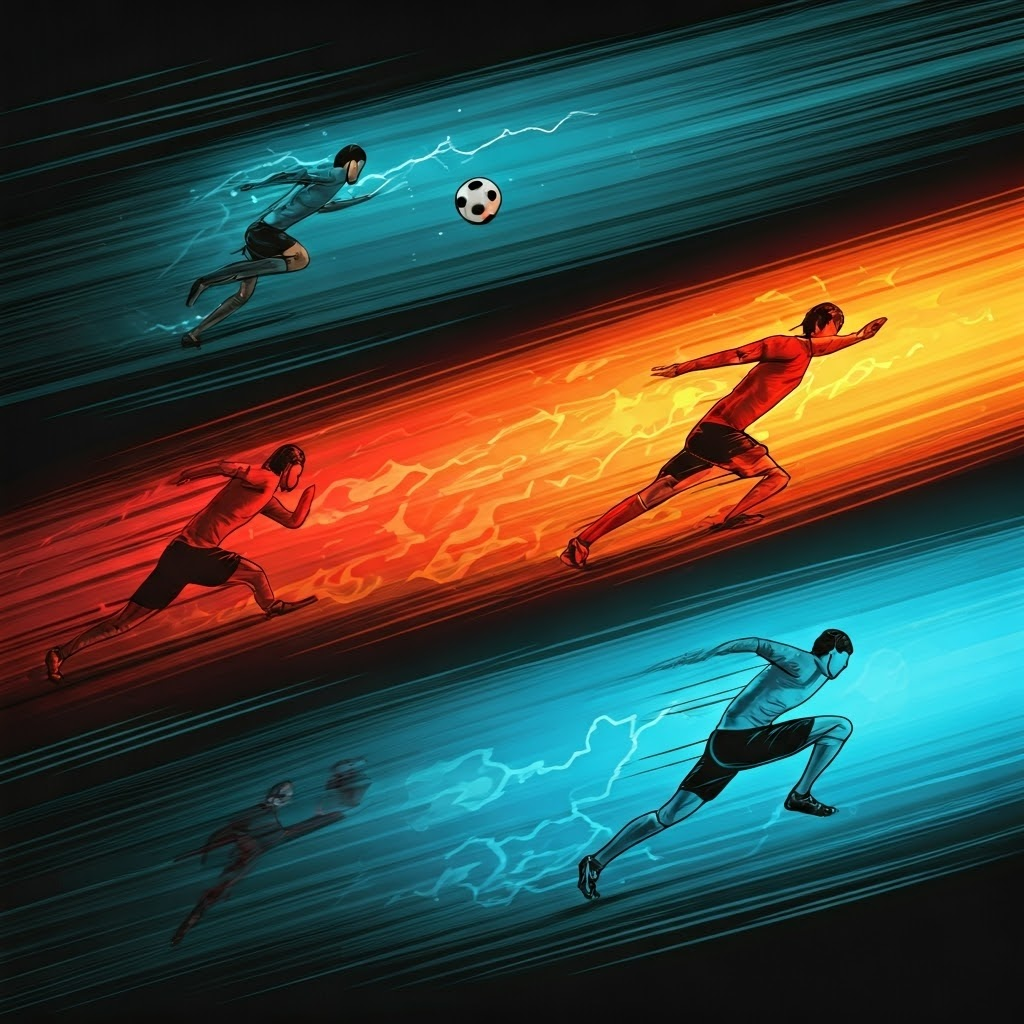
The first seconds of any activity use ATP-CP. As time passes you tap anaerobic glycolysis, then settle into aerobic mode. Training refines these transitions so you avoid early fatigue and maintain speed.
Everyday Example
Picture a brisk neighborhood walk. The opening steps up a hill spark ATP-CP. A minute later, you pick up speed and feel breathless—anaerobic glycolysis kicks in. Settle into a steady pace and your aerobic system runs the show.
Why This All Matters for You
Understanding these energy engines lets you plan smarter. Fuel with carbs for short, hard sessions, enjoy balanced meals for longer outings, hydrate with water and electrolytes, and rest so every system can recharge.
When you match food, effort, and recovery, you move stronger, feel better, and keep your momentum session after session.