
What Is Energy, Really?
(Title card—no image.)
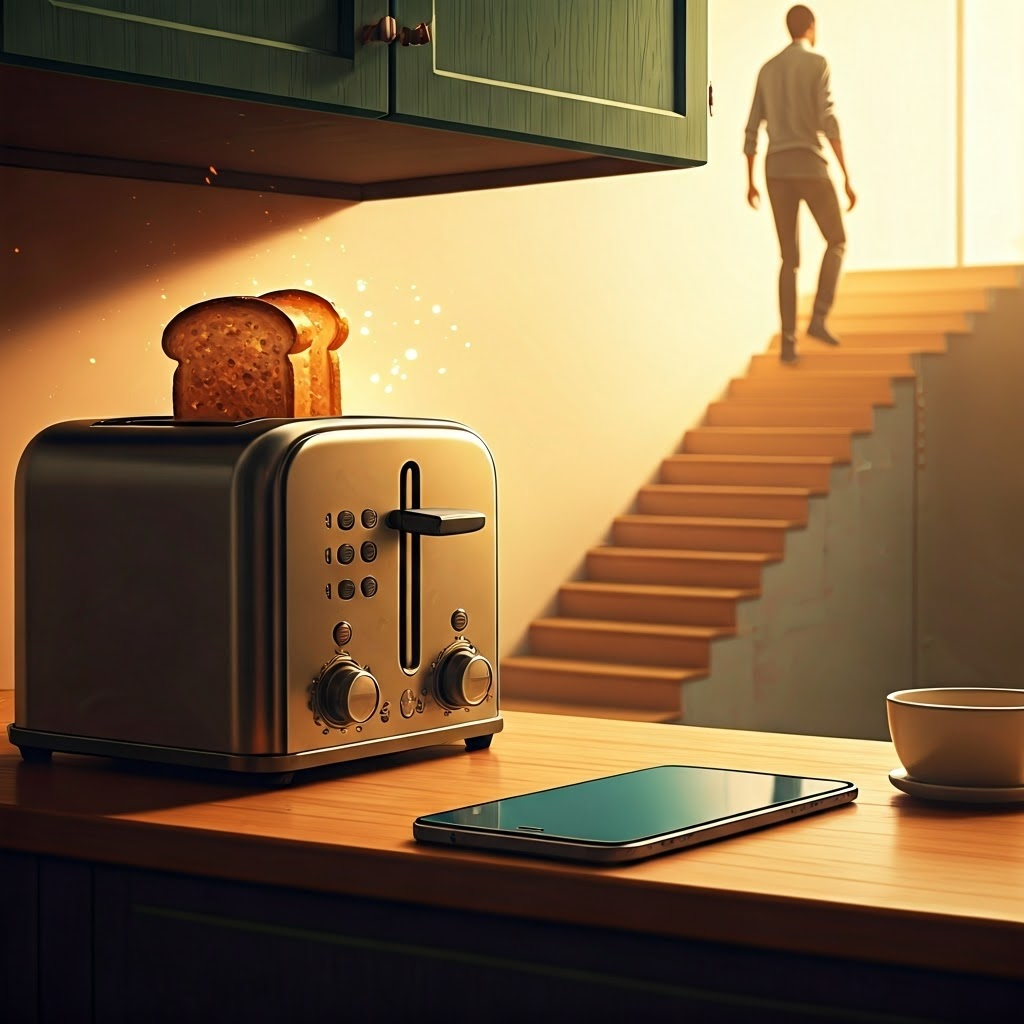
Energy makes things happen. You can’t grab it, yet you feel it when your phone lights up or toast pops. In simple terms, energy is the ability to do work or cause change.
Your breakfast stores chemical energy. When you bike afterward, your body converts that stored energy into movement and heat. One form turns into another—that’s how daily life flows.
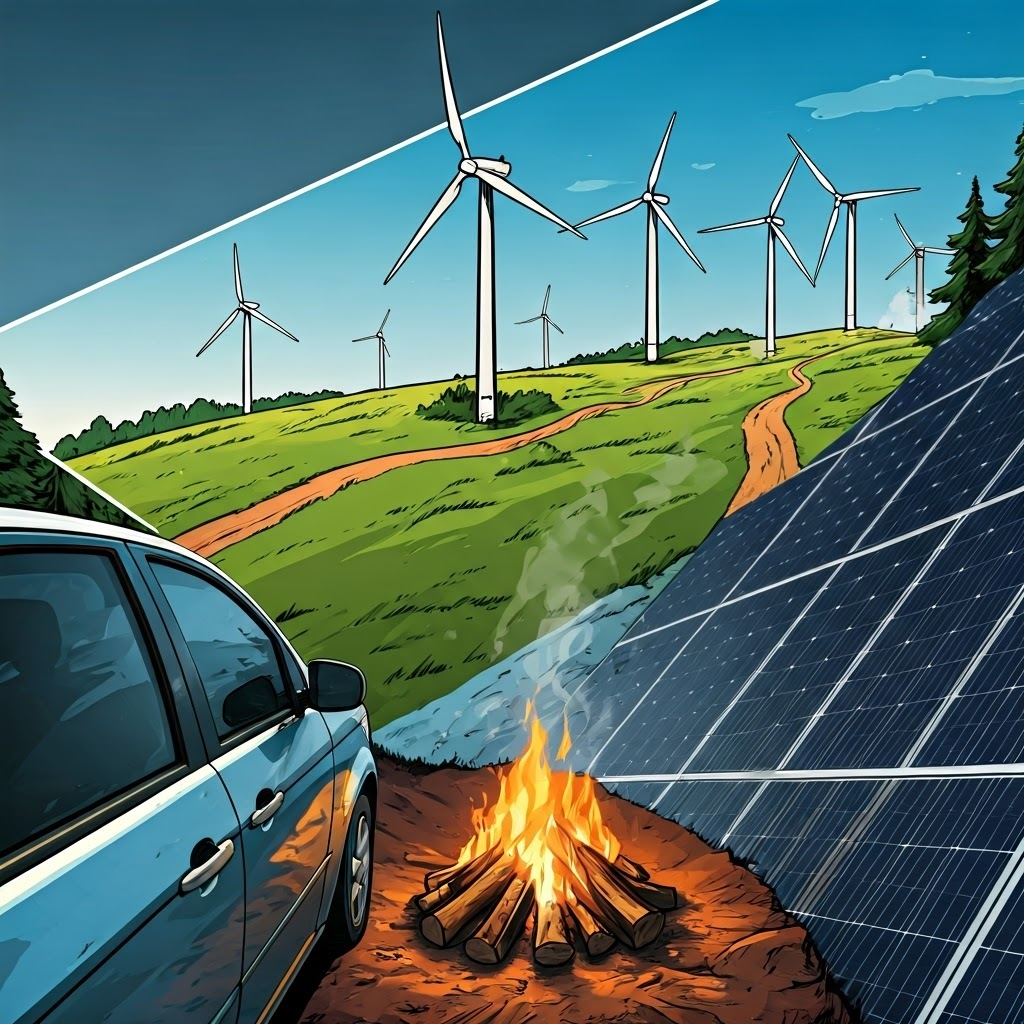
Energy hides in plain sight. Gas in a car tank, wind spinning blades, or sunlight on panels are all potential energy waiting to turn useful. Every warm room or lit screen depends on these hidden stores.
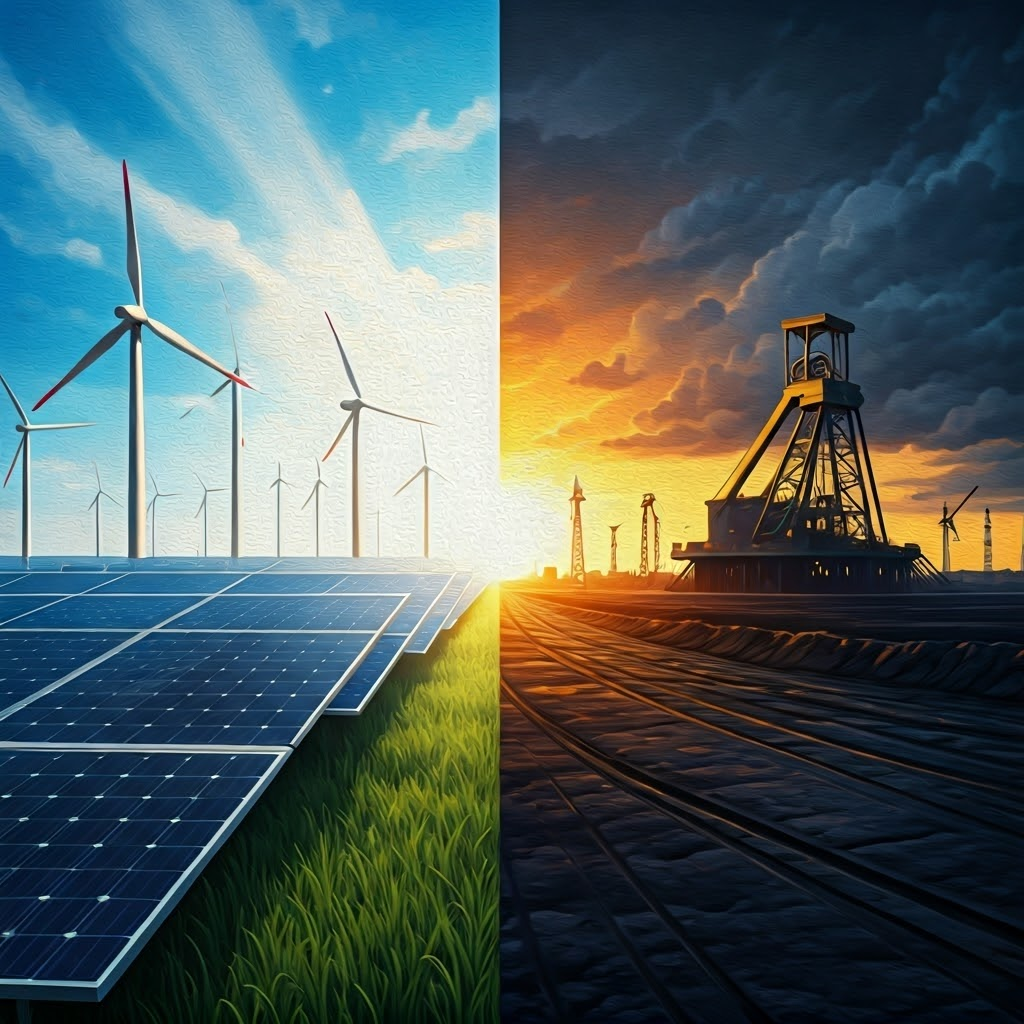
Sources fall into two groups. Renewable energy—sun, wind, water—replenishes quickly. Non-renewable energy—oil, coal, natural gas, uranium—forms over millions of years and will run out.
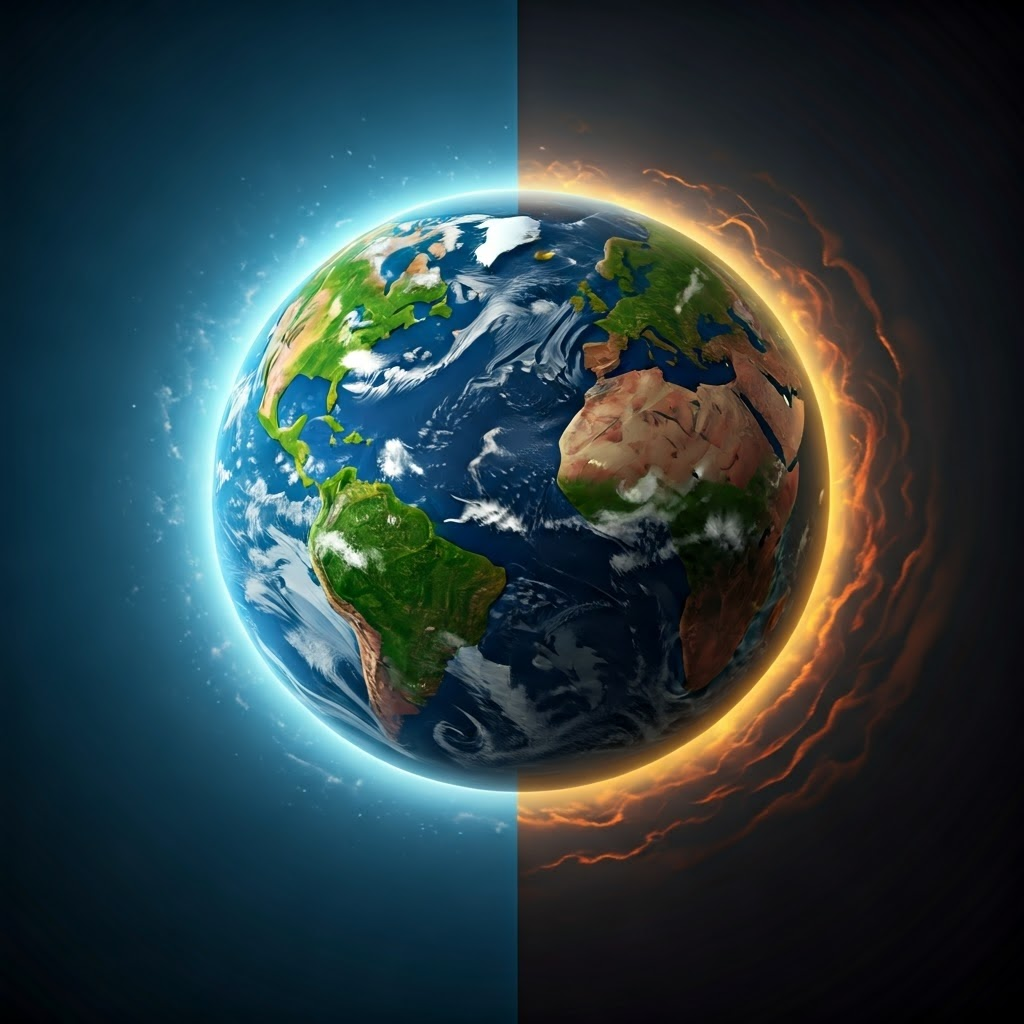
Most power still comes from fossil fuels. Burning them releases carbon dioxide, warming the planet and dirtying air. Renewables offer a cleaner, endless pathway forward, so nations push to shift.
We measure energy in several units. A joule is tiny—lift a small apple one meter. Food labels use Calories. Power shows speed of use in watts. Electricity bills list kilowatt-hours: one kilowatt for one hour.
Quick guide: Energy equals capacity to work. Power is the rate of use. Kilowatt-hours price home electricity. Calories track food fuel. Joules serve science. Renewable means replenishing fast; non-renewable means finite.
Energy ties daily comforts, bills, health, and the planet. Each choice—heating, charging, commuting, voting—shapes the shared future. Spot energy in action, and you’ll start seeing it everywhere.
