
From Secret Codes to Modern Encryption: The Story So Far

You have likely kept something private before—a password, a secret crush, or a surprise party plan. Privacy is not just for spies; it shapes everyday life.
People often share some information while hiding other parts. Kids slip notes so teachers never see them. Friends coin inside jokes only they understand. Secrecy lets us protect ourselves, build trust, and stay in control.
This basic need for privacy sparked secret codes. Whenever someone can snoop on mail or overhear talk, we invent new ways to stay ahead of curious neighbors, rivals, or even friends.

The Caesar Cipher and Friends: Early Tricks
Long before smartphones—or even typewriters—people still had secrets. Julius Caesar used one of the first famous ciphers. The Caesar cipher shifts each letter forward by a fixed number. With a shift of 3, HELLO turns into KHOOR.
At first, the method worked. Yet patterns soon gave it away. Intercepted messages reveal common letters, and frequency analysis cracks the code quickly.
Old tricks never fully disappear. Kids invent fresh ciphers, and newspapers still run simple shift puzzles. They remind us that real secrecy demands new ideas.
From Paper to Processors: The Digital Shift
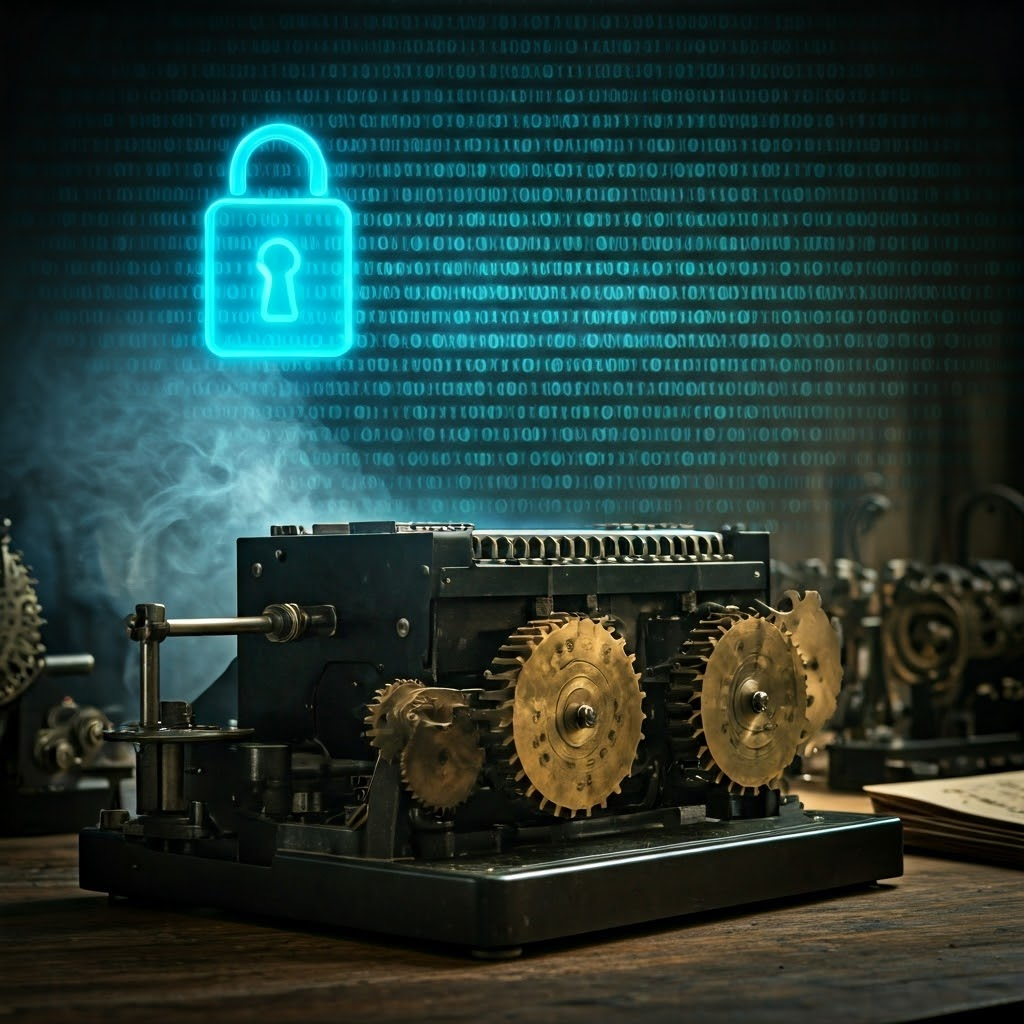
When machines arrived, everything changed. Hand-written ciphers and gear-driven devices like Enigma looked clever but felt slow once computers appeared.
A cipher is simply a set of rules—an algorithm—for scrambling information. Computers run algorithms fast and test millions of guesses per second, leaving old hand-made codes defenseless.
Modern encryption swaps letter shuffles for hard math. The Advanced Encryption Standard (AES) turns data into gibberish bits. With the right key, the gibberish snaps back into place.
The strongest lock fails if someone steals the key. Protecting that key is now the real challenge.
Symmetric and Asymmetric: Two Ways to Lock a Message
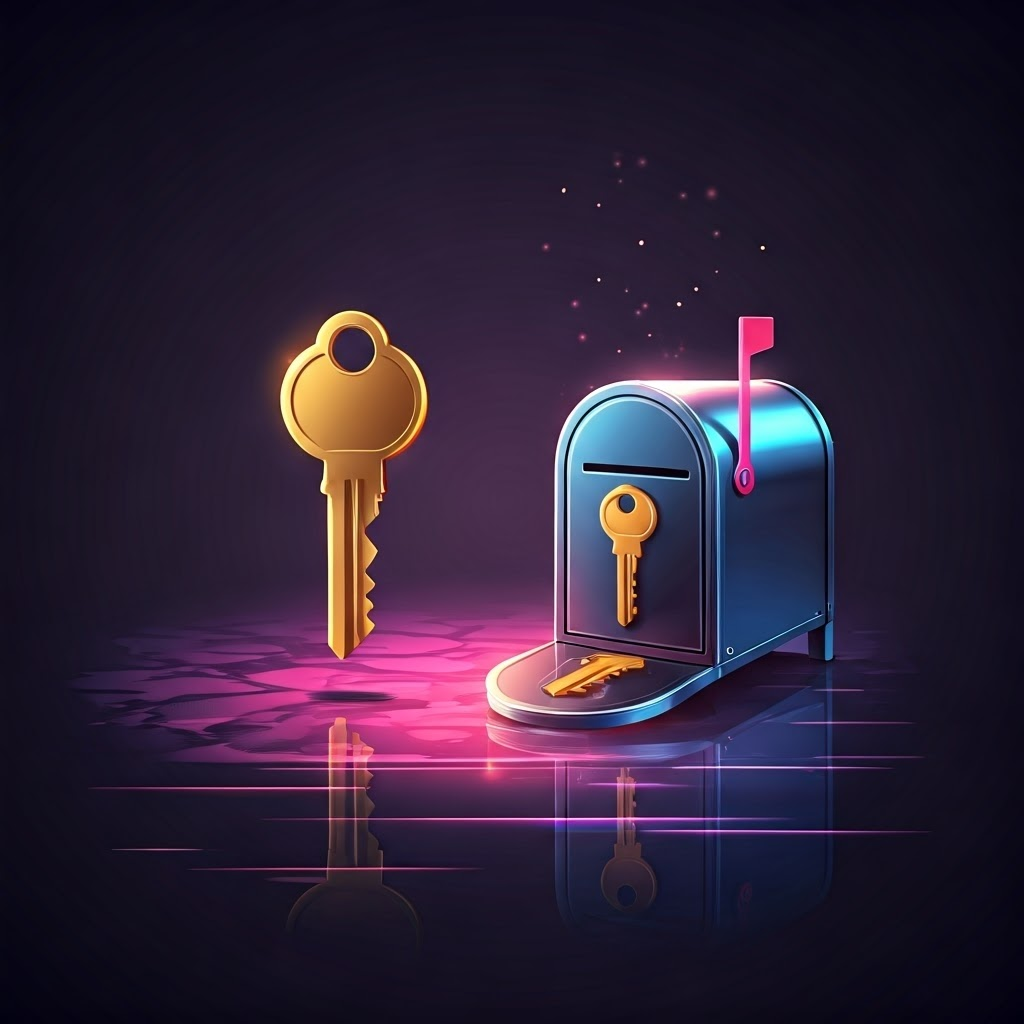
A key is the secret that locks and unlocks your data. In symmetric encryption, the same key does both jobs—fast and simple, yet risky to share.
Asymmetric encryption uses a public key for locking and a private key for unlocking. Introduced in the 1970s, this idea reshaped secure communication across distances.
Real systems blend both styles: asymmetric methods share a temporary secret, then symmetric algorithms handle the heavy work.
Why This Story Still Matters
Every private text, bank login, or website visit relies on this blend of old ideas and new math. Encryption is the lock on your digital doors.
The path from Caesar’s shifts to today’s puzzles proves one truth: as long as people value privacy, new codes will rise and new breakers will follow. Next time you spot a little lock icon, remember the long history behind it.
