
Oil and Water: The Odd Couple
Why Oil and Water Don’t Get Along
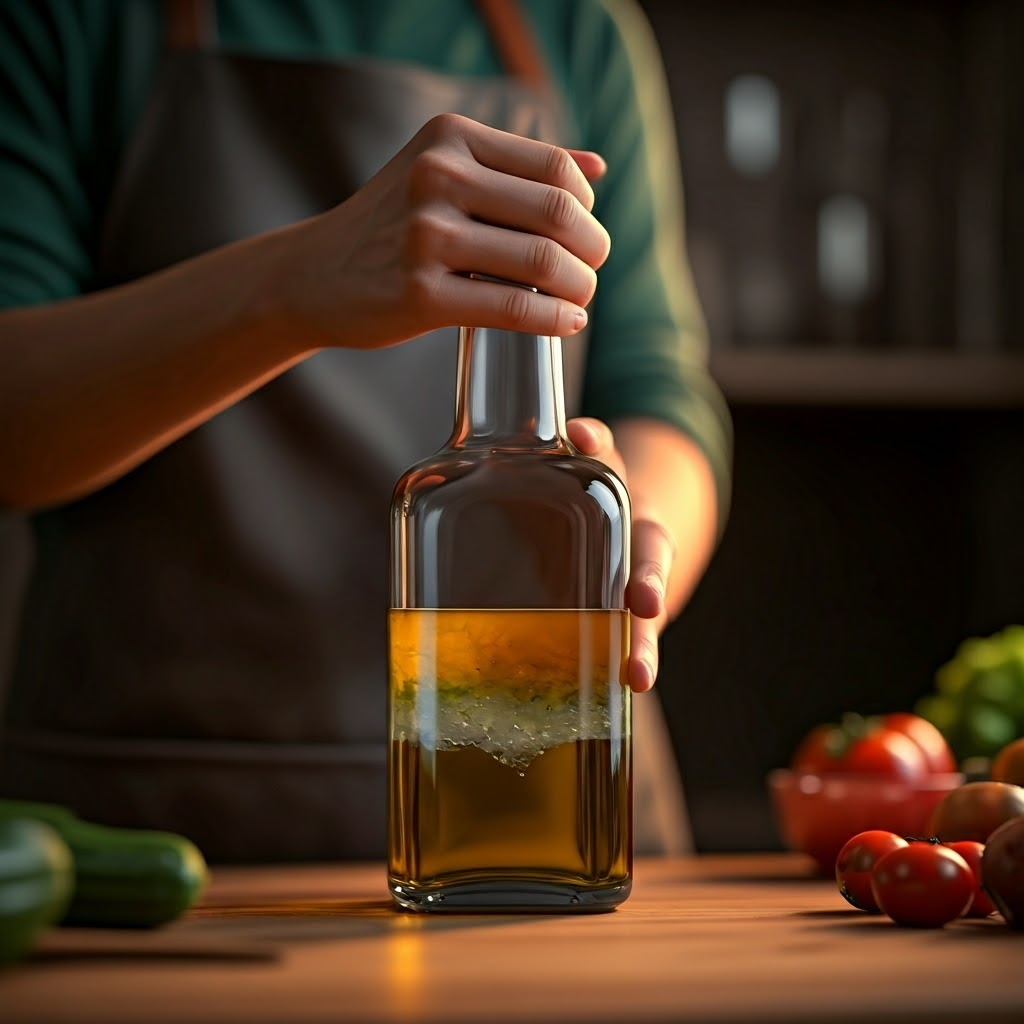
Pick up a forgotten bottle of vinaigrette. Two neat layers appear at once—golden oil floating over clear water and vinegar. Separation happens because the liquids prefer their own company.
Water molecules act like tiny magnets that stick together. Oil molecules keep their distance. When you shake the bottle, the layers mingle for a moment, then drift apart. Molecular preference drives this quick divorce.
Even furious shaking only yields a cloudy swirl that soon clears. The split is not stubbornness; it is how the molecules arrange themselves to save energy. Nature sets the rules.
Interfacial Tension: The Invisible Wall
A hidden force keeps oil and water apart. Scientists call it interfacial tension—an energetic barrier at the surface where the two liquids meet.
Picture two soccer teams that refuse to cross the center line. The line is the interface; the effort to keep it small is the tension. Energy drops when that dividing line shrinks.
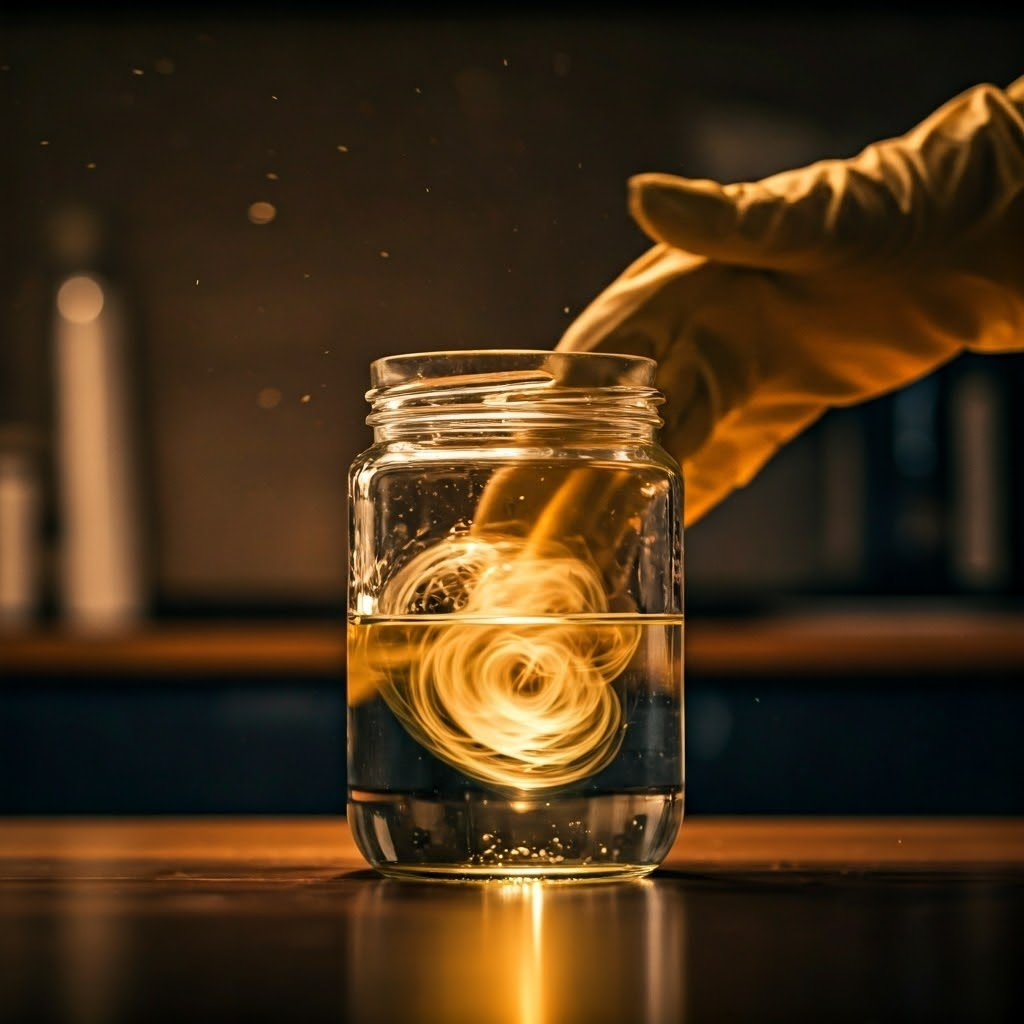
Shake oil and water in a jar. Droplets form, then merge and rise. The surface pulls them together like a stretched balloon snapping back. Coalescence restores the distinct layers.
Meet the Peacemakers: Surfactants and Emulsifiers
Sometimes you want oil and water to stay mixed—at least for dinner. Enter emulsifiers, the molecular peacekeepers.
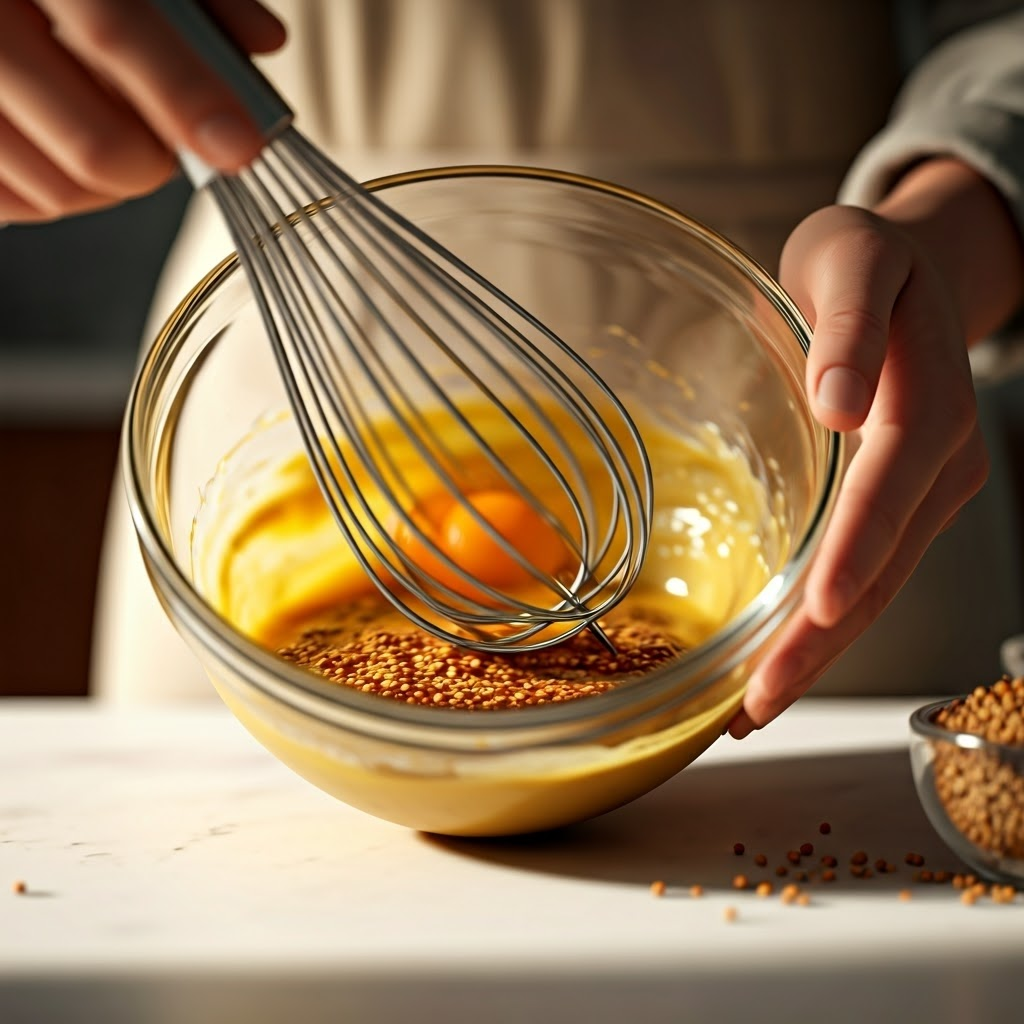
Each emulsifier has two faces: one side loves water, the other loves oil. Egg yolk brings lecithin; mustard offers similar helpers. They line up at the interface, cut the tension, and let tiny oil droplets linger in water. Stability improves.
Mayonnaise proves the point. Start with egg yolk, drizzle in oil, and whisk. Instead of a greasy puddle, you get a thick, creamy spread. Lecithin makes the magic.
Everyday Emulsions: Where You’ve Already Seen the Magic
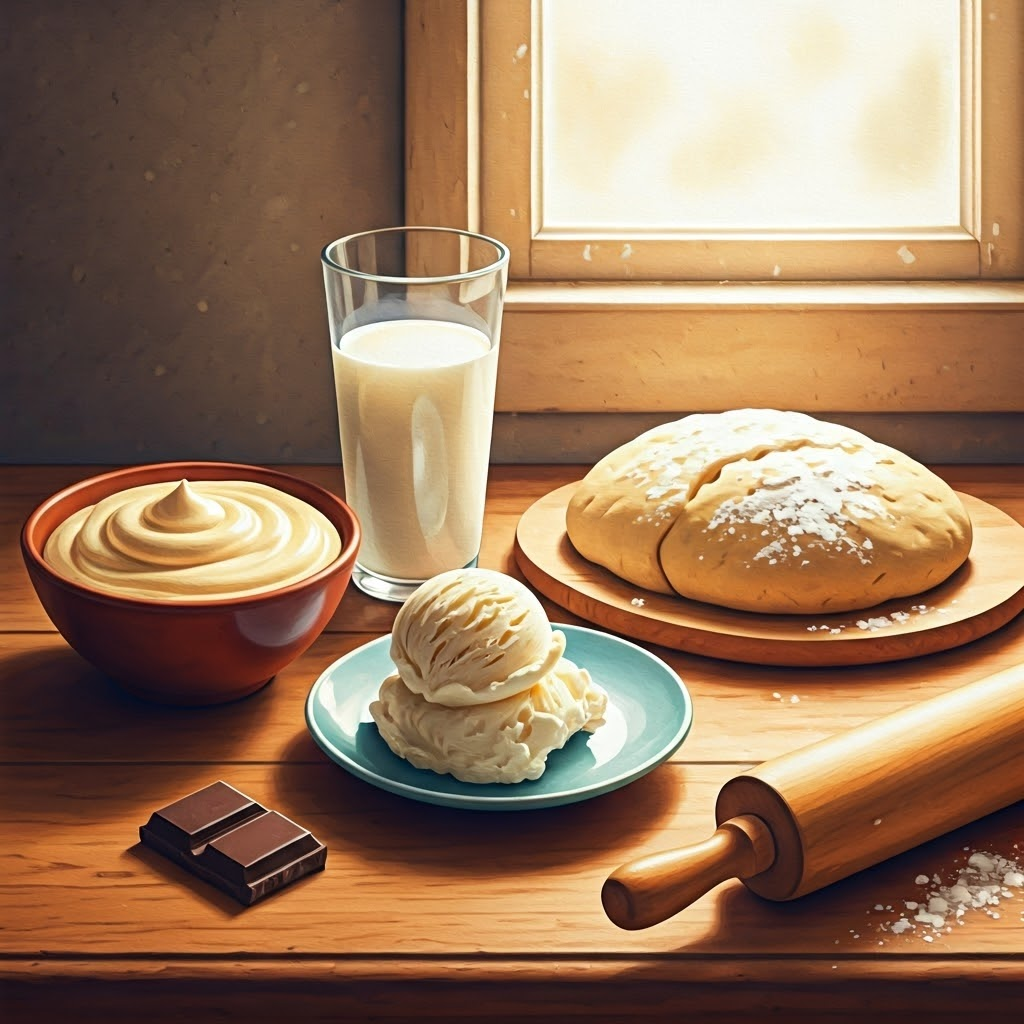
Kitchen shelves hide countless emulsions. Mayonnaise, milk, cream, butter, dressings, ice cream, and chocolate all rely on the same trick.
In milk, proteins coat microscopic fat globules and stop them from uniting. Ice cream stays silky because emulsifiers block large ice crystals. Bread dough even gains softness from a dash of natural lecithin. Texture benefits everywhere.
Test it yourself: make two vinaigrettes, one with mustard and one without. The mustard version stays cloudy longer—clear proof of the emulsifier’s strength. Observation turns theory into practice.
Once you notice the pattern, you’ll see emulsions all around: a glossy chocolate ganache, a velvety soup, or a rich sauce. Oil and water may start as the odd couple, yet with the right help, they become delicious partners.
