
The Brain’s Emotional Spark Plugs
Meet Your Emotional Engines
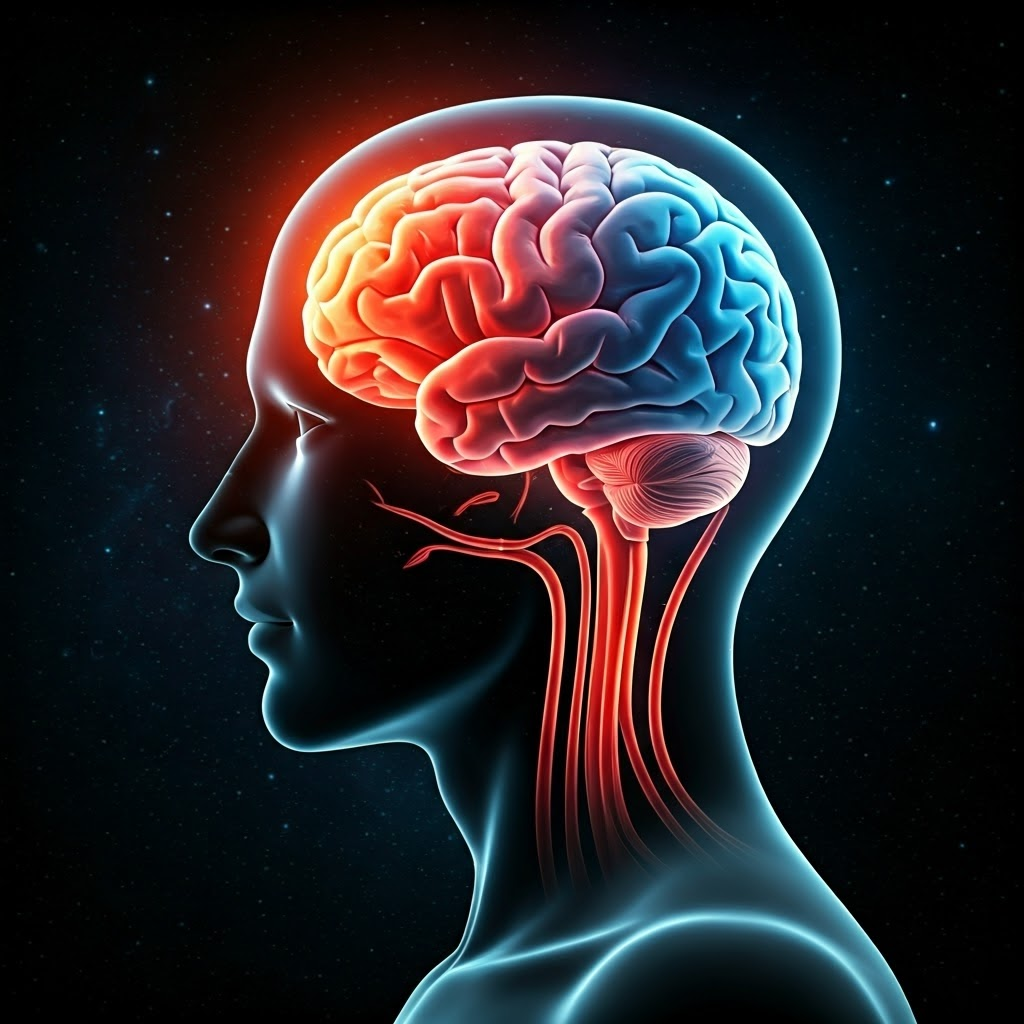
You may notice that a jolt of excitement lights up your thoughts. This quick burst is no accident. Deep inside, the amygdala and the ventromedial prefrontal cortex work together. One sparks emotion, the other steers value. Together, they start the creative engine in your brain.
The amygdala is a small almond-shaped cluster that scans for feelings that matter—anything thrilling, risky, or new. It makes your heart race when surprised and boosts your attention when an idea feels fresh.
Think of the amygdala as your brain’s smoke alarm. It constantly checks for signals that deserve action. When it fires, the mind shifts from idle to alert, ready for new connections.
Arousal: The Spark That Starts It All
Emotional arousal flips the switch that wakes your creative brain. A small dose of excitement, surprise, or nervous tension makes thoughts move faster and senses sharpen.
Studies show that moderate arousal boosts originality. It places the brain on alert without tipping into stress. That ready state helps you connect distant ideas.
Arousal: The Spark That Starts It All
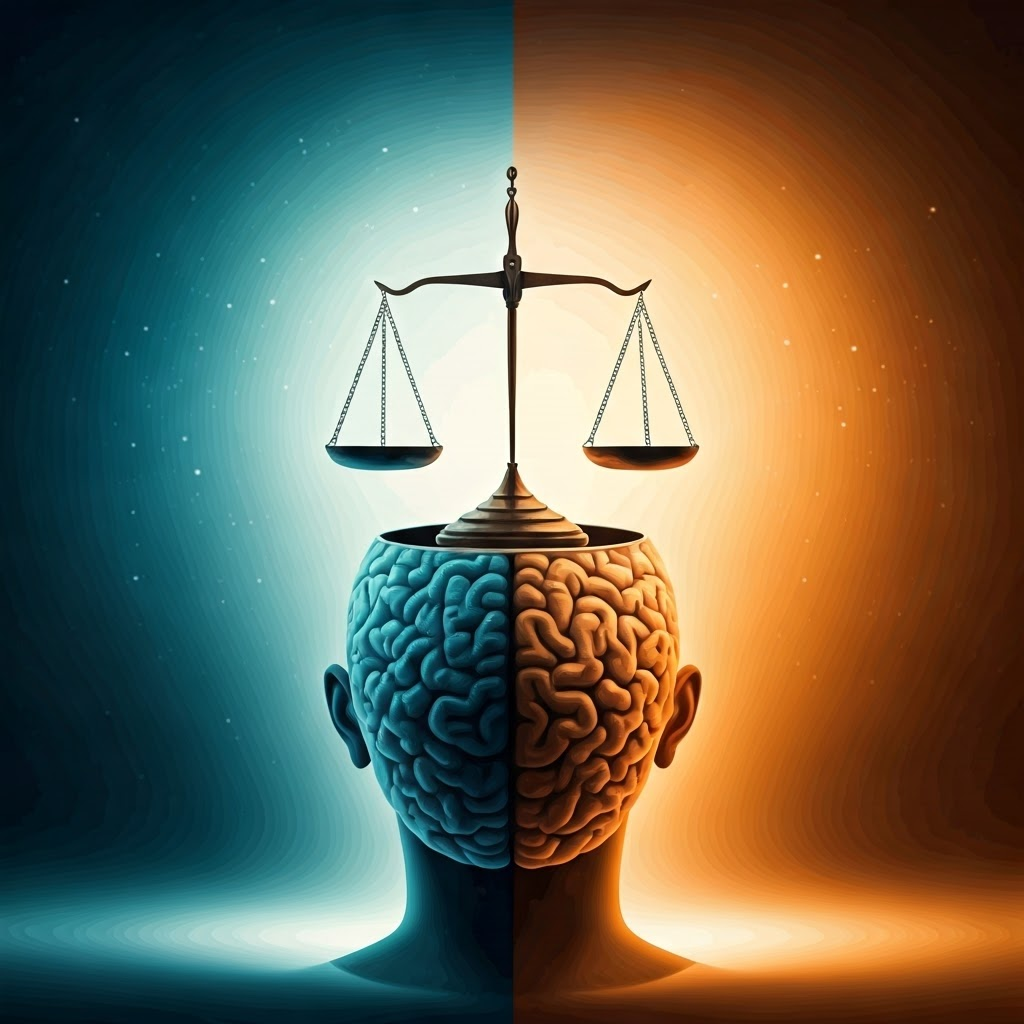
When arousal sits in the sweet spot, you feel awake, curious, and willing to test odd links. Too little brings boredom; too much freezes thought. The amygdala works like a match—igniting ideas without doing the thinking itself.
Value Tagging: Why Some Ideas Stick
Not every notion deserves pursuit. The vmPFC keeps a running score of usefulness, reward, and personal meaning. When the amygdala flags something new, the vmPFC asks, “Is this worth it?” If yes, it stamps the idea as important, making you more likely to save or share it.
Picture a bold business thought in the shower. The amygdala yells, “Exciting!” The vmPFC checks past wins, core values, and current goals. If the idea aligns, it gets a green light. If not, it fades away.
Brain scans reveal that this value filter runs before conscious choice. It focuses creative energy on promising paths instead of every stray thought.
Oxytocin and the Social Side of Inspiration

Working with others often amps up creativity, thanks to oxytocin—the connection chemical. It releases when we bond, share jokes, or make eye contact, turning group emotion into fuel for new ideas.
In a lively brainstorm, laughter lowers social walls. People feel safe, so bold or half-formed suggestions flow. Psychological safety keeps the creative engine humming.
Oxytocin and the Social Side of Inspiration
Fresh research shows oxytocin sharpens our skill at reading emotions. That awareness lets teammates riff on each other’s thoughts and view problems from new angles. Great teams feel in sync because shared mood spreads fast and multiplies insight.
How Emotions Shape Your Creative Brain
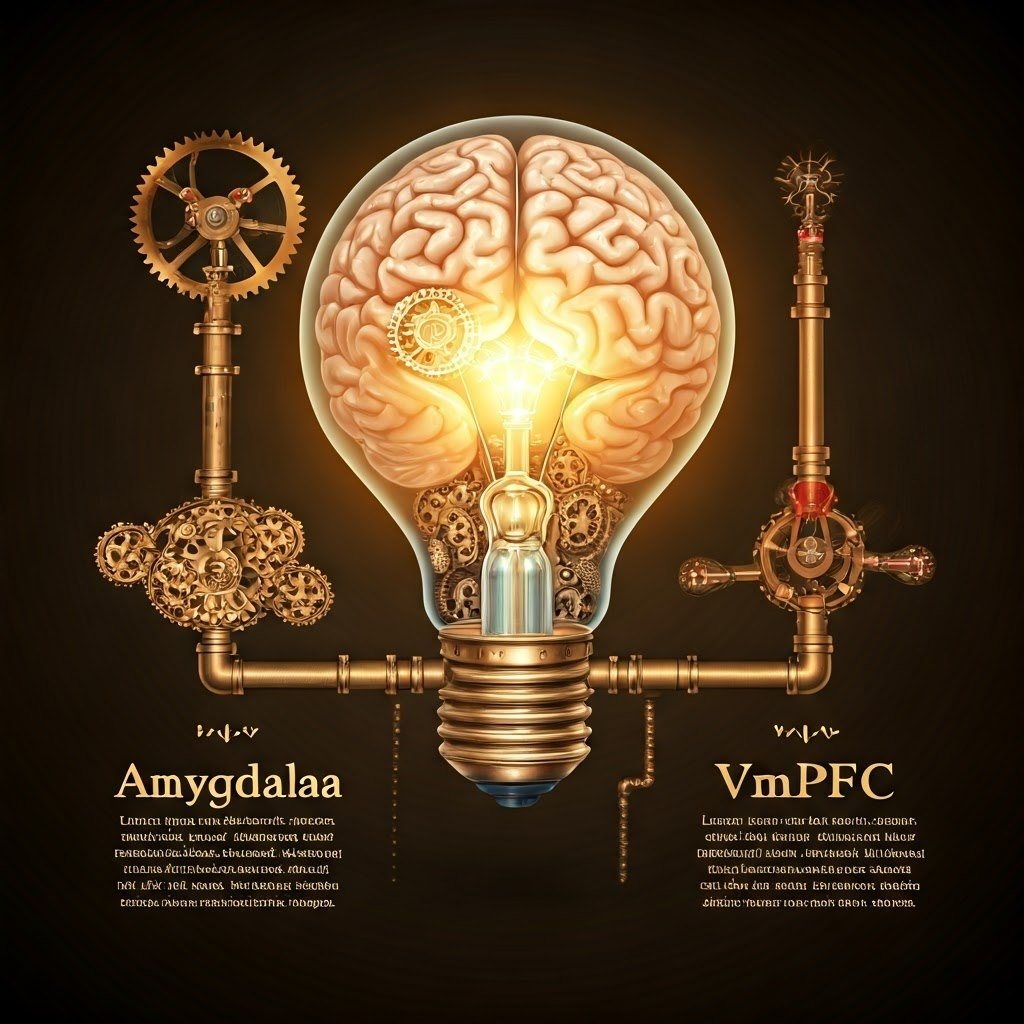
Behind every brainstorm, daydream, and sudden leap, emotional systems hum quietly. The amygdala sparks, the vmPFC tags value, and oxytocin turns solo flashes into shared momentum.
With these subtle engines, creativity feels alive—ready for the next aha moment.
