
From Horsepower to Kilowatts: The Surprising History of Electric Cars
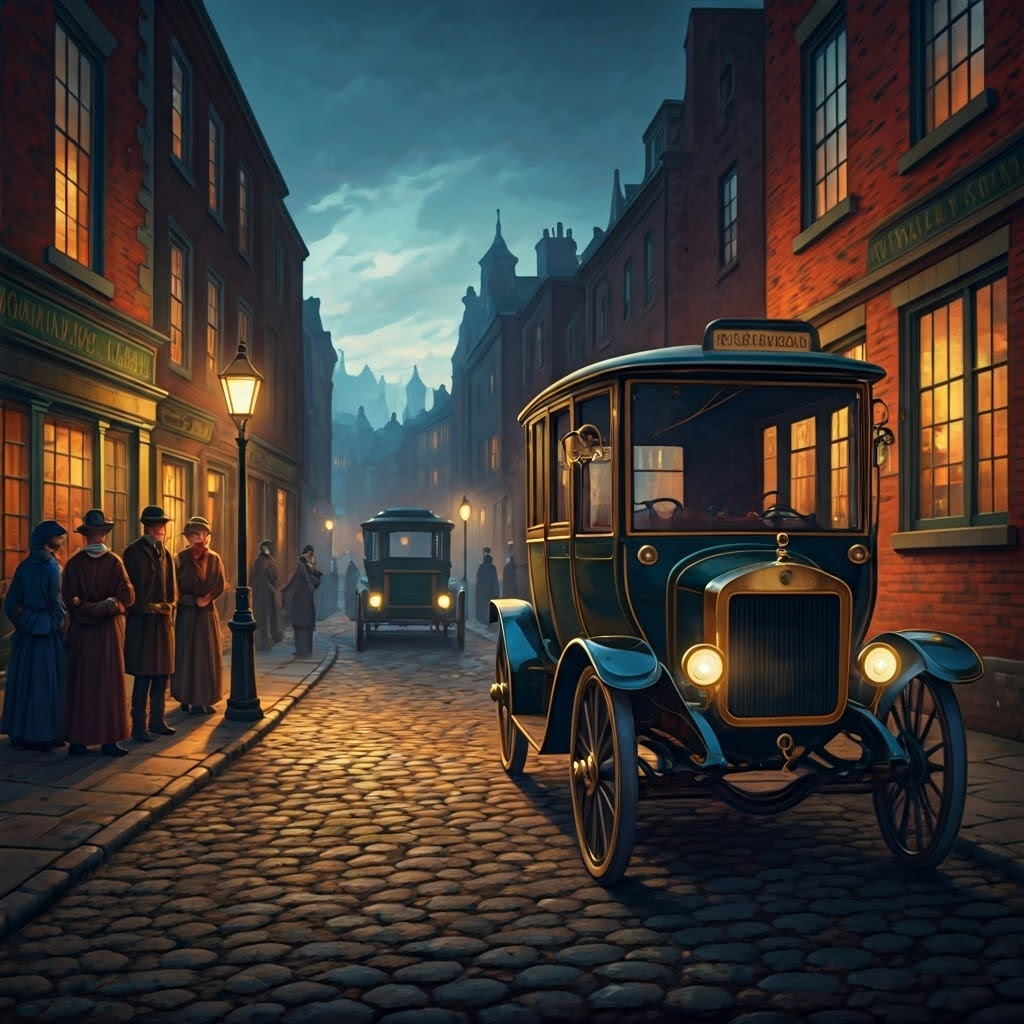
When people picture the early days of cars, they often see black-and-white photos of smoky engines and men in bowler hats. Yet the streets of the late 1800s and early 1900s also hosted electric vehicles, and one even set the first land-speed record.
The First Electric Cars: More Than a Footnote
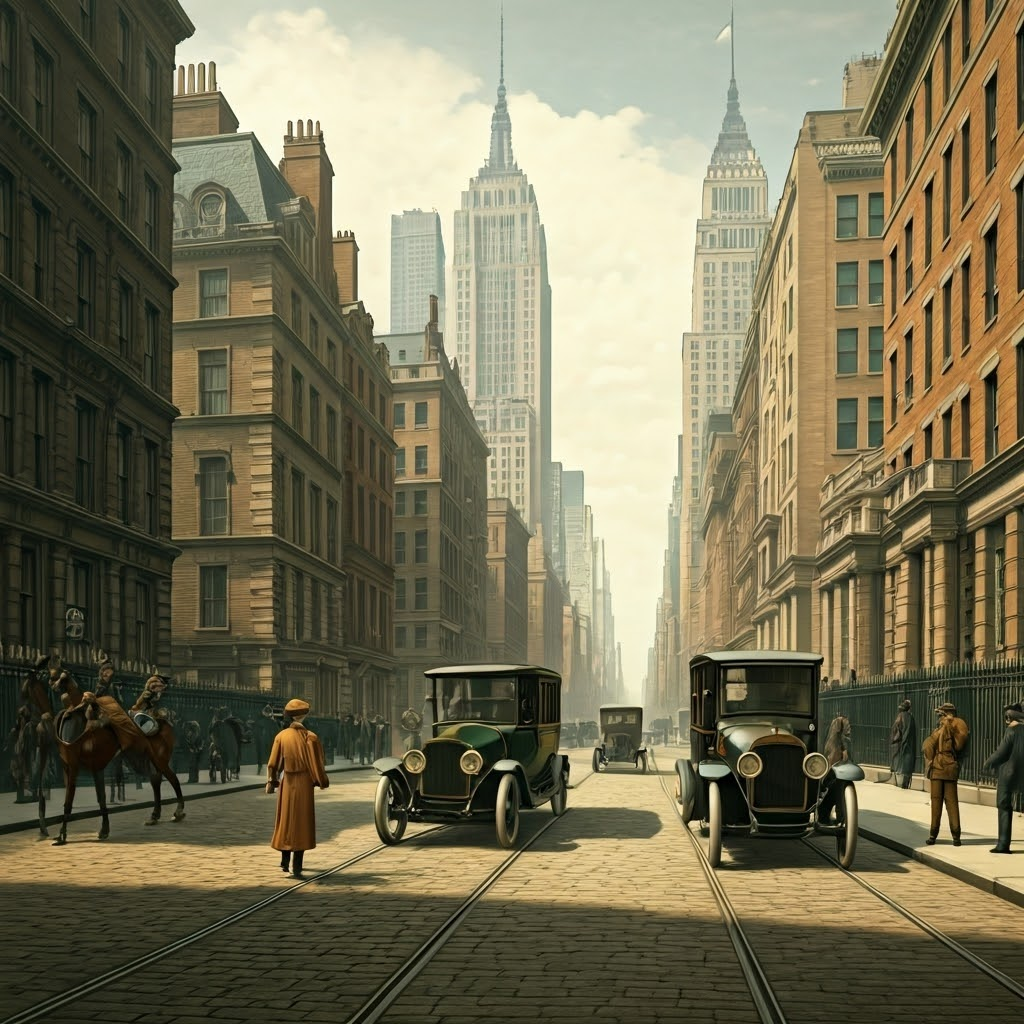
Electric cars were actually more popular than gasoline cars in cities like New York and London around 1900. They were silent, smoke-free, and easy to start. About one-third of U.S. cars were electric, another third ran on steam, and the rest burned gasoline. Convenience mattered most.

Early electric cars shined in crowded cities. They spared drivers the greasy hand crank and offered a peaceful ride over rough roads. Their weak spot was range—most managed only 30 to 50 miles before a long recharge, fine for errands but not country trips.
Batteries: The Real Game Changer
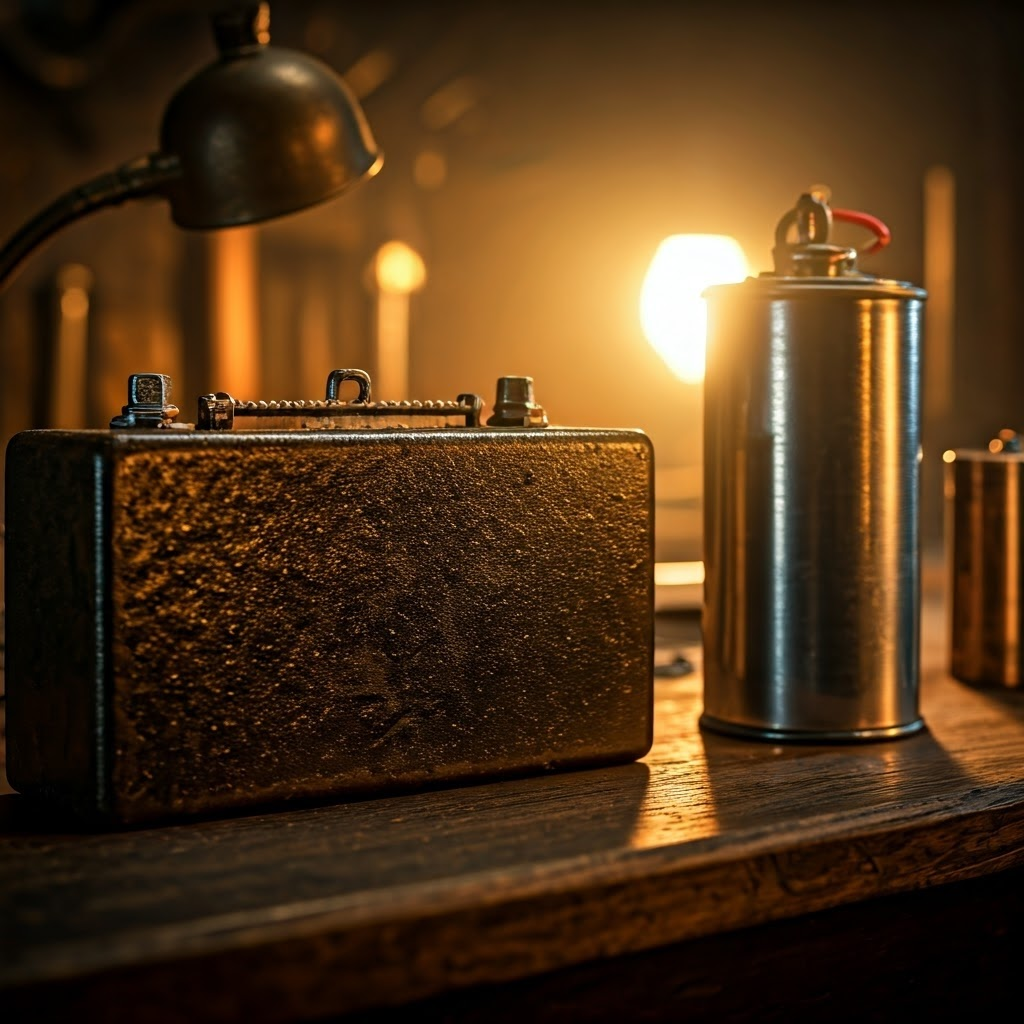
To learn why electric cars faded, look at batteries. Early makers relied on the 1859 lead-acid design—rechargeable but heavy. Picture running a marathon with bricks in your backpack. Great for headlights, terrible for propelling an entire car.
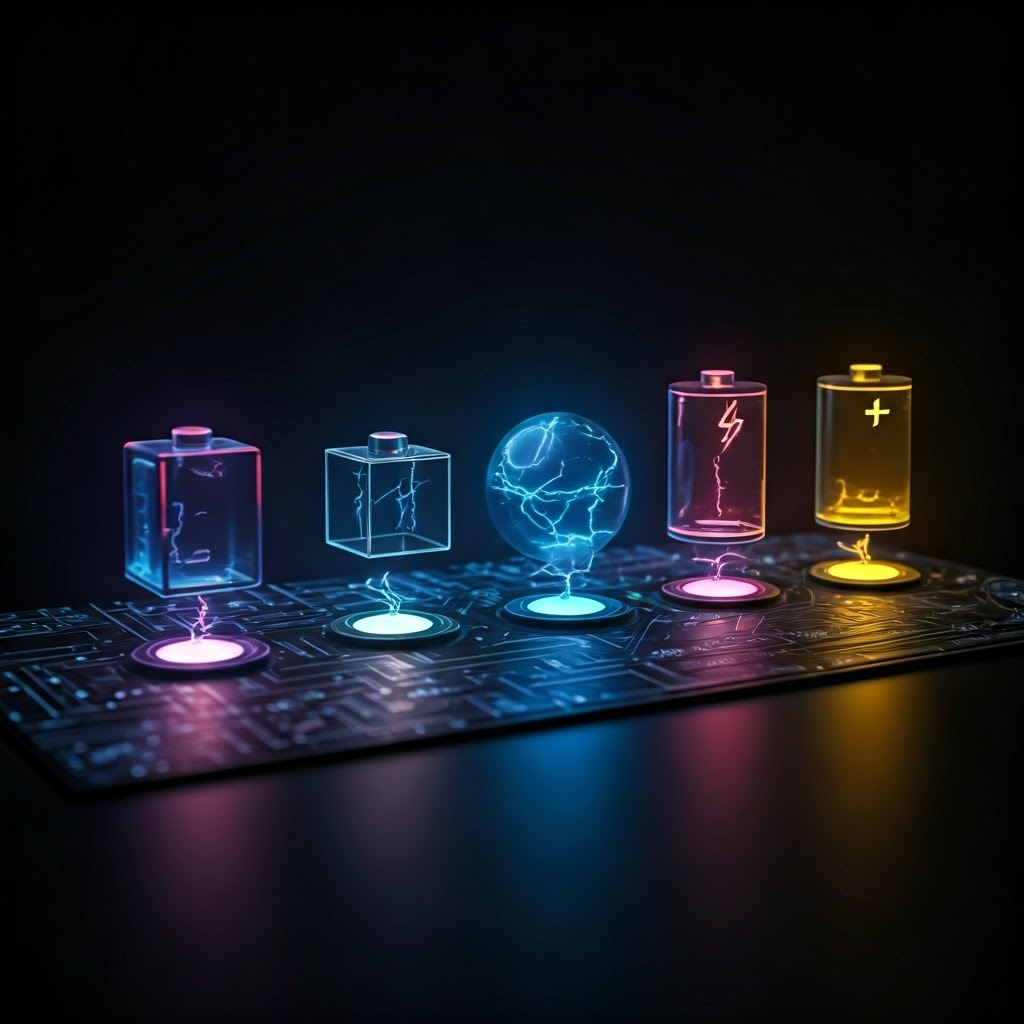
Inventors kept experimenting. Nickel-iron and nickel-cadmium cells lasted longer but cost more. Progress stayed slow until lighter, energy-dense lithium-ion packs arrived in the 1990s. That leap in energy density boosted range and cut charge times, making modern EVs practical.
- Lead-acid: hefty yet cheap, perfect for starter motors.
- Nickel-metal hydride: a 1990s step up, useful in hybrids.
- Lithium-ion: light and powerful—today’s standard.
The Long Nap: Why Electric Cars Disappeared
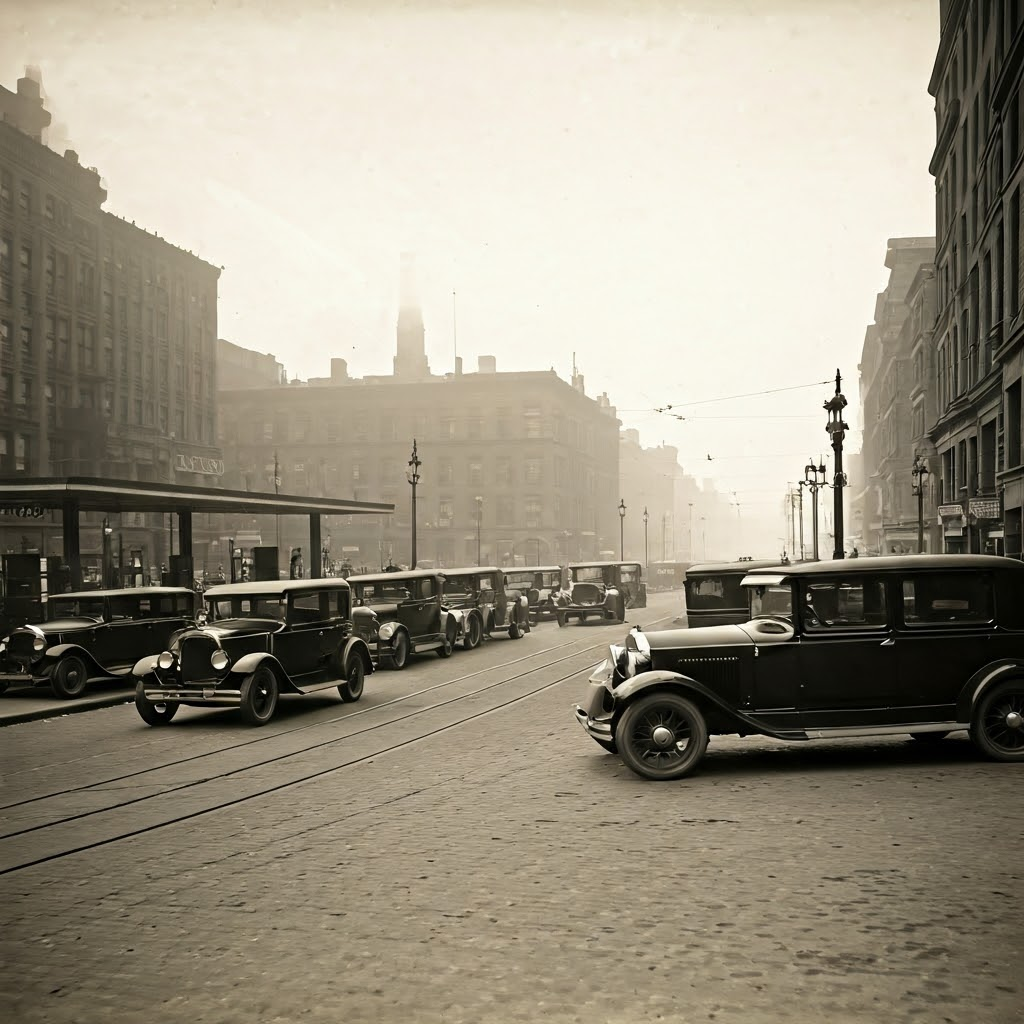
Electric cars nearly vanished because gasoline cars improved fast. The 1912 electric starter killed the hand crank, and Ford’s assembly line slashed prices. Filling stations spread, while charging spots stayed rare. Cheap fuel and a taste for road trips gave gasoline power the edge.
The Comeback: From Niche to Newsworthy
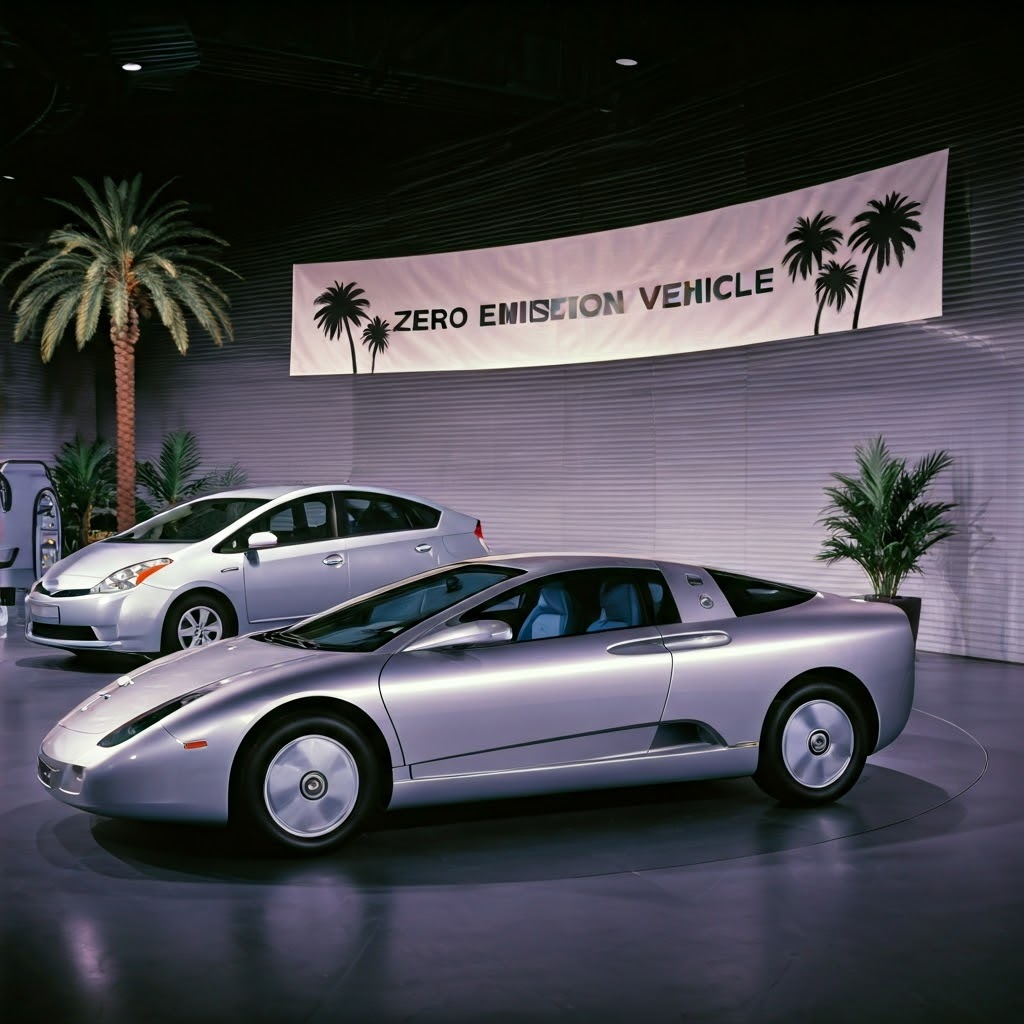
By the 1990s, smog and oil worries revived interest in clean transport. California’s ZEV rule pushed automakers to build a few EVs, like the GM EV1. At the same time, the Toyota Prius hybrid showed that mixing batteries with engines could cut emissions. Regulation jump-started change.
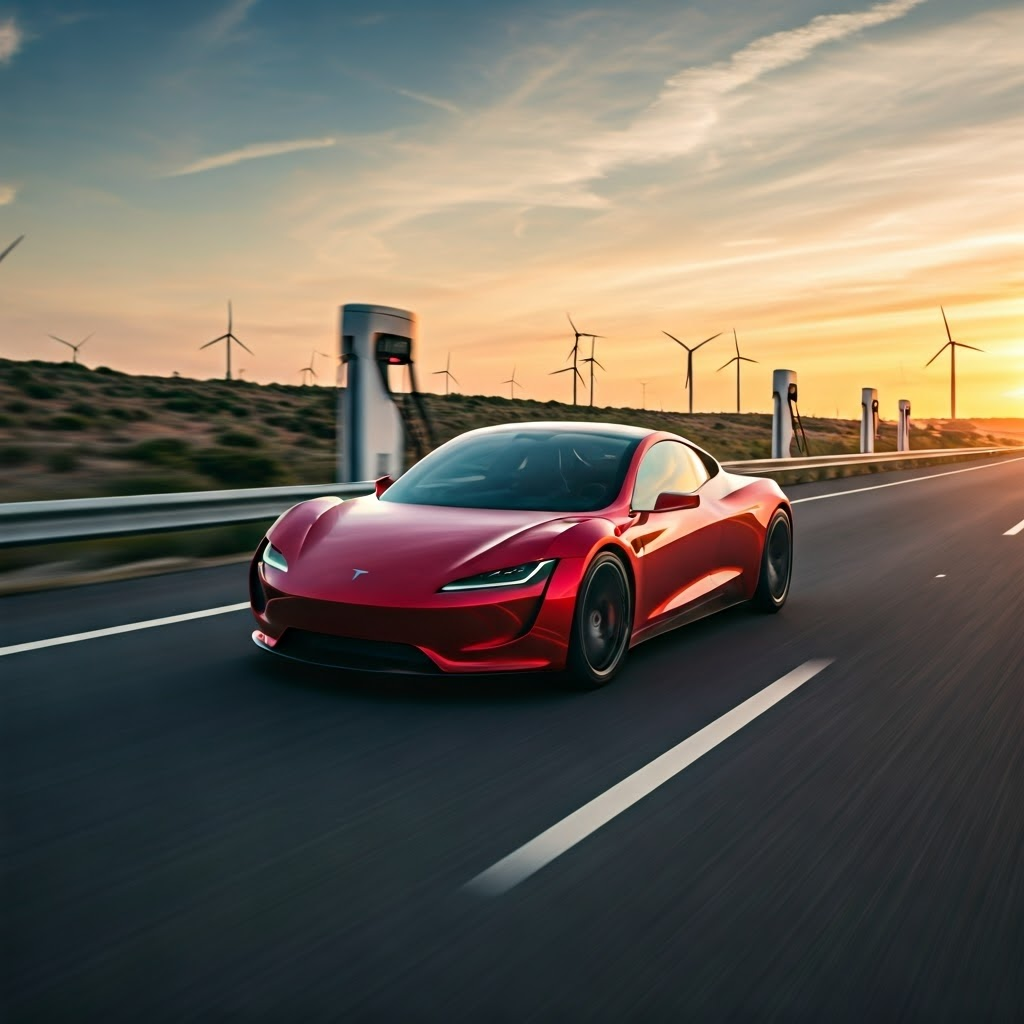
The real spark came in 2008 with the Tesla Roadster. Using thousands of laptop cells, it proved electric cars could be fast and fun. Battery breakthroughs and climate concerns fueled demand. Today, many models top 300 miles per charge, and global EV sales have passed 10 million a year.
Electric cars have traveled a remarkable road—from quiet 19th-century streets to center stage in today’s auto industry. The journey isn’t over, but momentum has never been stronger.
