
Sunlight, Surfaces, and the First Steps of Energy
The Sun’s Gift: How Much Energy Hits Earth

Sunlight reaches Earth like a steady spray from a distant showerhead. Scientists call this flow the solar constant—about 1,361 W per square meter just outside the atmosphere.
Global Averages and Atmospheric Filters
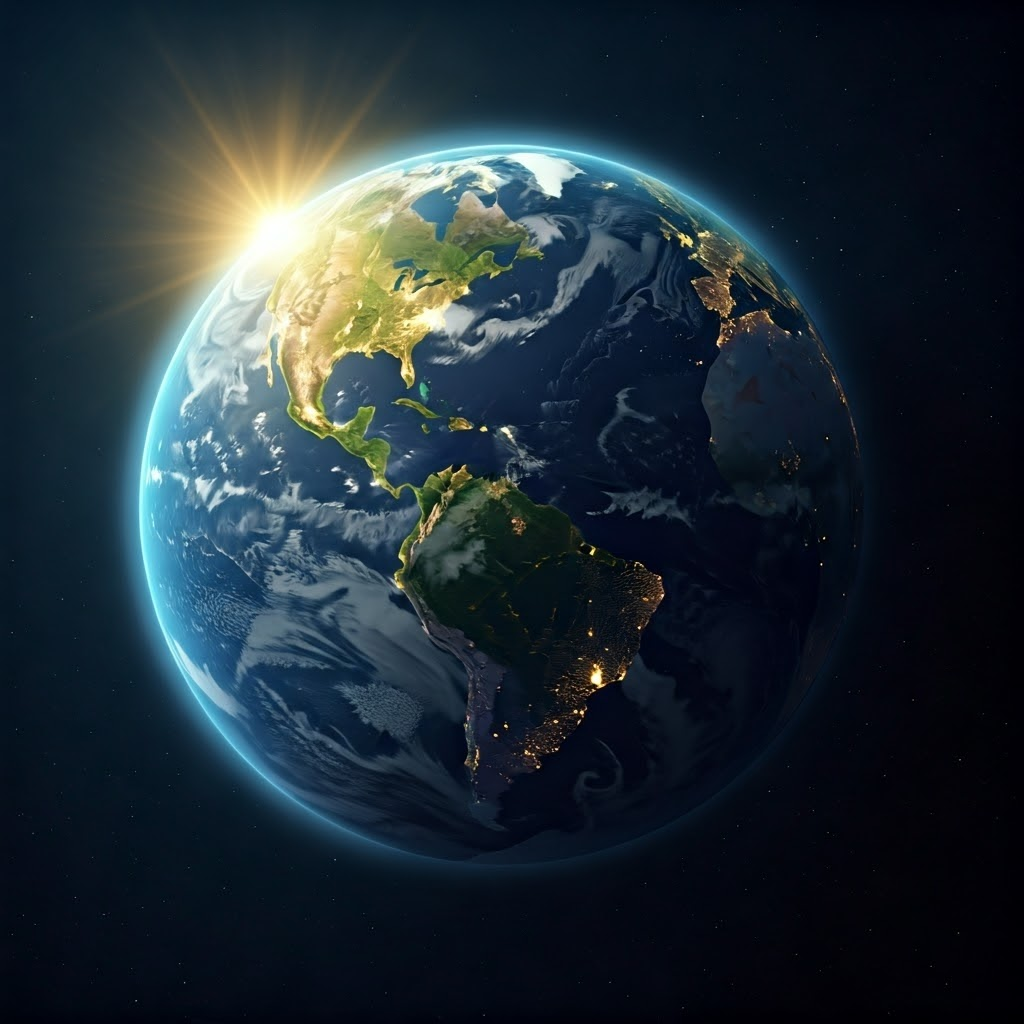
Earth’s round shape and rotation spread sunlight, so each square meter receives roughly 340 W on average. Clouds and air scatter or block part of this energy before it touches ground.
The Solar Spectrum

Sunlight arrives in ultraviolet, visible, and infrared bands. Most power sits in visible and near-infrared light, which warms skin quickly while ultraviolet merely burns.
Life, weather, and climate all begin with this steady supply of radiant energy.
Clouds, Ice, and Sand: Who Reflects, Who Absorbs?

Different surfaces handle sunlight differently. Albedo measures reflectivity: snow or thick clouds bounce back up to 90 % of incoming light, while dark oceans absorb nearly everything.
Everyday Example of Albedo

Sit on a white bench and a black bench during a hike. The black seat feels hotter because its low albedo lets it absorb more energy.
Try placing a white page and a black notebook in direct sun. The notebook warms quickly; the page stays cool.
A Patchwork of Reflectivity
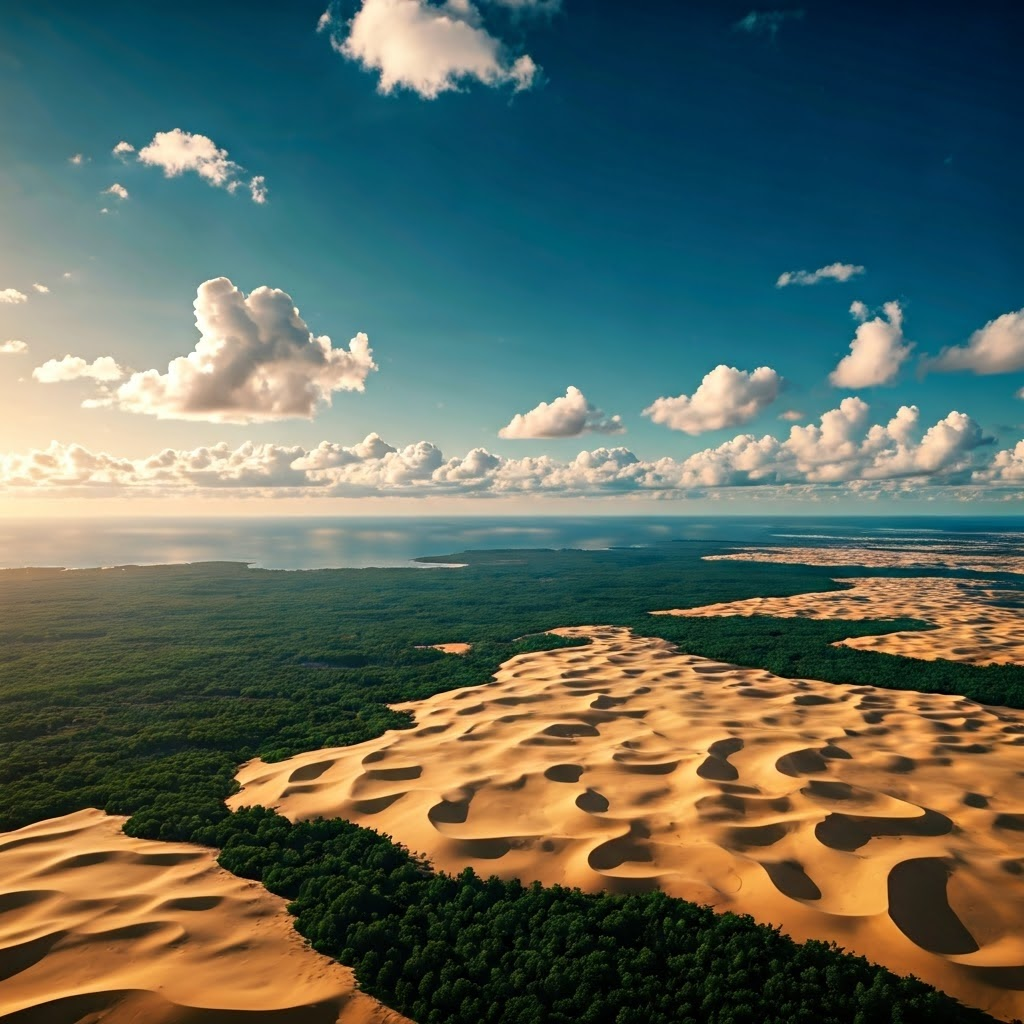
Deserts reflect more sunlight than forests yet less than snow. Sandy regions show albedo near 0.4, while green canopies and oceans drop below 0.1. Clouds often send half of incoming energy back to space, which cools cloudy days.
Where the Energy Goes: Absorption by Land and Ocean
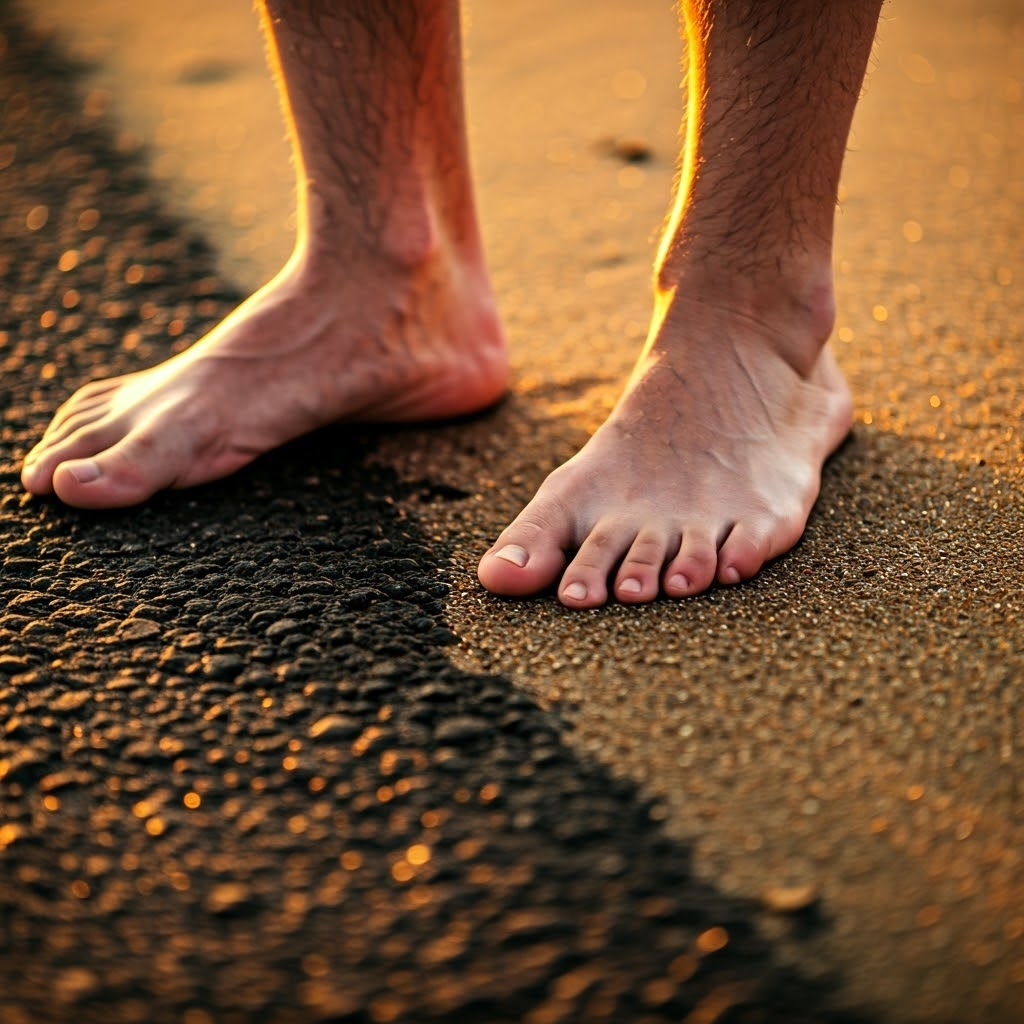
When light isn’t reflected, it turns into heat. Solid ground heats fast because it has low heat capacity. Water heats slowly but stores energy longer, thanks to its high capacity. That’s why pavement scorches feet while the sea still feels cool.
Climate Consequences of Heat Capacity
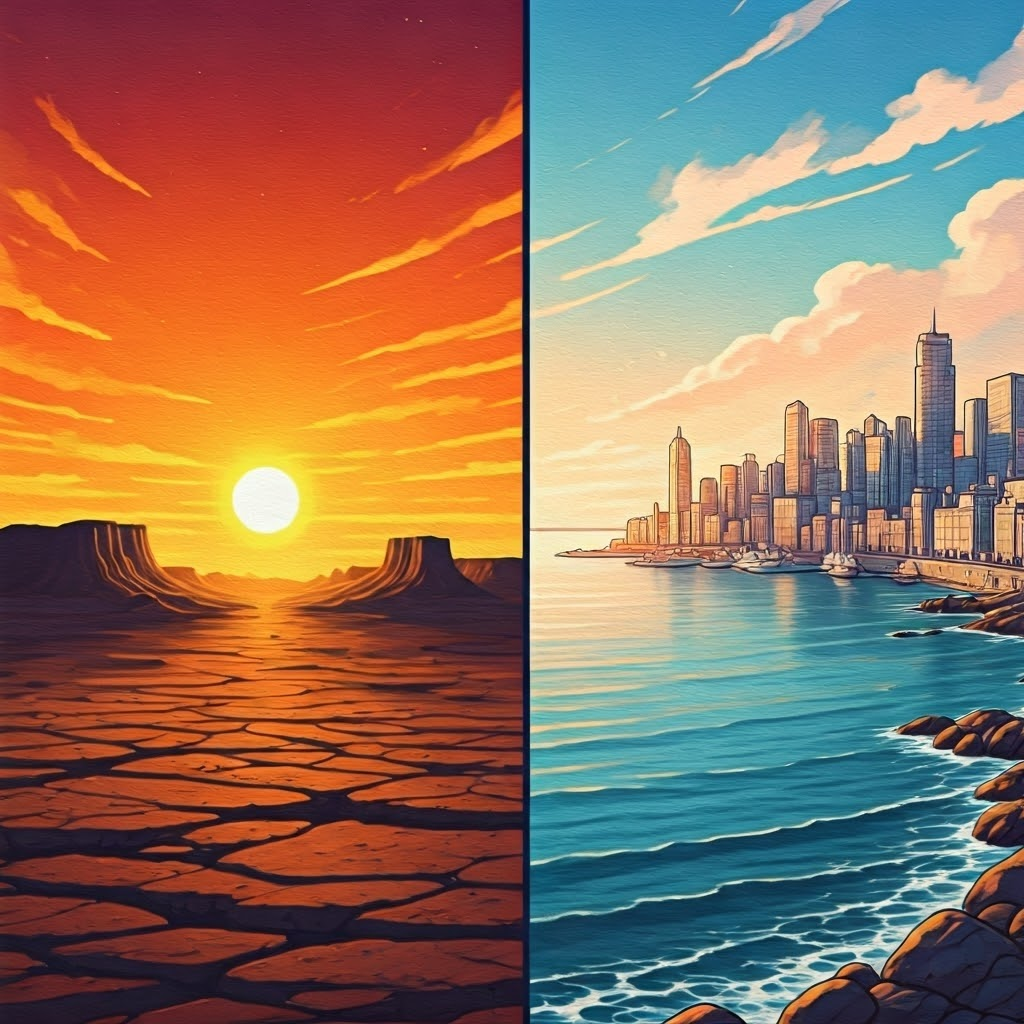
Deserts can jump from 100 °F by day to 40 °F at night, while oceans keep coastal towns mild. This balance between reflection and storage shapes weather and long-term climate.
Everyday Energy Experiments

Place a white and a black shirt in the sun or compare foil-wrapped and black cups of water. The darker or duller surface heats faster, mirroring how forests and oceans absorb solar power.
Earth’s climate depends on this constant tug-of-war between reflection and absorption—all sparked by the Sun’s unwavering flow of energy.
