
Living on the Edge: Lessons from Earth’s Harshest Outposts
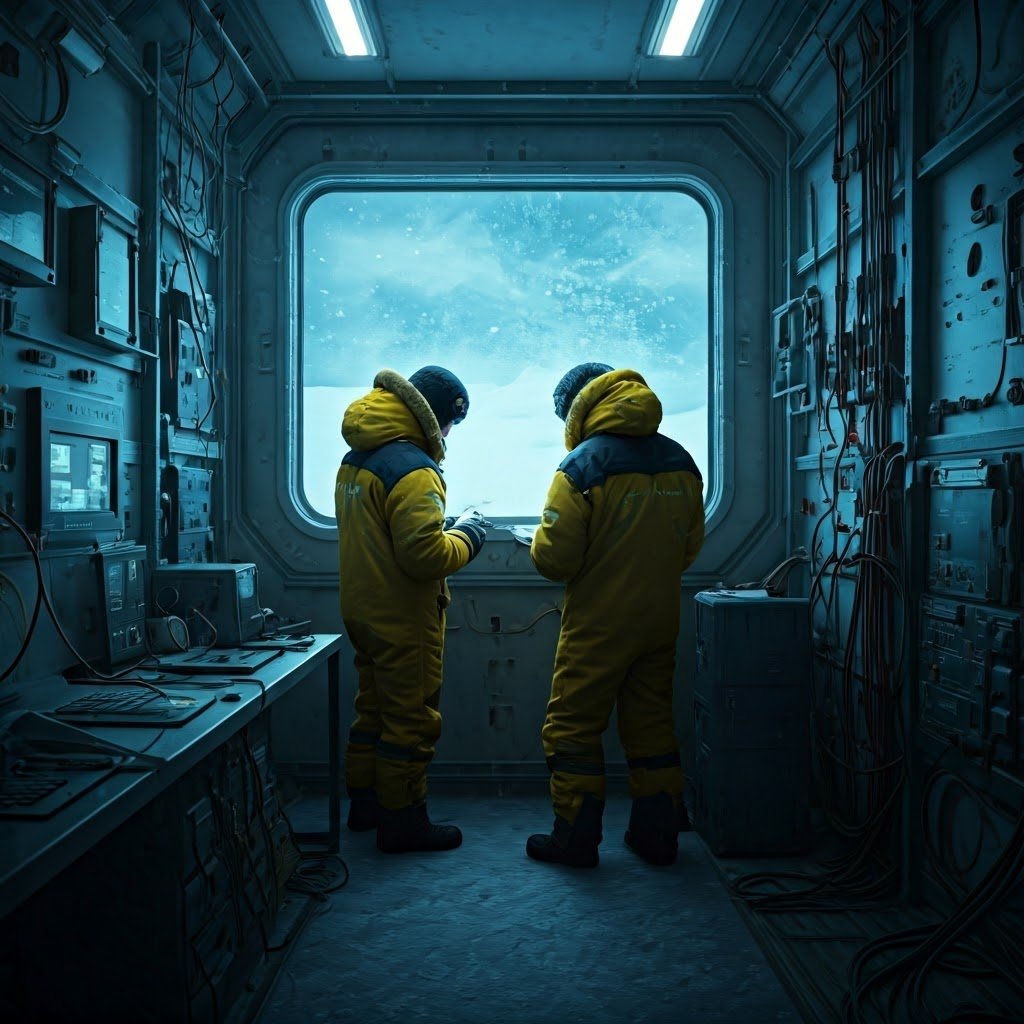
Antarctica: The Coldest Classroom
Antarctica feels almost alien. Winter temperatures sink to -80°F (C). Continuous darkness or daylight upsets the body clock, the air is bone-dry, and oxygen is thin. A handful of “winterers” live here for months with no fresh food and no easy way out.
Living in this frozen desert tests every routine. Crews wake, eat, fix gear, run experiments, and sleep. Sudden blizzards or a failed heater can upend the day. Each surprise teaches a fresh backup plan or a smarter checklist that will shape future off-world shelters.
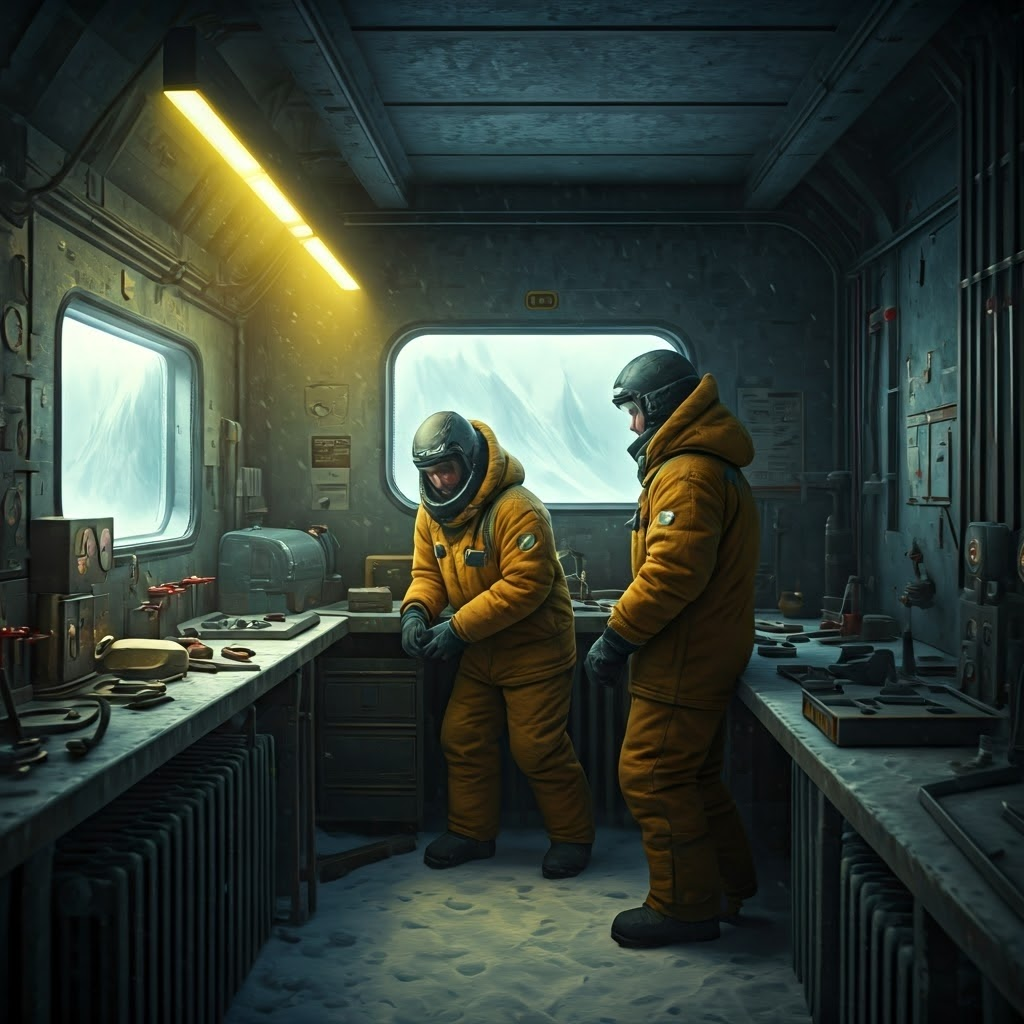
Antarctica: The Coldest Classroom
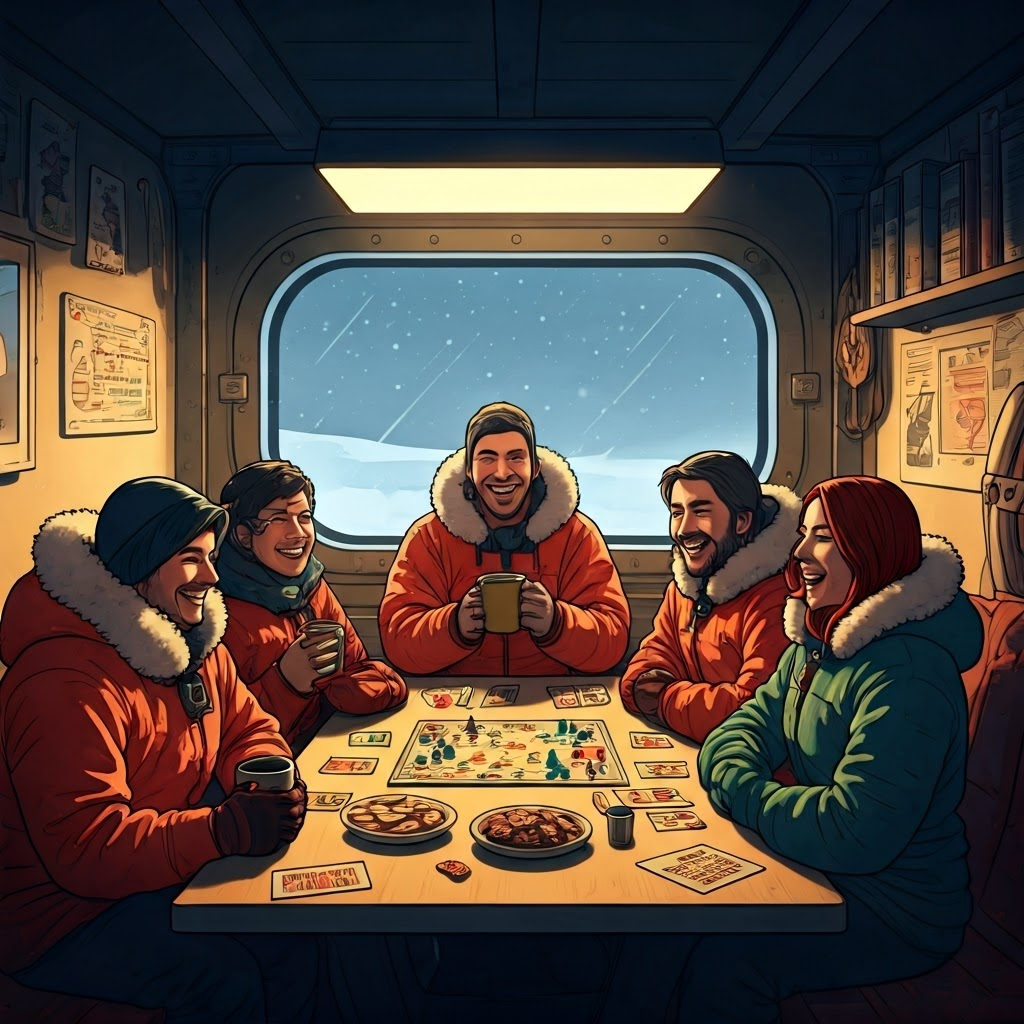
Months without sunlight strain morale. Tempers flare because you can’t step outside for a break. Psychologists find that shared meals, small celebrations, and clear routines build trust and ease tension. Concordia’s lessons guide space designers toward better lighting cycles and activities that bond a crew.
Desert Mars: Utah and Hawaii’s Simulated Red Planets
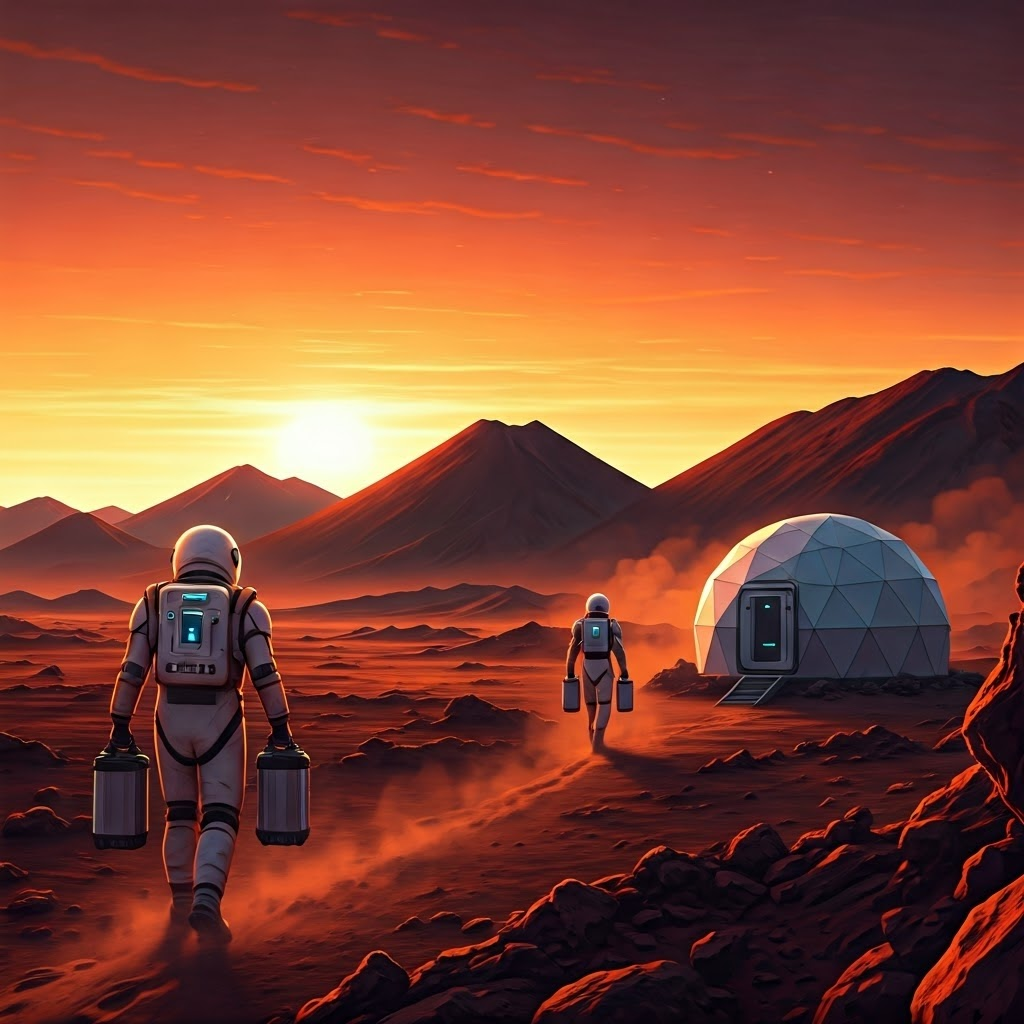
The Mars Desert Research Station in Utah and HI-SEAS in Hawaii sit in stark, dusty terrain. Crews spend weeks or months inside domes to test Martian-style living—everything from limited water to delayed help.
Desert Mars: Utah and Hawaii’s Simulated Red Planets
Inside these habitats, every drop of water is logged. Showers disappear; biodegradable wipes take their place. Shelf-stable food grows dull, and a missing coffee stash can dent motivation. When gear breaks, the crew fixes it or adapts, learning how fast comfort can vanish.
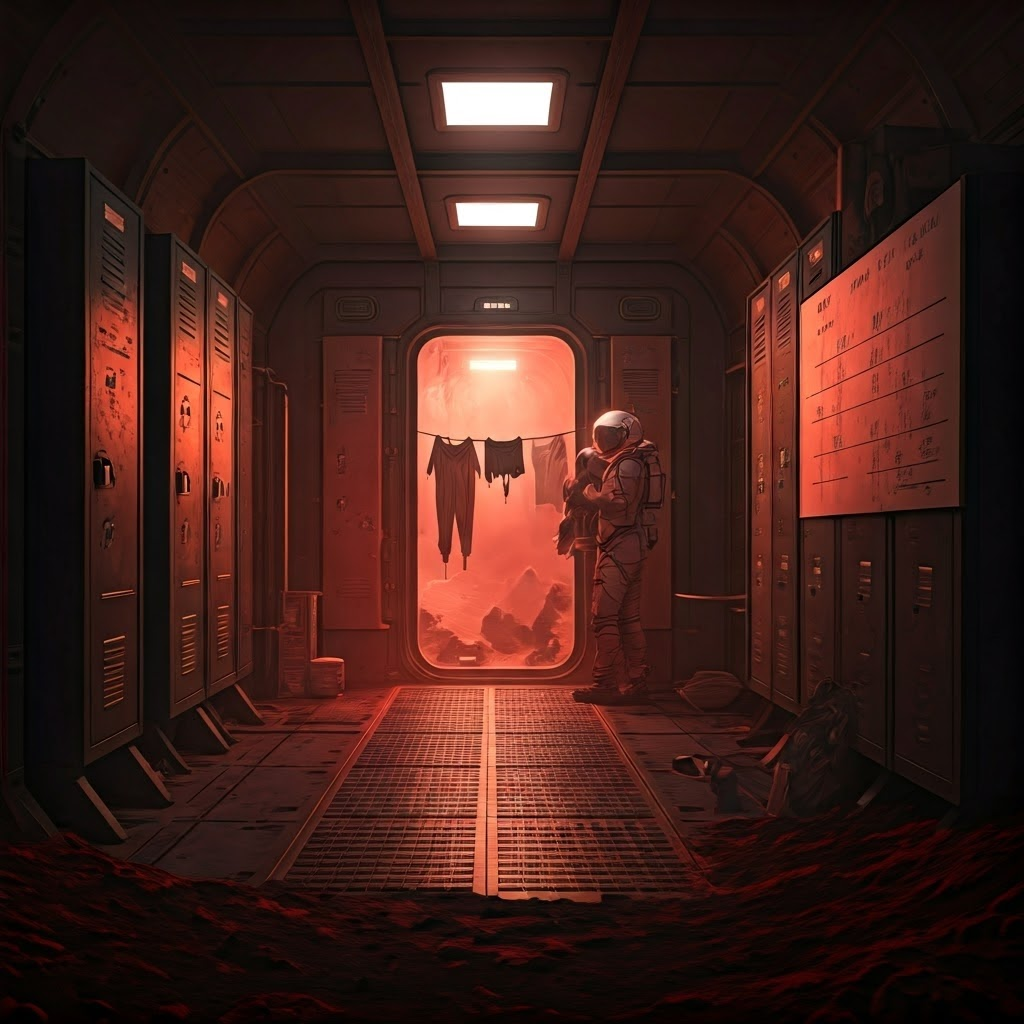
Desert Mars: Utah and Hawaii’s Simulated Red Planets
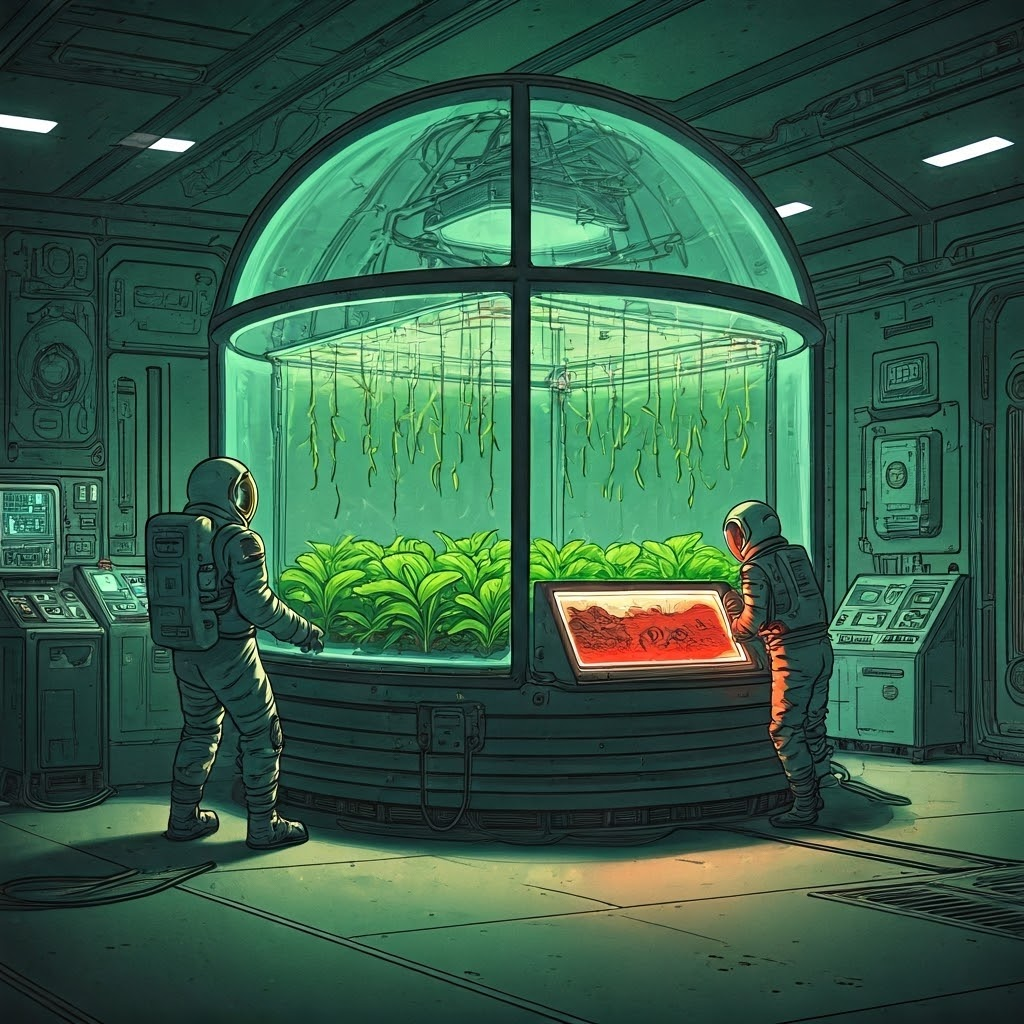
Experiments cover crops, spacesuits, and “Mars-quake” drills. Every action—success or failure—feeds data into the next habitat design. Survival means staying flexible and patient while packed together in a metal shell.
Under Pressure: Life in Deep-Sea Submarines
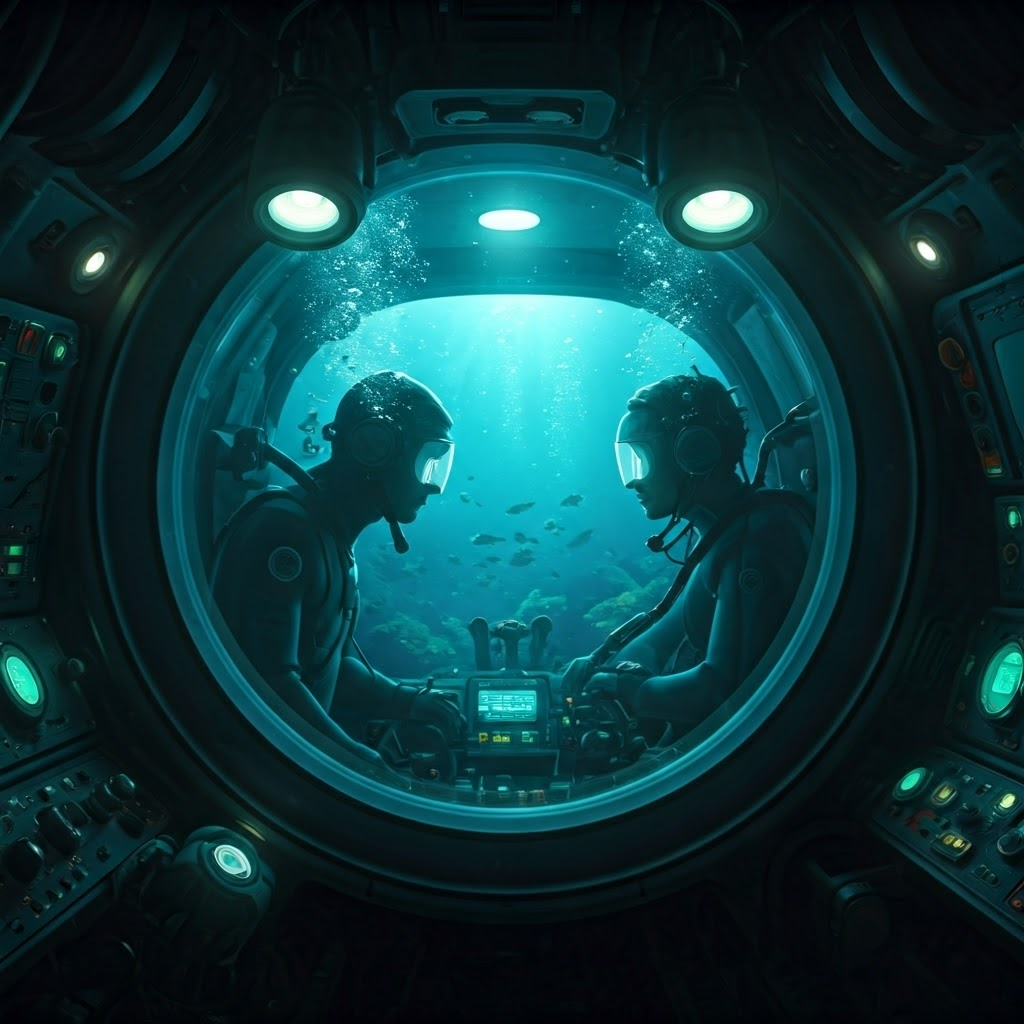
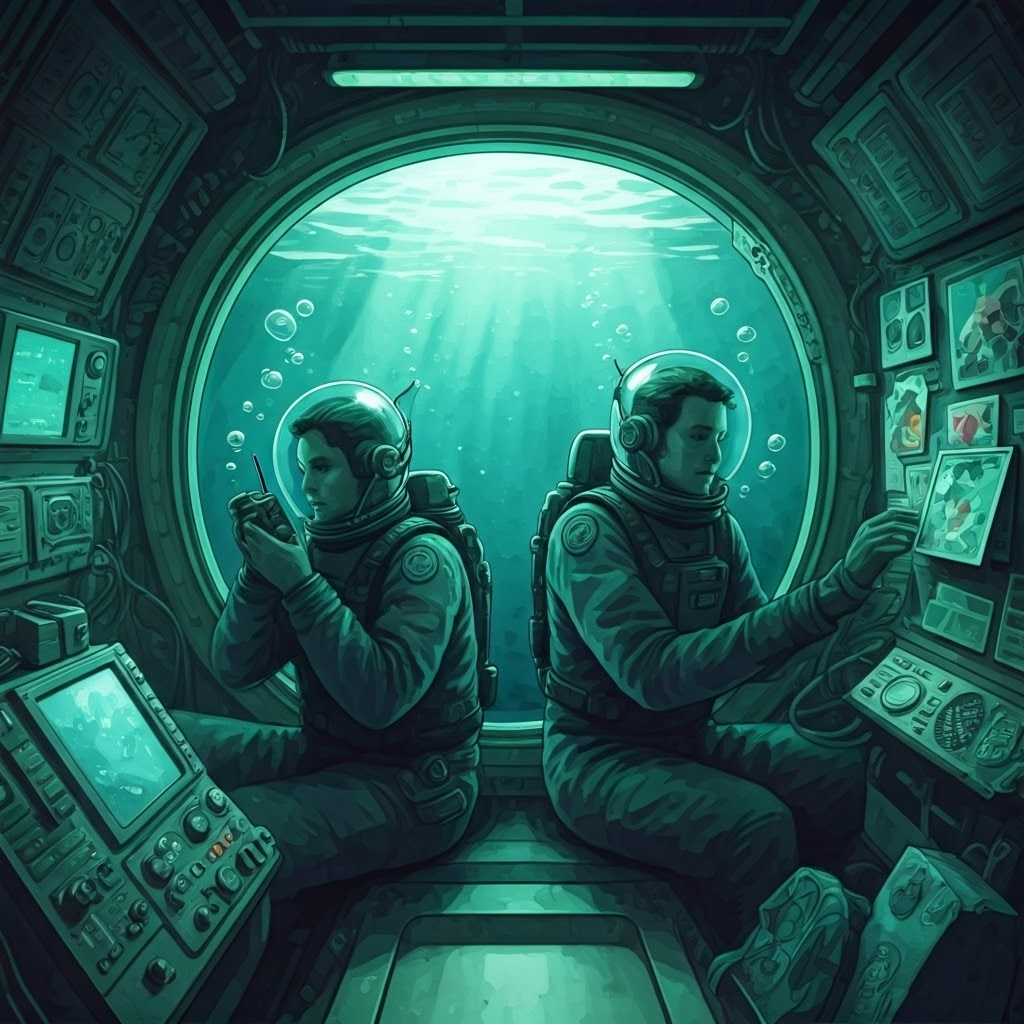
Deep-sea subs like DSV Alvin and habitats such as Aquarius mirror space. Crushing pressure, zero quick exits, and tight control over air create a constant sense of risk—perfect for astronaut training.
Under Pressure: Life in Deep-Sea Submarines
A blocked hatch or sudden flood turns life-threatening fast. Crews drill until responses are automatic. The ocean teaches respect for backups, clear roles, and creative fixes when the unexpected strikes.
Under Pressure: Life in Deep-Sea Submarines
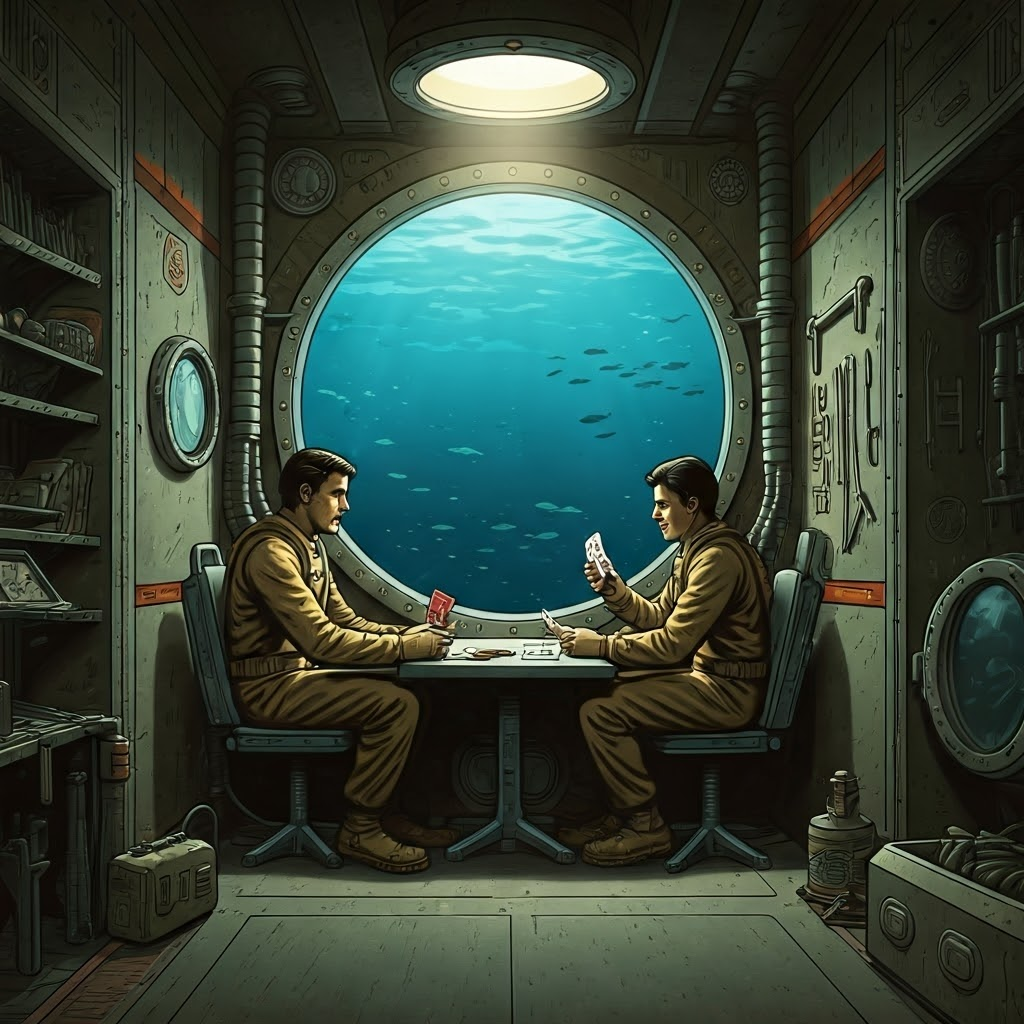
Privacy is scarce, and surface messages lag. Humor, rituals, and routine keep spirits steady. Small errors grow fast in this world, echoing the mindset needed for voyages to Mars.
The Shape of Future Missions
Together, these outposts form a lab for human survival beyond Earth. The main lesson is deeply human: expect failure, plan for shortages, train for surprises, and protect each other.

The Shape of Future Missions
Teams now track real-world data—UV in Antarctica, dust in deserts, pressure undersea—to fine-tune gear and routines. Concordia lowers oxygen to mimic Mars; HI-SEAS limits power to study behavior. This evidence-based approach turns hardship into insight for the next giant leap.
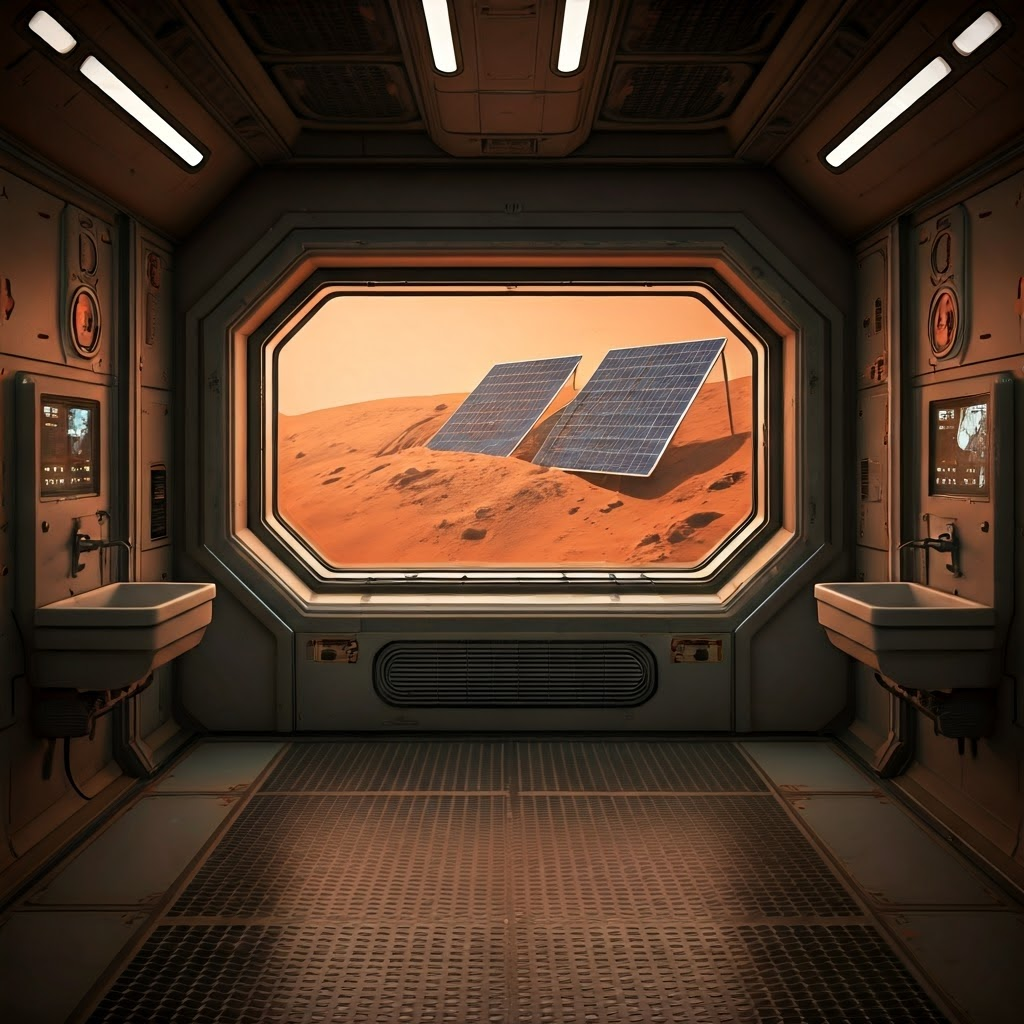
When astronauts step onto Mars, they’ll sleep in habitats shaped by Antarctic nights, ration water like HI-SEAS crews, and stay alert with lessons learned beneath the sea.
