
The Curtain Rises: Light, Matter, and the First Clues
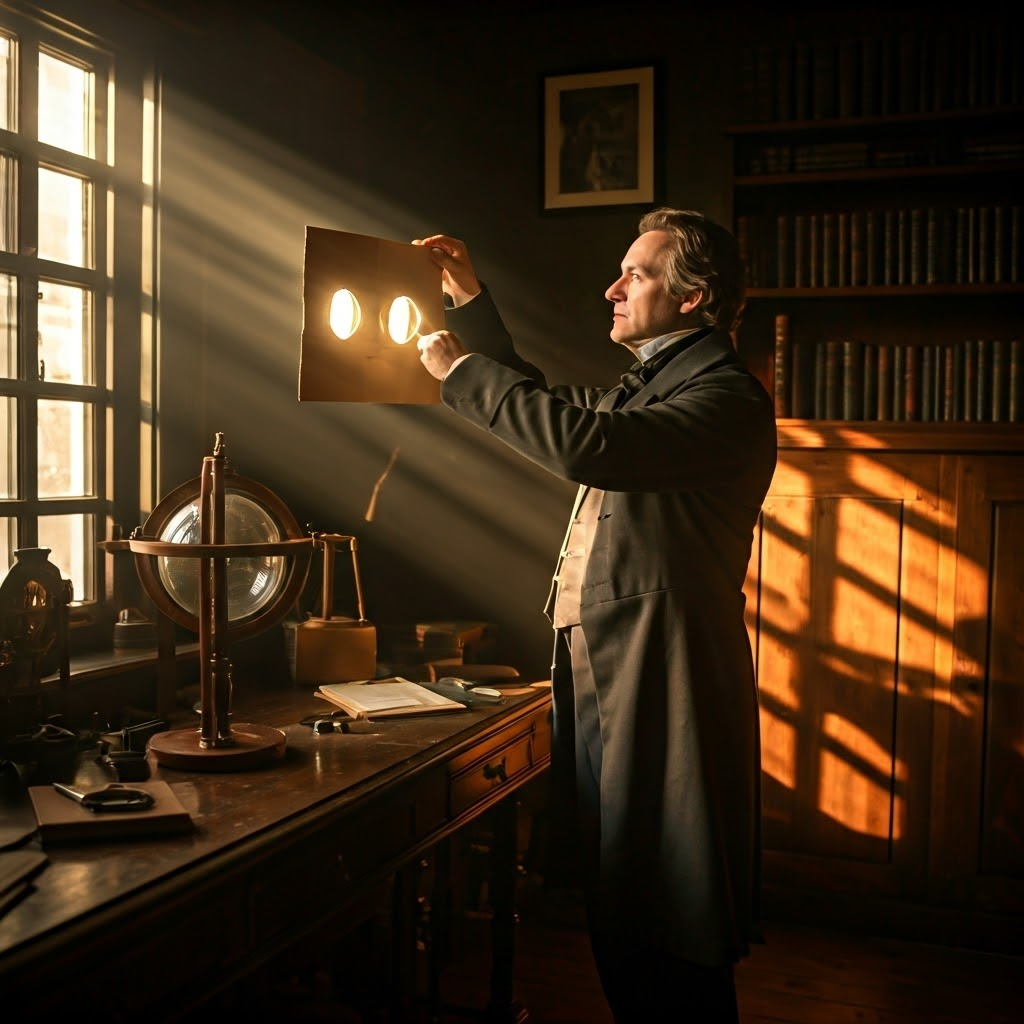
Imagine England in 1801. Thomas Young narrows sunlight through two slits to ask a simple question—what is light? He wants to solve a debate that splits scientists between particles and waves.
A Simple Experiment, a Big Surprise
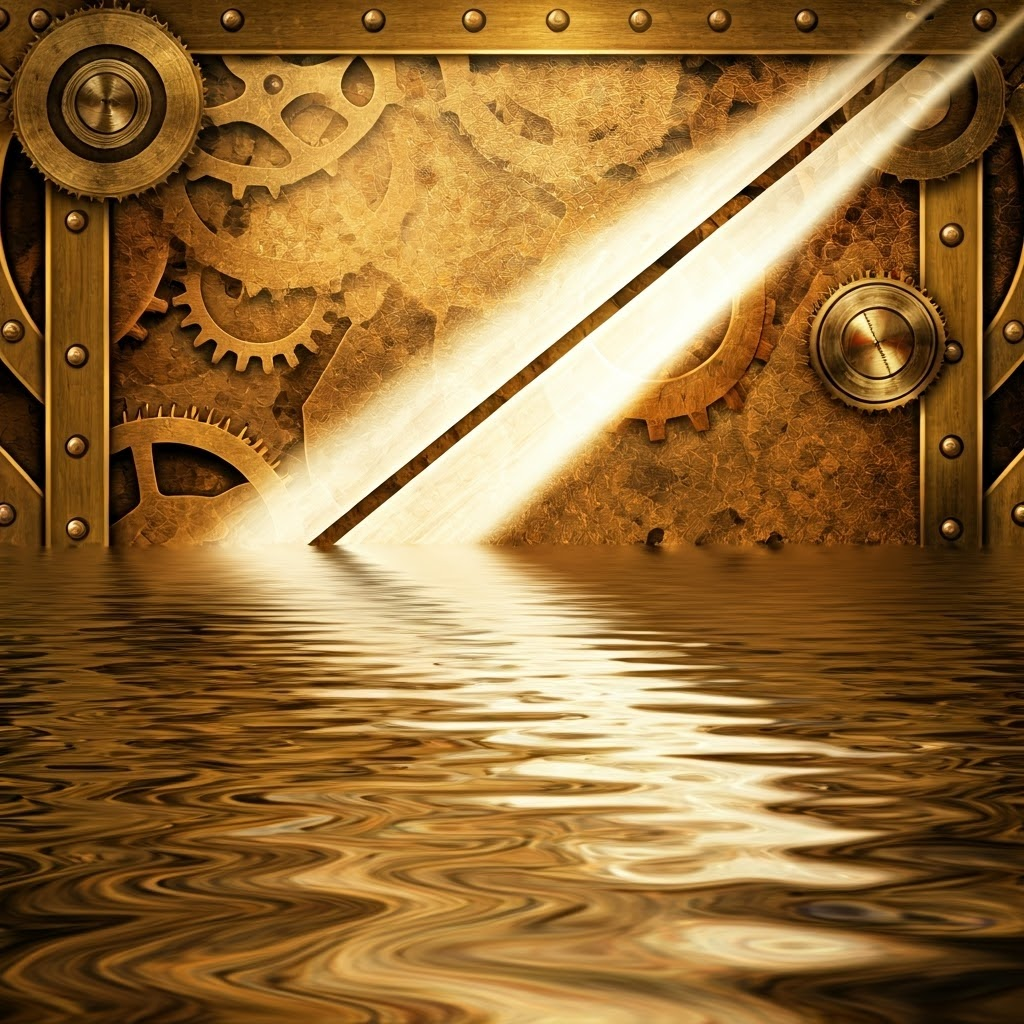
Young expects two bright spots if light behaves like particles. Instead, he sees many bands—called fringes—that resemble a stripe pattern. This unexpected result changes the conversation.

He links those bands to waves. Two sets of ripples add or cancel, creating bright and dark zones. Light must spread out the same way.
Waves, Particles, and the Trouble with Categories
You know a ball stays compact while a ripple spreads. Classic physics liked tidy labels—particles or waves. Light refuses to pick a side. It casts sharp shadows like particles yet forms interference like waves.
Later tests shoot one photon at a time. Each dot lands alone, but the full set still builds the same stripe pattern. Categories start to blur.
Ripples, Shadows, and Stranger Things
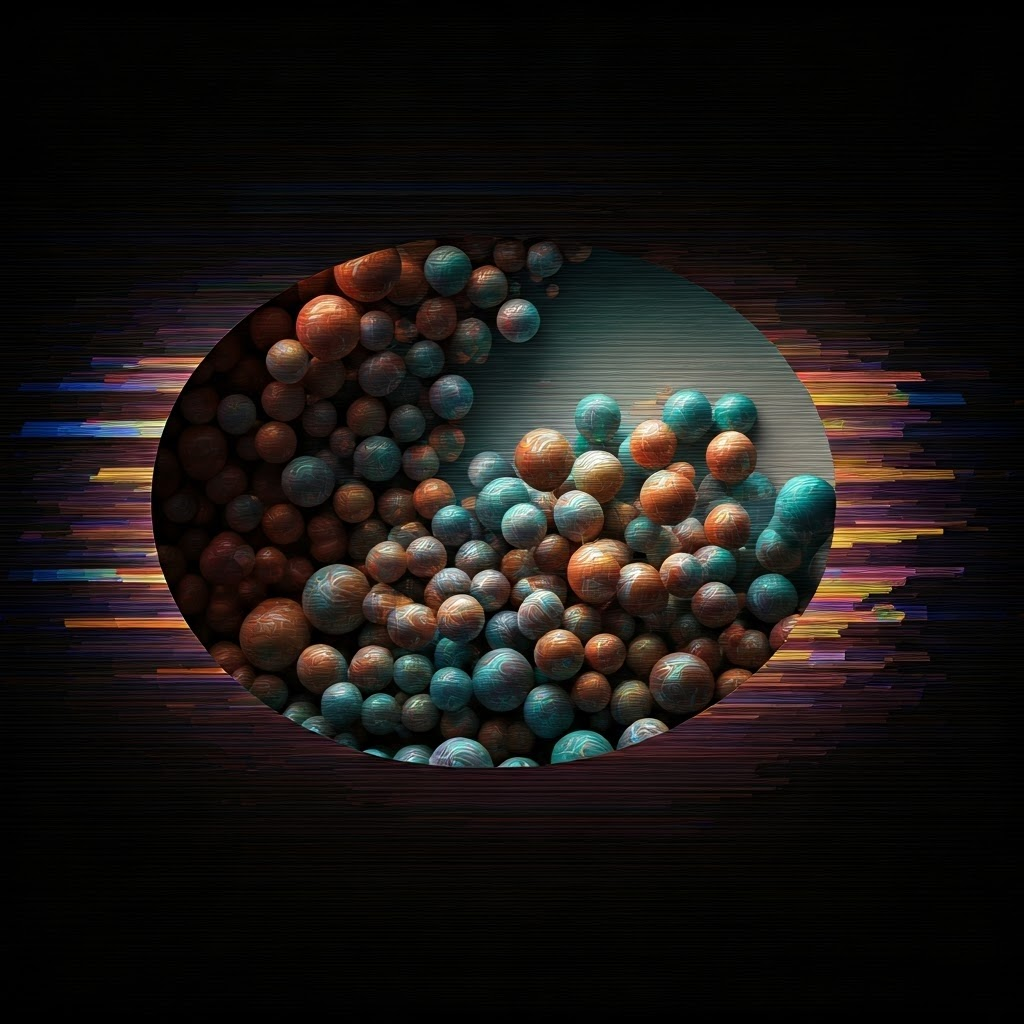
Throw marbles through two holes and get two piles. Shine light and you see stripes. Even single electrons act like pond ripples when left alone—proof that quantum rules differ from everyday rules.
Fringes, Patterns, and the Magic of Interference
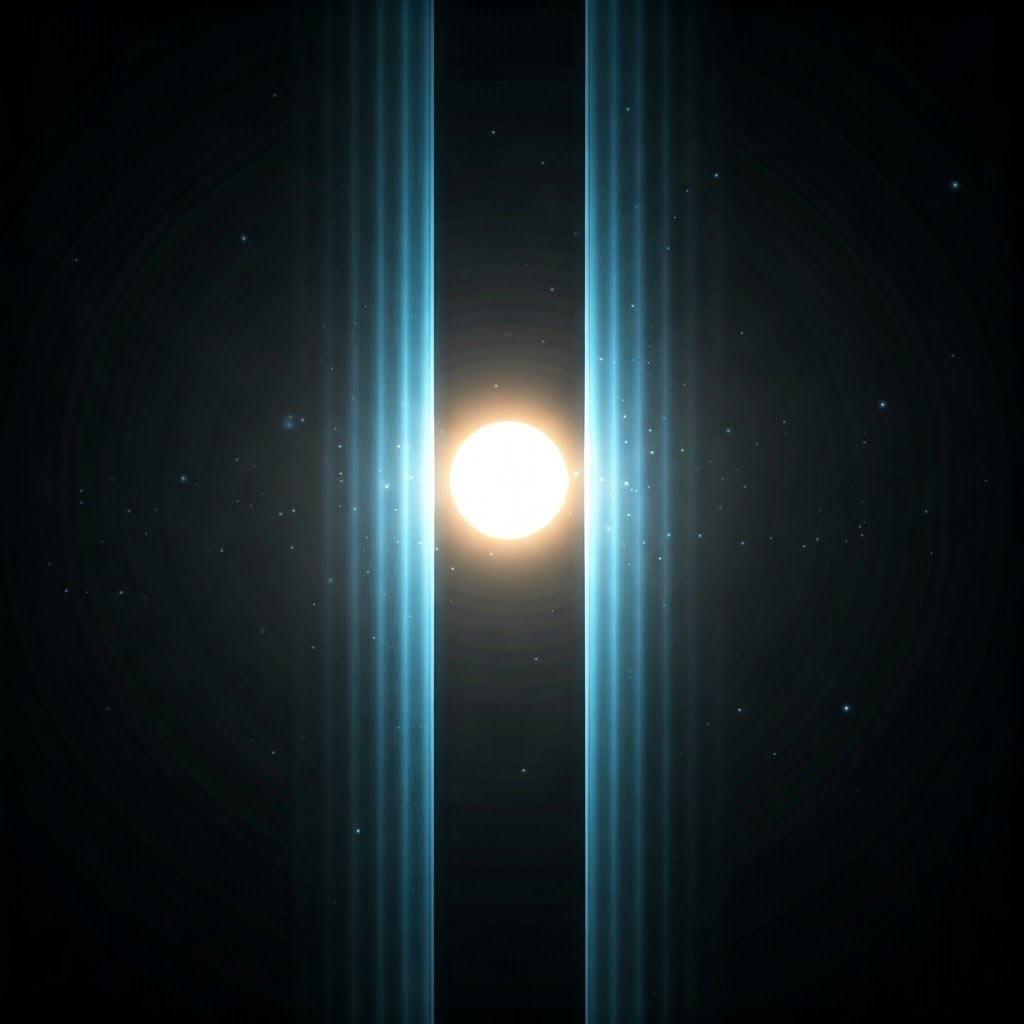
Interference is simple: peaks add for brightness—valleys cancel for darkness. Even with one photon at a time, dots collect into the same pattern. Each particle behaves like a wave until it hits the screen.
Why It Matters
Young’s experiment still runs in labs because it proves light—and matter—ignore simple labels. Those stripes pull back reality’s curtain, hinting that the universe works by deeper, quantum rules. Once you see them, you begin to ask what else waits beyond everyday sight.
