
From Counting Stones to Clockwork Dreams
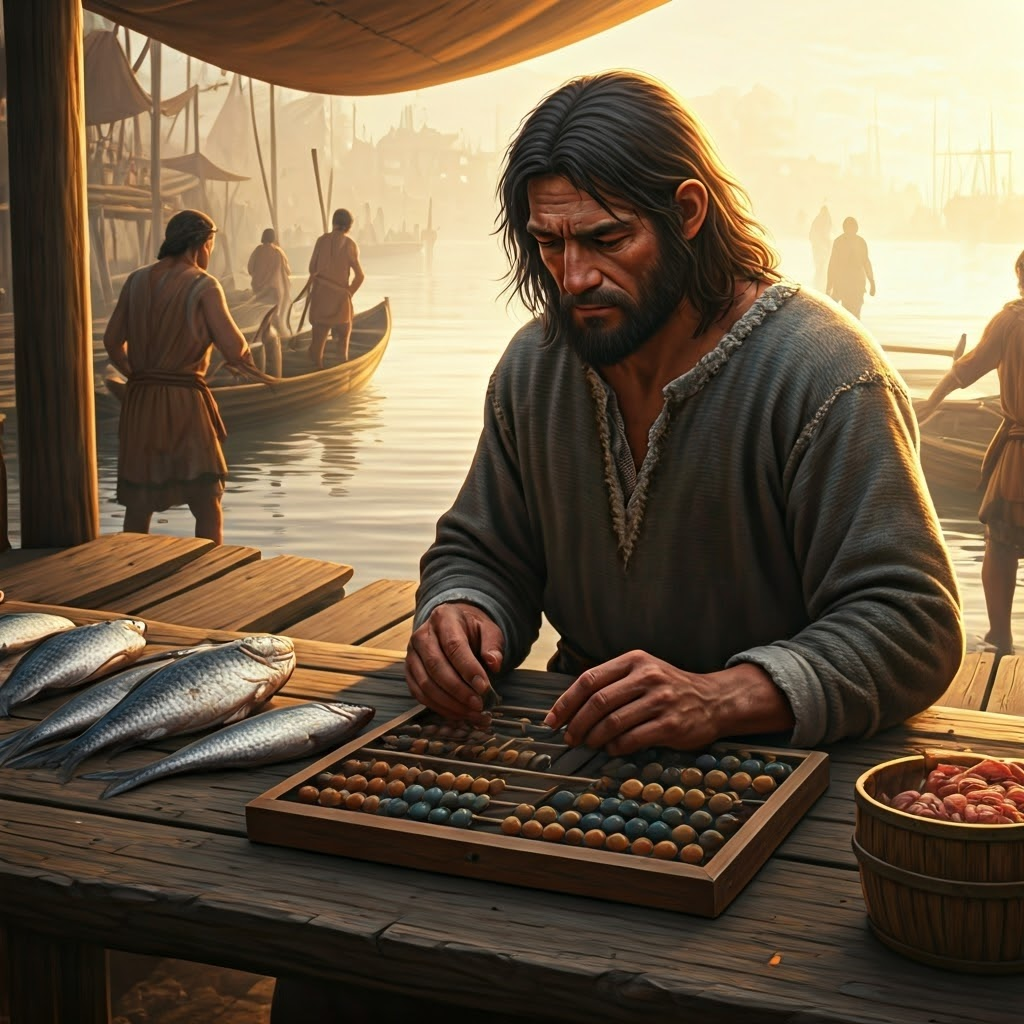
Imagine you’re trading fish at a riverside market thousands of years ago. You need a way to track who owes you, or how many fish you’ve sold. Early humans used stones, sticks, and dirt marks to keep tally. If you’ve ever scratched lines on paper, you share that ancient habit.
One simple, universal tool was the abacus. Picture a wooden frame with sliding beads. Each bead stands for a number, and moving beads lets you add or subtract faster than fingers alone. The abacus turned raw counting into a smooth, almost rhythmic action.
The Leap to Mechanical Minds
Trade, science, and government soon demanded quicker, more reliable math. Inventors responded with mechanical calculators.
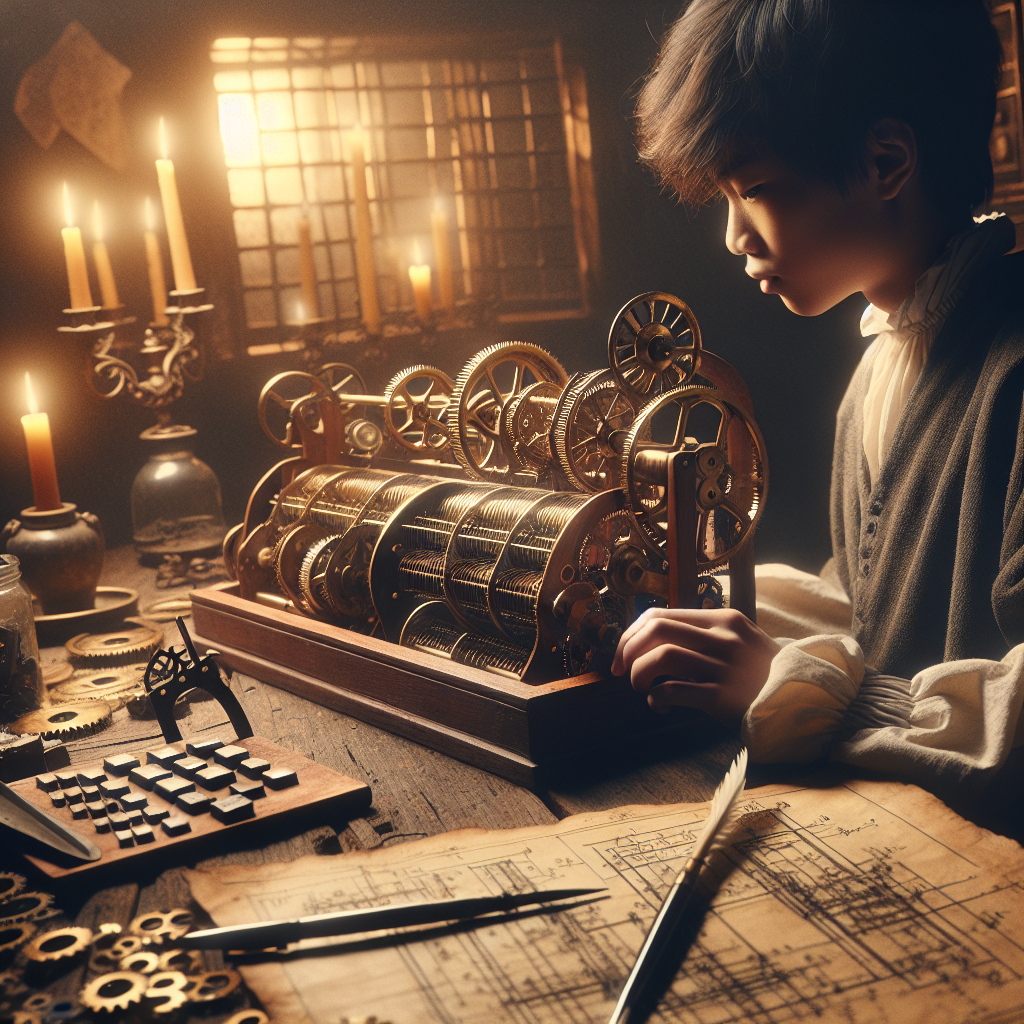
Blaise Pascal, a teen prodigy in 1600s France, built the Pascaline—a box of gears and dials. Turn a dial to enter numbers, and hidden wheels add totals almost automatically. Scholars and tax collectors coveted this device because math finally shifted from mental work to engineered motion.
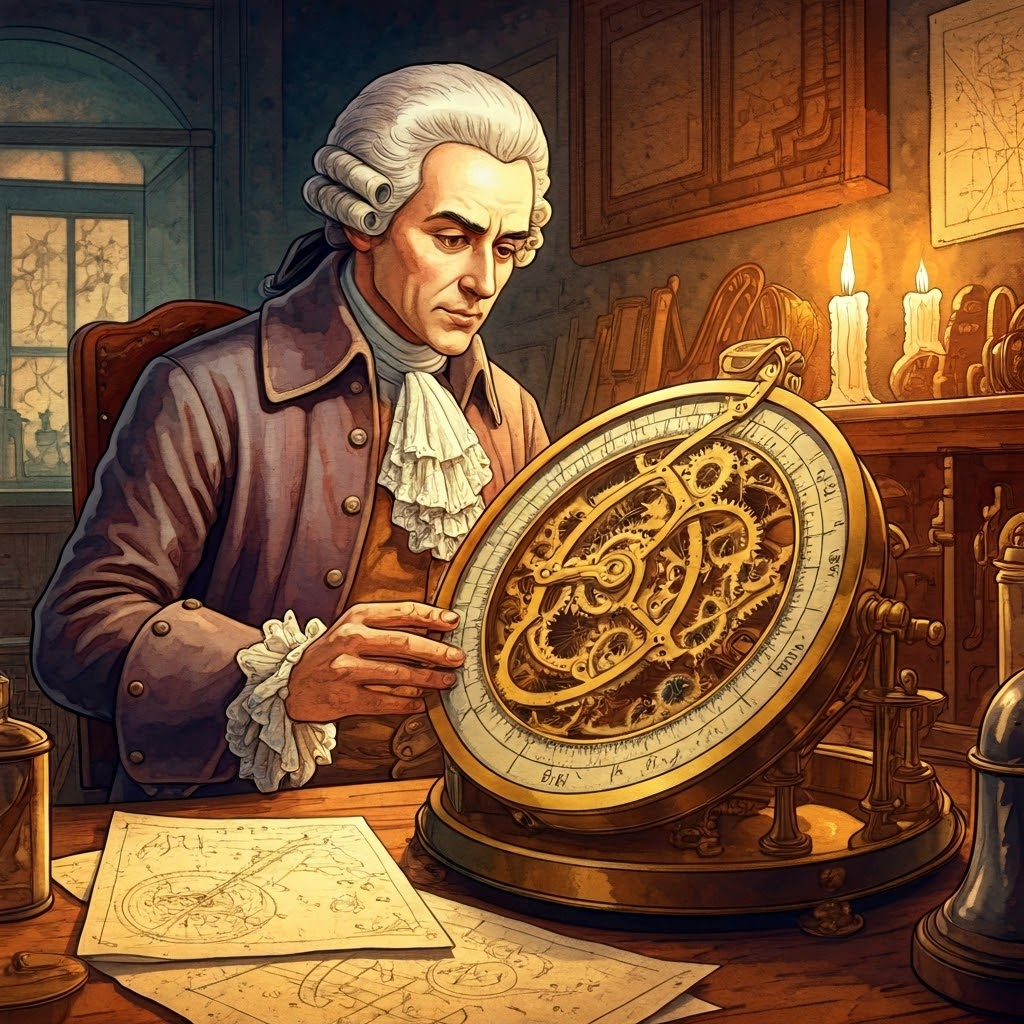
Not long after, Gottfried Wilhelm Leibniz unveiled the Step Reckoner. Its “stepped drum” let the machine multiply and divide—an impressive feat then. The gears often jammed, yet the idea was clear: a machine could follow different steps, almost like reading a script.
These early calculators guided astronomers predicting eclipses, bankers balancing ledgers, and governments collecting taxes. Each success nudged thinkers to imagine even broader possibilities.
Babbage’s Dream Machine
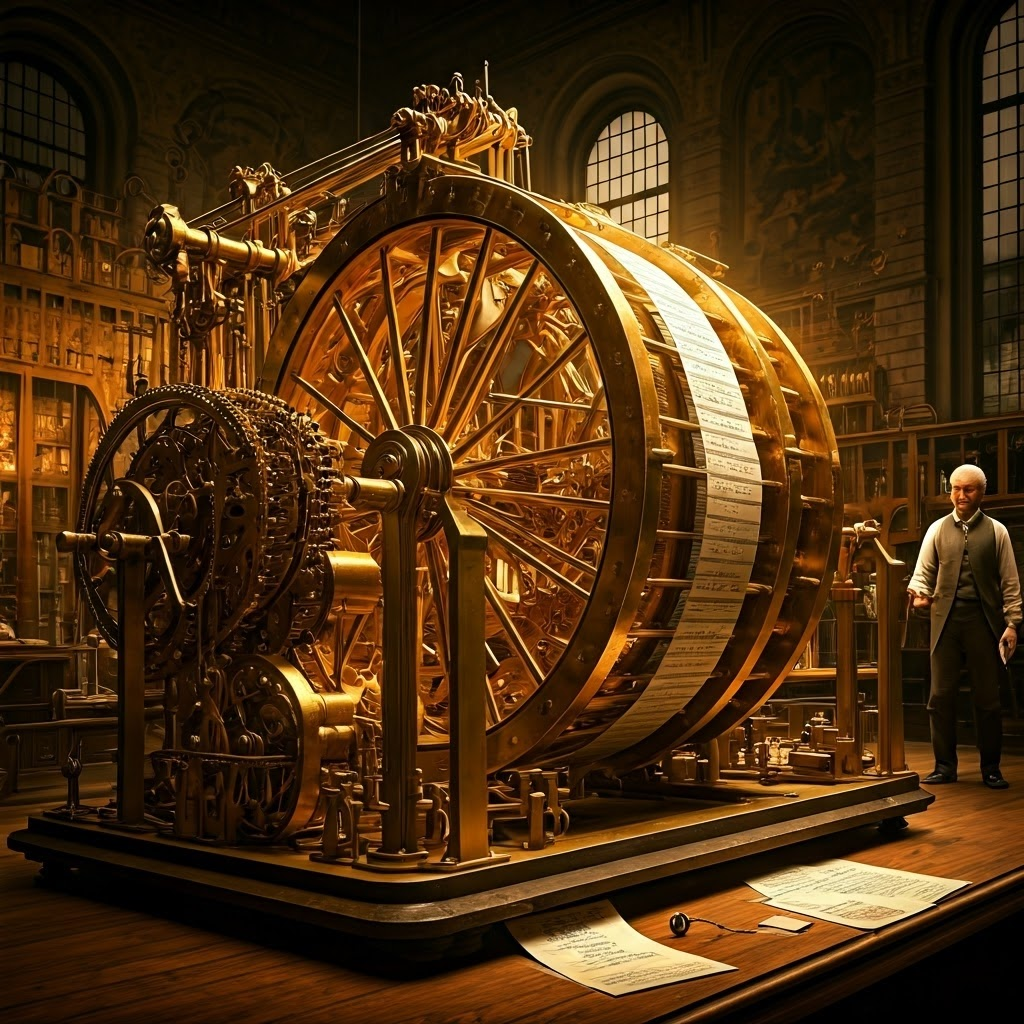
Charles Babbage first built the noisy Difference Engine, but his Analytical Engine aimed higher. Punched cards, borrowed from textile looms, told the machine each step. Inside, a “mill” processed numbers while a “store” held results—early hints of memory and a central processing unit. The plan mapped all core parts of a modern computer.
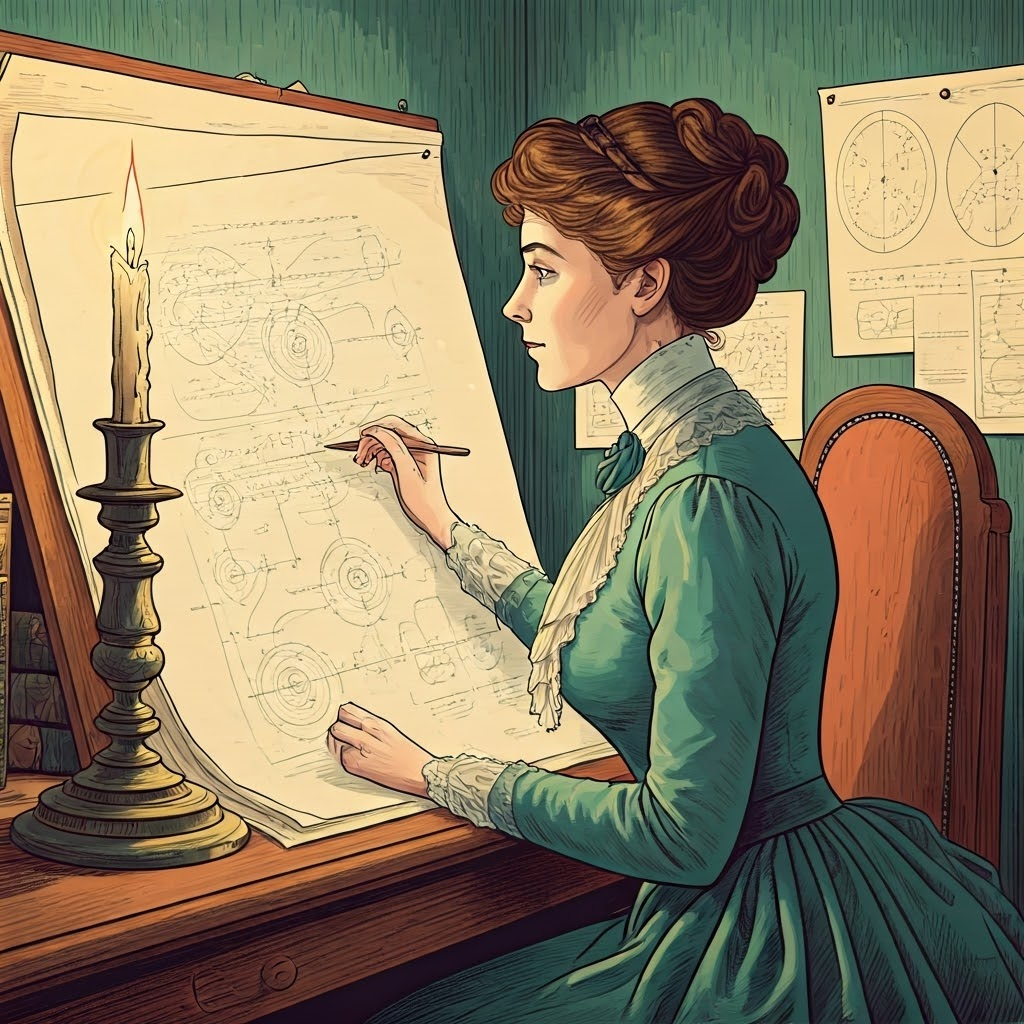
Ada Lovelace grasped the Engine’s promise. In detailed notes, she outlined how it could calculate formulas and even manipulate symbols beyond math, opening paths to music or art. Her published instructions became the first computer program. Yet Babbage, ever perfectionistic, never finished the Engine itself.
The Roots of Modern Machines
Abacuses, mechanical calculators, and Babbage’s Engine were more than curiosities—they were bridges. Each invention stood on the shoulders of the last. They proved machines could follow rules for any task you could describe.
Your smartphone traces its heritage to those stones, gears, and punched cards. Machines evolved from simple tools into partners in thinking—and the real revolution was only beginning.
