14 min read  •  12 min listen

Cotton Moves

How Spinning and Weaving Left the Cottage and Changed the World

Cotton Moves

AI-Generated

April 29, 2025

Ever wondered how a simple plant changed the world? Follow the threads from quiet cottages to roaring mills, and see how cotton spun a new way of life for millions.


From Hearth to Mill: The Big Shift
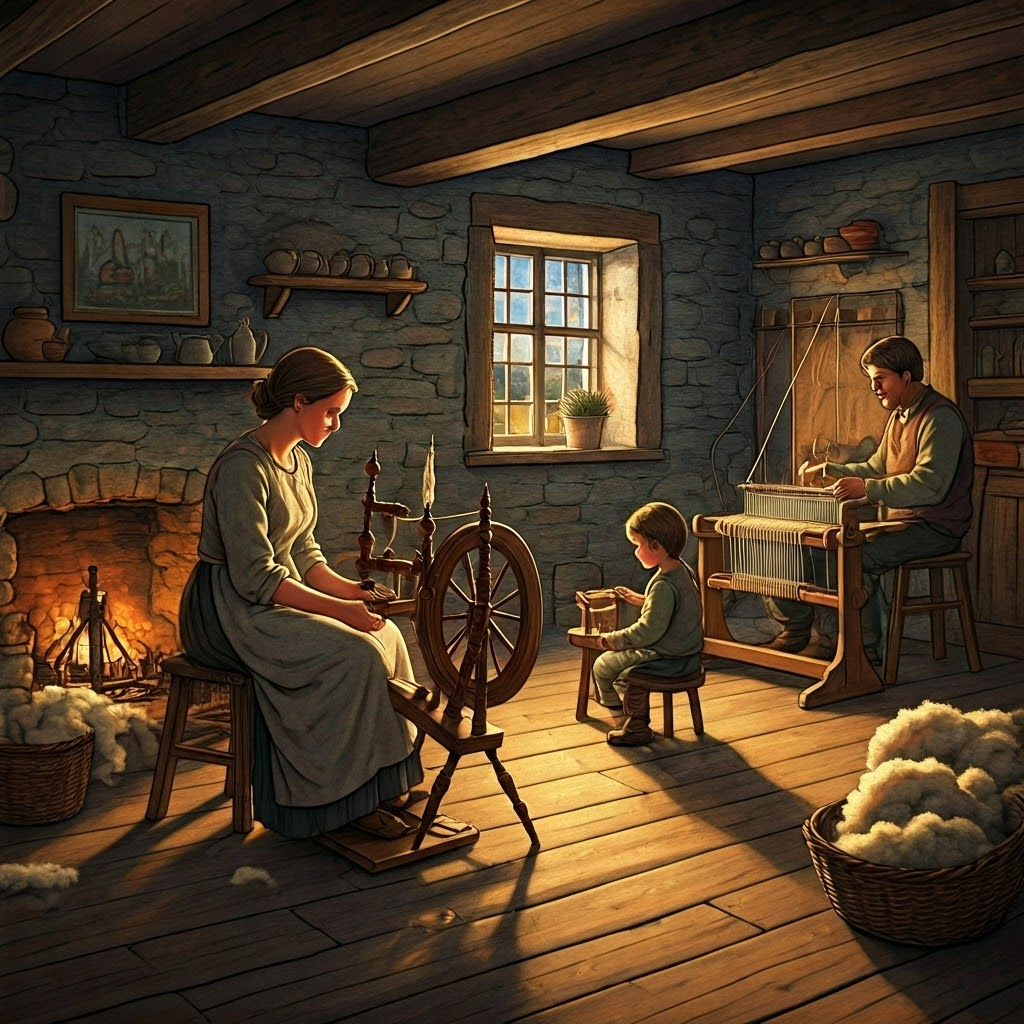
Family spinning and weaving together by firelight in a rustic English cottage, showing teamwork before factories.

For centuries families spun and wove cloth at home. They followed the rhythm of the sun and seasons. Work felt calm yet demanding. This peaceful scene was about to change.

Spinning at Home: The Old Way
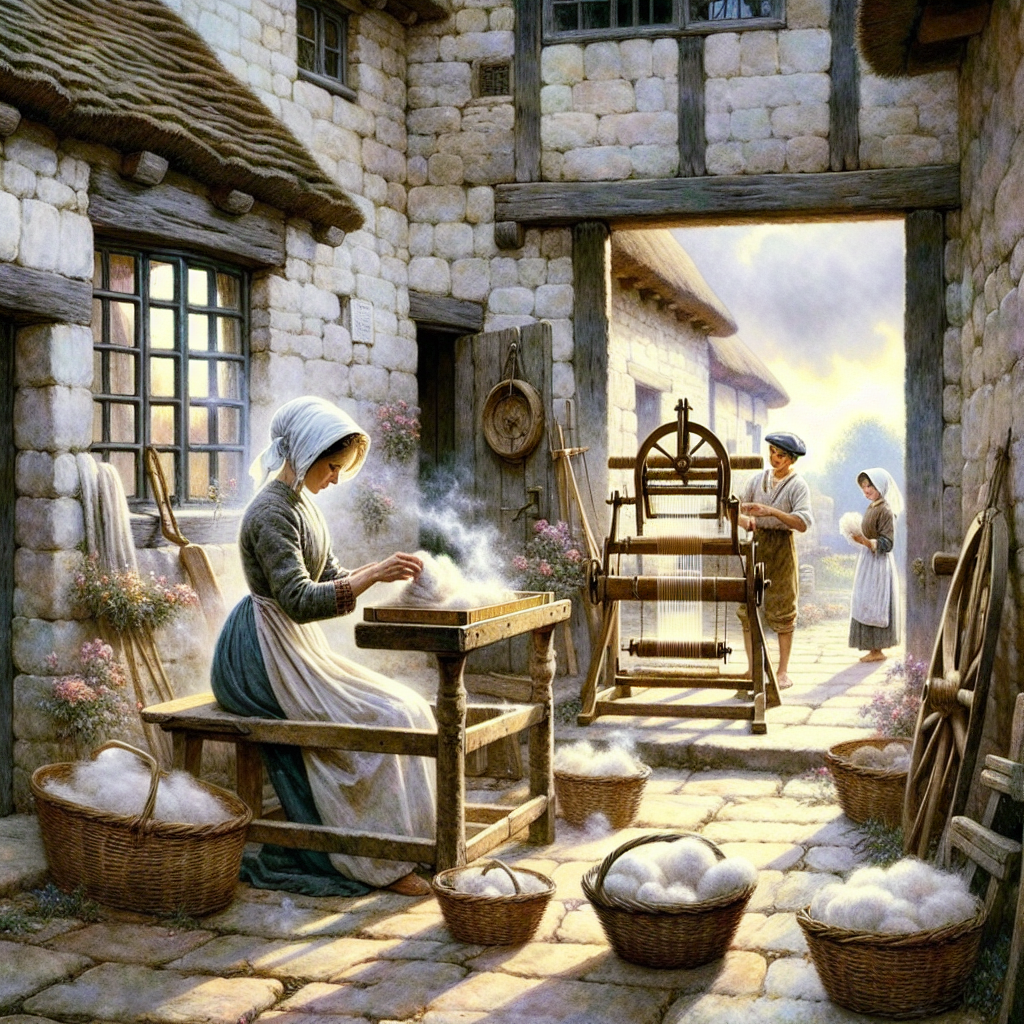
Early morning village cottage where parents spin and weave while children carry raw fibers.

A cottage workshop ran on simple tools. A spinning wheel twisted wool into thread. A hand loom turned thread into cloth. Each family member helped. They earned only what their hands produced. Some weeks brought plenty of orders. Other weeks brought none. Freedom came with uncertainty.

Spinning at Home: The Old Way
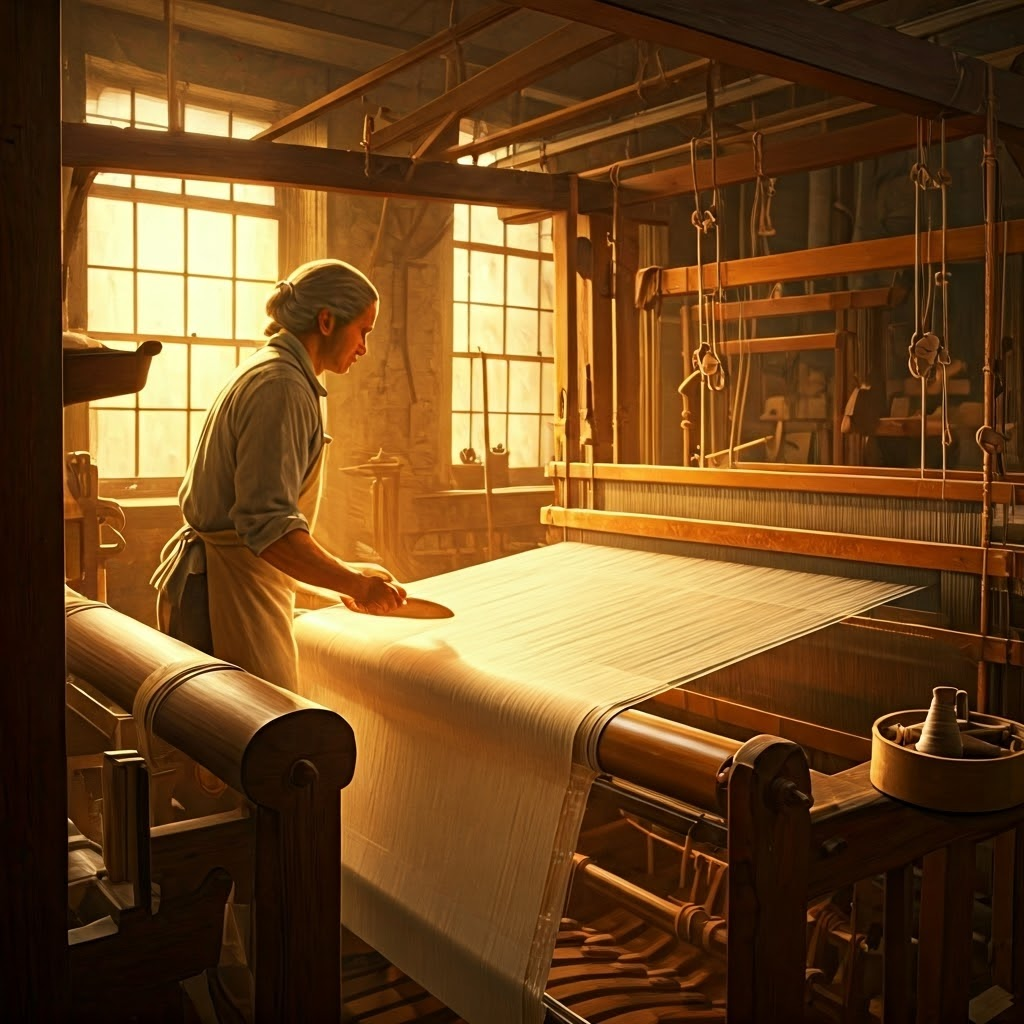
Single weaver using a flying shuttle in an 18th-century workshop, highlighting faster weaving.

Merchants delivered raw fiber and returned for finished cloth. Doors stayed open, and looms thumped through the village. The pace felt slow but steady. Families decided when to rest. Yet progress crawled, and making enough money was tough. Skill mattered more than speed.

Gadgets That Changed Everything
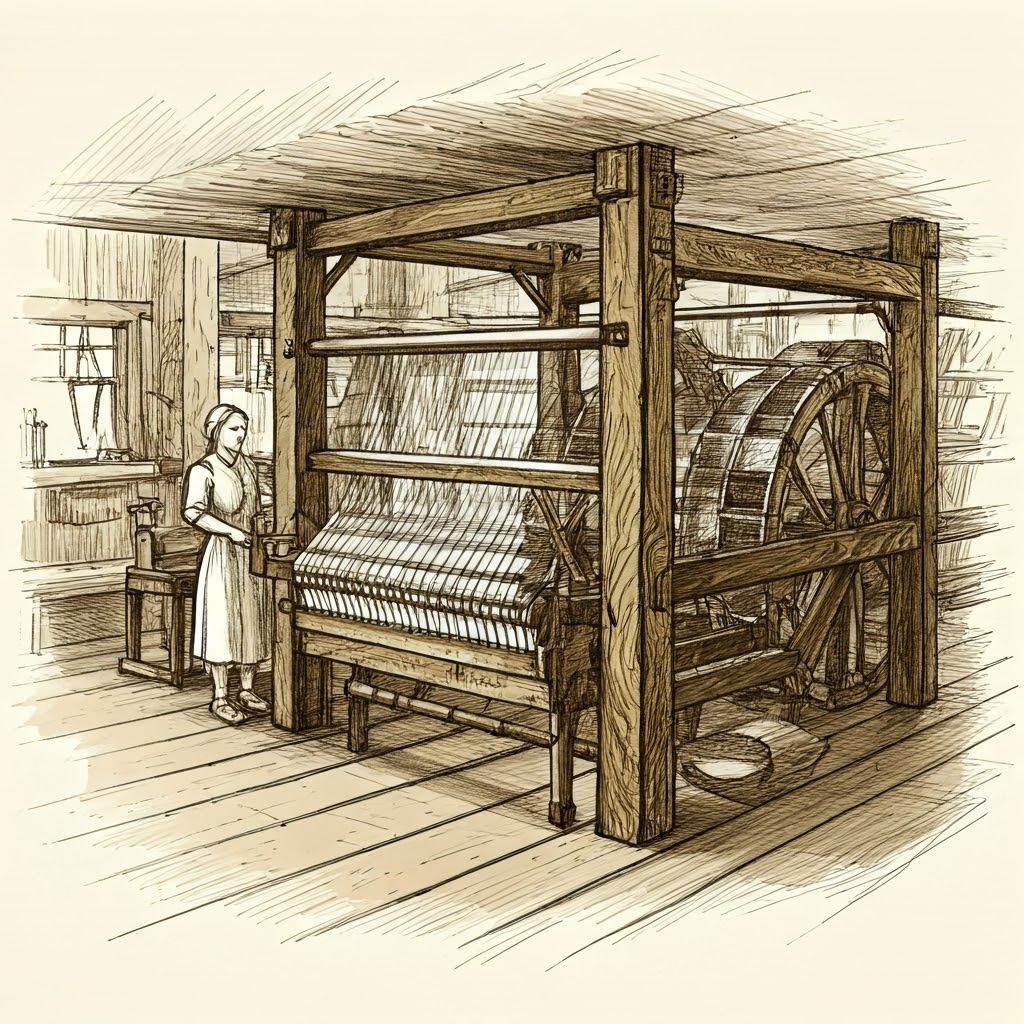
Woman operating a spinning jenny beside larger water-powered machines, showing rising complexity.

In 1733 John Kay’s flying shuttle let one weaver work twice as fast. Thread demand soared. James Hargreaves answered with the spinning jenny in 1764. One hand now spun many spools. Richard Arkwright’s 1769 water frame used flowing water to spin stronger yarn. Samuel Crompton’s 1779 mule blended both ideas. Output exploded but kitchens could not hold these bulky machines.

The Factory System: A New World of Work
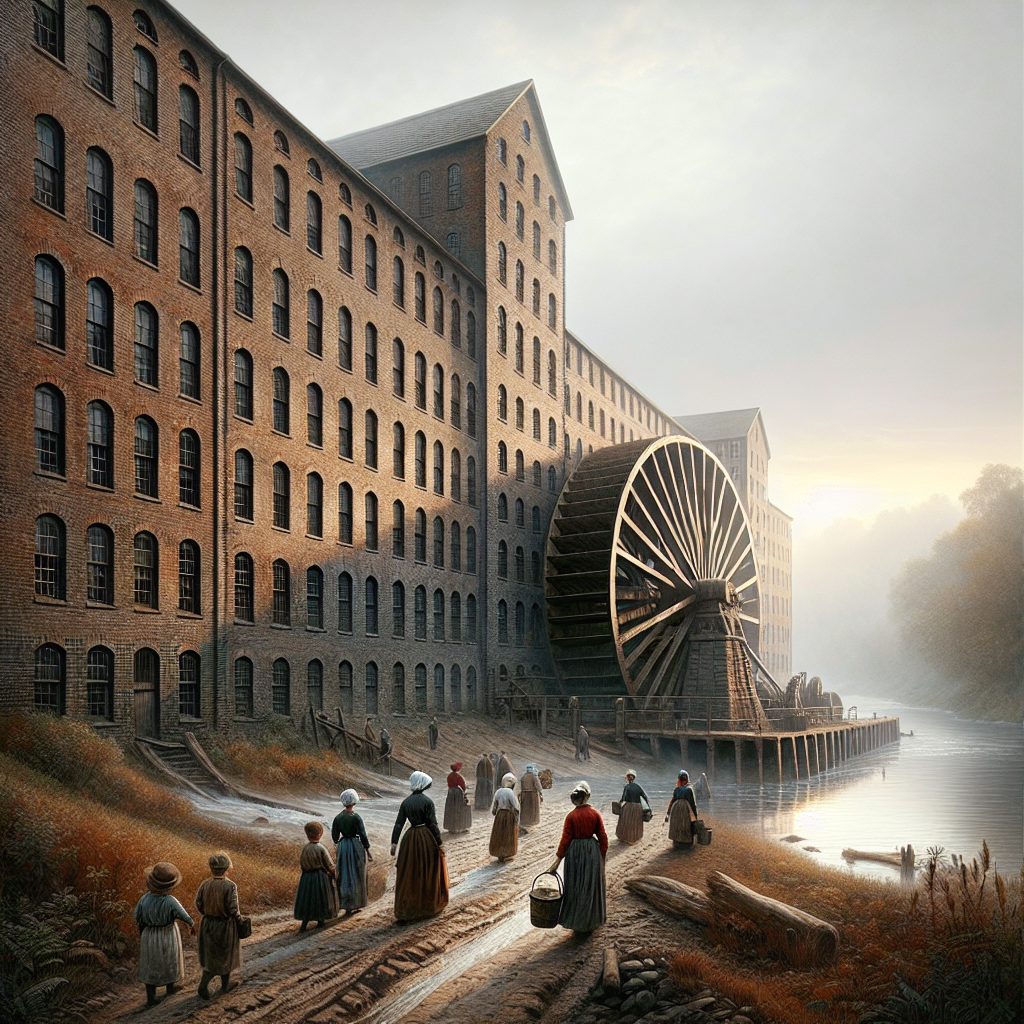
Brick mill at dawn with a giant water wheel and workers arriving for their shift.

Large mills gathered the new machines under one roof. Water—and soon steam—drove them. Arkwright organized labor by the clock. Bells signaled start, break, and finish. Workers, often women and children, performed one narrow task all day. Schedules replaced sunlight as the timekeeper.

The Factory System: A New World of Work
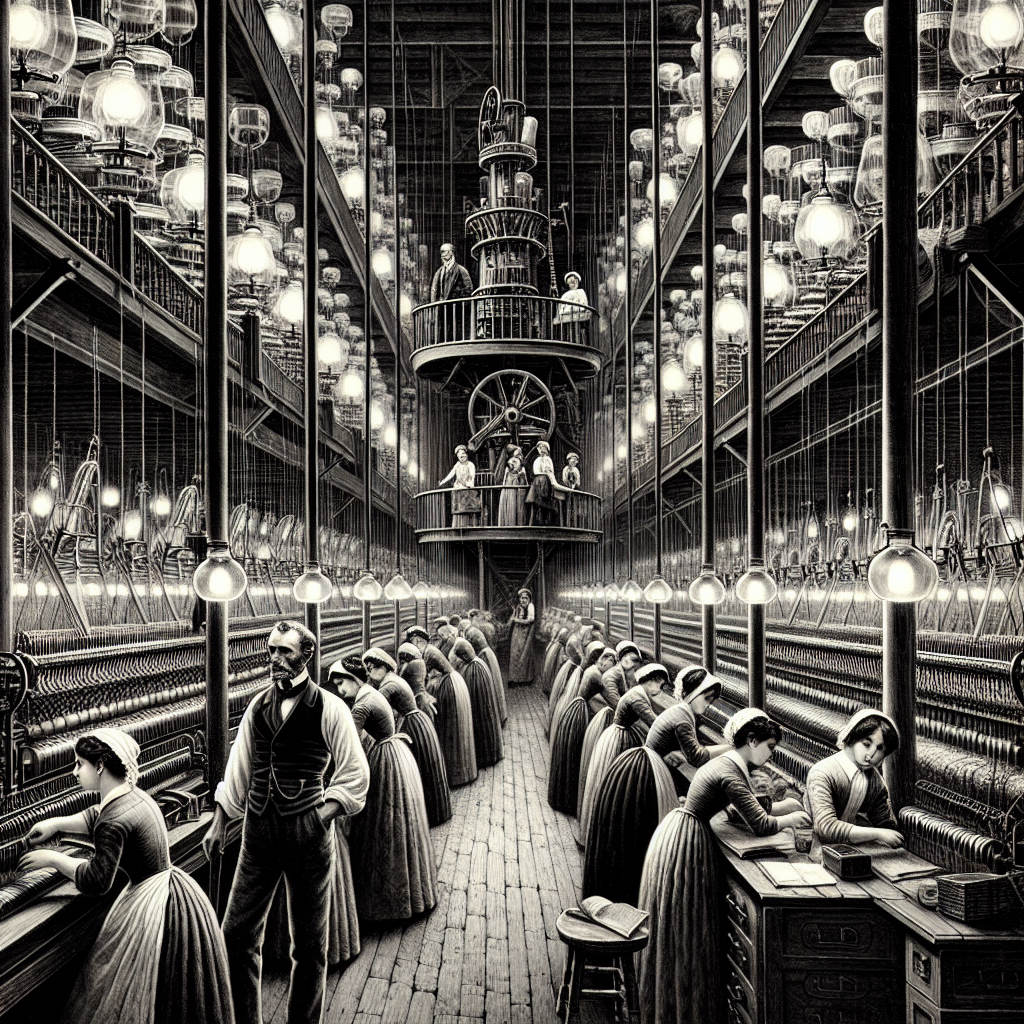
Busy 19th-century textile mill floor with rows of spinning mules and an overseer watching workers.

One mill could outproduce an entire village in a week. A clear hierarchy formed: owners, managers, supervisors, and machine tenders. Wages arrived regularly, yet days felt relentless. Some disliked the strict rulebook. Others enjoyed steady pay and shared life in mill towns. The shift from hearth to factory made cloth cheaper and transformed society forever.


Tome Genius

Industrial Revolution: Technology & Society

Part 2

Tome Genius

Cookie Consent Preference Center

When you visit any of our websites, it may store or retrieve information on your browser, mostly in the form of cookies. This information might be about you, your preferences, or your device and is mostly used to make the site work as you expect it to. The information does not usually directly identify you, but it can give you a more personalized experience. Because we respect your right to privacy, you can choose not to allow some types of cookies. Click on the different category headings to find out more and manage your preferences. Please note, blocking some types of cookies may impact your experience of the site and the services we are able to offer. Privacy Policy.
Manage consent preferences
Strictly necessary cookies
Performance cookies
Functional cookies
Targeting cookies

By clicking “Accept all cookies”, you agree Tome Genius can store cookies on your device and disclose information in accordance with our Privacy Policy.

00:00