
The Universe Gets Going: From the Big Bang to Now
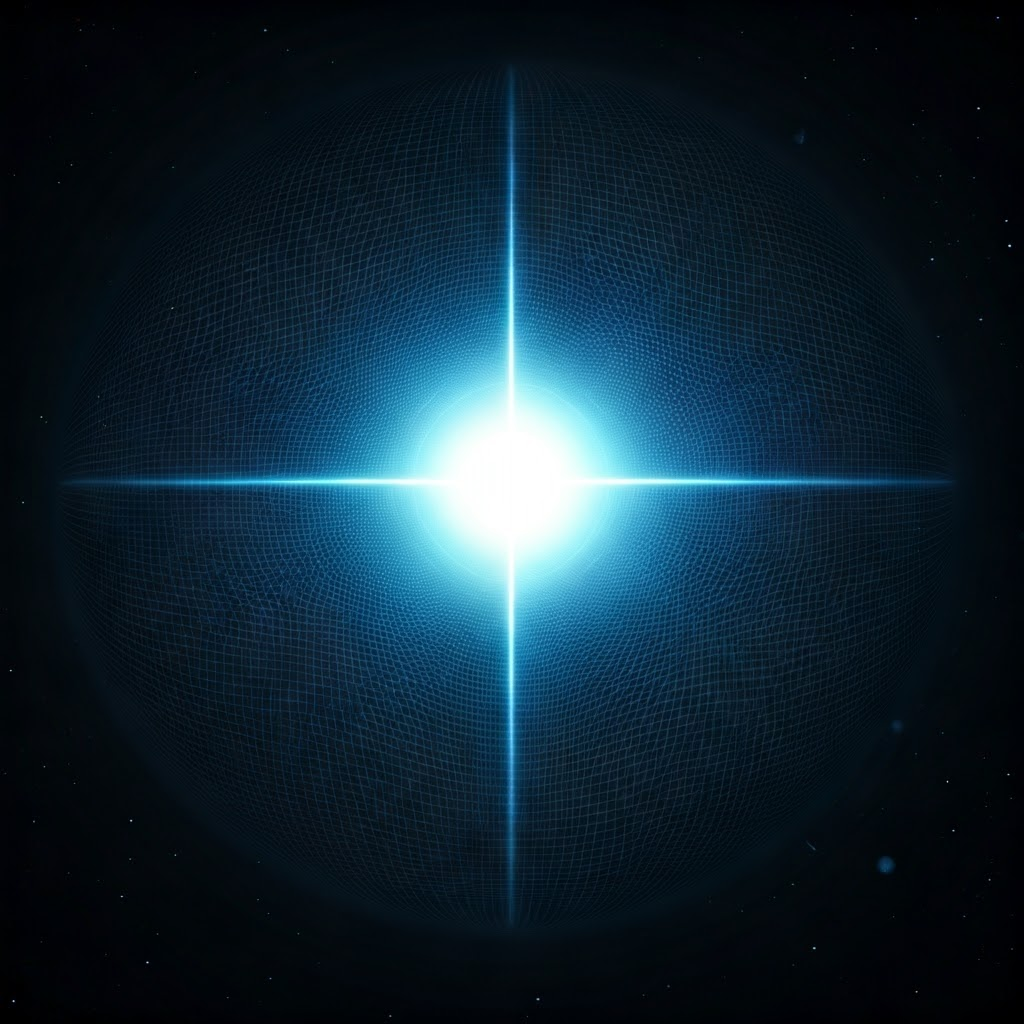
Think of the universe starting as a tiny, blinding point—then spreading out in every direction. This idea is called the Big Bang.
A Hot Start: The Big Bang Timeline
About 13.8 billion years ago everything—space, time, and energy—began expanding. In less than a heartbeat, temperatures fell and the fundamental forces separated.
The newborn cosmos became a seething mix of quarks, electrons, neutrinos, and photons. They raced near light speed.
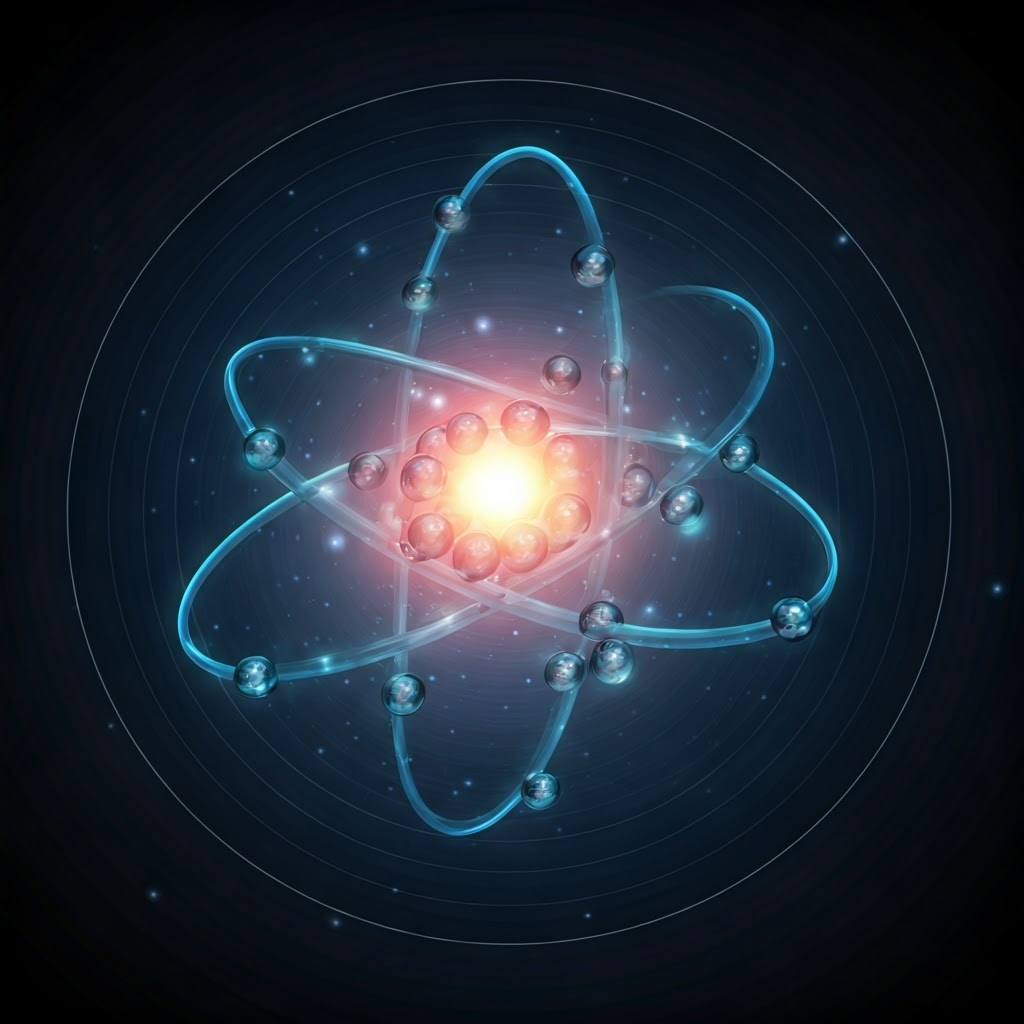
Within one second some particles bonded into protons and neutrons. After three minutes many fused into simple nuclei—mostly hydrogen and a little helium.
The gas stayed too hot for full atoms. Only after hundreds of thousands of years could electrons settle into place.
Scientists trust this story because galaxies keep moving apart. Their light stretches—an effect called redshift—showing continued expansion.
Clues also come from a faint radio glow across the sky, the cosmic microwave background.
Cosmic Inflation: The Universe’s Growth Spurt
For a split instant the universe doubled in size again and again. We call this burst inflation.
Inflation explains why opposite sides of the sky match in temperature. It also smooths the overall shape, so vast regions appear flat.
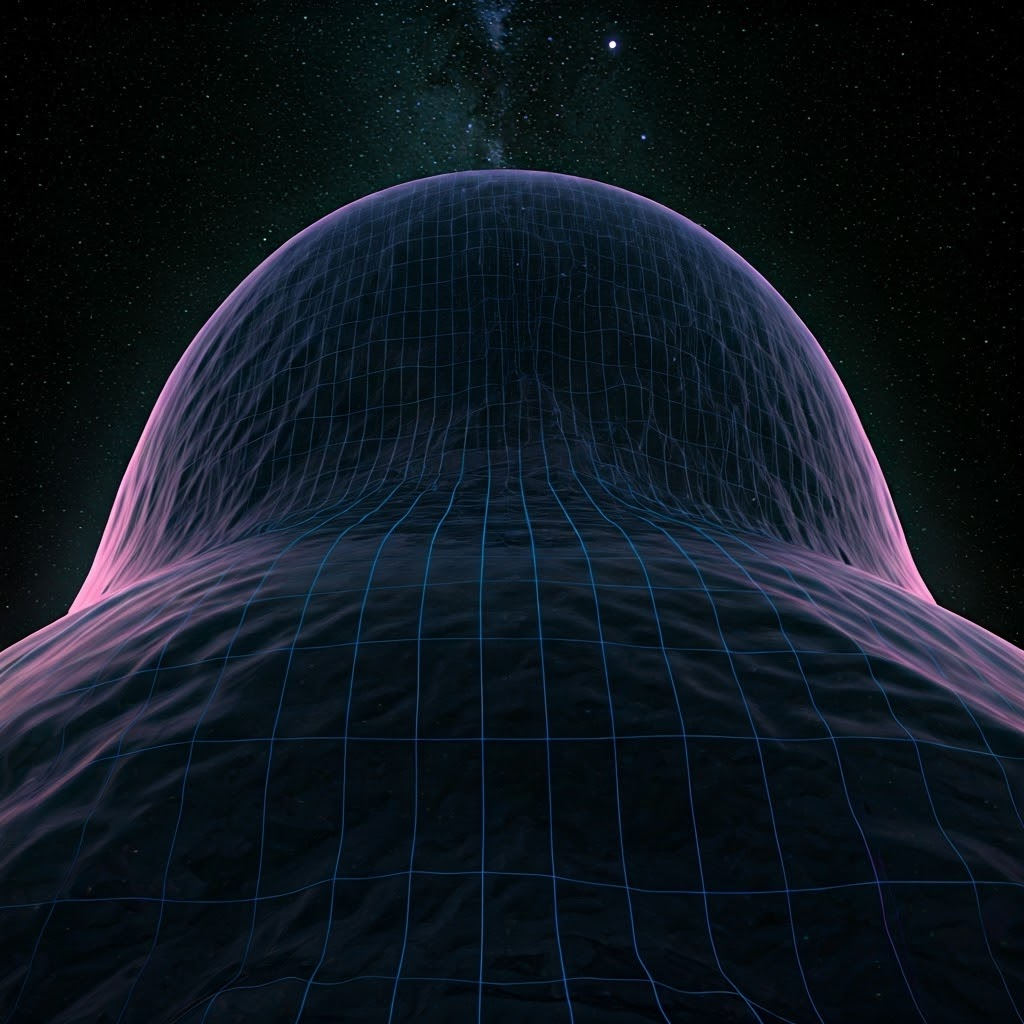
No one watched inflation happen, yet tiny ripples in the microwave background fit its predictions better than any rival idea.
Making Matter: Nucleosynthesis
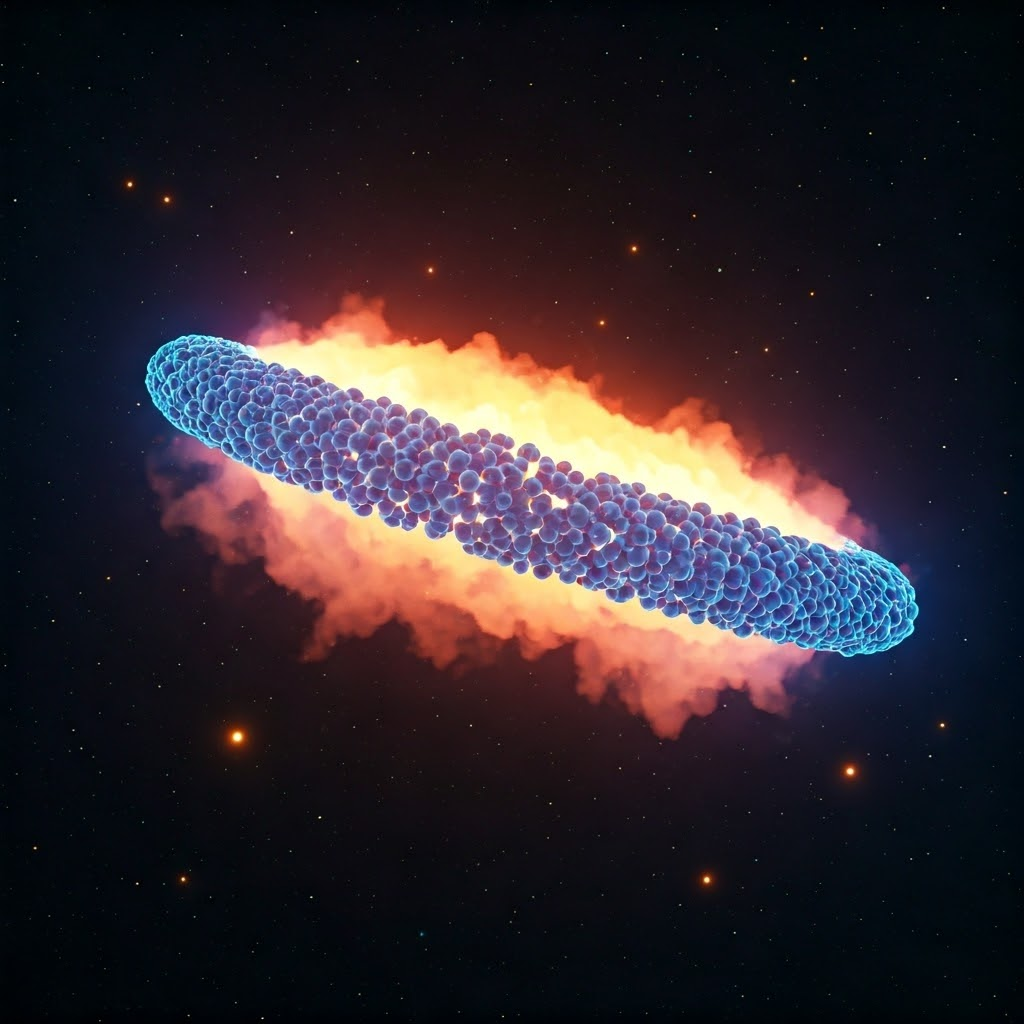
A few minutes in, the hot fog cooled enough for nucleosynthesis. Protons grabbed neutrons, forming helium and trace lithium.
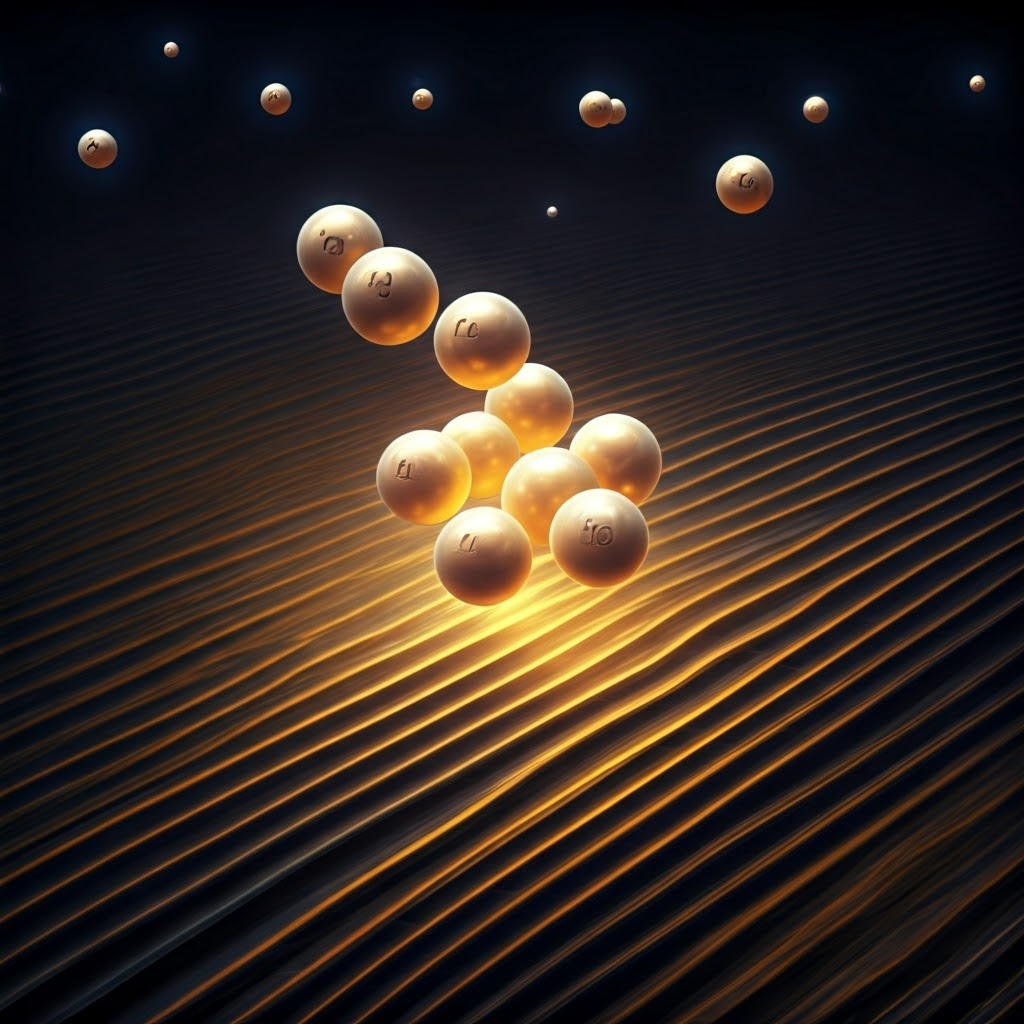
Most protons stayed solo as hydrogen. The resulting element mix still dominates stars today, matching Big Bang forecasts.
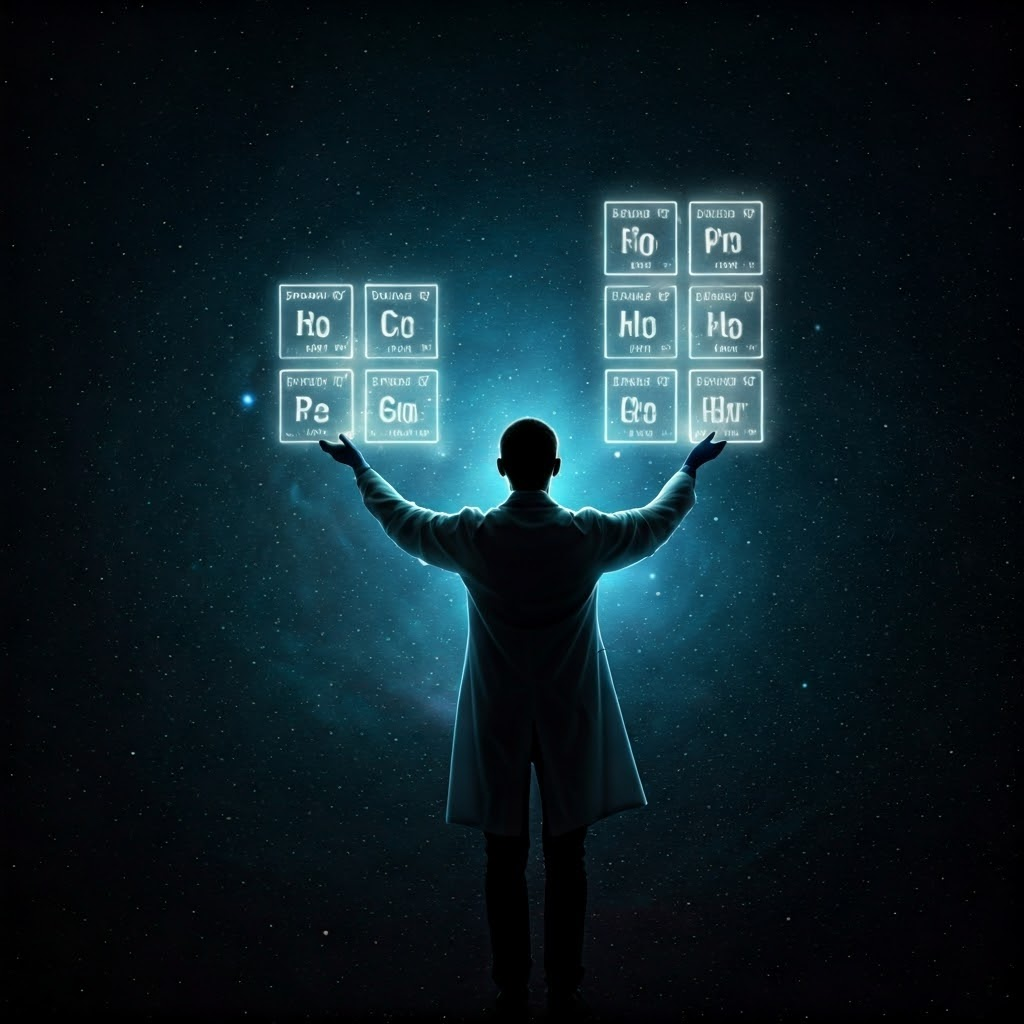
If the ratios had differed, stars and chemistry—and life—might never have formed.
The Afterglow: Cosmic Microwave Background
When the universe reached 380 000 years, electrons joined nuclei and space turned transparent. Light from that moment still travels, cooled to 2.7 K. We detect it as the cosmic microwave background.
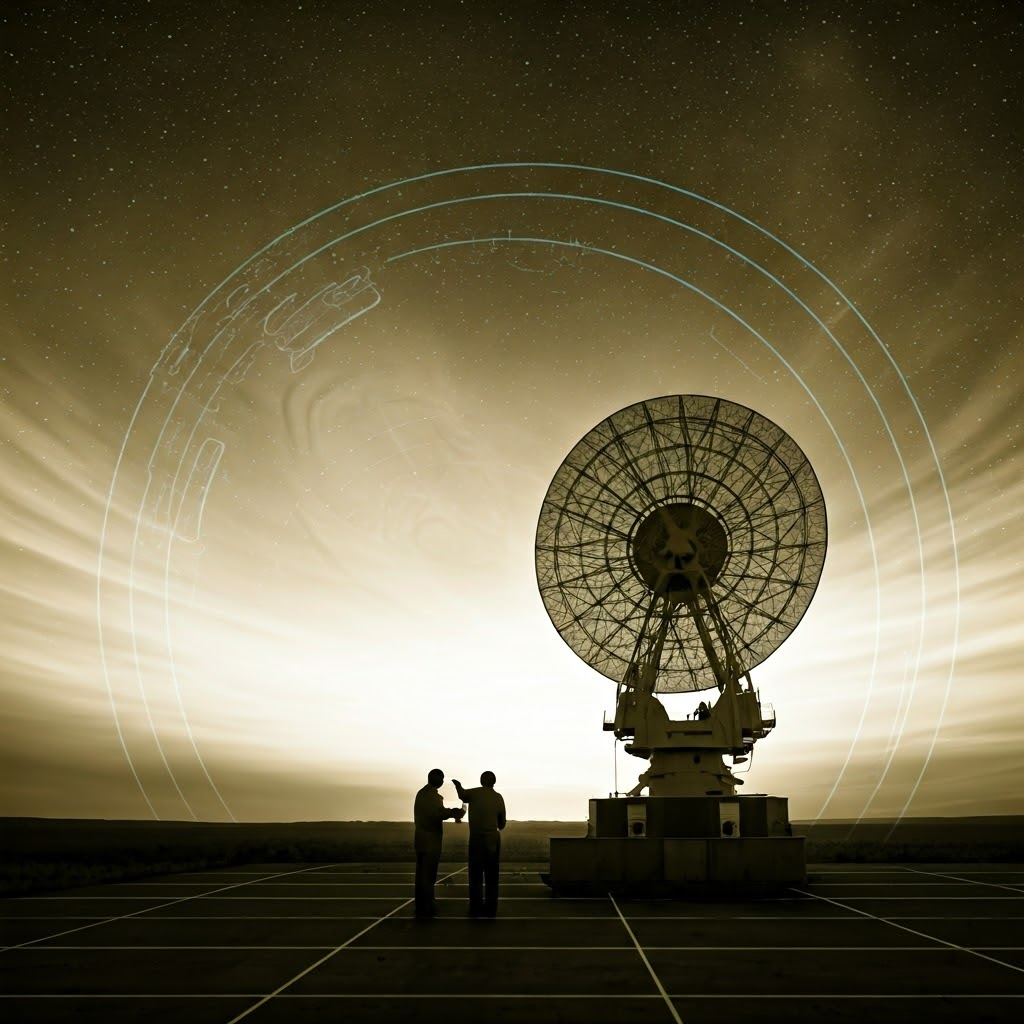
Discovered in 1965, this glow shows slight temperature bumps—seeds of galaxies. Missions like COBE, WMAP, and Planck mapped those ripples with growing precision.
Seeing the Past in the Present
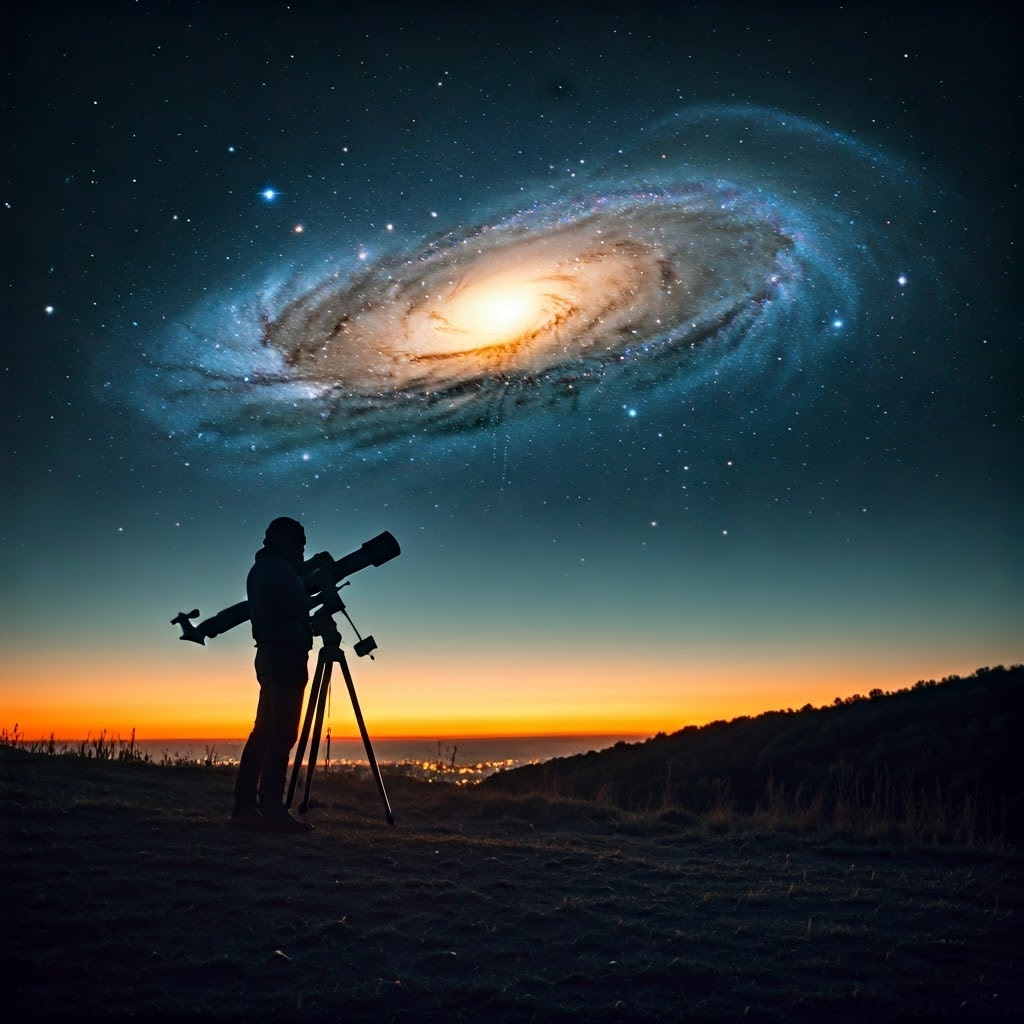
Every glance at the night sky is a look back in time because light travels at a finite speed. Telescopes act as time machines.
You and everything around you contain atoms forged in the universe’s first three minutes. The ongoing expansion, the element mix, and the microwave glow confirm the story of a universe that began hot, dense, and full of promise.
