
The Heartbeat of Belief: What Makes a Creed?

Why Core Beliefs Matter
Most people want life to make sense. You start each day facing choices, questions, and moments of confusion. Core beliefs act like a compass that points toward what feels right and true.
A shared creed does more than cheer a hometown team; it ties people together. It quietly says, “This is who we are.” Humans crave meaning, belonging, and order—creeds deliver all three at once.
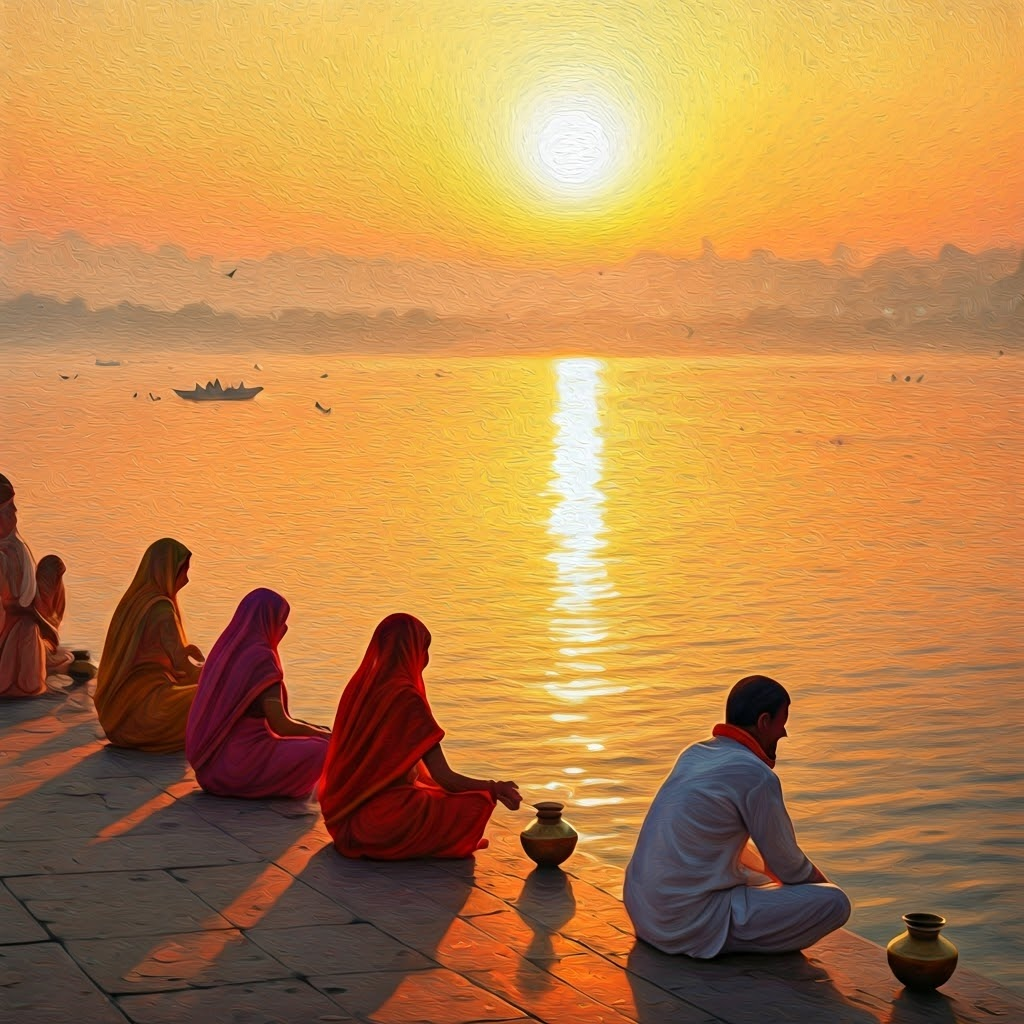
Every morning, millions of Hindus greet the sun with water or prayer. These acts whisper, “I am part of something bigger.” In disasters, shared songs steady hearts. In calm times, creeds guide trust and shape daily choices.
What Is a Creed, Really?
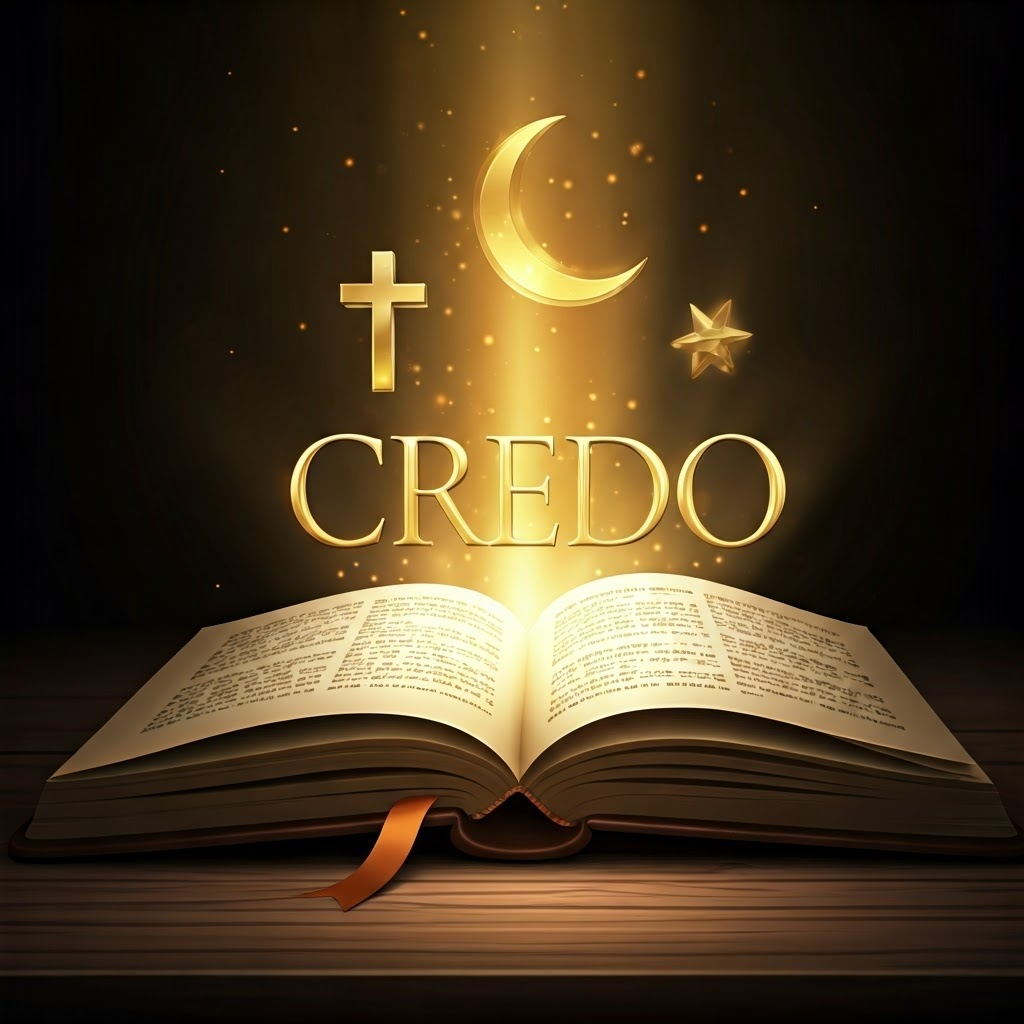
A creed is a group’s deepest statement of belief. The Latin root credo means “I believe.” Some creeds are recited aloud, like the Nicene Creed in Christianity or the Shahada in Islam. Others weave quietly into life, such as the Jewish Shema.
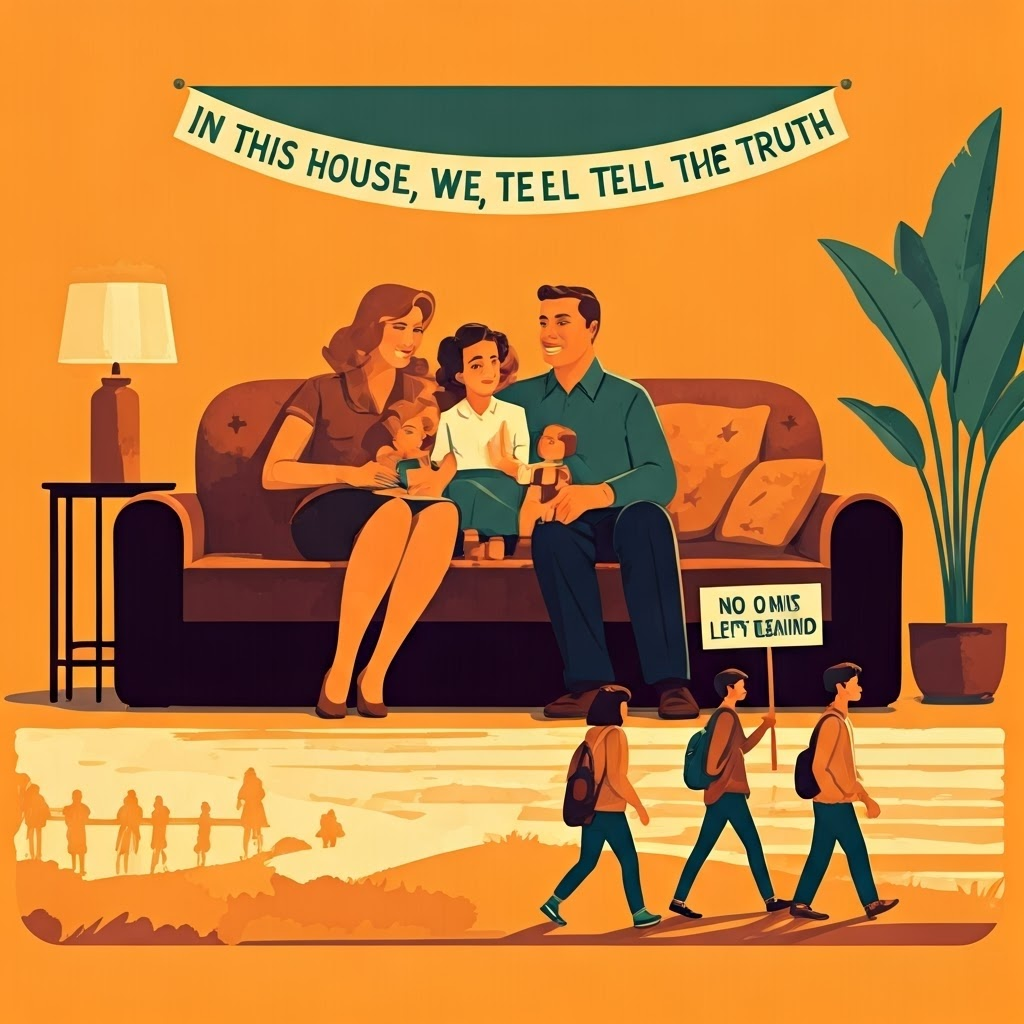
Not every creed is written. Families, schools, and sports teams have mottos. Even friends share rules—like always paying your share. Religious creeds focus on who holds power, what a good life looks like, and how to face trouble.
Creeds can be brief or detailed. Some read like contracts, others sing or act out meaning. Written or not, they mark clear boundaries—who’s in and who’s out.

Formal versus Informal
Formal creeds live in books, prayers, or rituals. People memorize them word for word. Informal creeds hide in everyday choices—like the quiet rule that everyone deserves kindness. Think of them as secret recipes; you rarely see each spice, yet the flavor fills every dish.
How Creeds Shape Everyday Life
Creeds might sound abstract, but they steer real choices. If a friend cheats on a test, do you cover for them? Your gut reaction often springs from an inner creed, not a written rulebook.
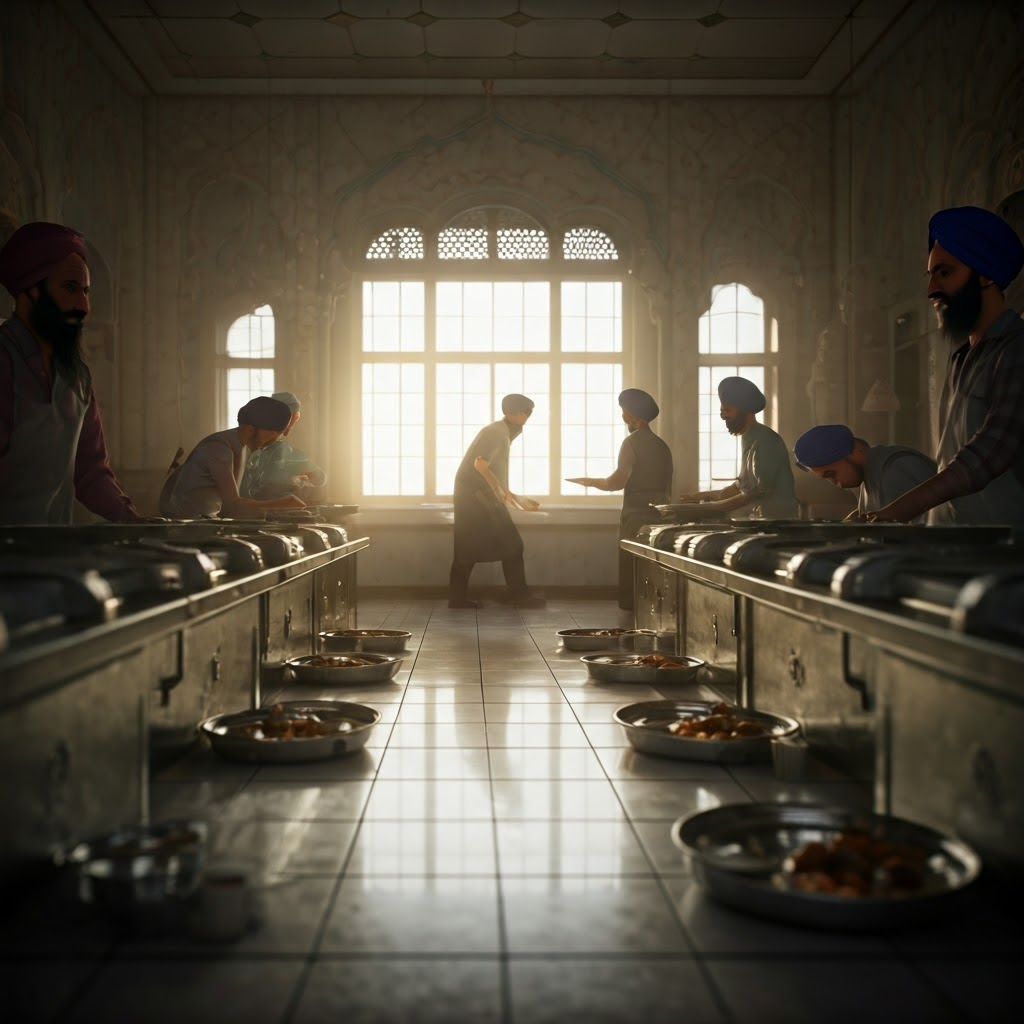
In a Sikh community, the gurdwara offers free Sunday meals to everyone. This practice flows from the belief that all people are equal before God.
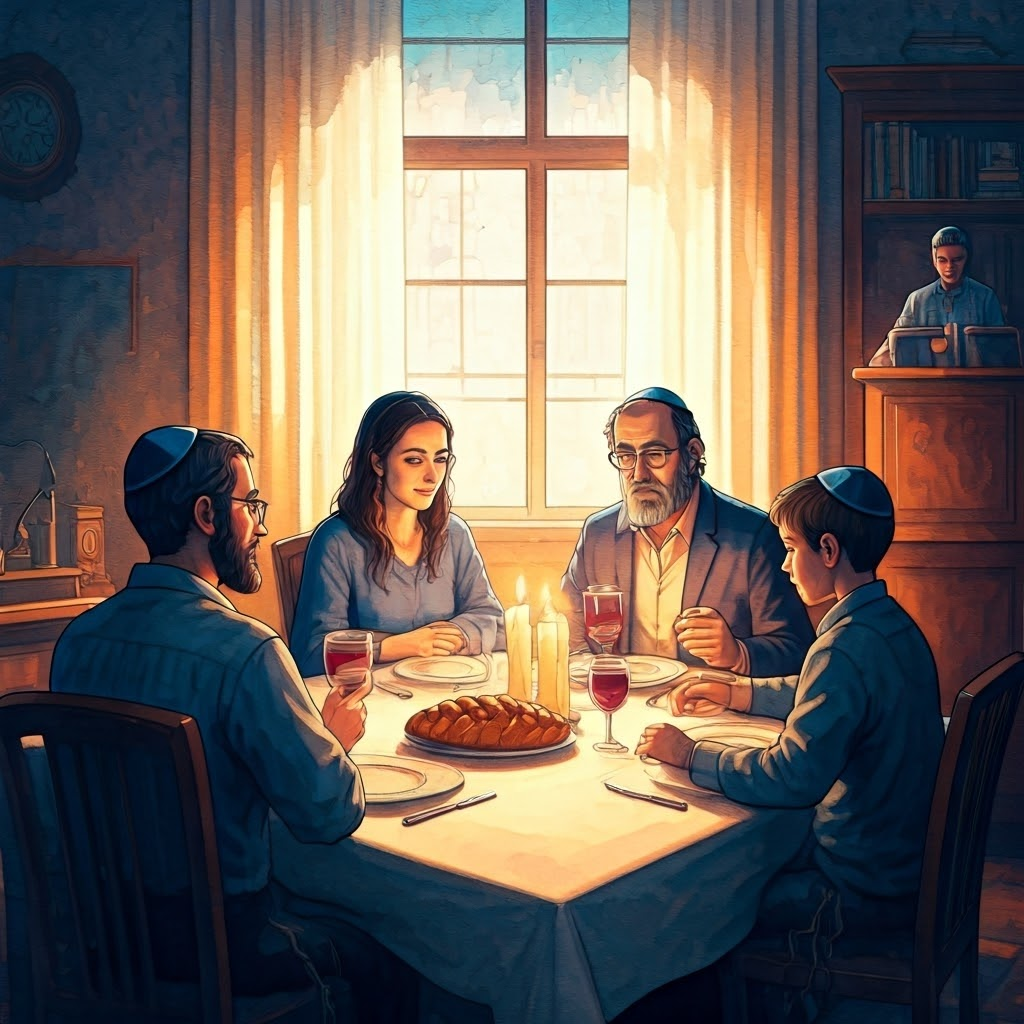
Picture a Jewish family welcoming Sabbath by shutting off phones, lighting candles, and sharing bread. The ritual teaches that life needs sacred pauses and people need each other. Creeds ripple into work, leisure, politics, and play.
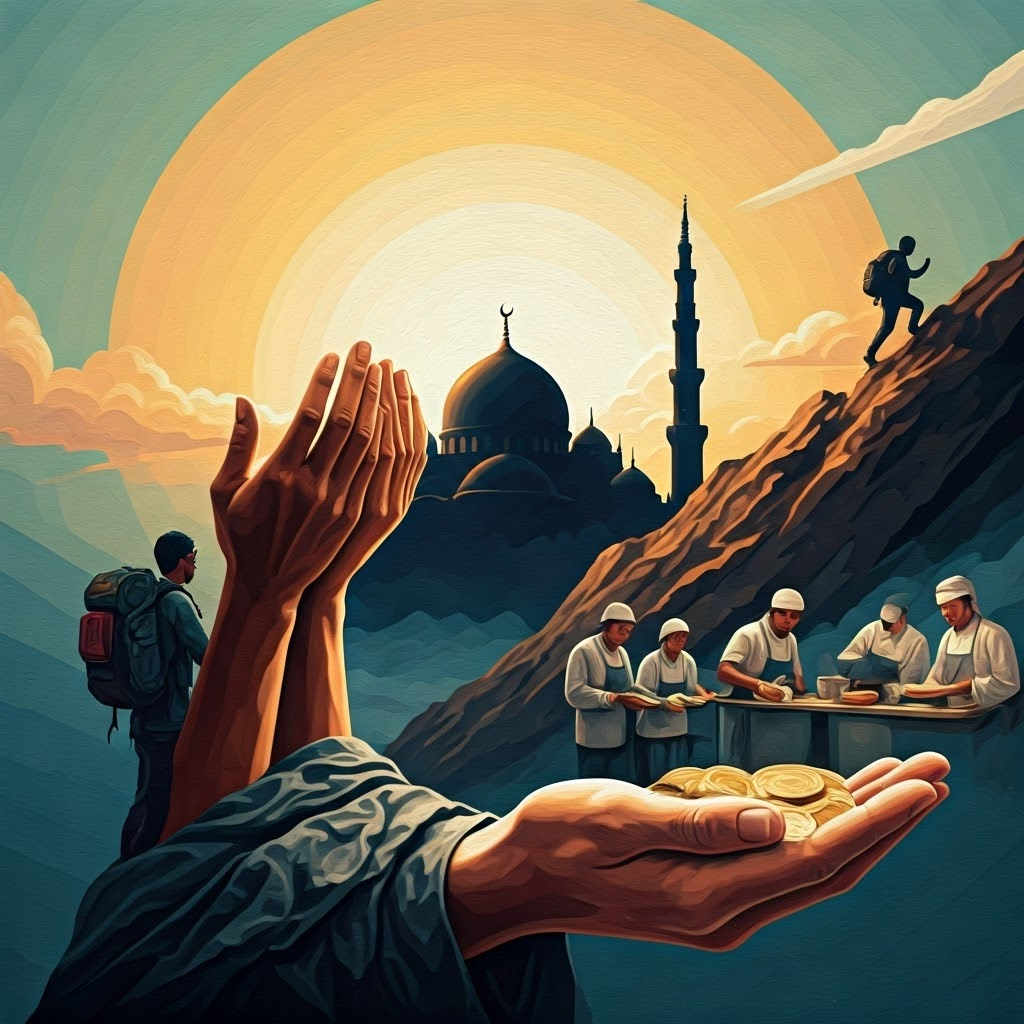
Islam’s Five Pillars turn belief into daily habits: prayer, charity, fasting, pilgrimage, and testimony. Christian calls to forgive and love neighbors shape soup kitchens and personal apologies. Creeds can unite or divide, yet at their best they inspire courage, kindness, and hope.

Living (and Questioning) the Creed
Creeds demand choices. Some people follow every rule; others question, adapt, or leave. Yet a creed is never just words—it becomes habits, songs, and silent promises shared across generations.
What matters isn’t only what’s written, but what lives in hearts and hands. A creed is both mirror and guide—helping you see yourself clearly and walk a steady path when life feels confusing. If you’ve ever wondered, “What do I believe—and who do I want to be?” you’re already living the story.
