
Why Robots Need Rules: The Basics of Control

Robots follow instructions, yet the world rarely behaves as planned. They need clear rules and constant checks to stay on course. Without this guidance, even simple jobs—like baking a cake—can end in messy surprises. Feedback turns random outcomes into predictable results.
What Happens When Robots Don’t Listen

Open-loop control gives a command, then hopes for the best. A robot vacuum told to drive straight for five seconds might hit toys, carpets, or couches because it never checks its path. One ignored detail can snowball into bigger mistakes. Uncertainty grows fast.

Life adds dust, wear, and unexpected bumps. Motors slip, batteries sag, and floors tilt. When a robot never measures reality, small shifts push it off target. The result is uneven performance that feels random. Reality always fights an uninformed plan.
Open-Loop vs. Closed-Loop: The Big Difference
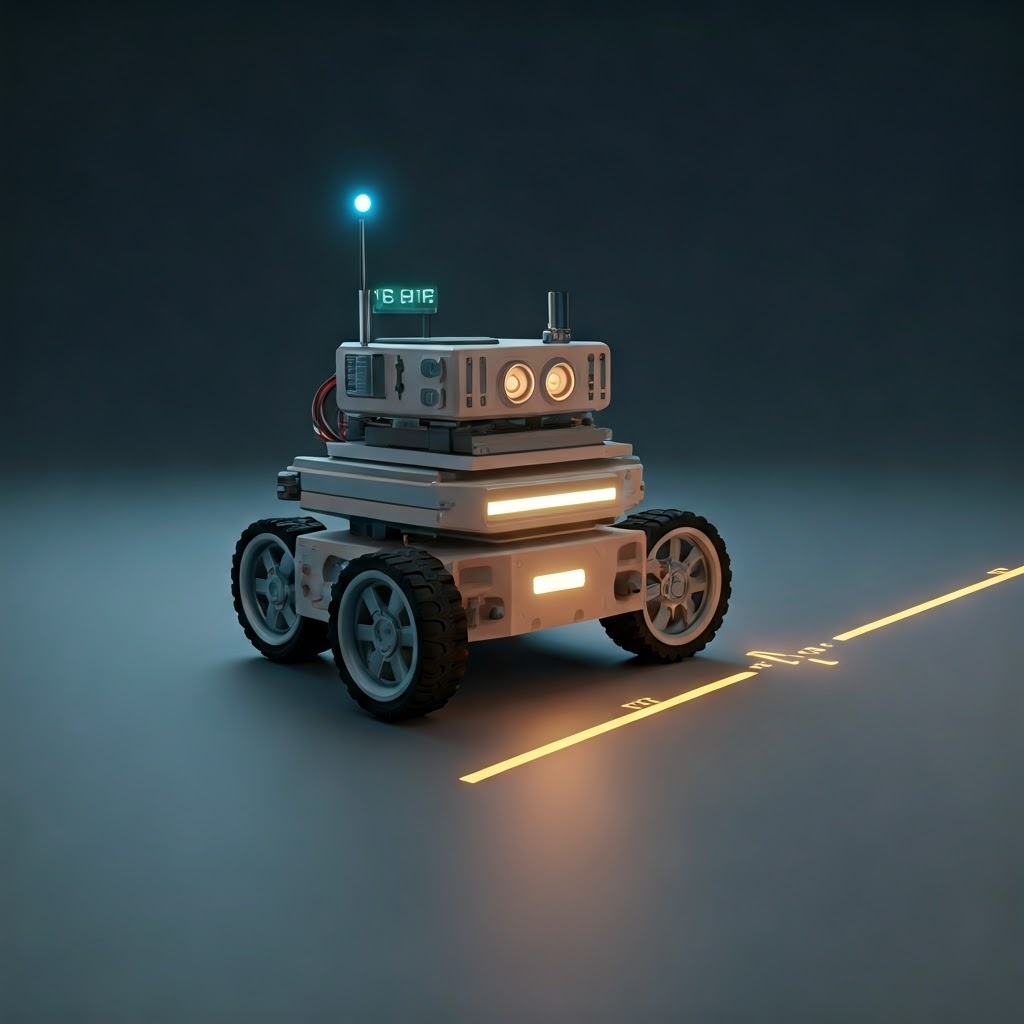
Closed-loop control listens and corrects. A thermostat senses room temperature, compares it to the goal, and cycles heat on or off. Robots do the same: they measure position, compare it to the target, then tweak motion to reduce the gap. Correction happens continuously.

Cruise control keeps a car at 60 mph. Climbing slows the car, so the system adds throttle. Descending speeds it up, so it eases off. This loop delivers smooth travel without constant driver input. Stability comes from sensing and adjusting.
Meet the PID Family: Proportional, Integral, Derivative
Closed-loop control often uses a PID recipe—Proportional, Integral, Derivative. Each part fixes errors in its own way. PID blends speed, accuracy, and smoothness.
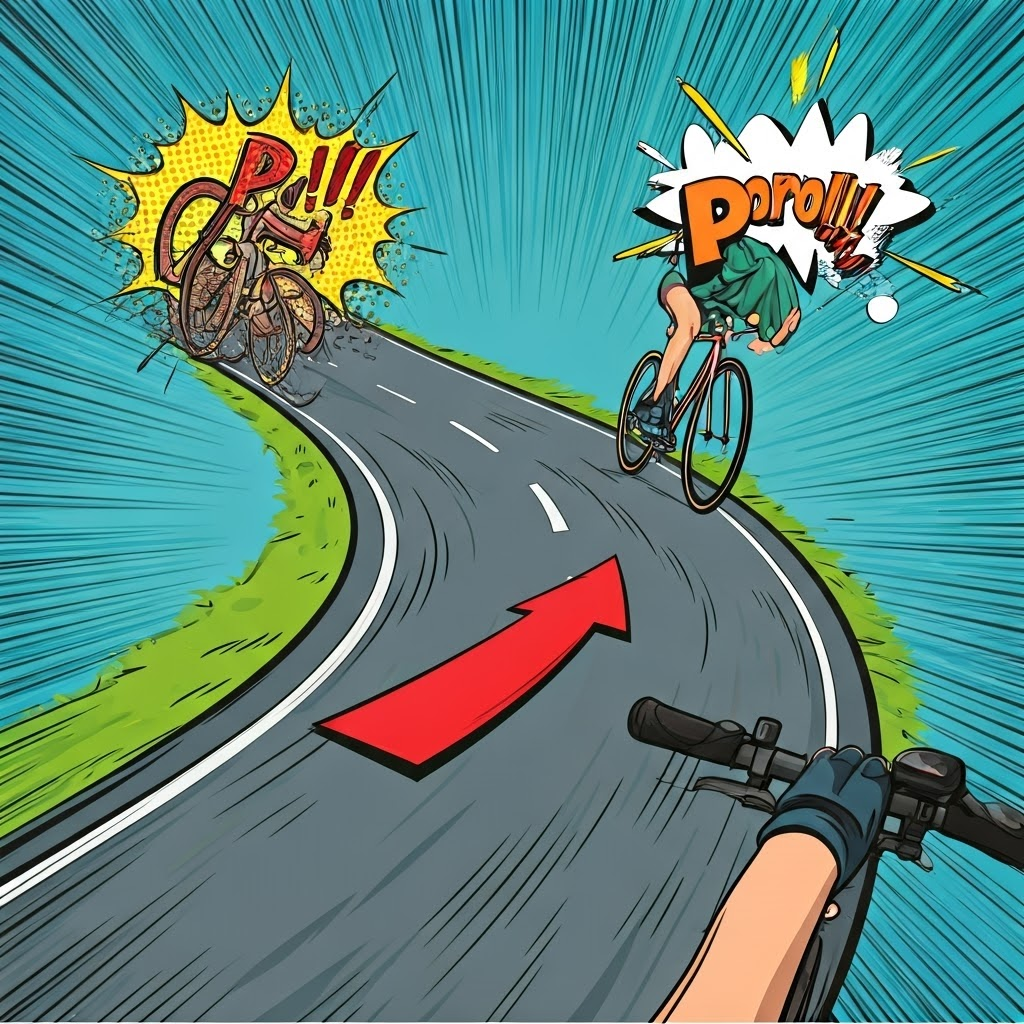
The Proportional term pushes harder when the error is large. Drift far left on a bike, and you steer sharply right. Small drift, small correction. It reacts quickly but may leave a tiny offset.

The Integral term watches leftover error over time. If the bike keeps veering a bit left, the integral builds a steady push right until you ride centered. It erases persistent offsets but can slow the response.
The Derivative term looks at how fast the error changes. When you are about to overshoot the center, derivative action eases the steering. It damps swings and prevents oscillation.
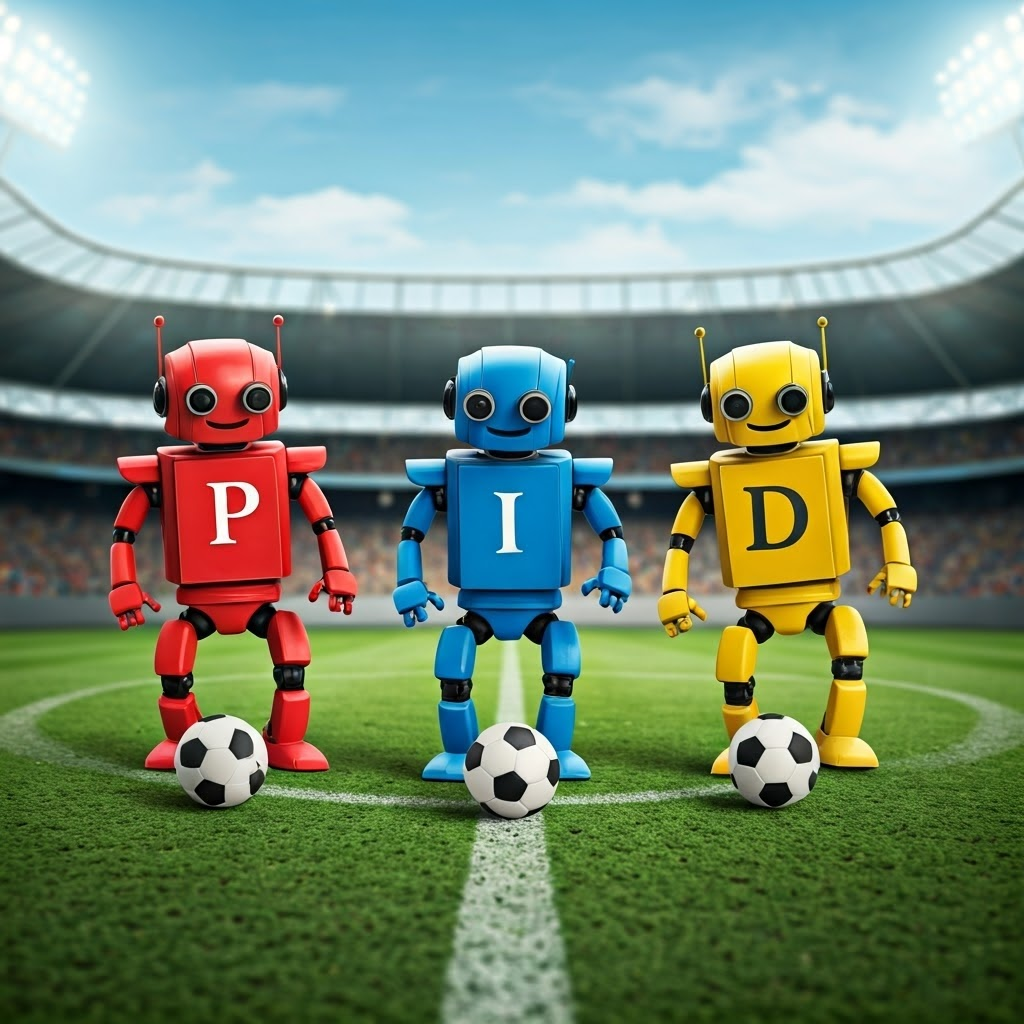
Together, P reacts fast, I removes lingering bias, and D smooths motion. Combined, they keep robots stable, accurate, and responsive—even when the world throws surprises. Teamwork among these terms lets machines follow rules and stay on course.
Robotics can be unpredictable, yet feedback and a well-tuned PID controller turn chaos into manageable order. When robots listen, compare, and adjust, they perform reliably no matter how the environment shifts.
