
A Flood of Goods: How Stuff Got Cheap and Plentiful
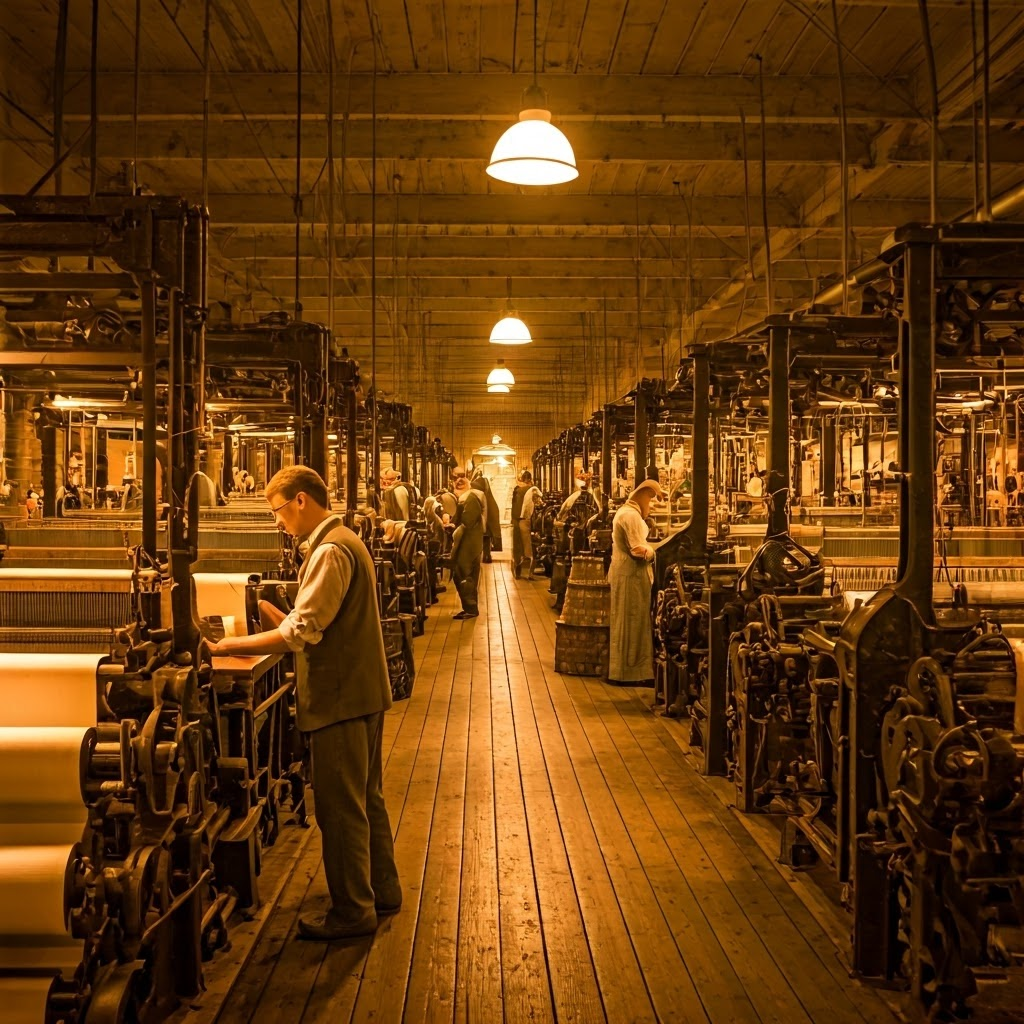
Factories and the Magic of Mass Production
Imagine a time when almost everything at home was handmade. Clothes came from your own needle, forks from a blacksmith, and soap took hours. Families owned only the basics because each item cost time and money. Then factories arrived and machines changed everything.
Machines and assembly lines soon produced hundreds of shirts, spoons, or blankets in the time one artisan needed for a single piece. This large-scale output—mass production—dropped prices sharply. Steam-powered looms in English mills could weave thousands of yards of cloth a week, so even poor families bought new sheets.
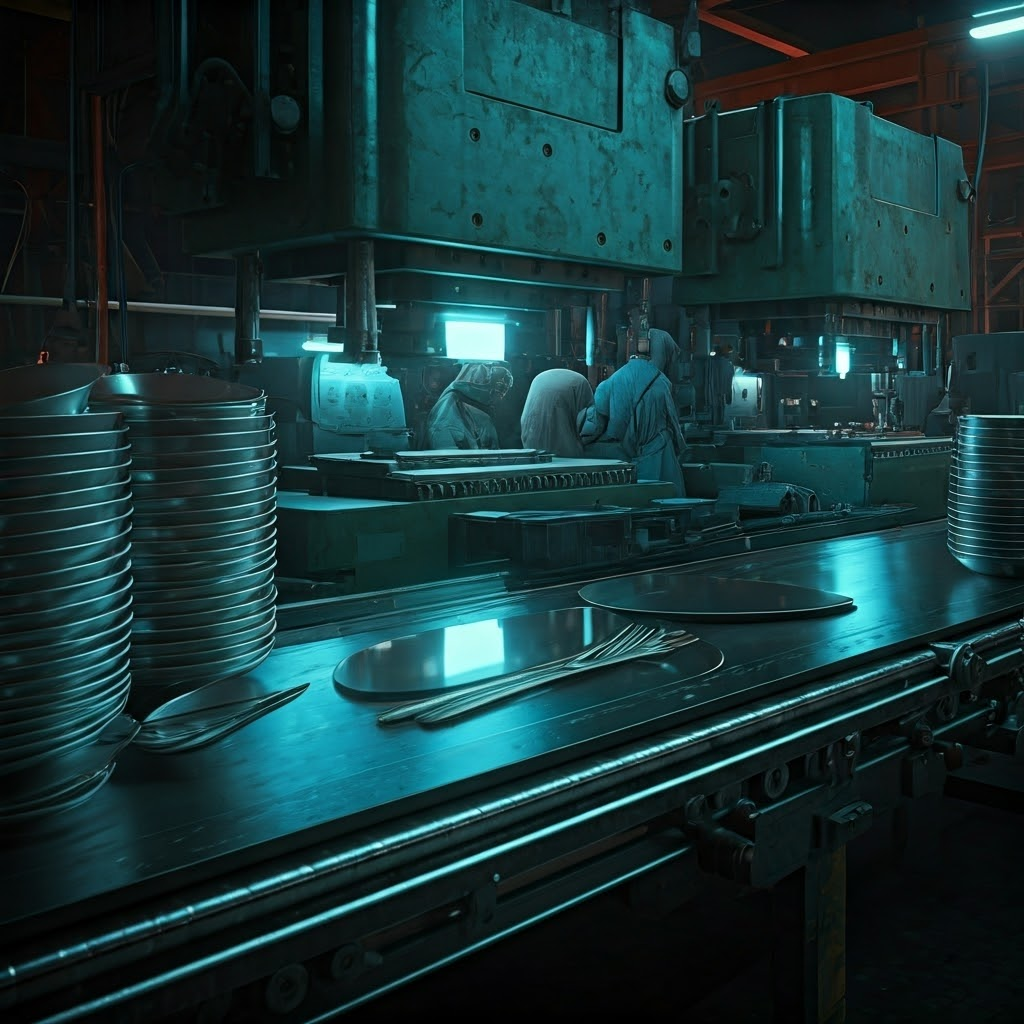
Utensils, tools, and furniture followed the same path. A dinner fork turned from precious to affordable when factories stamped them by the box. Glass, ceramics, and mirrors moved from luxury to everyday. Goods also became interchangeable—break a bowl, buy the same one tomorrow.
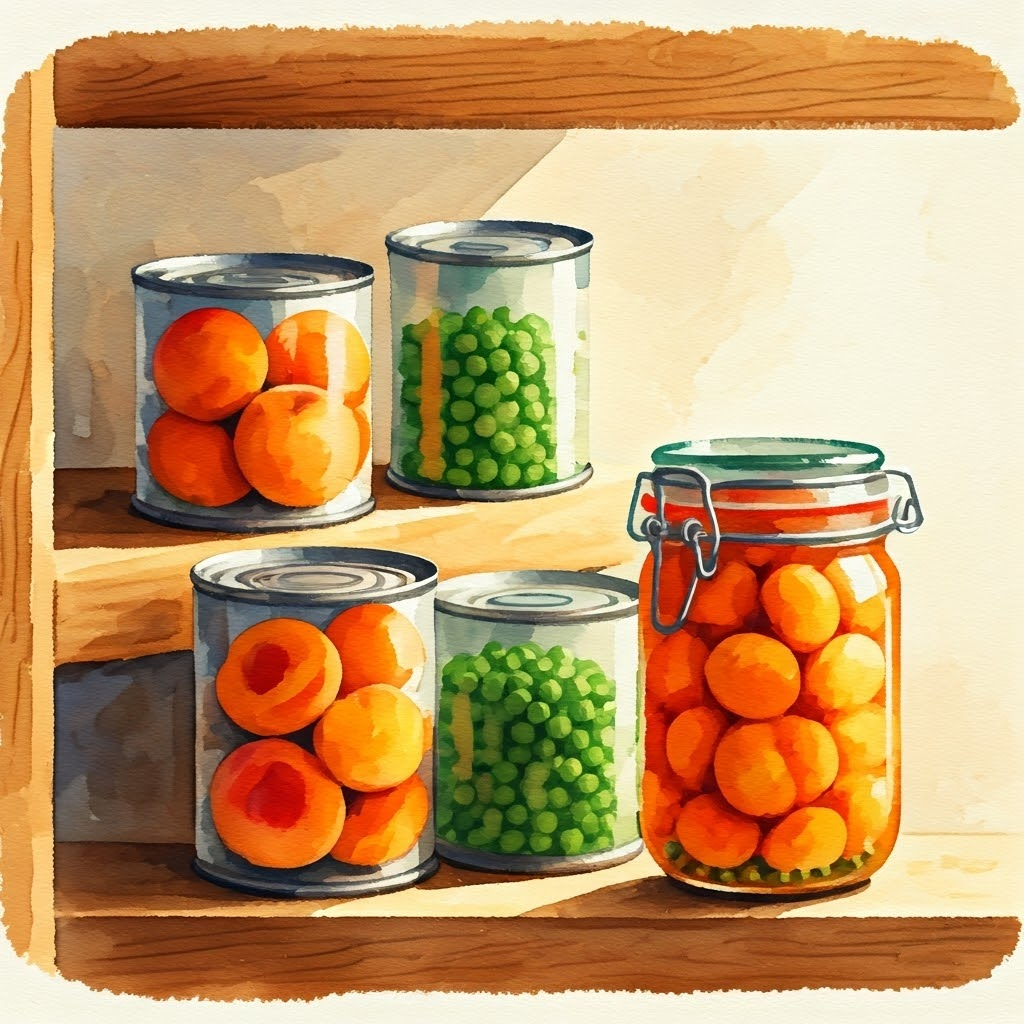
Canned Food and the New Kitchen
Canning sealed heated food in metal, so peas or peaches stayed fresh for months. Families now tasted pineapple in December or kept beef stew without butchering livestock. This simple tin broke the calendar’s grip on meals and added variety to every pantry.
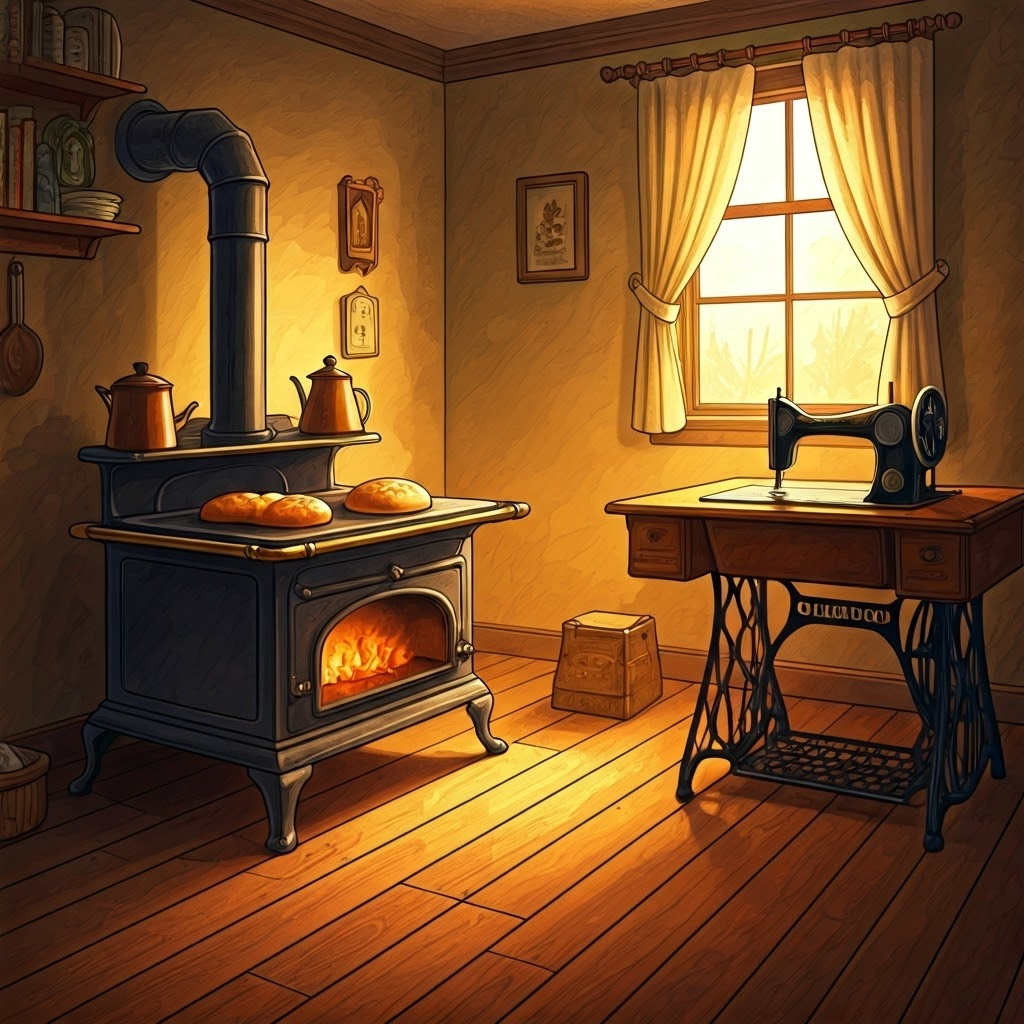
Cookstoves replaced smoky fireplaces, making baking safer and quicker. The sewing machine turned an all-day chore into an hour’s task. Affordable models like Singer let families update wardrobes fast. New tools meant more time and comfort at home.
Disposable Income: More Money, More Choices
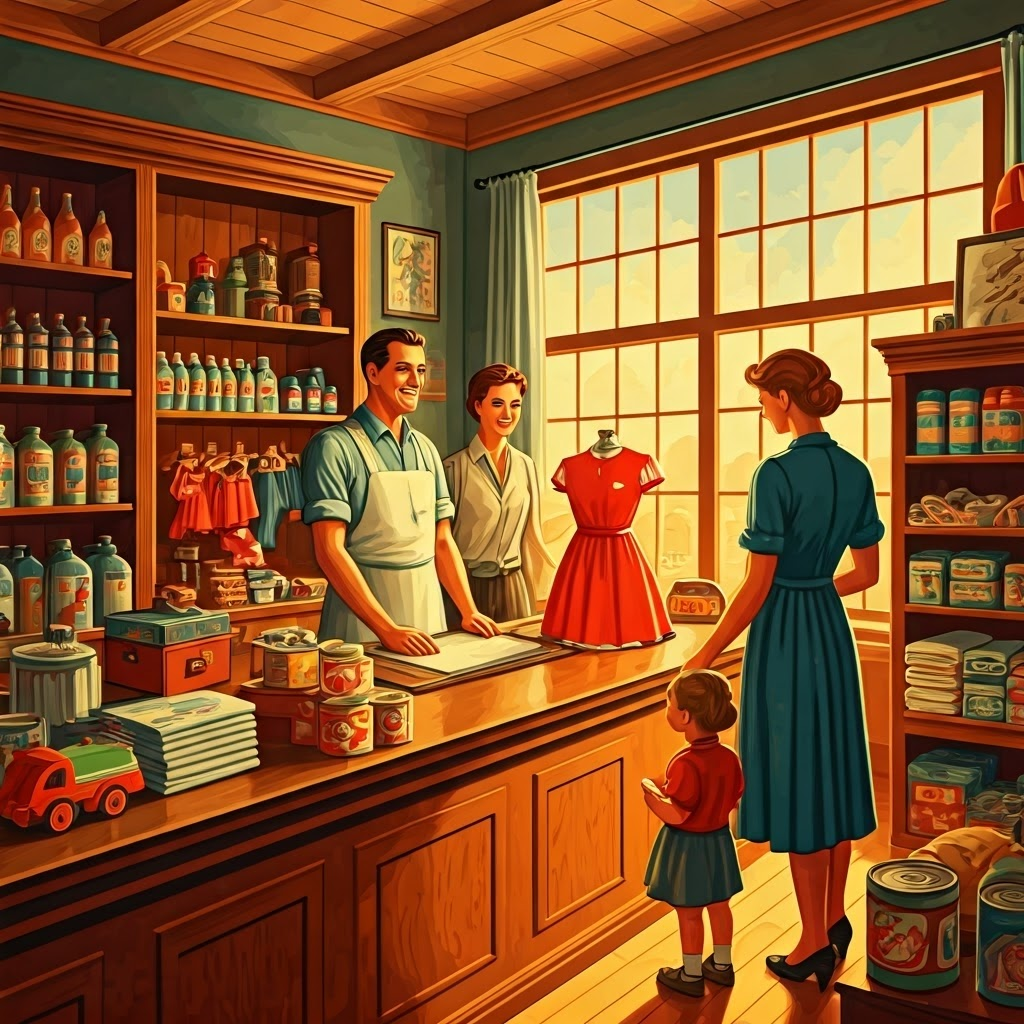
Factory wages rose, giving workers extra cash after rent and food. A family earning $12 weekly and spending $10 could now spare $2. That modest surplus opened shelves of new goods. Choice entered shopping for the first time.
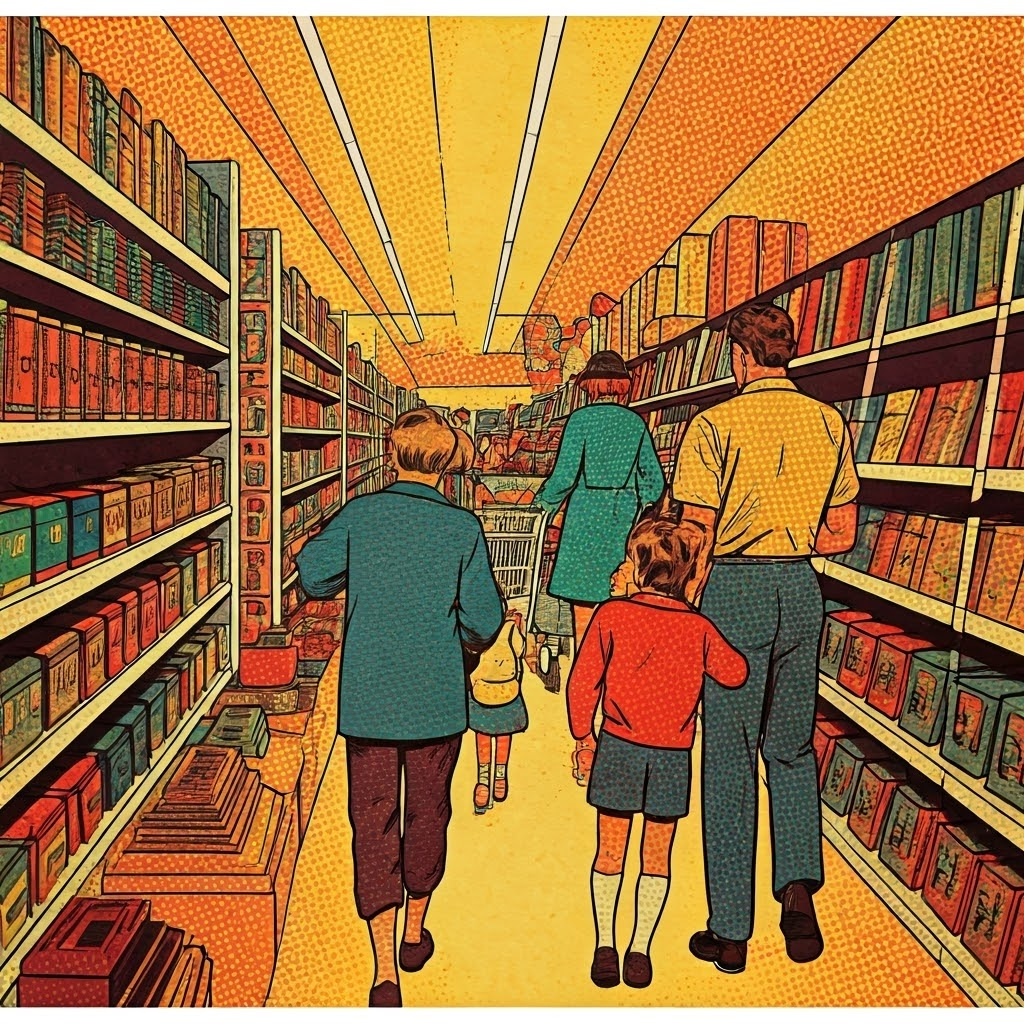
Buying for pleasure snowballed: as people purchased more, factories produced more, and prices fell further. Soon almost everyone owned items once reserved for the rich. Shopping shifted from survival to enjoyment.
How Cheap Stuff Changed Daily Life
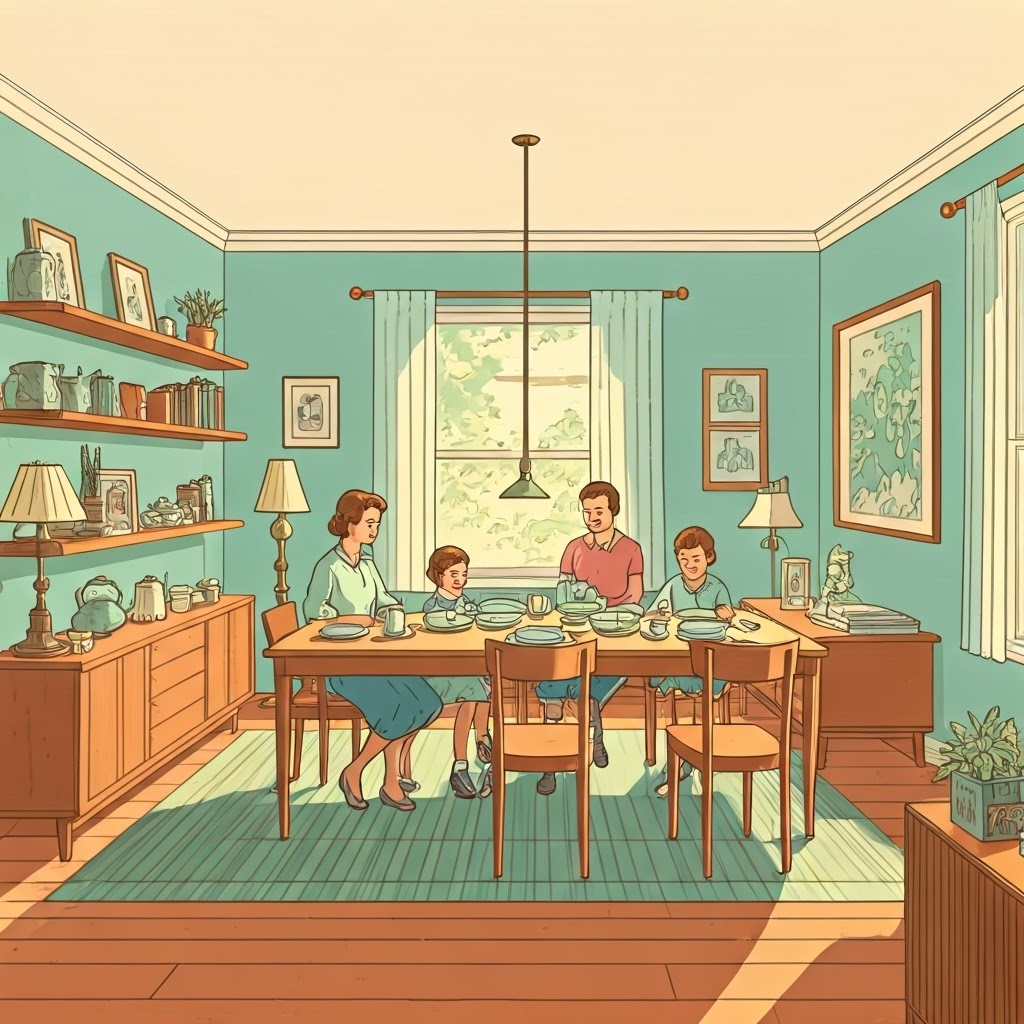
Lower prices filled homes with useful objects—teapots, lamps, and books—that eased work and sparked curiosity. Kitchens embraced new flavors, and bright factory clothes dressed children for school. Extra dishes and sturdy utensils encouraged neighbors to visit, adding dignity to mealtimes.

Abundance wasn’t just about owning more—it was about living better. This wave of goods set expectations for comfort and novelty. The industrial consumer boom didn’t merely cut costs; it raised hopes for daily life and made choice feel ordinary for the first time.
