
Breathing Easy: How to Make Air and Water Last Forever

Imagine camping on Mars with only what you carried in. A closed-loop life-support system lets you breathe, drink, and stay safe because it reuses everything—air, water, even the moisture you exhale. Nothing truly leaves, and nothing new arrives.
Think of a magic backpack that never runs out. Whatever you take out, it somehow puts back in. Space stations aim for that trick, and engineers turn it into hardware that runs quietly in the background.

The International Space Station proves the idea works. Its Environmental Control and Life Support System, or ECLSS, acts like a smart home appliance. It filters, splits, and recombines fluids so the crew always has what they need.
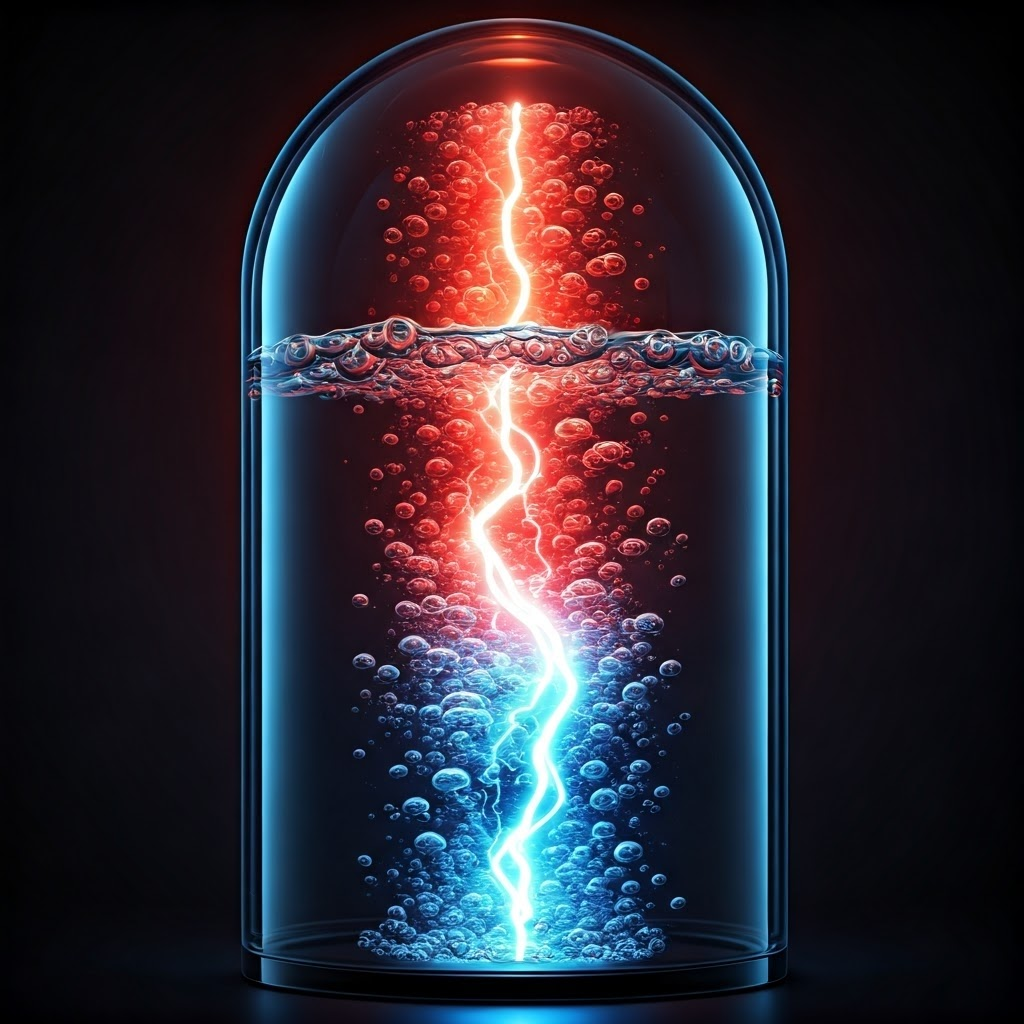
One unit sends electricity through water. The current cracks each molecule into hydrogen and lifesaving oxygen. The gas flows into the cabin, while the lighter hydrogen waits for its next job.
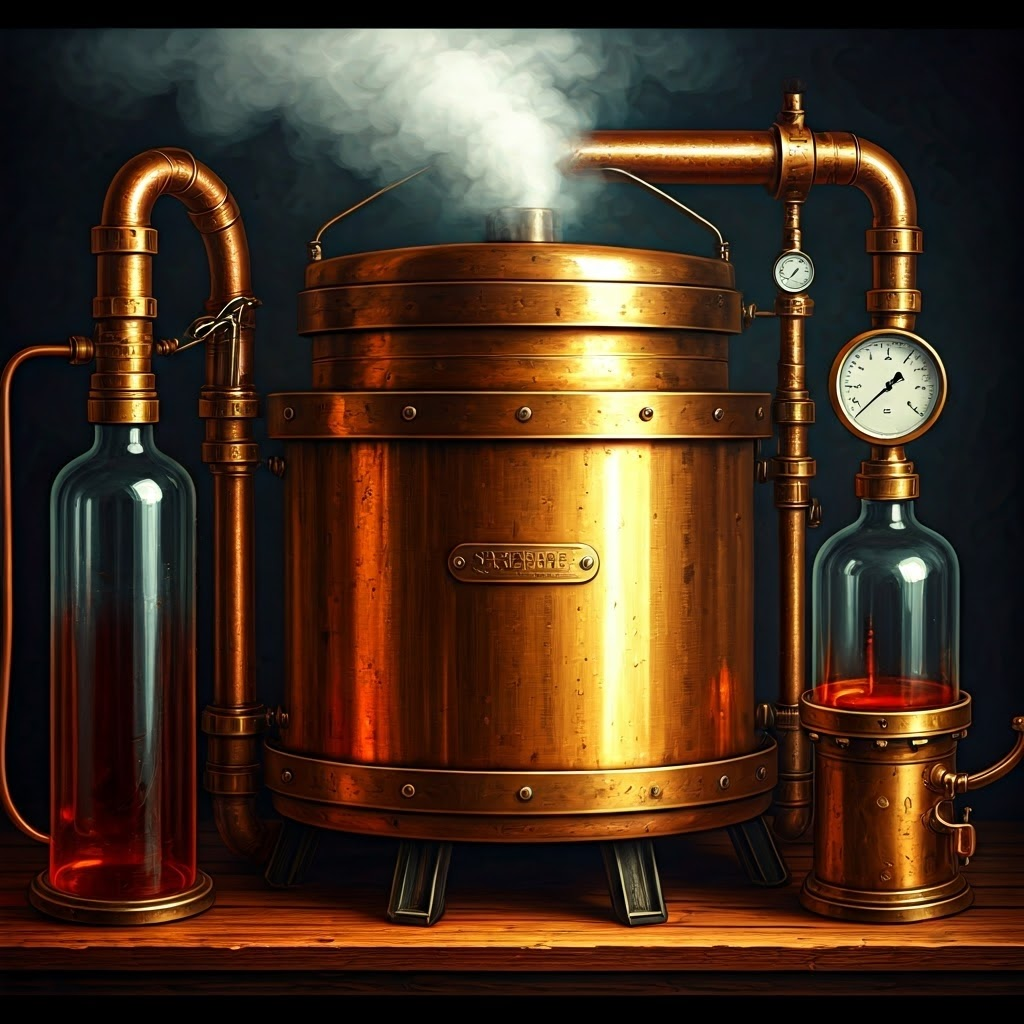
Crew members exhale carbon dioxide, so scrubbers pull it out before levels climb. The Sabatier reactor mixes that CO₂ with leftover hydrogen. This reaction makes new water, plus harmless methane that gets vented. The loop tightens with every breath.
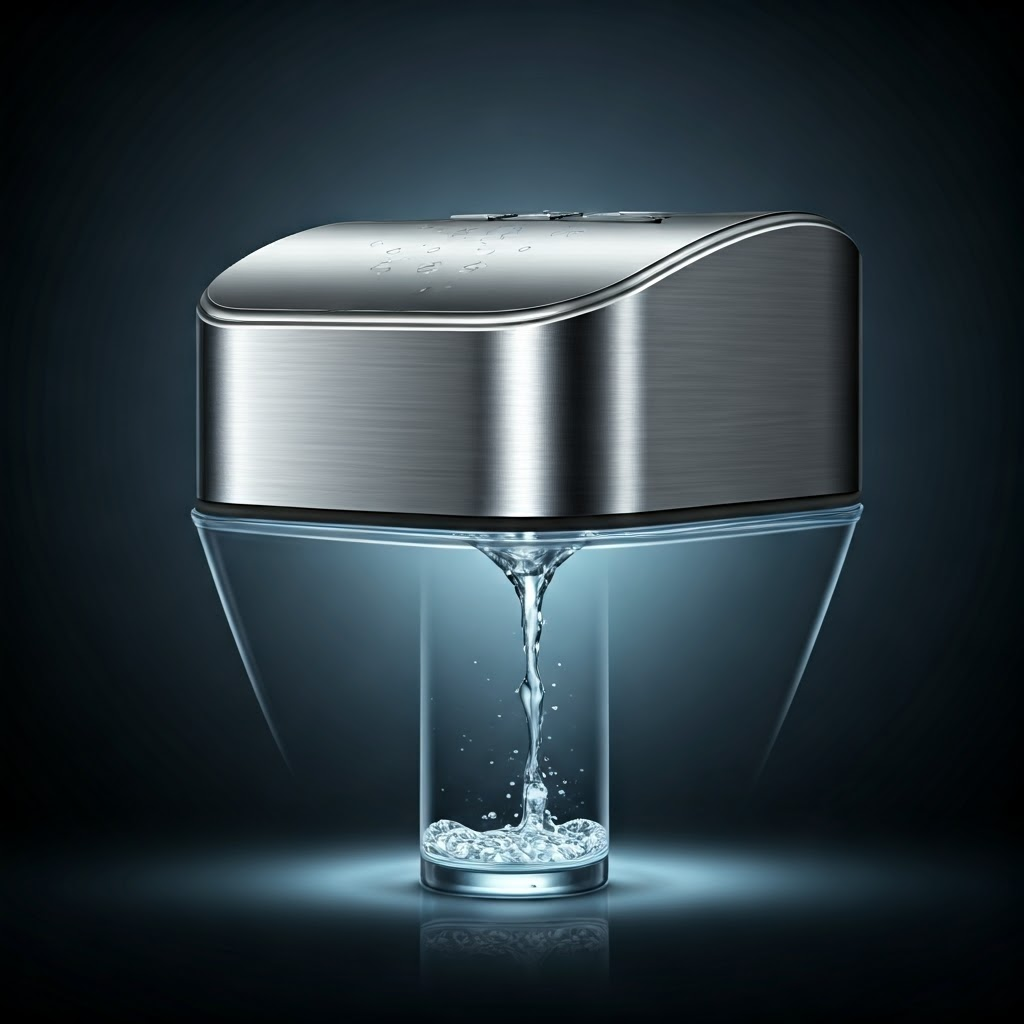
Fans push moist cabin air across cool metal. Water vapor condenses, drips into a tank, and then passes through filters. Careful balancing ensures the rate of use equals the rate of recovery, so nothing piles up or runs short.
Every pump, valve, and filter has a twin or spare. Engineers track MTBF—mean time between failures—to know when a part might quit. Redundancy adds weight and cost, yet it turns potential disasters into routine maintenance.
Redundancy feels like carrying two flashlights on a long hike. One may fail, but the second keeps you safe until you fix the first. In orbit, that margin means life.
Living in a closed loop makes each breath and sip precious. The ISS shows we can recycle for years, even if the source feels unappealing back on Earth. Solid science, familiar gadgets, and thoughtful backups create comfort far from home.
