
Meet Your Brain’s Creative Crew
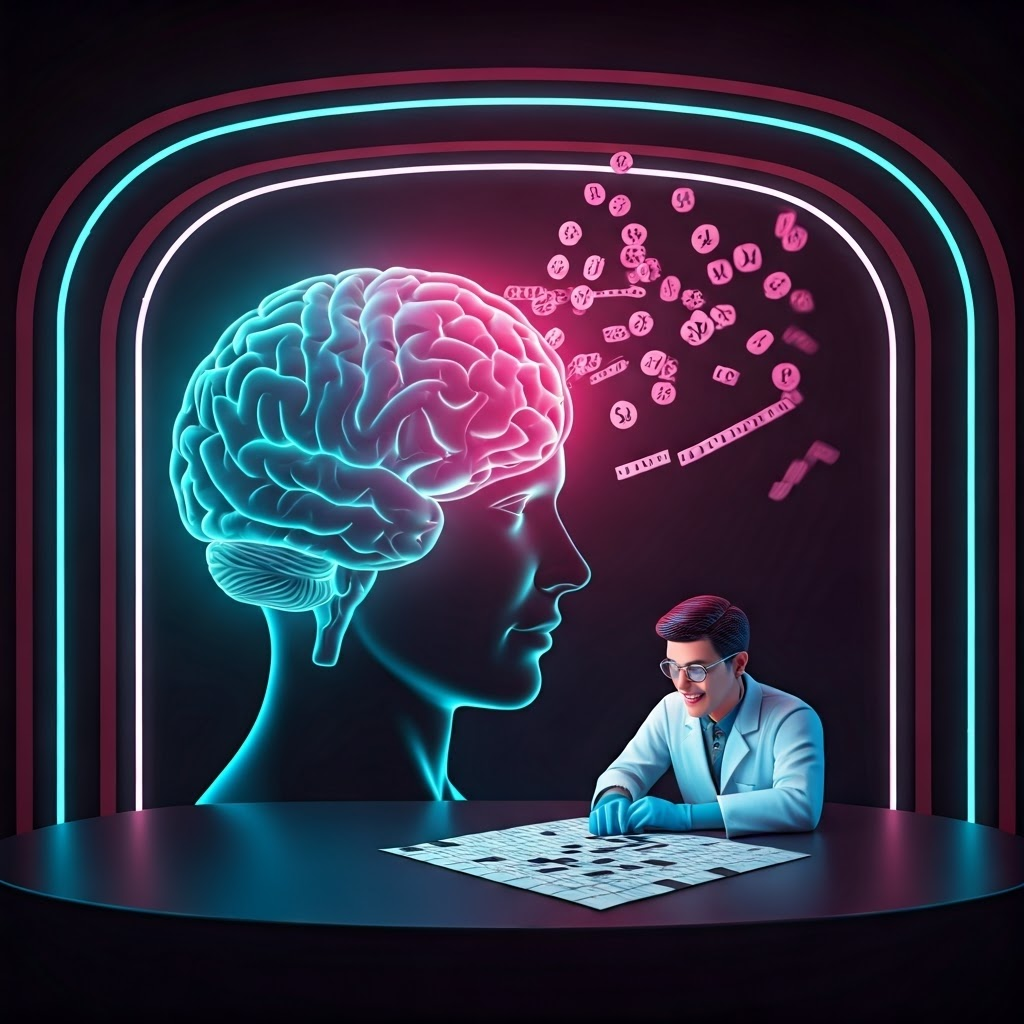
Creativity is more than luck. Your brain relies on a team of chemicals that guide curiosity, mood, focus, and play. Meet this crew and learn how their balance turns ordinary thoughts into new ideas.
Dopamine and the Pleasure of Discovery
When a breakthrough hits, that surge of joy comes from dopamine. This messenger predicts rewards and pushes you to explore new puzzles or projects.
Picture a crossword clue snapping into place. The small thrill is dopamine rewarding persistence. Studies show creative thinkers often carry sensitive dopamine circuits that link seemingly distant dots.
Dopamine shines brightest when you feel rested and balanced, so sleep, nutrition, and movement keep its signal clear.
Serotonin, Mood, and Creative Confidence
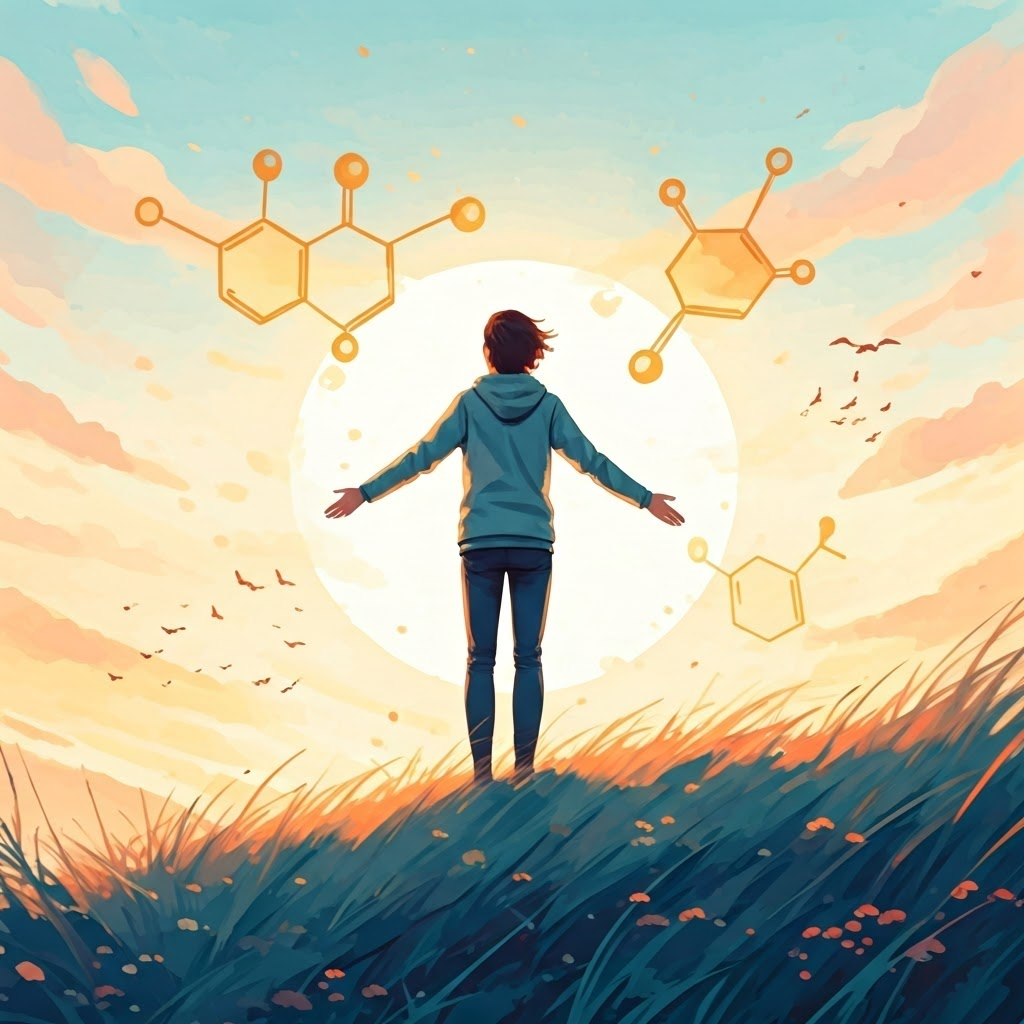
Think of serotonin as the mood gauge that steadies emotional waves. Stable levels invite confidence and make sharing new ideas less scary.
On low-energy mornings, creativity can stall; that slump often traces back to serotonin. Research links steady mood to higher originality in musicians, artists, and everyday problem solvers.
Boosting serotonin—through sunlight, social connection, or mindful breathing—creates a safe space for bold thinking.
Norepinephrine: The Switch for Focused Attention
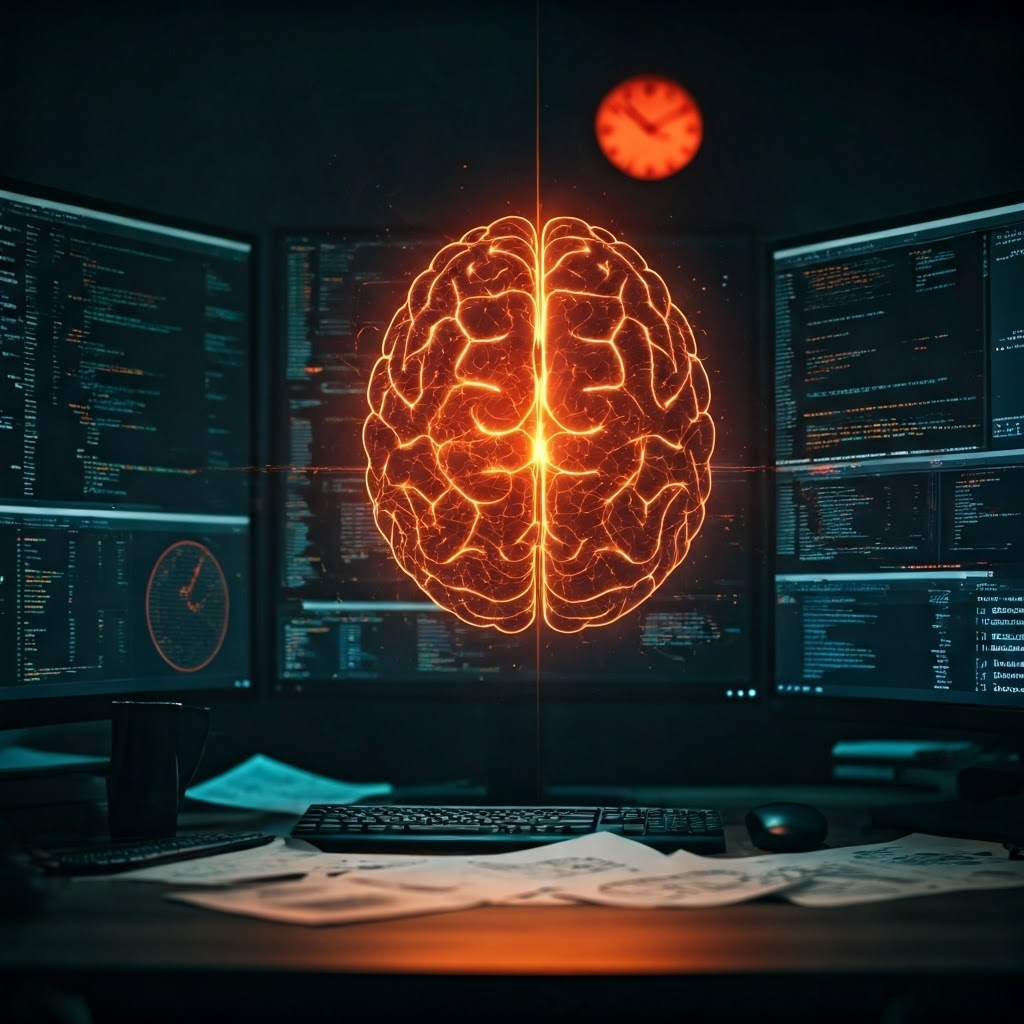
Norepinephrine flips the attention switch. A hint of pressure releases it, narrowing your focus and filtering distractions.
Too little leaves you drifting; too much triggers anxiety and blank minds. The sweet spot feels like the “zone” where time fades and tasks align.
Short breaks, deep breaths, and clear goals help maintain that balanced alertness.

Acetylcholine: The Lens for Deep Work
Acetylcholine acts like a spotlight that highlights what truly matters while dimming background noise.
During practice—whether guitar riffs or code—you feel hours slip away because acetylcholine locks onto detail and supports memory.
Researchers call this selective attention, the leap from casual brainstorming to genuine breakthrough.
Endorphins: The Spark for Play and Risk
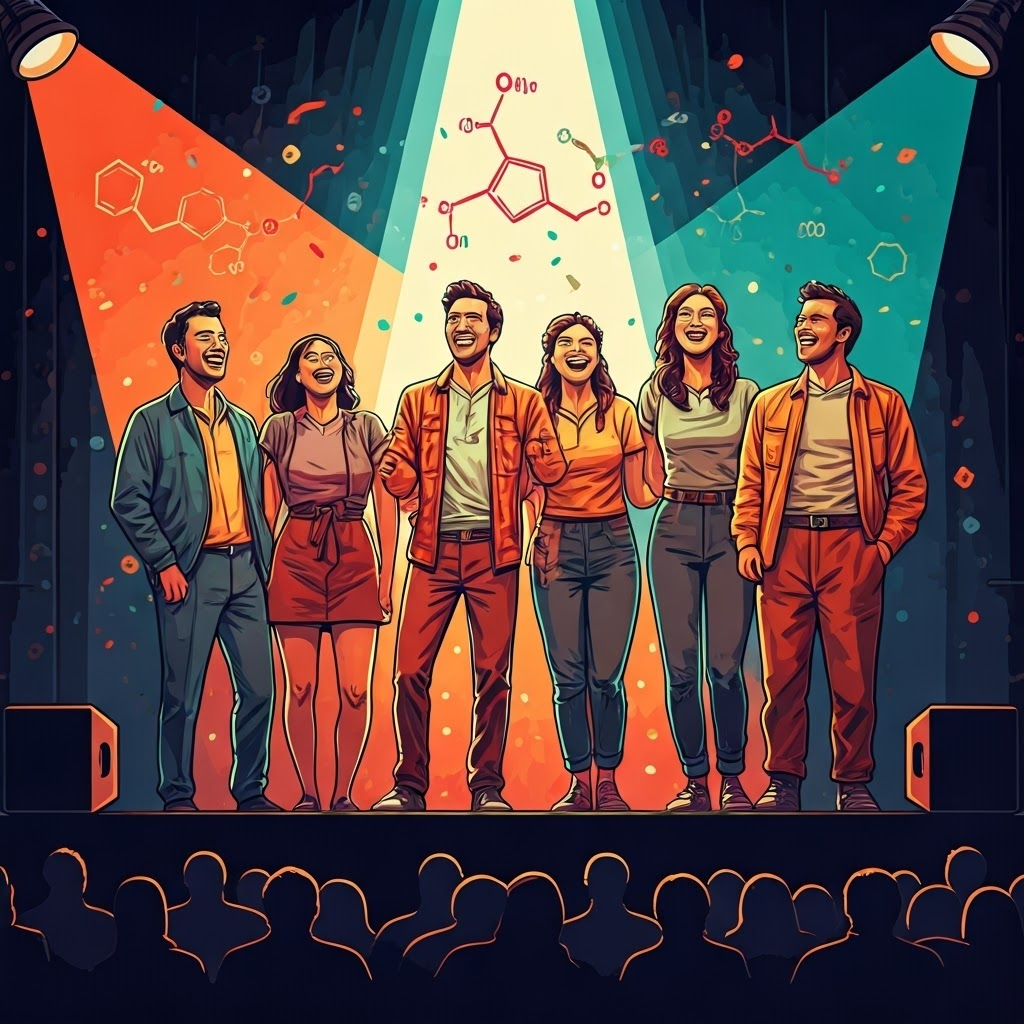
Endorphins bring the fun. They ease discomfort and drop inhibitions, encouraging playful experiments and quick recoveries from mistakes.
Laughing with friends, dancing, or improvising on stage sparks these chemicals, making creative risks feel safe and exciting.
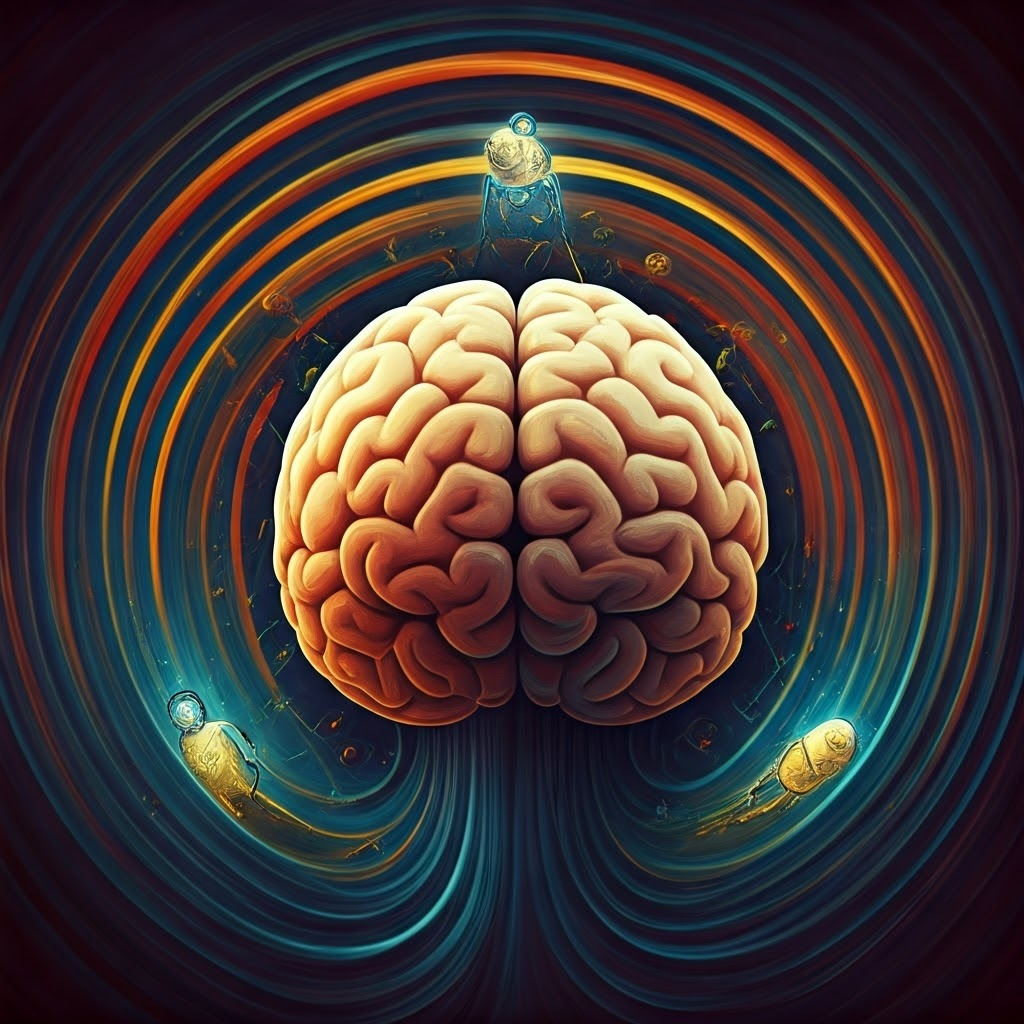
Blending the Chemicals: The Art of Original Thought
Original thought emerges when the chemical crew works together—dopamine for curiosity, serotonin for calm, norepinephrine for focus, acetylcholine for depth, and endorphins for play.
Creative brains shift fluidly between exploration and concentration. It isn’t about having the most of any one chemical but timing their peaks.
Notice your own patterns of adventure, calm, focus, immersion, and joy. By adjusting habits, you guide this chemistry toward better ideas.
Creativity may look like magic, yet it rests on everyday choices that tune your internal lab.
