
Living on the Edge: Berlin Before the Wall
Four Flags, One City
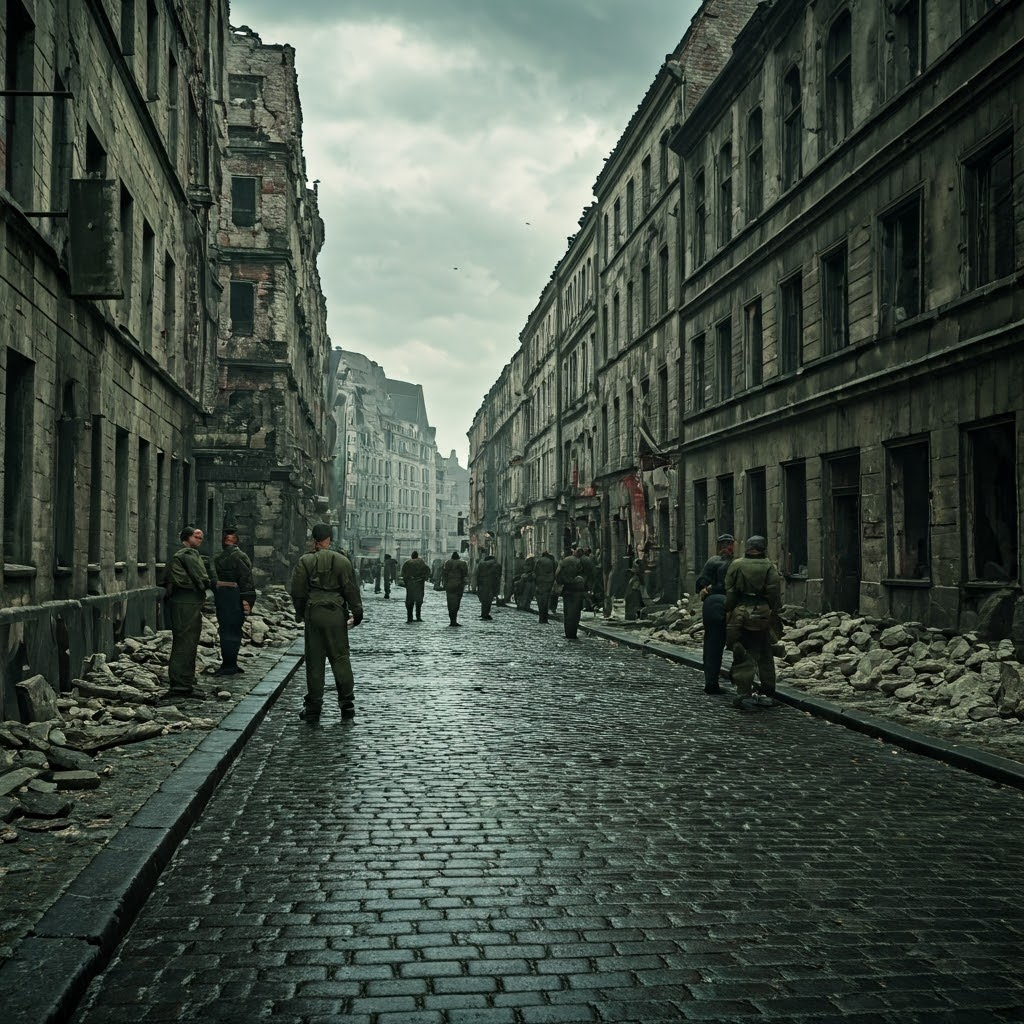
Berlin in 1945 lay both flattened and divided. Four sectors—American, British, French, and Soviet—ruled everyday choices. A short walk could place you under different laws without warning.
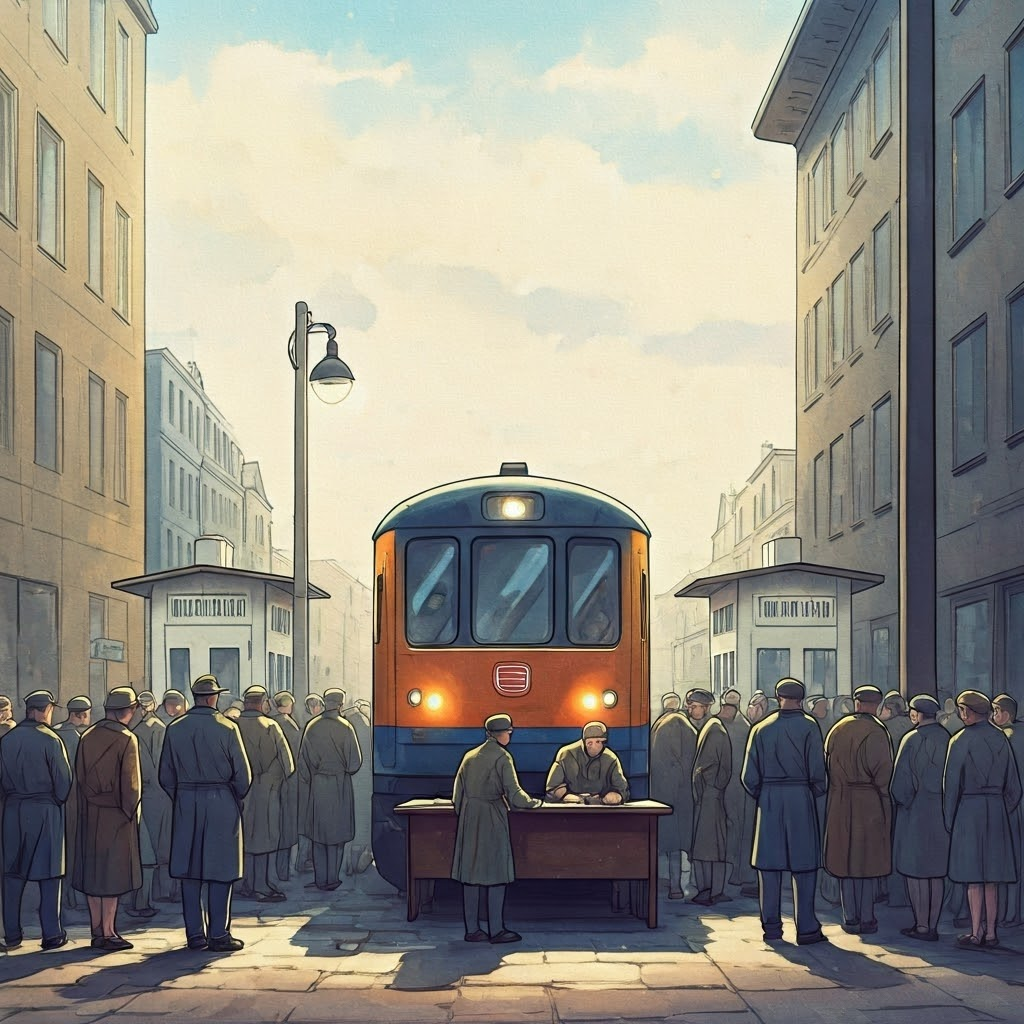
S-Bahn trains ignored borders, so riders slipped from one sector to the next in minutes. Joint councils tried to govern, yet meetings dissolved into arguments. Soviet patrols checked papers, while French troops focused on rebuilding. In the western zones, jazz and Coca-Cola offered small freedoms that felt electric.

The Airlift: Bread, Coal, and Chocolate
The 1948 Soviet blockade cut every road and rail line to West Berlin. Two million residents faced bare shelves and icy homes. The Allies answered with the Berlin Airlift—planes landing every few minutes, day and night.
Imagine hearing engines overhead instead of thunder. Rations shrank to one egg a week, powdered milk, and stale bread. Yet parachutes floated down, carrying chocolate bars from pilots nicknamed “raisin bombers.”
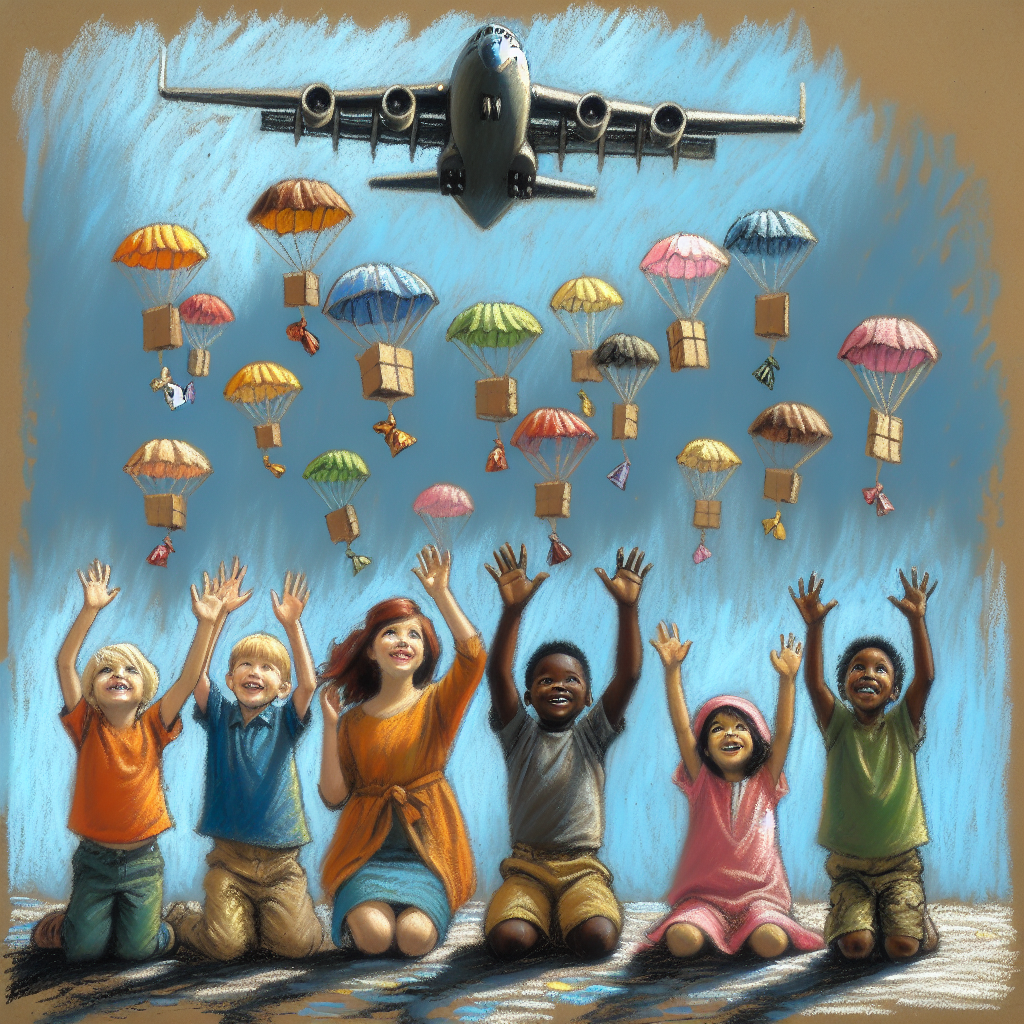
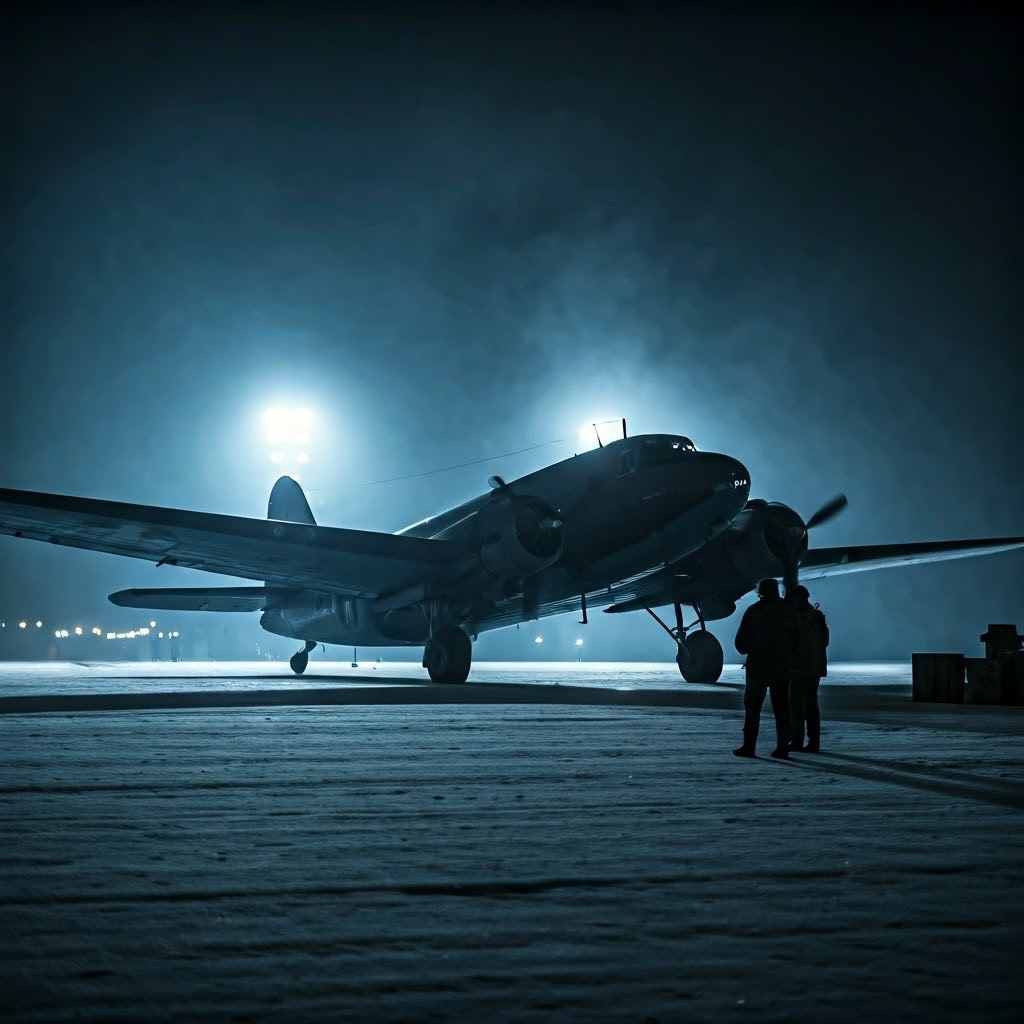
Every 90 seconds a Dakota touched down at Tempelhof or Gatow. Crews unloaded coal, flour, and fuel in moments, then lifted off again—often battling wind or Soviet harassment. Solidarity grew between pilots and Berliners as 270,000 flights kept the city alive.
After the Airlift
When flights ended, shortages still shaped life. Coal stoves hissed, black-market cigarettes acted as money, and residents queued for hours, always scanning headlines for new restrictions.
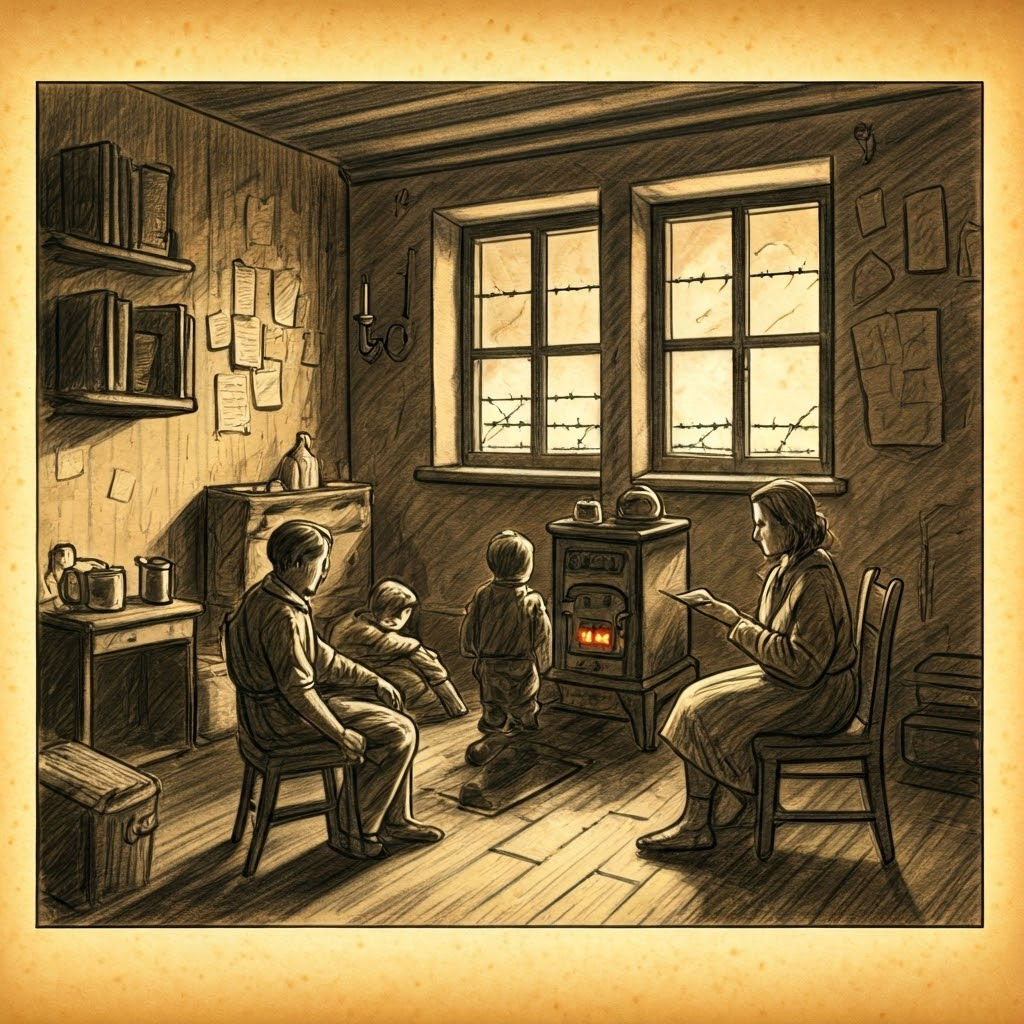
East of Brandenburg Gate, Soviet control tightened. Censorship grew, yet trams still carried workers from east to west. Many crossed the line for a better job or a fuller grocery shelf, so daily life remained a balancing act between opportunity and caution.
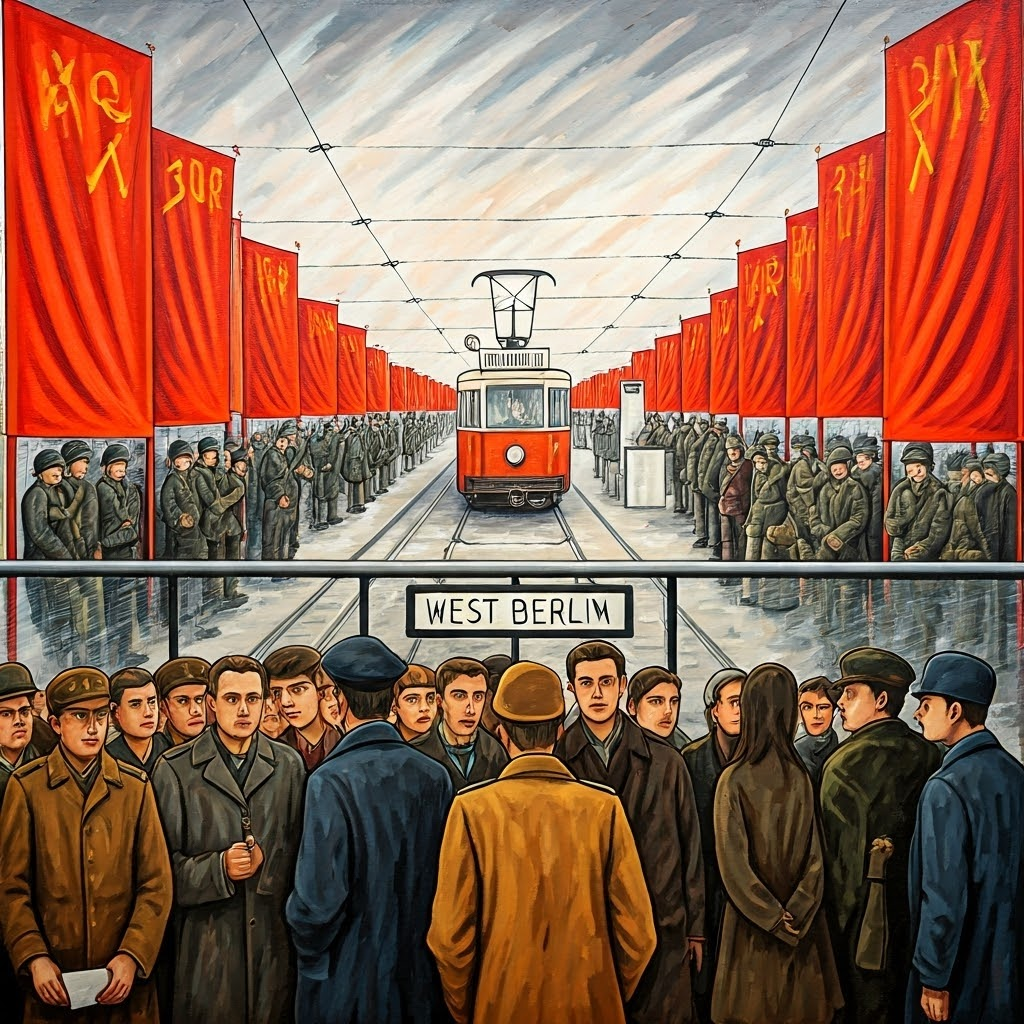
Rumors swirled about sudden arrests and new fences appearing overnight. People weighed risks: Is my paperwork safe? Should I leave now? Ordinary outings—seeing a film or dancing to jazz—carried political stakes.
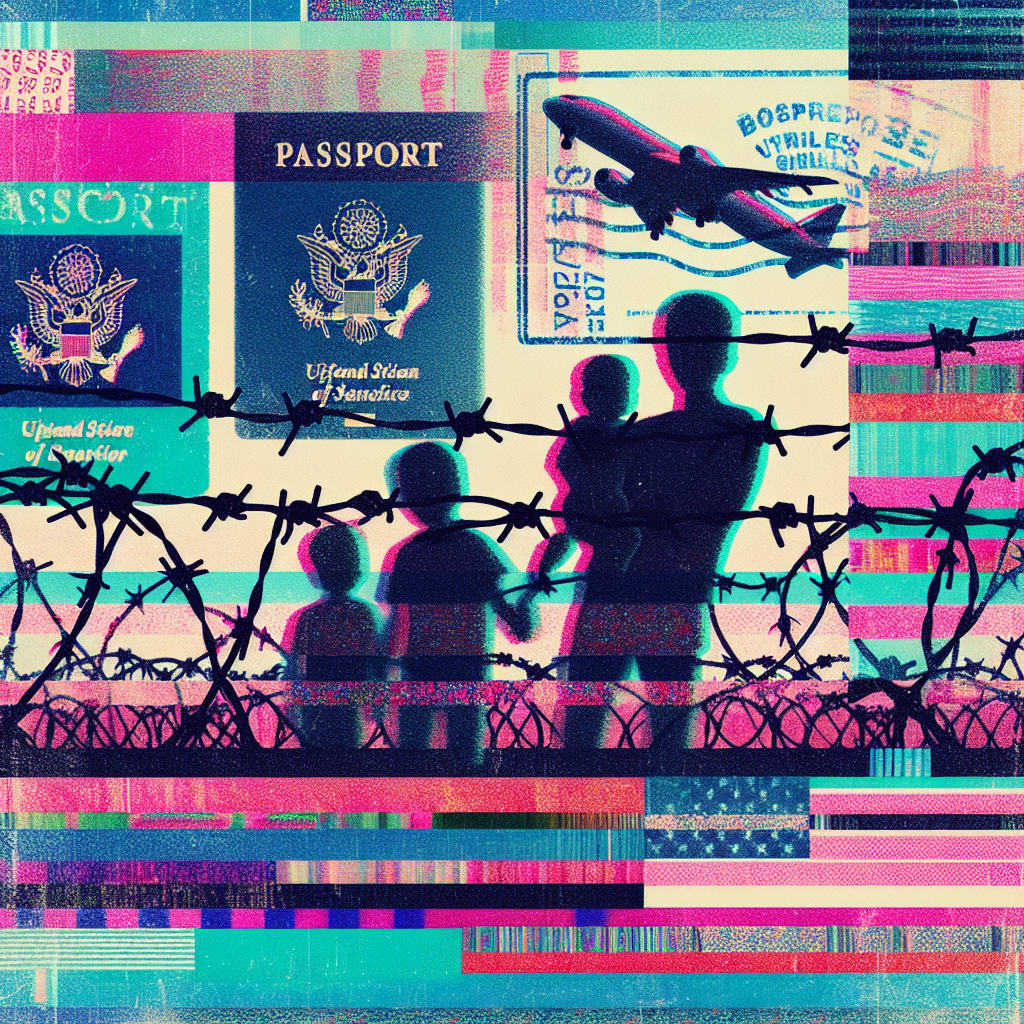
Edge Toward the Wall
By 1961, Berliners half-expected a dramatic move; the only shock was that the Wall rose in one night. For years they had adapted—treating absurdity as routine, love and fear mixing on streets where the Cold War ran past bakeries, schools, and living-room windows.
Berlin remained impossible to rule neatly and impossible not to love—a city that taught its people to improvise, endure, and hope.
