
Plugging In: The Basics of Charging

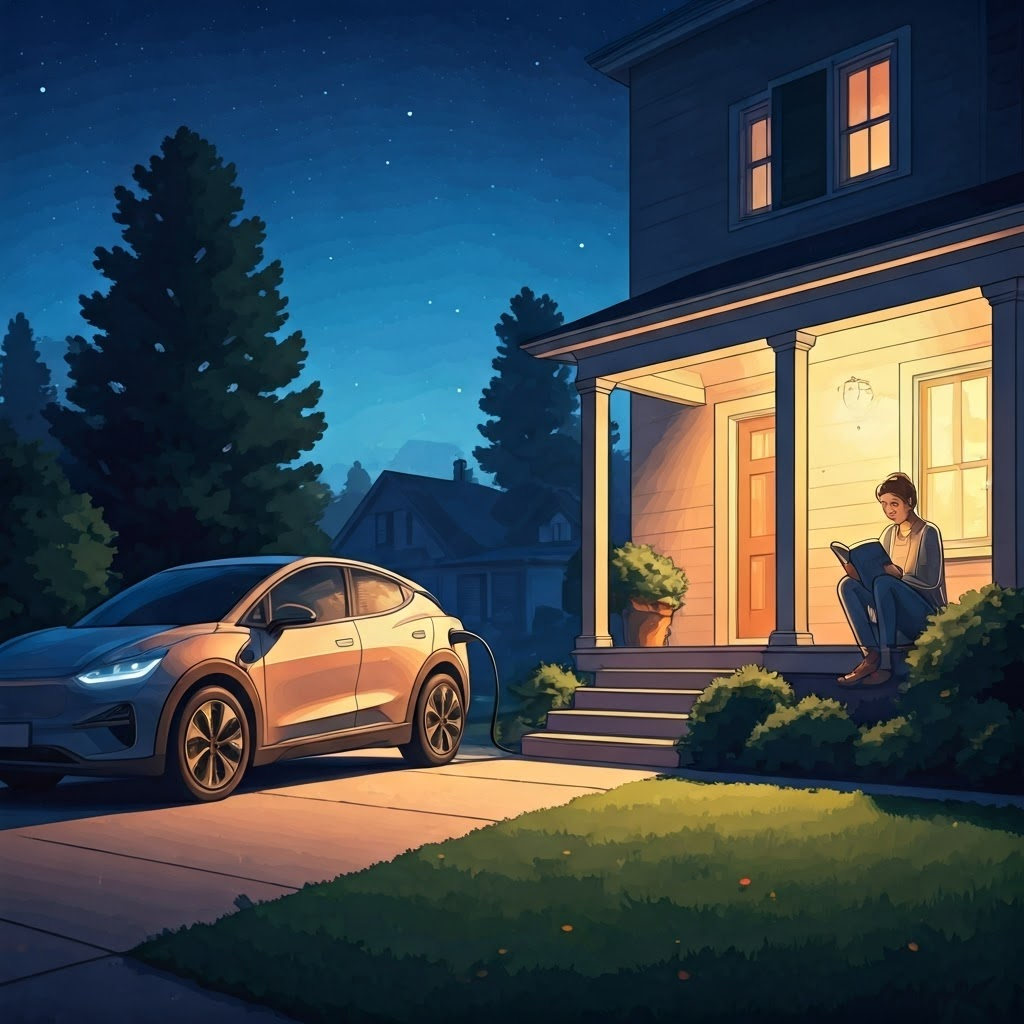
Think of Level 1 charging as the simplest way to power an electric car—you plug into a regular outlet and gain a few miles each hour. It suits drivers who cover under 40 miles daily and can leave the car charging overnight.
How Charging Works: Levels and Speeds
Electric cars all need electrons, yet the refill rate varies with power—much like filling a bottle from a trickle or a hose. Three main options exist: Level 1, Level 2, and DC fast charging.
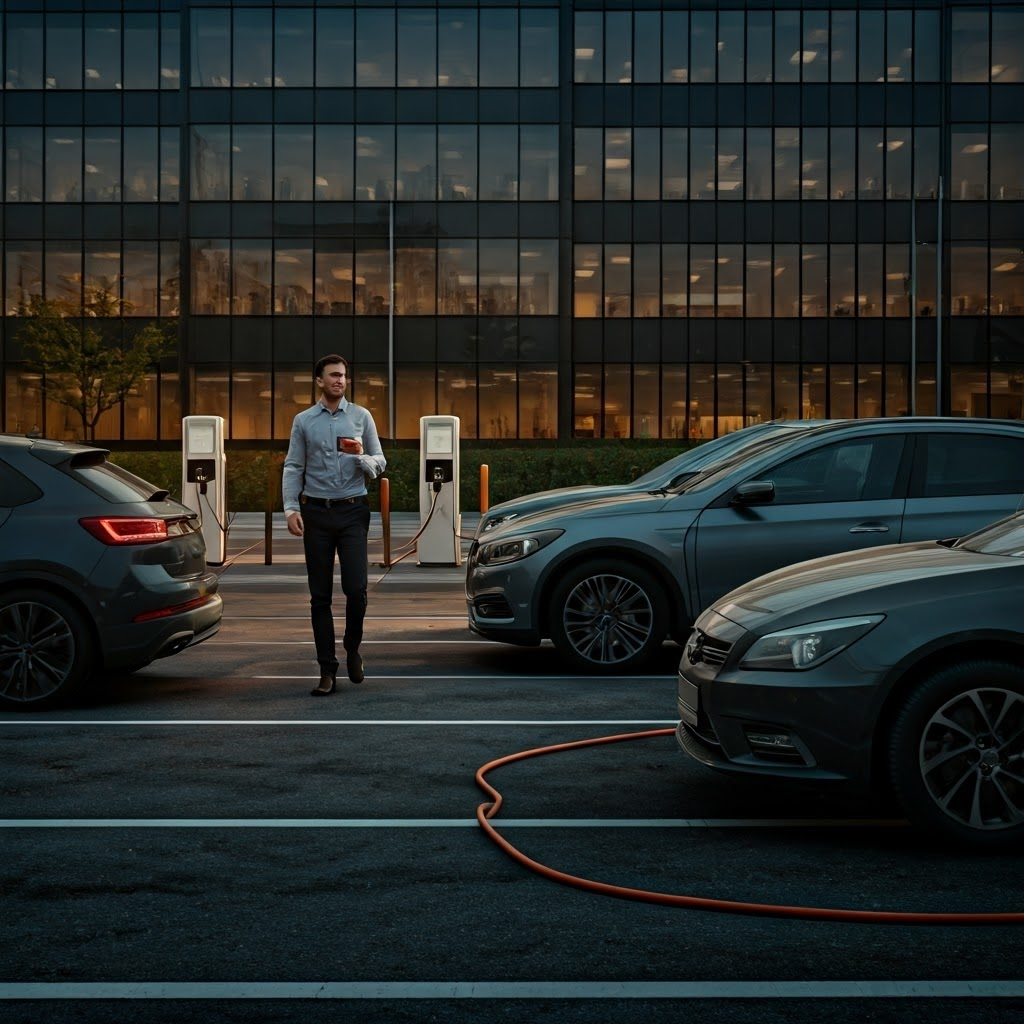
A Level 2 setup uses a higher-powered outlet—similar to a clothes-dryer socket—and adds roughly 10–30 miles an hour. Most cars reach full in 4–8 hours, perfect for workdays or evening errands.
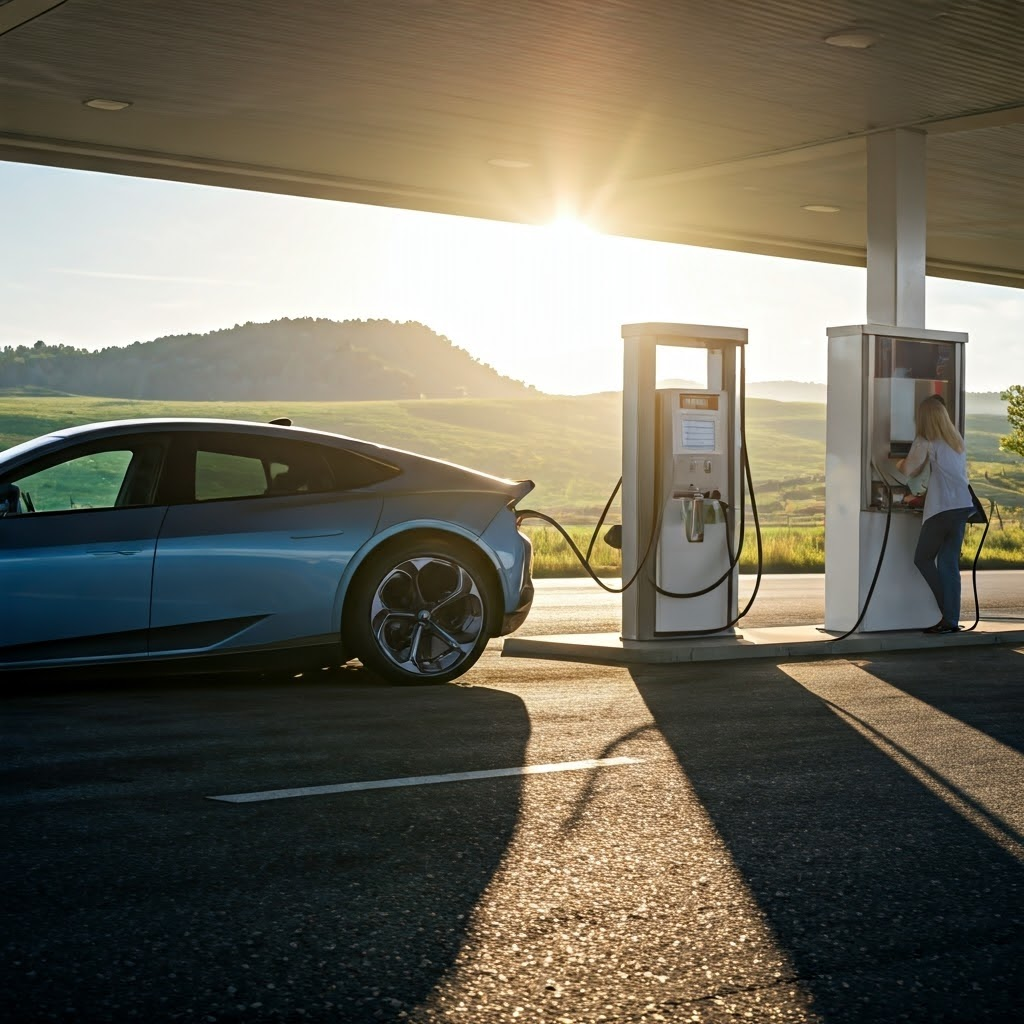
DC fast chargers deliver heavy power, adding 100–200 miles in 20–40 minutes. They bypass the onboard charger, making them ideal for road trips or quick top-ups.
Here’s a quick summary of charging levels:
| Charging Level | Where You’ll Find It | Miles Added per Hour | Great For |
|---|---|---|---|
| Level 1 | Any regular outlet (home) | 1–5 | Overnighters, short commutes |
| Level 2 | Home, workplaces, public | 10–30 | Daily charging, apartments, errands |
| DC Fast | Highways, malls, public | 100–200 in 30 min | Road trips, quick top-ups |
Why Speed Isn’t Always King
Fast charging feels impressive, yet convenience often wins. If the car rests at home every night, slower charging blends into daily life. Fast units shine on road trips, while most drivers rely on steady home or workplace charging.
Connectors: The Plugs That Matter
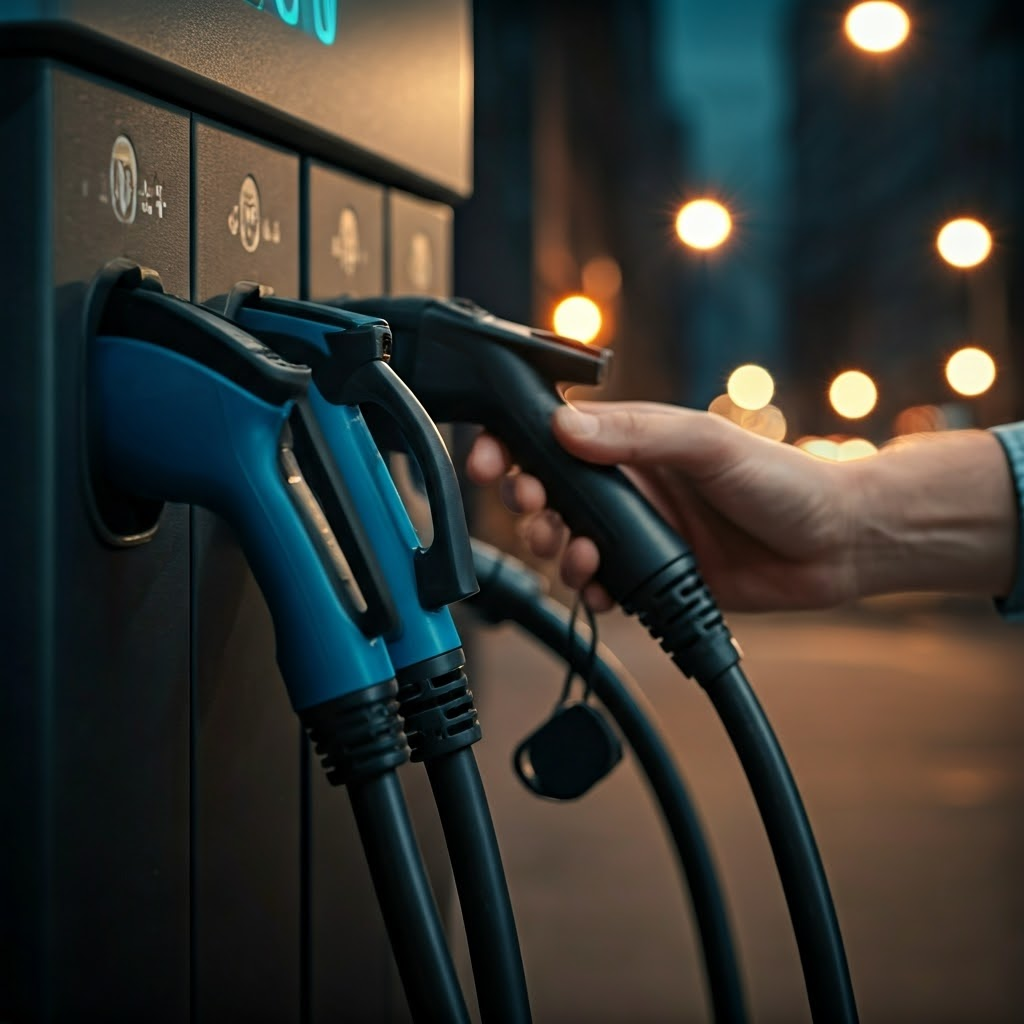
Electric cars use different plugs—CCS, NACS, and CHAdeMO—so matching car and connector is essential. CCS dominates U.S. and European fast charging, while NACS began with Tesla but is spreading quickly. CHAdeMO lingers mainly on older Nissan Leafs.
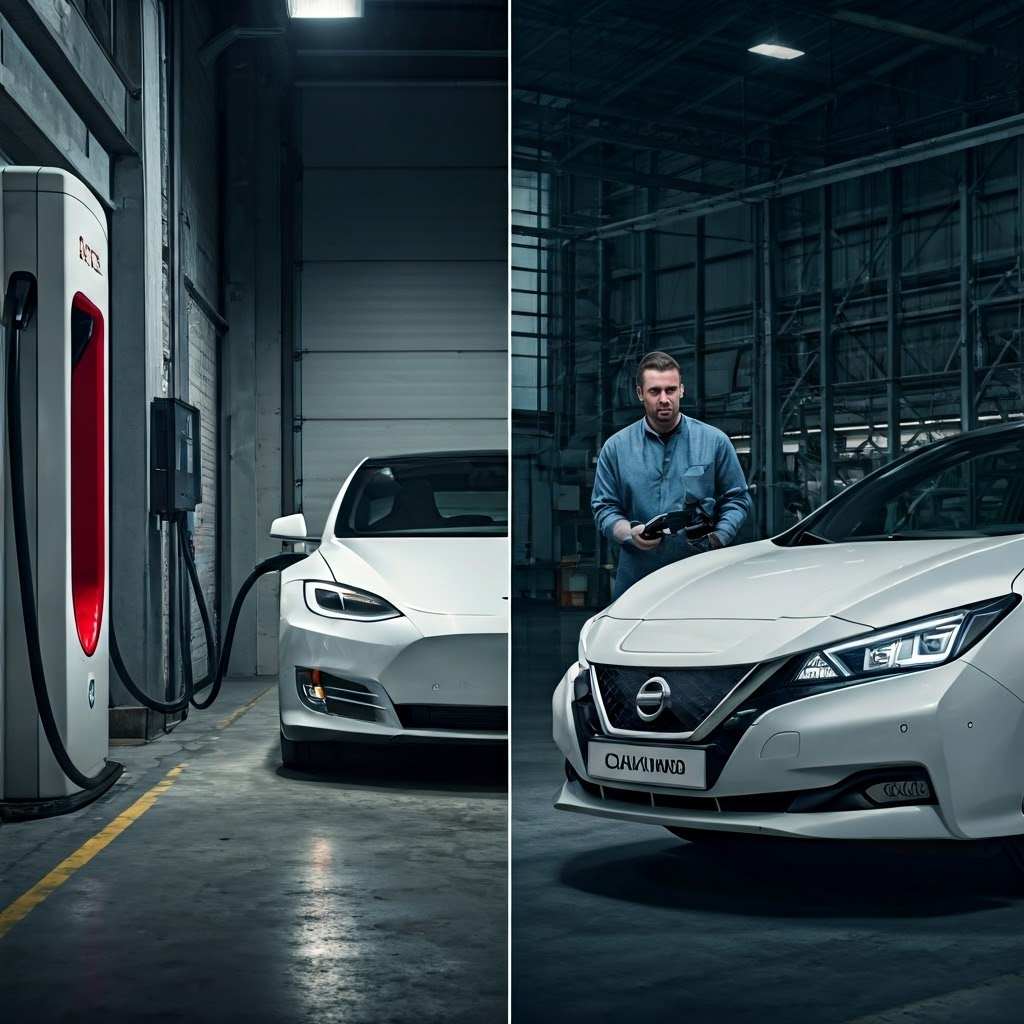
NACS, known as the Tesla plug, is slim and easy to handle. More automakers plan to adopt it, mirroring how phone makers converged on USB-C.
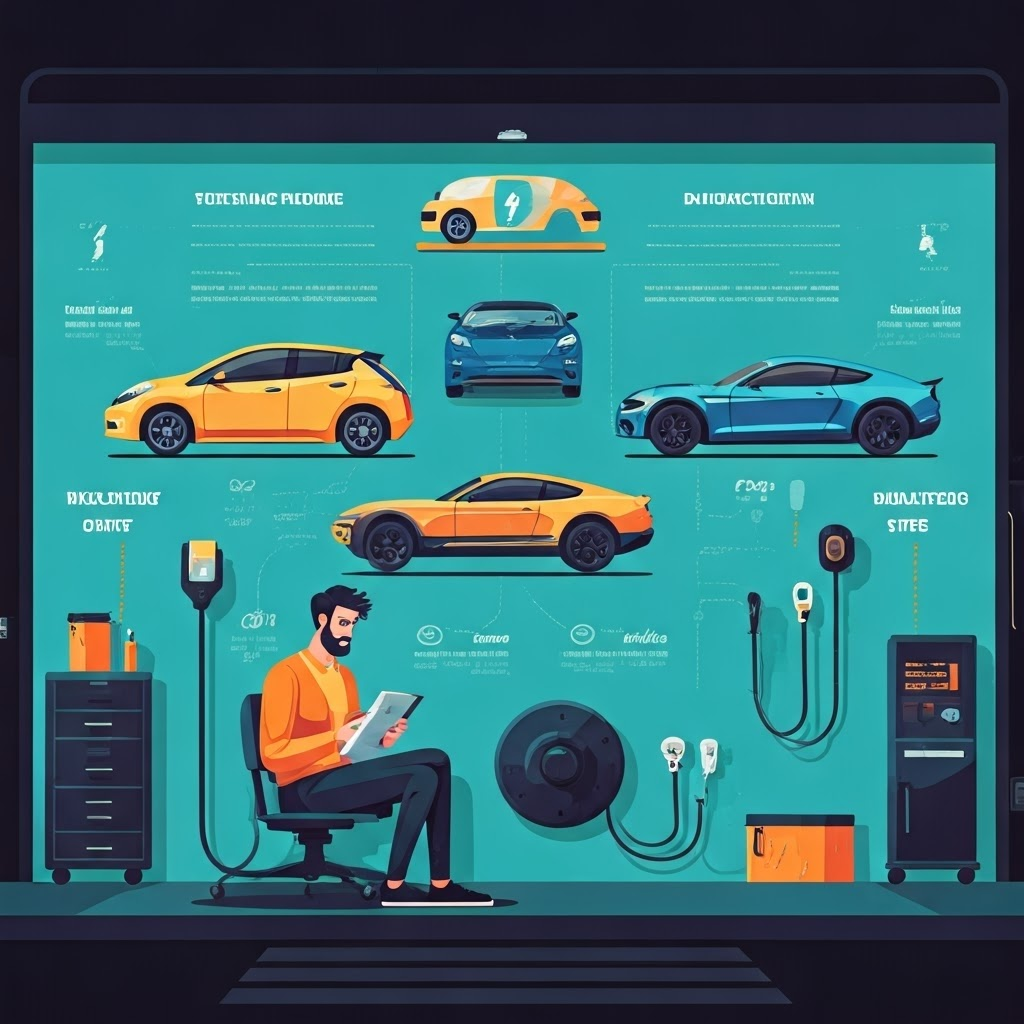
Match the Car to the Plug
A 2018 Nissan Leaf needs CHAdeMO for fast charging. A Ford Mustang Mach-E uses CCS—at least for now. Tesla’s Model 3 relies on NACS. Always check the port diagram near your charge flap before heading to a station.
Why It Matters
Not every station fits every car. A quick glance at apps like PlugShare shows available plugs, saving wasted trips and adapter hassles.
Home vs. Public Charging: What’s Right for You?
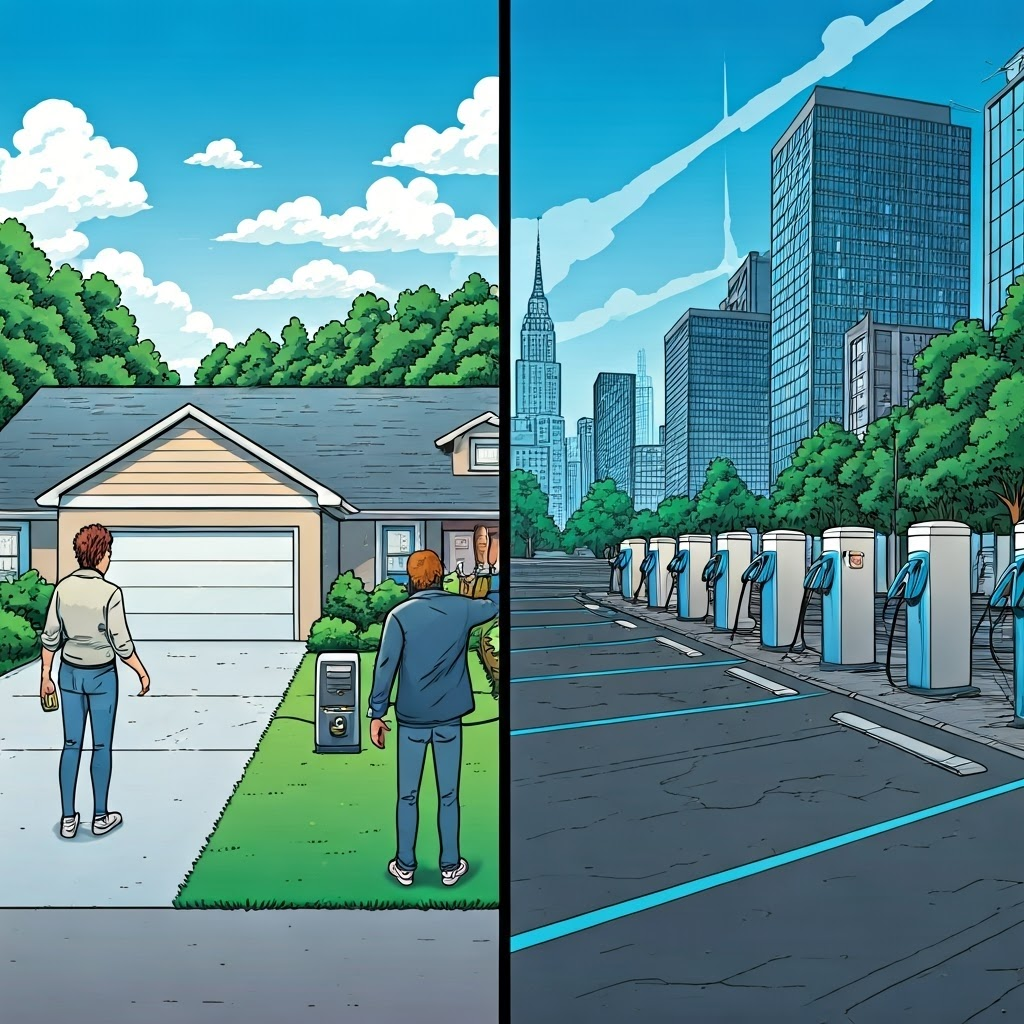
EV ownership puts drivers in control—decide whether home charging or public stations fit your routine. Each route offers its own trade-offs.
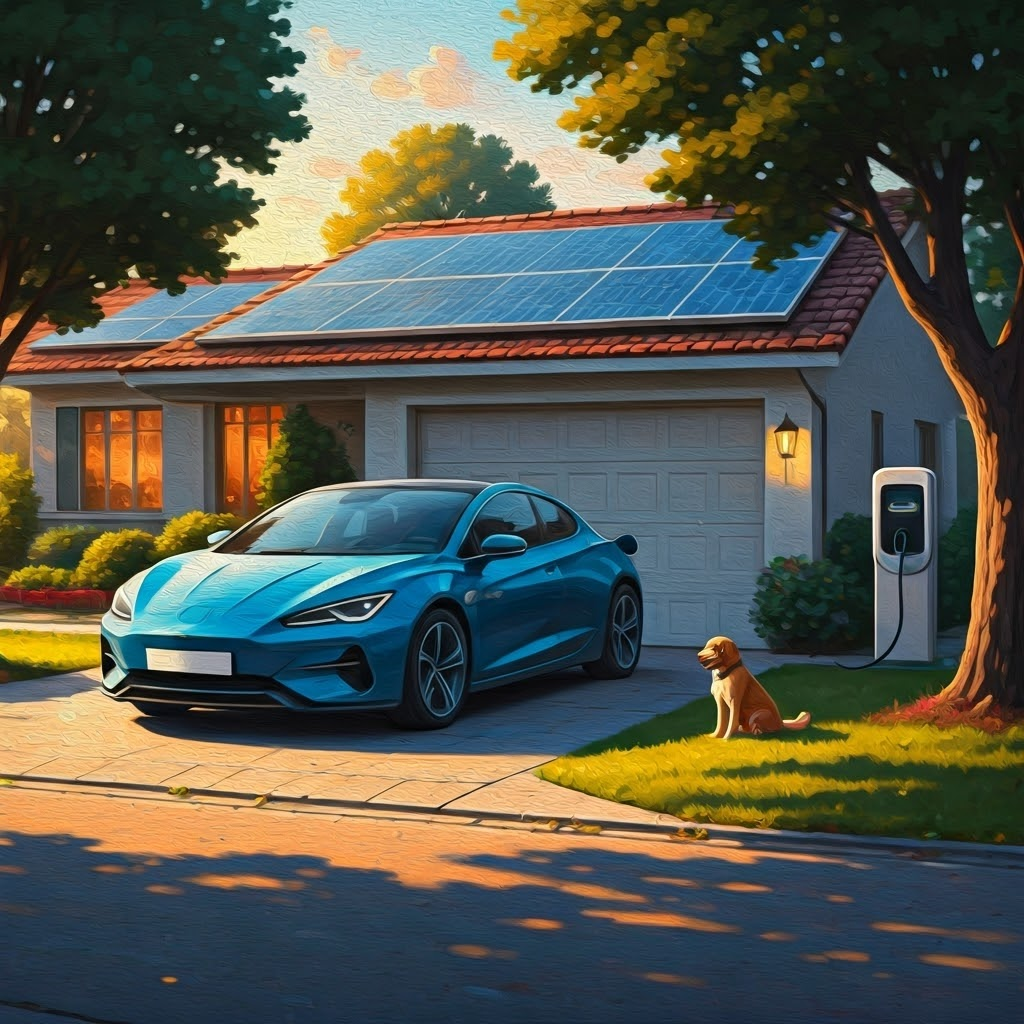
Home Charging
Installing a Level 2 unit at home costs several hundred dollars plus labor, yet home electricity rates are lower than public fees. A full charge may cost $5–$15, and solar panels push costs even lower.
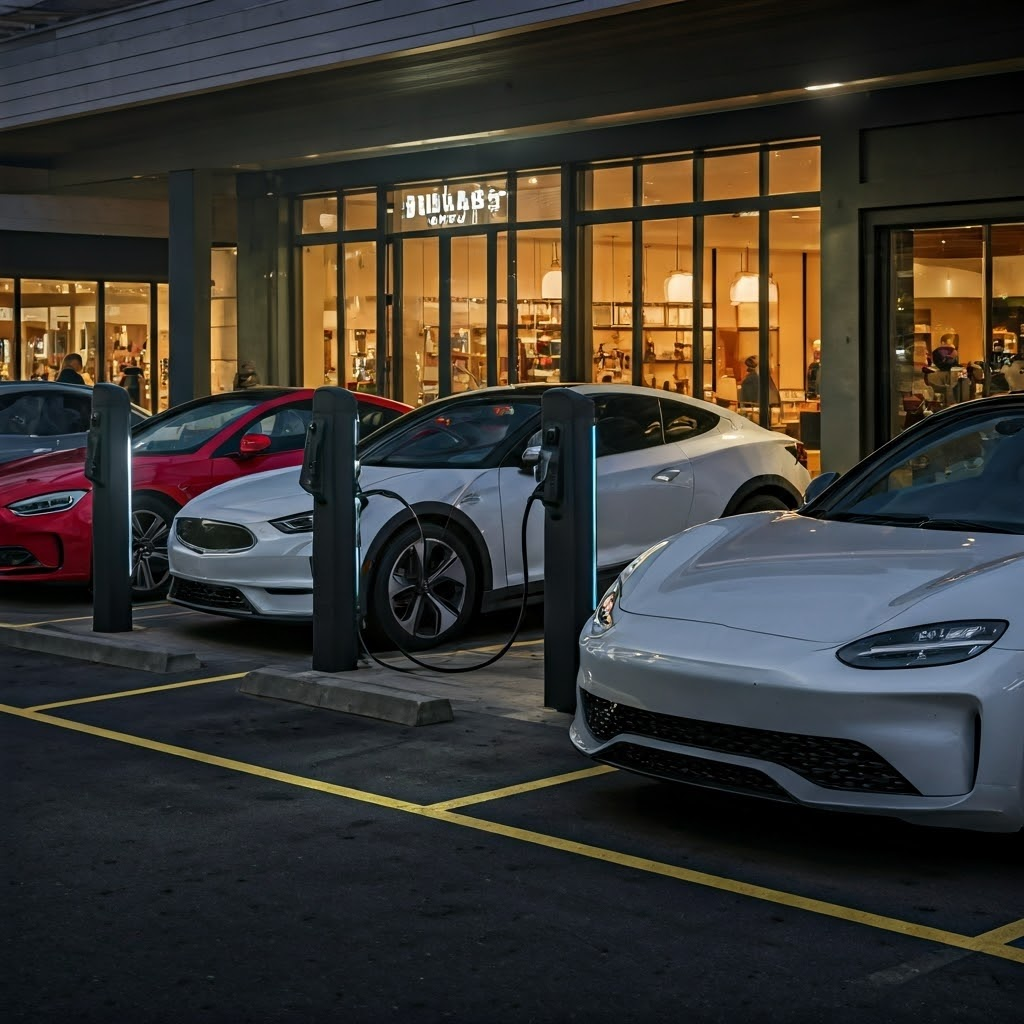
Public Charging
Apartment dwellers and road-trippers lean on public chargers. Fast units offer speed but often add cost and uncertainty—stations can be busy, broken, or distant.

A Day in the Life
Alex plugs in at home nightly, spending little and skipping gas stops. Jordan, living in an apartment, times visits to a DC fast charger every few days—paying more for the speed.

The Takeaway
Charging an EV is straightforward when you know your plug, routine, and preferred speed. With minor planning, you’ll drive more and worry less about the next electron.
