
Why We Look Up
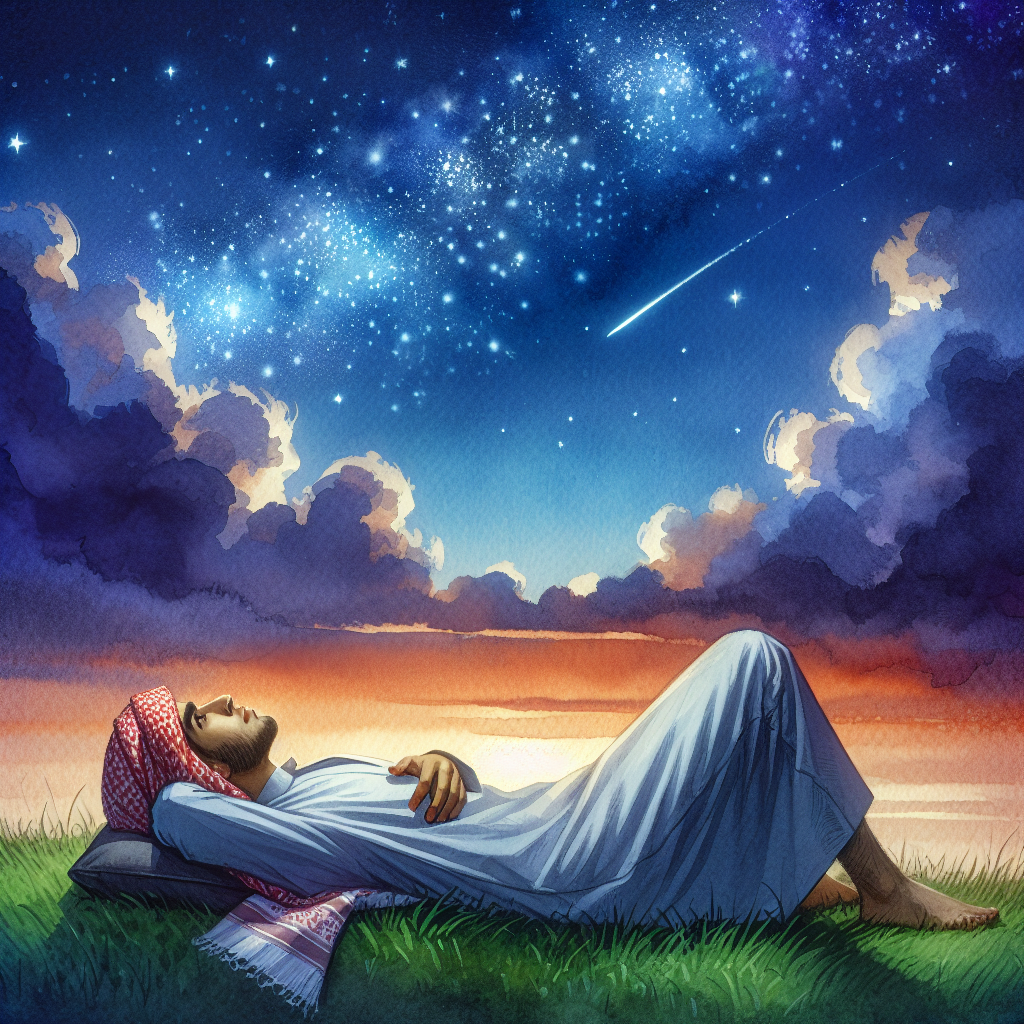
You might feel it on a slow evening—the pull to step outside, raise your chin, and stare at the sky. Curiosity unites us across time, offering a pause from daily routines.
The night sky makes us feel less boxed in by walls or worries. Kids and scientists alike scan the stars for shooting lights or fresh questions, each glance sparking silent excitement.
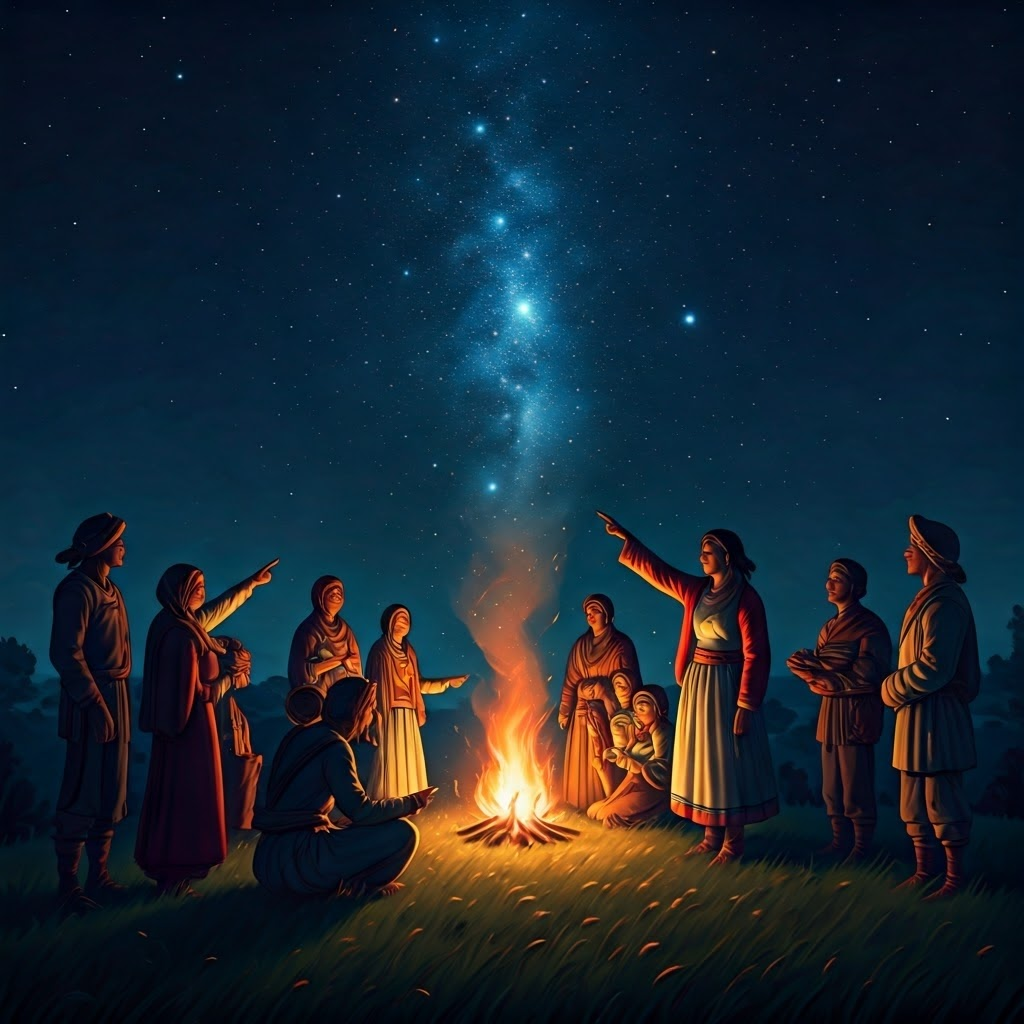
Before GPS and streetlights, the sky served as our grand map and storybook. Guidance came from steady patterns above, and stories began the moment someone asked, “What’s that?”
Many of the oldest tales—about gods, heroes, and monsters—started not around a hearth but under the open stars, turning darkness into a canvas for meaning.
Constellations: Connecting the Dots
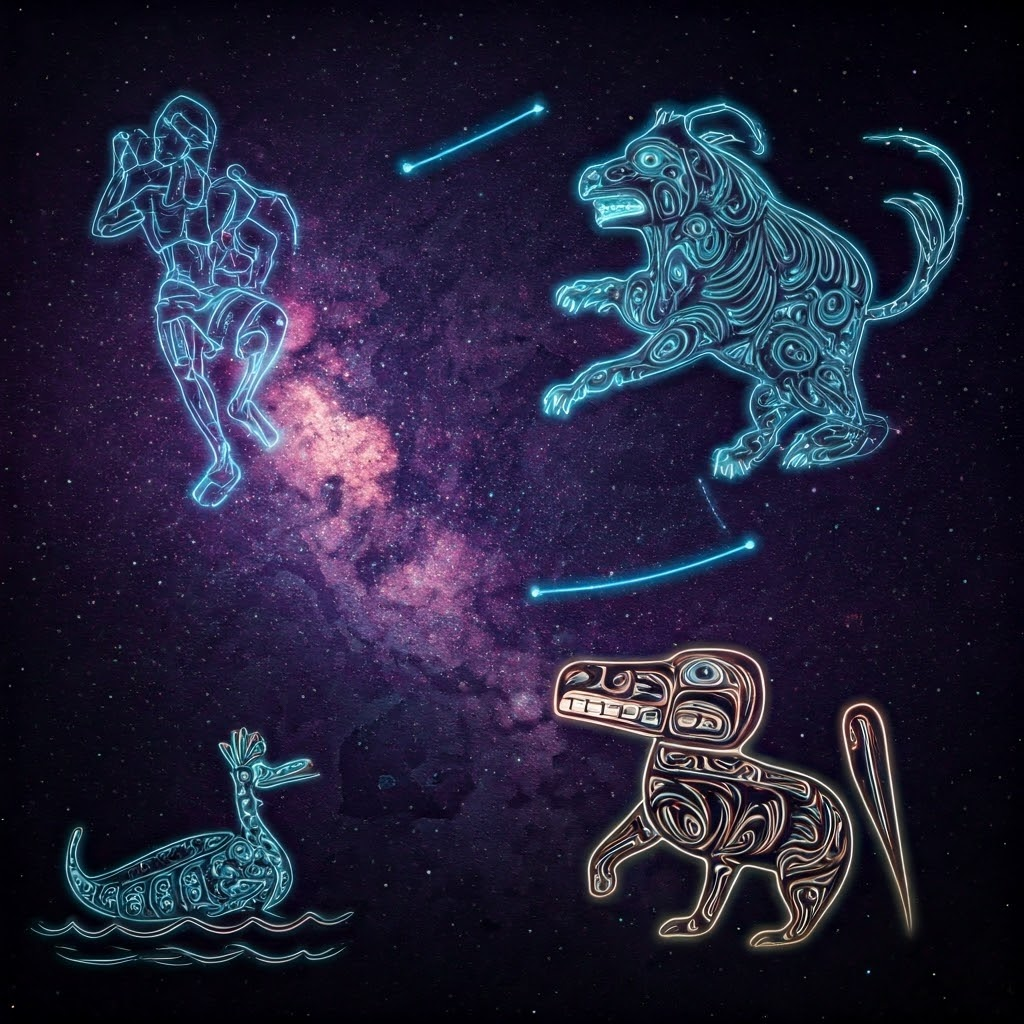
A constellation is a group of stars forming a familiar shape. Patterns shift with culture—Orion’s belt in one land may become a canoe or toolset in another.
Indigenous peoples worldwide named heroes, animals, and myths in the same stars, proving that imagination links us despite distance.
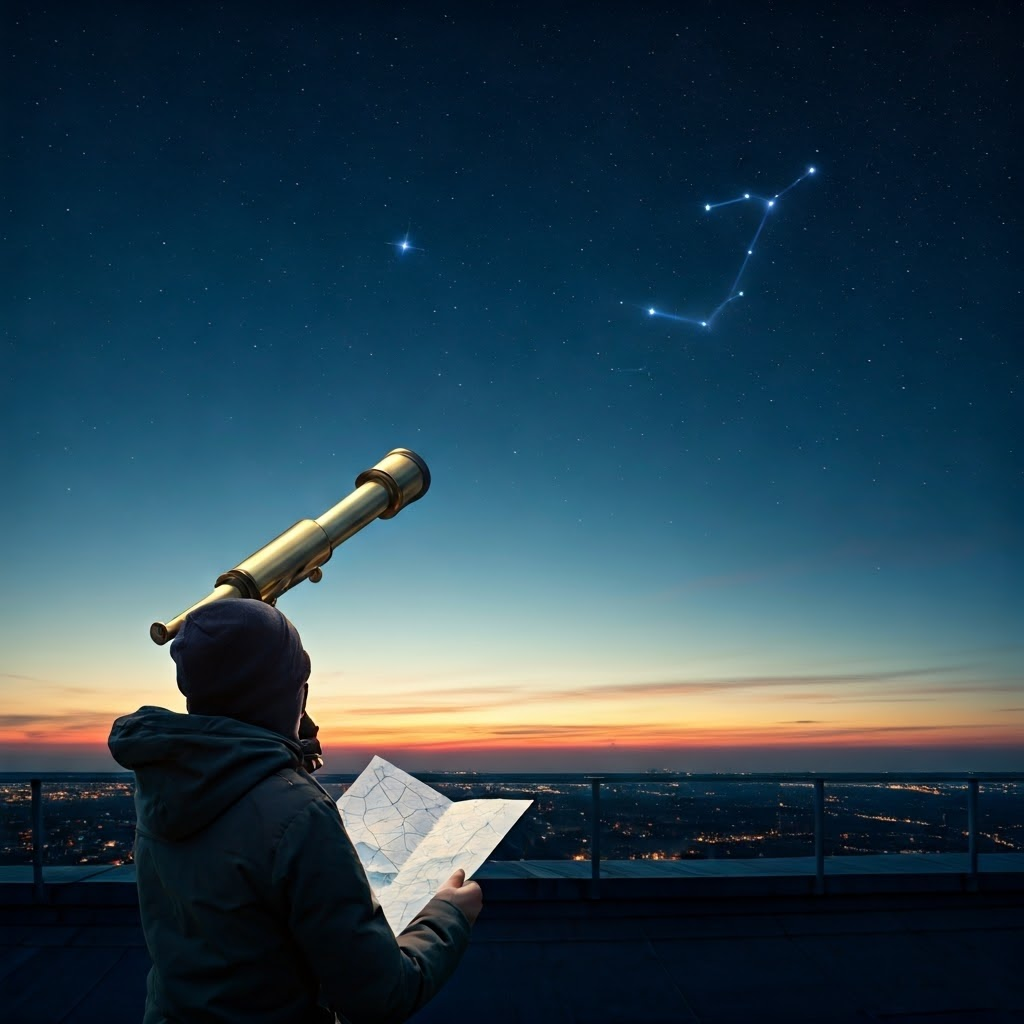
Start easy when spotting shapes. The Big Dipper stands out even in city light. Draw a line from the bowl’s edge stars to find Polaris—the North Star that barely moves, once a beacon for travelers.
Stories in the sky guided planting, sailing, and festivals. Ancient Greeks and Egyptians timed harvests by star risings, ensuring the heavens felt like a returning friend each season.
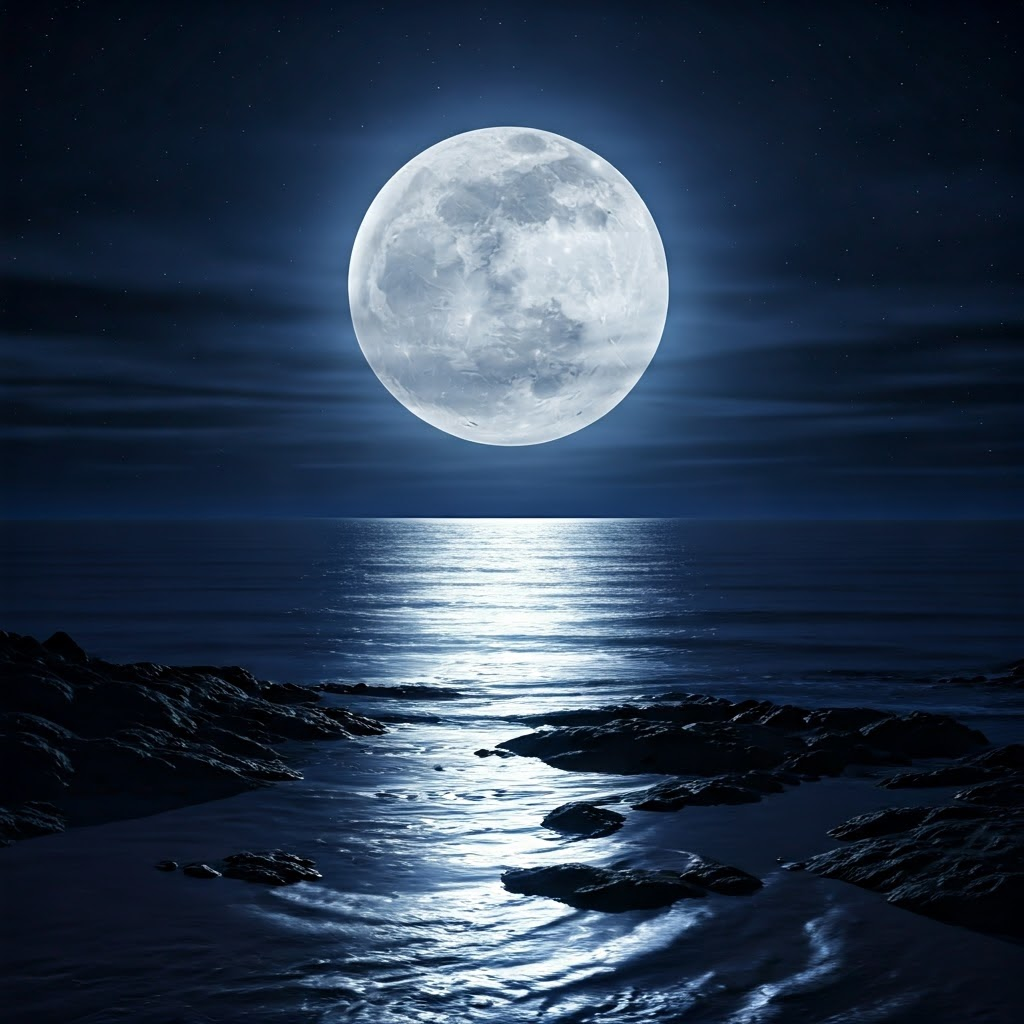
The Moon’s Many Faces
The Moon changes appearance nightly during its 29-day lunar cycle. From New to Full and back, we merely see varying sunlight on its face.
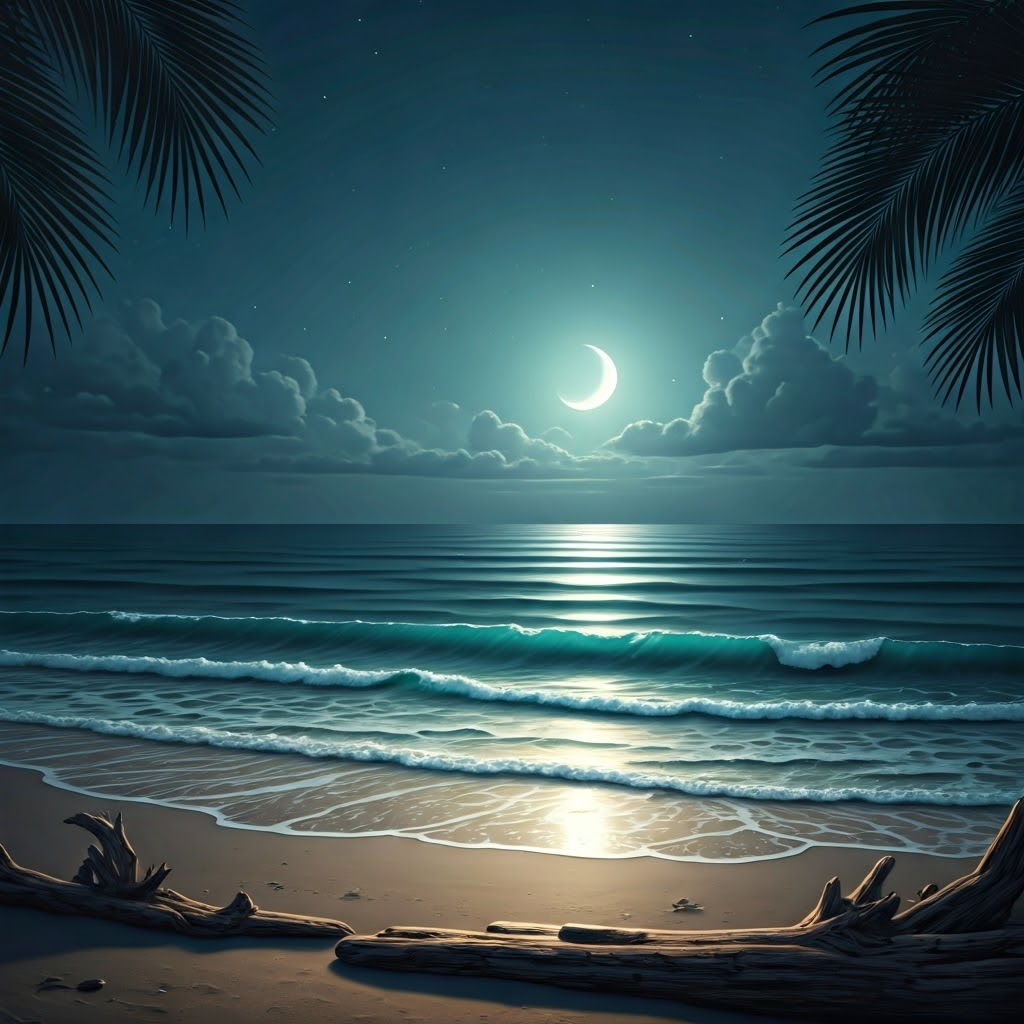
The Moon’s gravity pulls ocean water, creating tides that rise and fall twice a day. Coastal communities once planned fishing and travel by these rhythms.
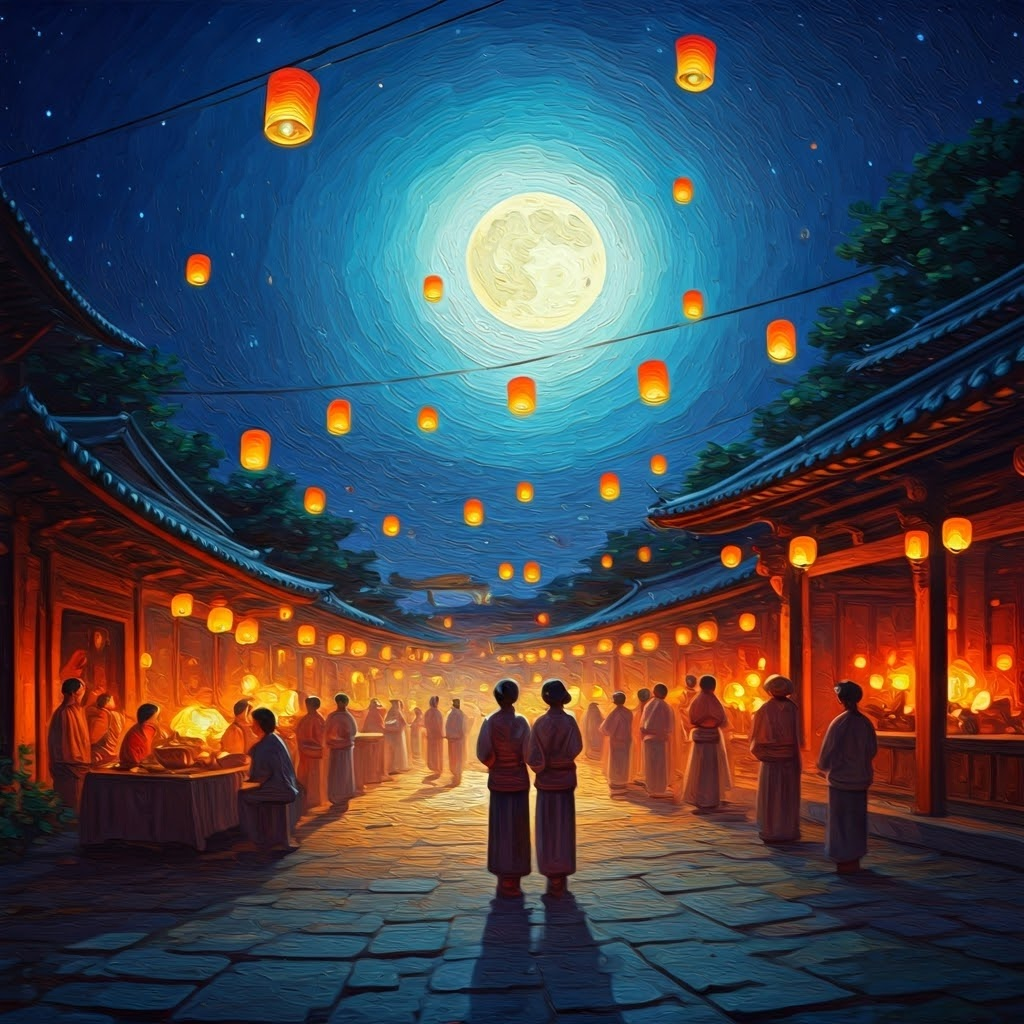
Lunar calendars still guide Ramadan, Easter, and the Mid-Autumn Festival. Even the word “month” echoes moon-th, a reminder of our cosmic timekeeper.
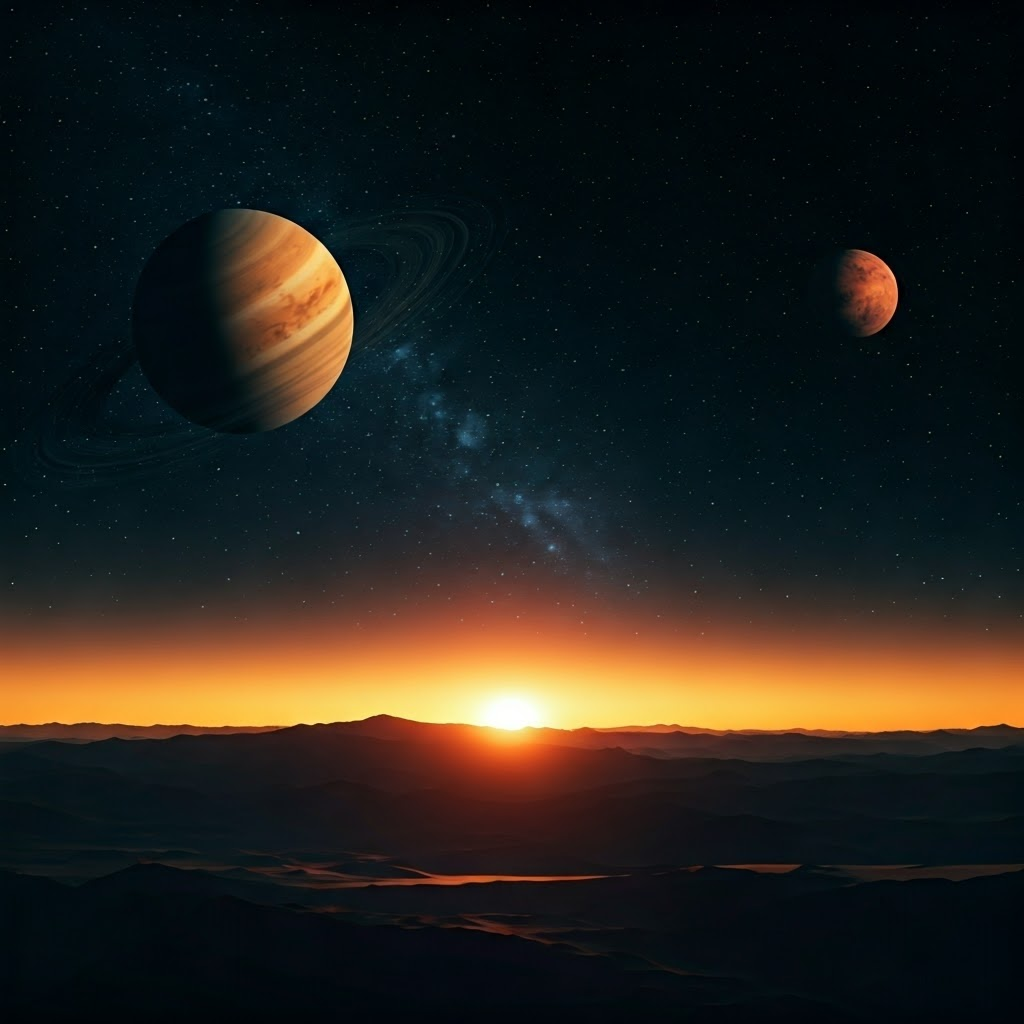
Planets and Wandering Lights
Unlike twinkling stars, planets shine steadily by reflecting sunlight. The Greeks called them “wanderers” because their movement drifts against fixed star patterns.
Venus blazes brightest near sunrise or sunset. Jupiter and Saturn sit high, steady, and bright, while Mars shows a subtle red glow. Track them over nights to watch their slow slide.
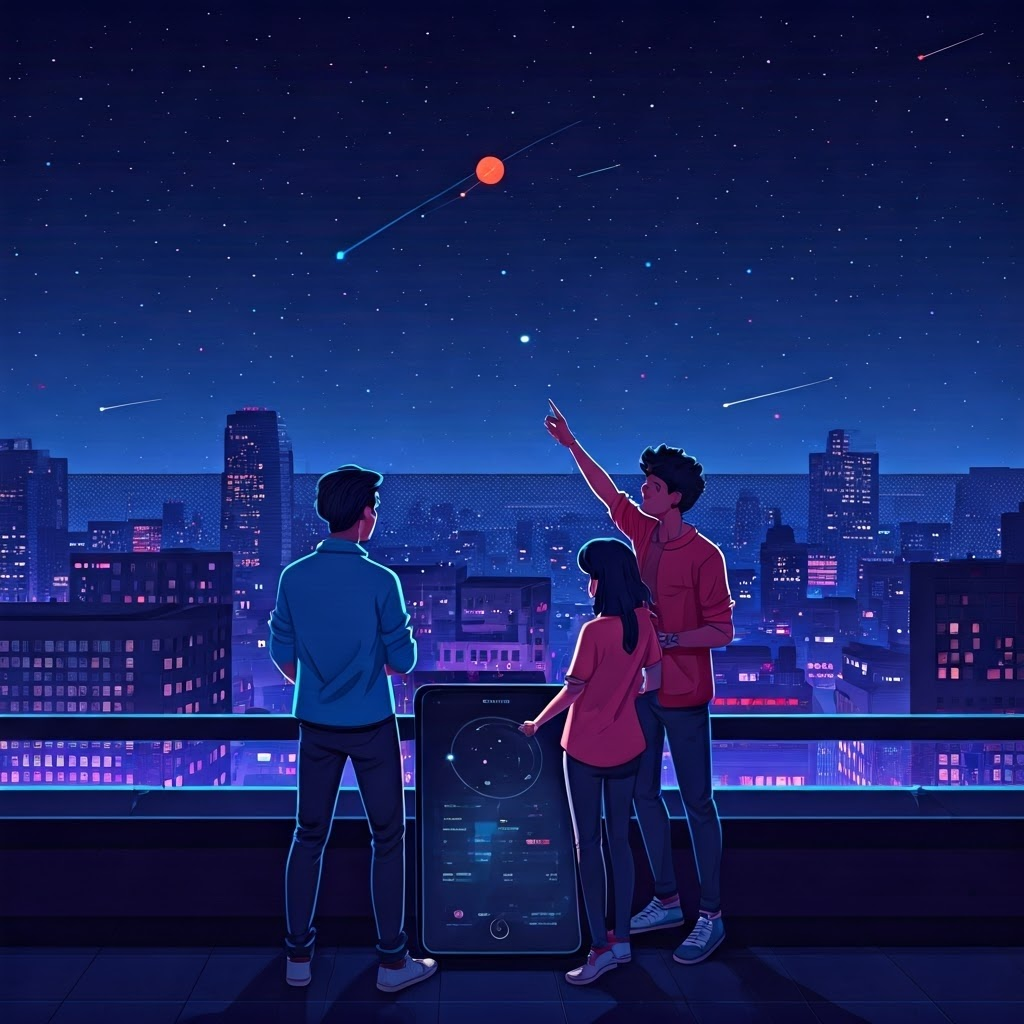
You can spot planets without a telescope. A simple app or printed map pinpoints which “star” is actually a planet, turning each season into a fresh celestial show.
Seeing the Sky with New Eyes
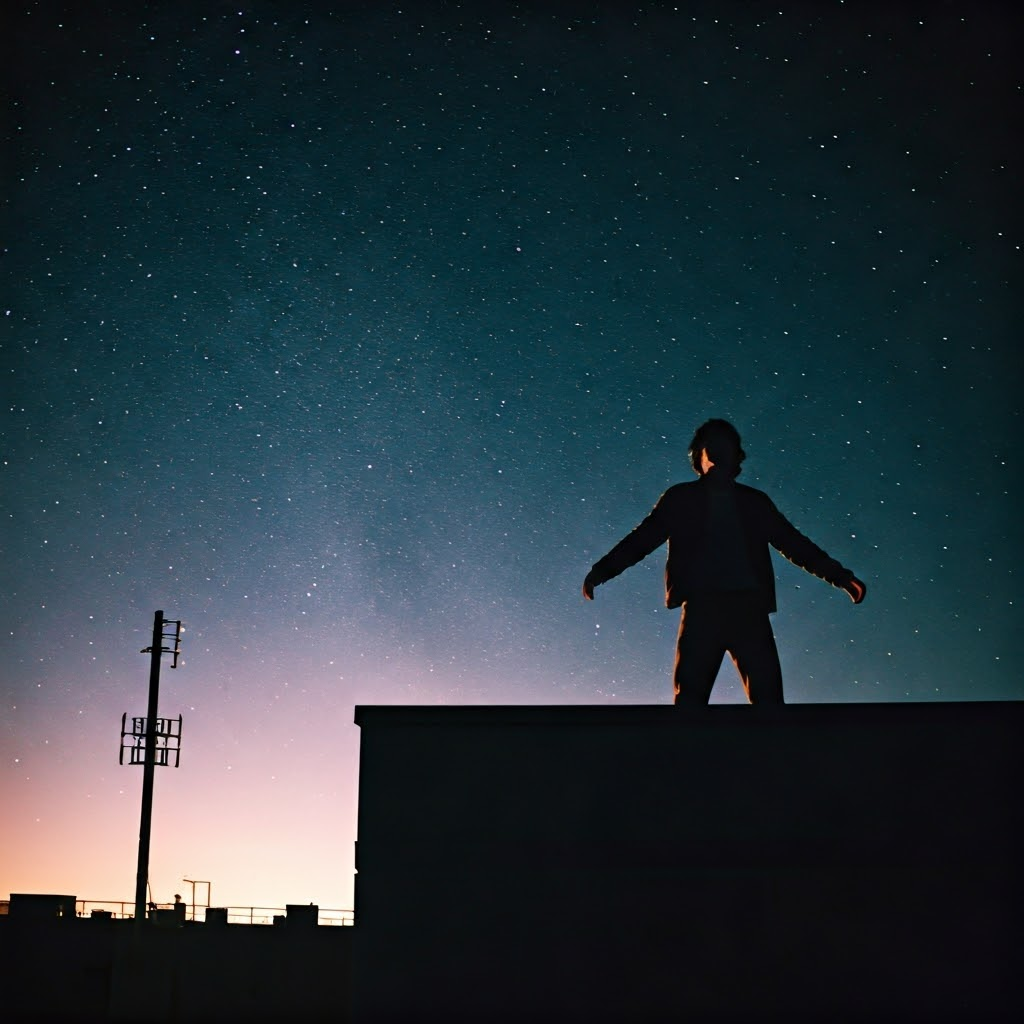
Looking up weaves us into an ancient thread of connection—to ancestors, neighbors, and the vast universe. With every Moon phase tracked, constellation mapped, or planet spotted, you revive a timeless practice. Next time the night stretches above you, remember: each question you pose to the stars adds a new line to humanity’s shared story.
