
Why paint on stone? the first artists and their world
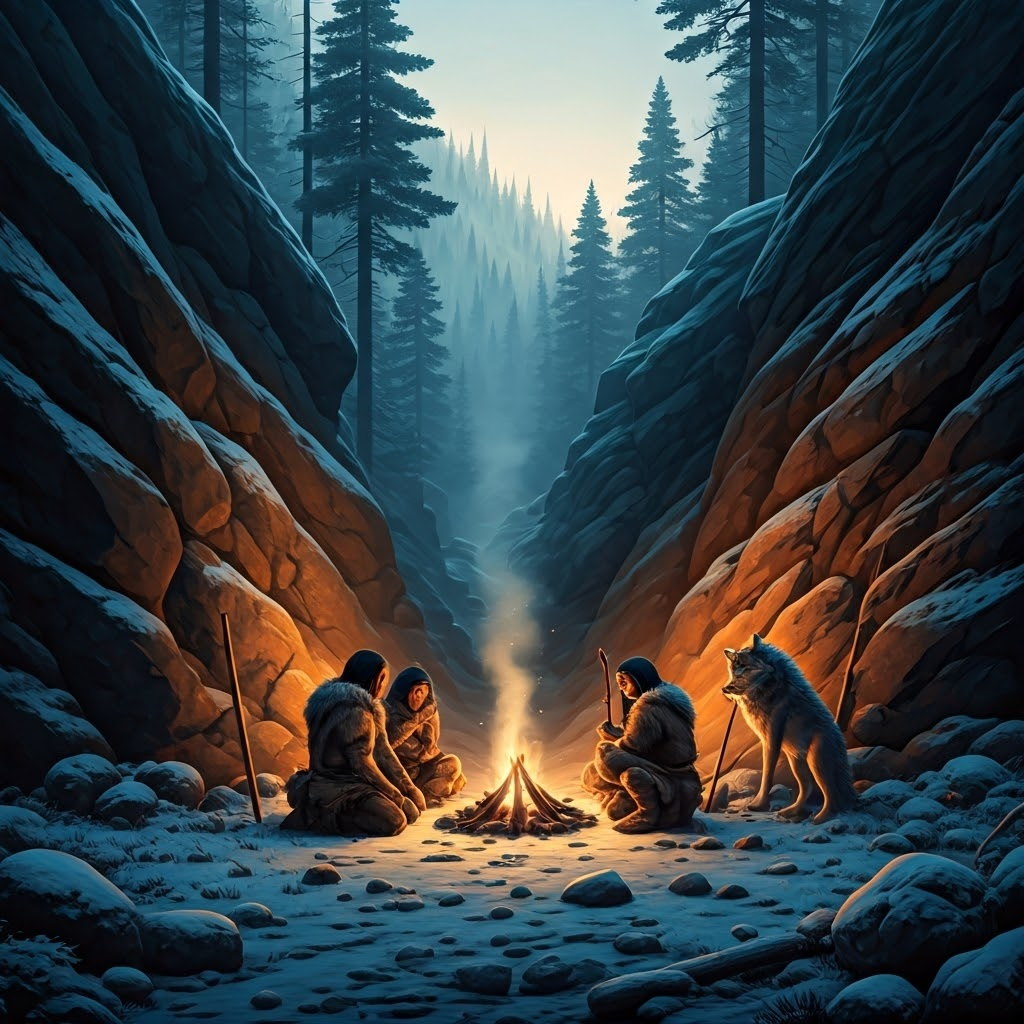
Painting on stone let early humans preserve their stories. Cold winds cut through furs, food was scarce, and each hunt carried risk. Yet they paused to mix ochre and charcoal, leaving images that still whisper across millennia.
The world of the first painters
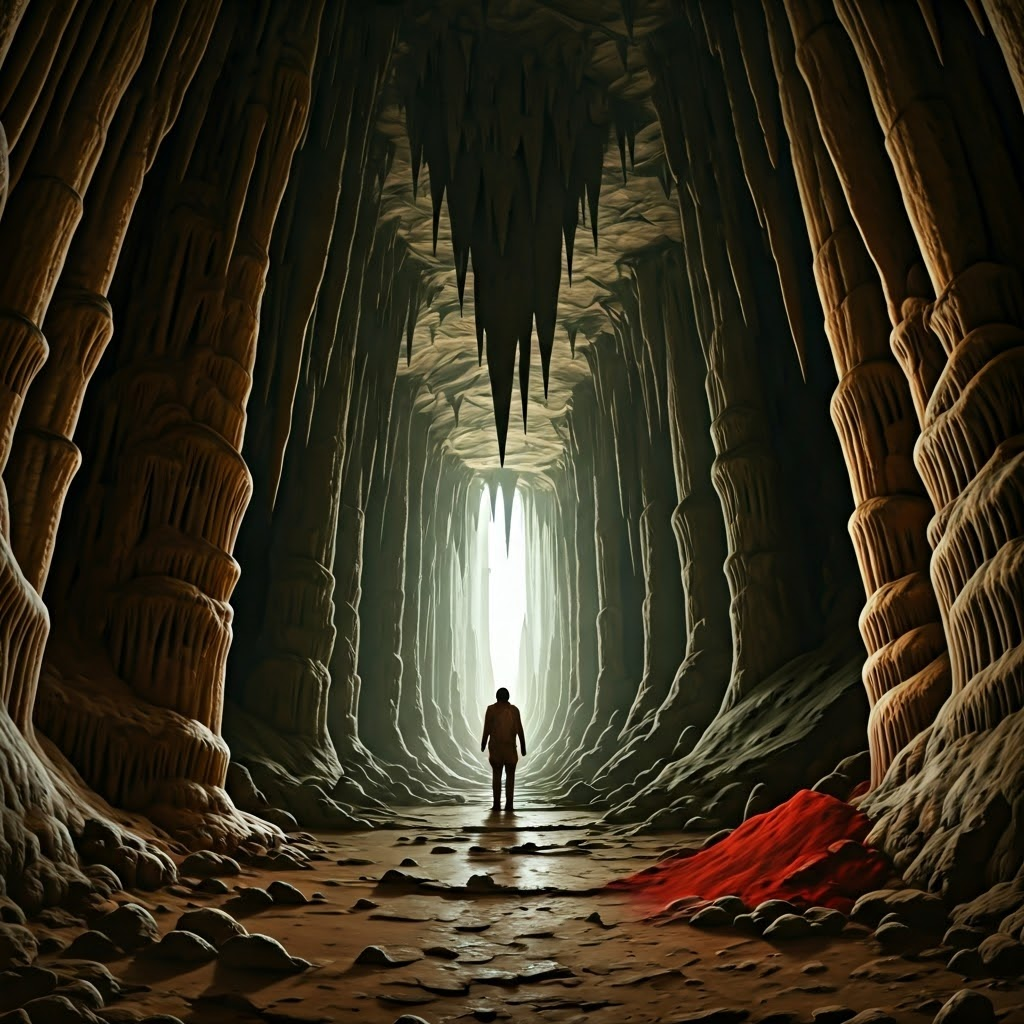
Survival demanded teamwork. People tracked herds, read weather signs, and moved with the seasons. In those harsh routines, they also noticed patterns—spirals in shells, arcs of tusks. Caves offered shelter and, more importantly, blank stone inviting marks that turned daily life into shared meaning.
The world of the first painters
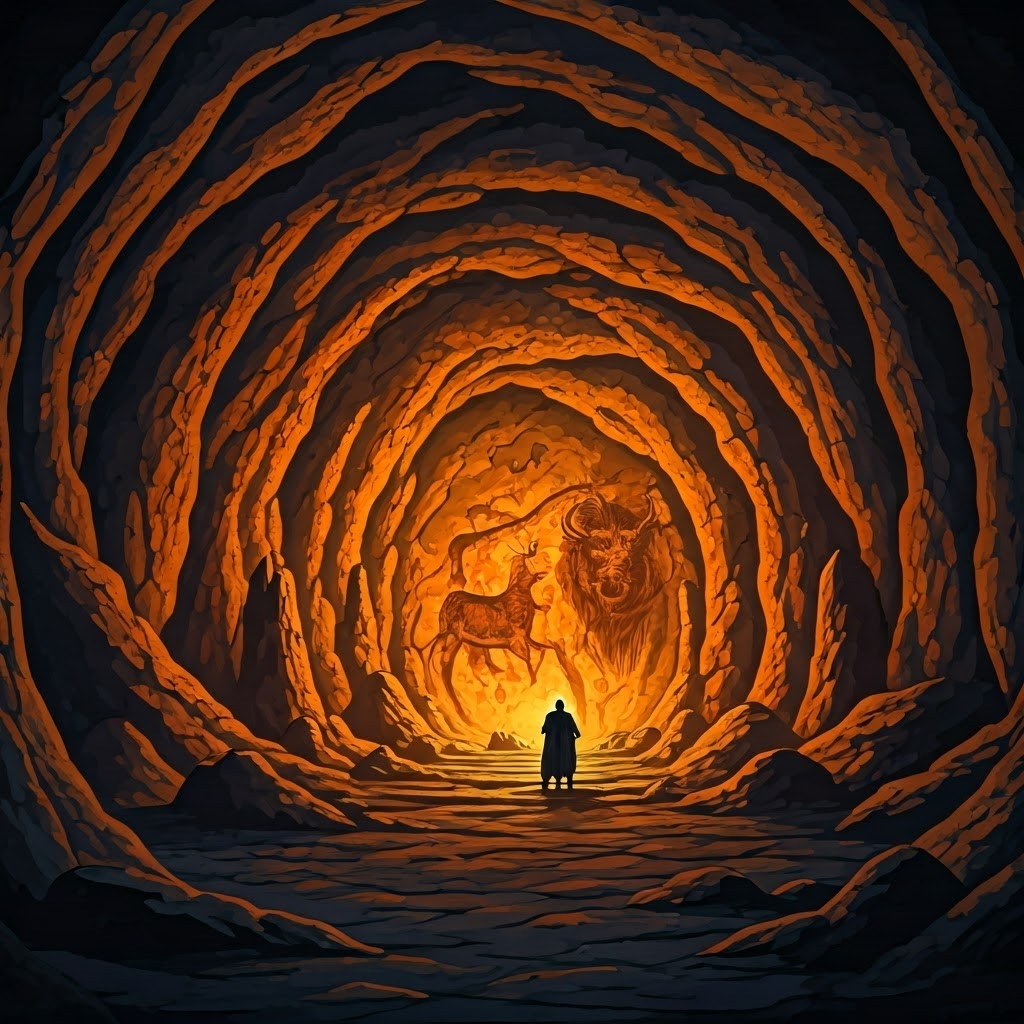
Scholars suggest caves became ritual centers. Inside Lascaux or Chauvet, sweeping animal forms glow in flickering light. The walls transformed into a stage where knowledge, power, and belief merged with the urgent need to eat and endure.
Symbols, animals, and survival
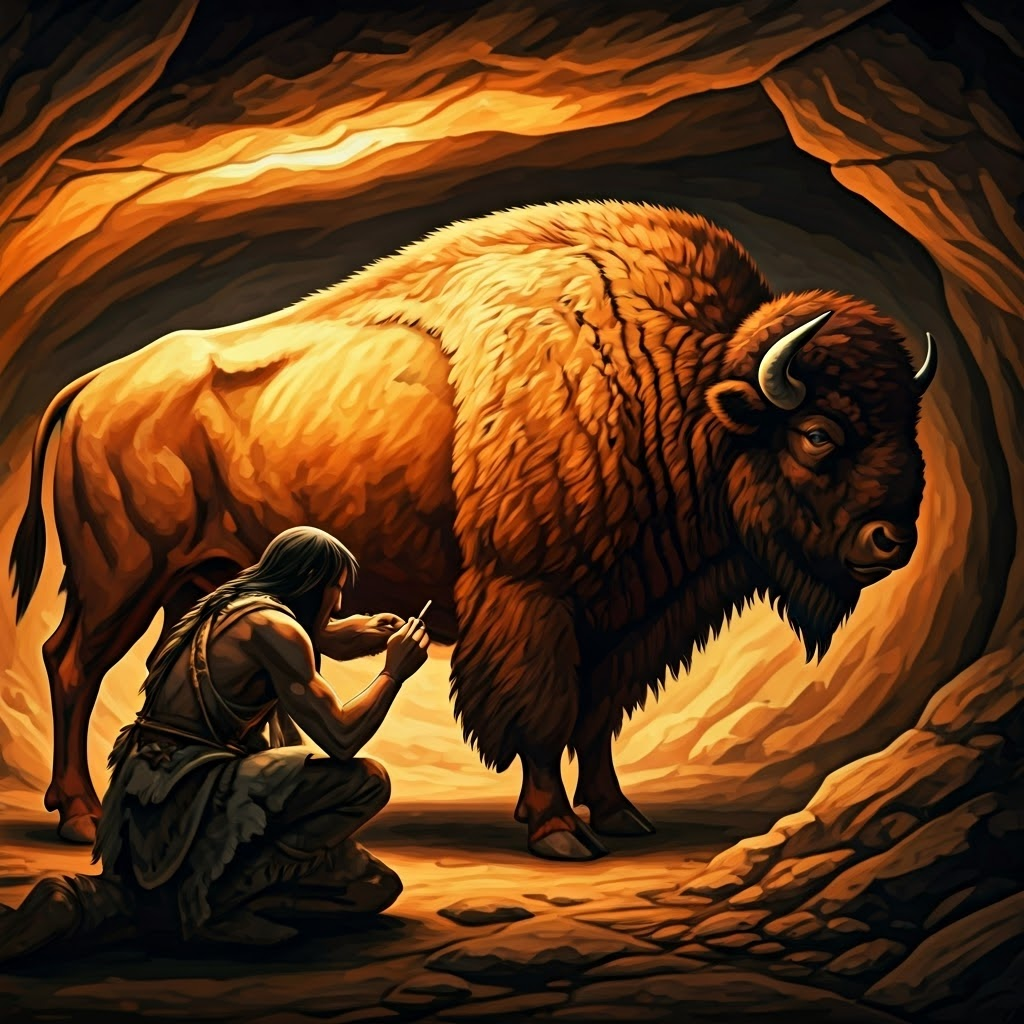
Bison, horses, and mammoths fill the chambers. Humans appear rarely, while dots, spirals, and handprints recur. Painting animals may have been a prayer for successful hunts or a lesson in tracking—visual rehearsals that blended hope with strategy.
Symbols, animals, and survival
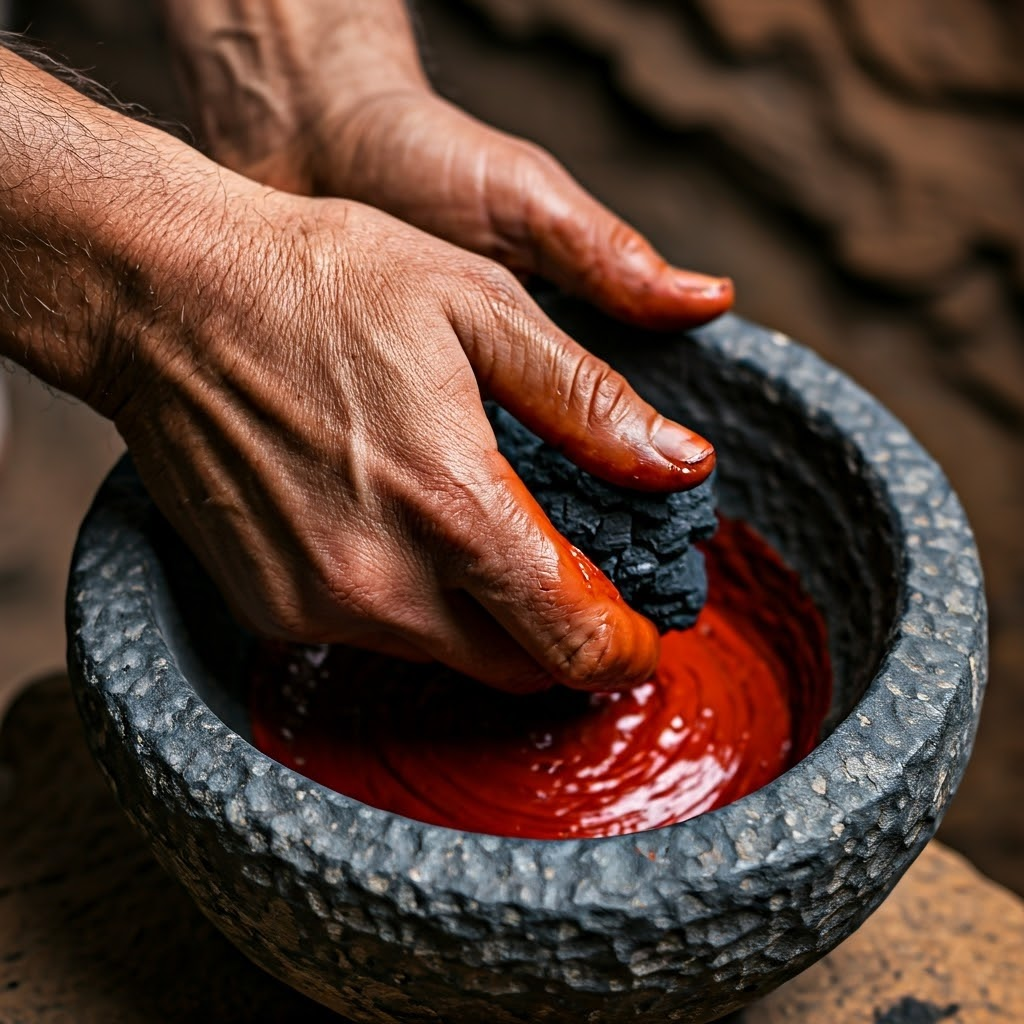
Pigments were hard to gather. People ground minerals, stirred them with fat, then blew color through hollow bones. The process itself became a ritual, linking artists to unseen forces much like lighting candles or sharing stories today.
Comparing images and purposes
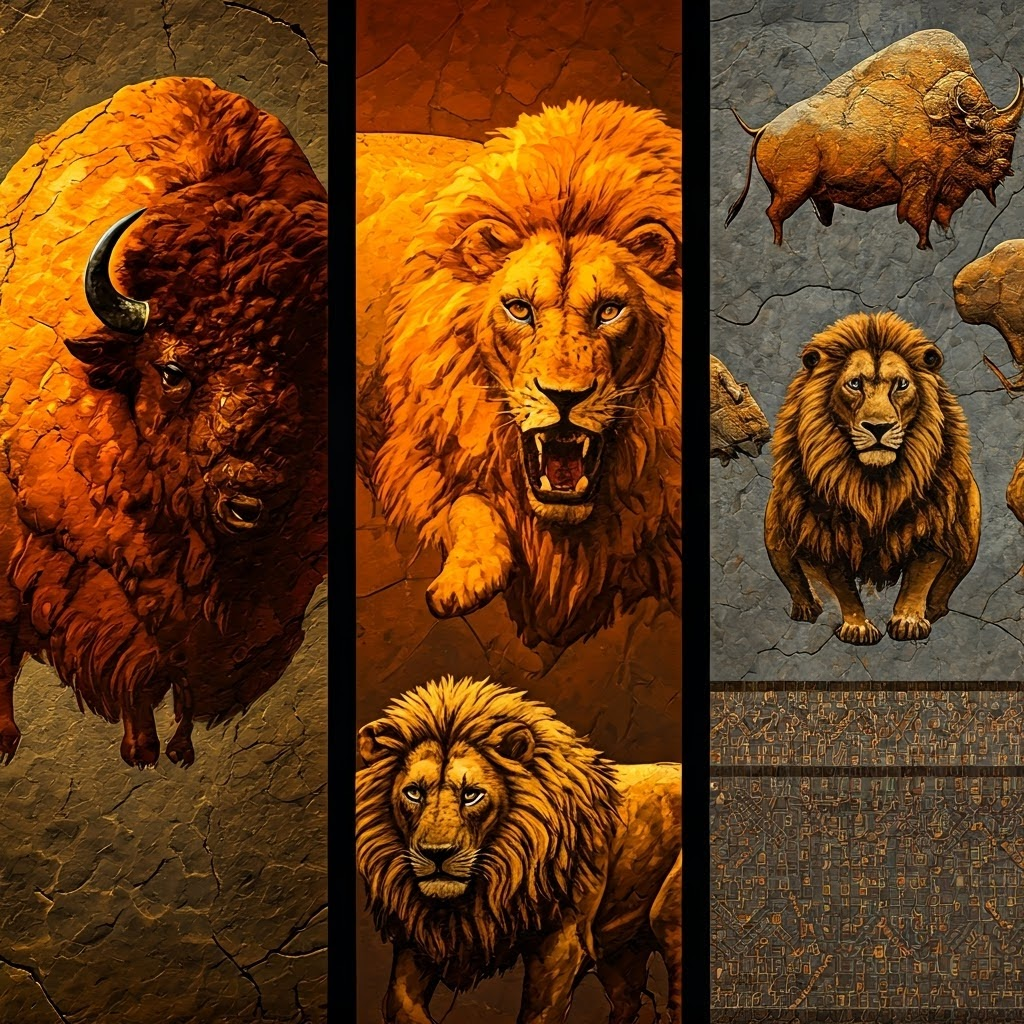
Each cave shows a unique voice. Altamira’s bison float in warm tones, while Chauvet’s lions leap in cool grays. Grids and zigzags may record moons or migrations. The cave wall acted as a ledger, a classroom, and a shrine all at once.
Art as community memory
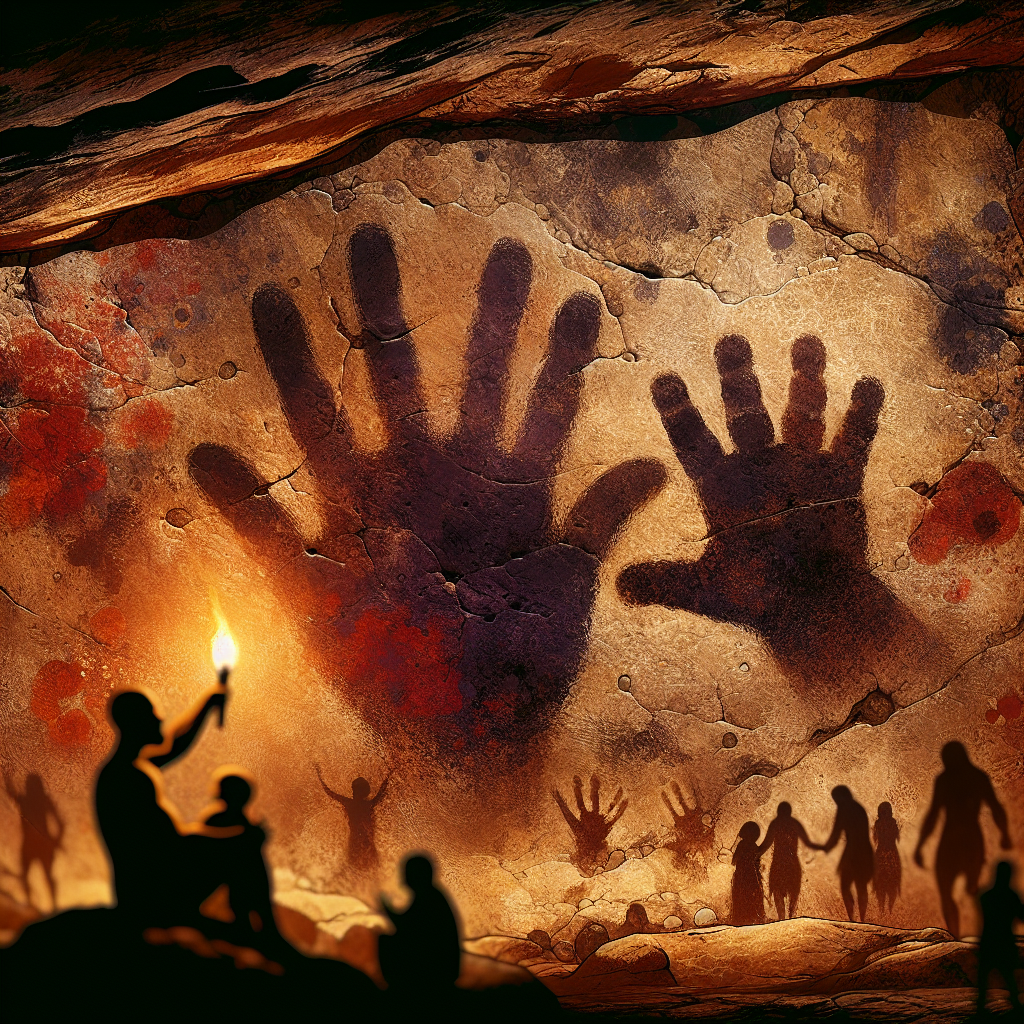
Handprints reveal group participation—men, women, and children left marks side by side. The act forged a bond with place and people, much like friends imprint palms in wet cement to seal a shared moment.
Modern echoes and ancient wisdom

Street murals, team jerseys, and photo albums echo those cave paintings. Art still unites communities, claims spaces, and stores memories. Preparation and storytelling create the same connection that once glowed under torchlight.
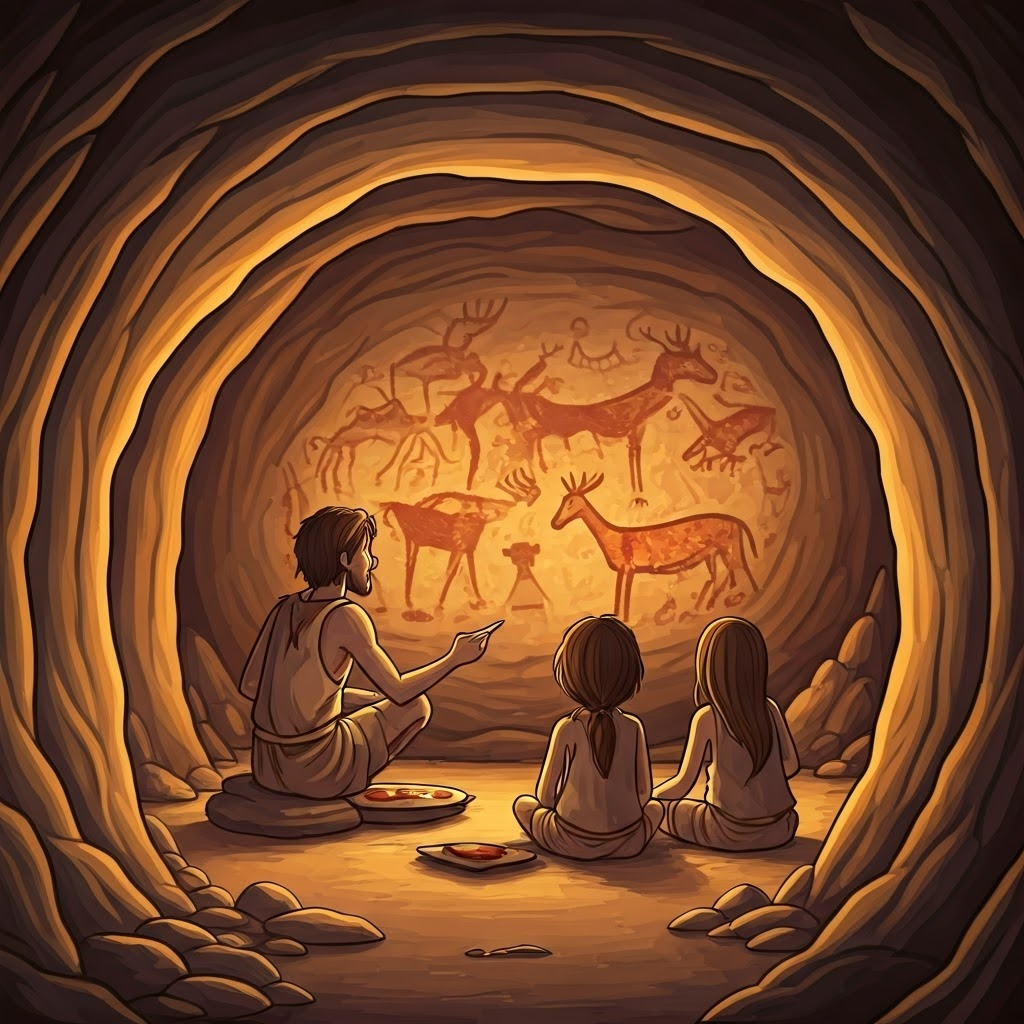
The cave painter was more than an artist—also teacher, storyteller, and ritual guide. Through images, they shaped identity, helping the group remember lessons, dream of success, and understand their world.
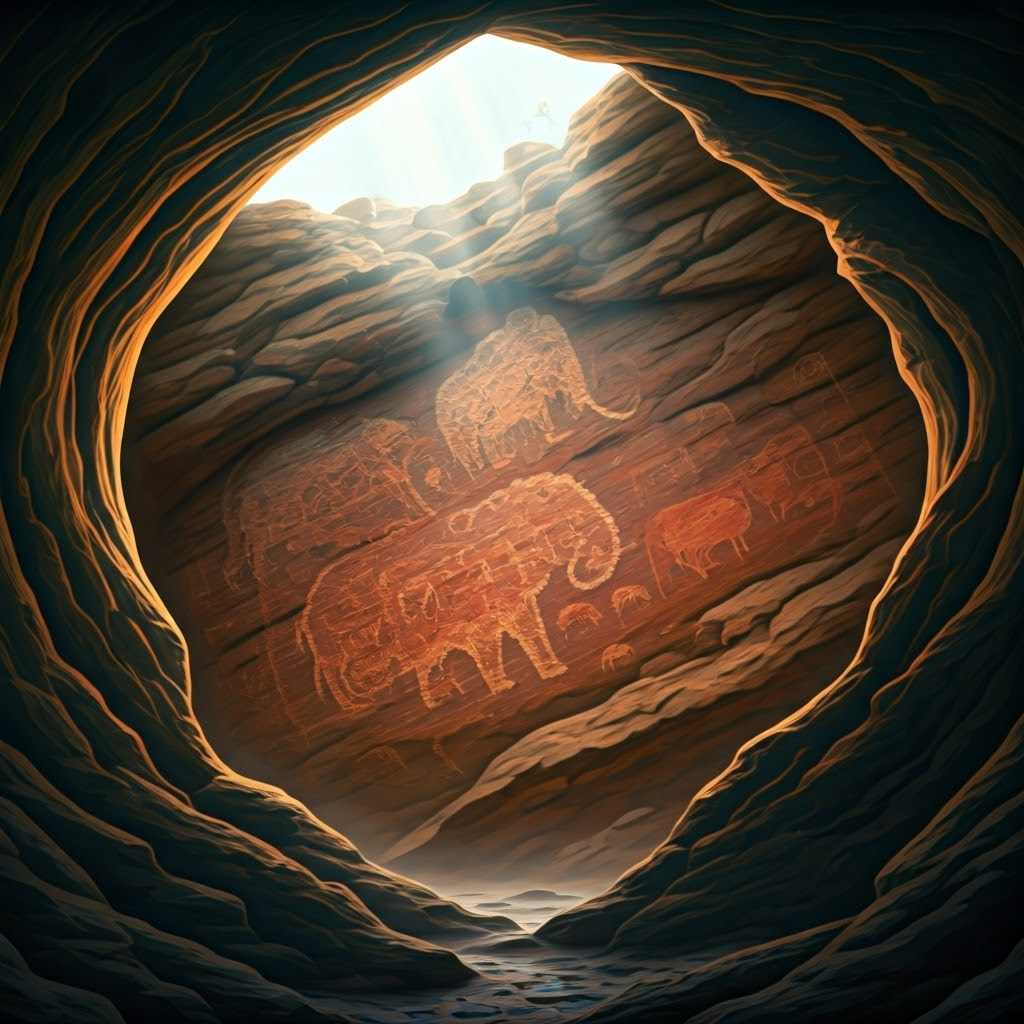
Stone offered permanence. By painting on walls that outlast seasons and lifetimes, early humans secured a legacy. Their quiet voices still reach us, proving that the need to connect, teach, and believe has always been part of being human.
