
How Wind Becomes Power: The Science and the Story

Moving Air, Moving Energy
Wind feels simple: air moves and leaves rustle. In reality, wind forms when the sun heats Earth unevenly. Hot sand warms the air and it rises. Cooler ocean air rushes in to replace it. Rotation and land shapes scale this cycle up into breezes and jet streams.

Moving air carries energy called kinetic energy. Hold your hand out of a car window and you feel that force. Faster wind delivers much more power—double the speed gives eight times the energy—so a strong gust packs a bigger punch than a gentle breeze.
We capture this power by placing a blade in the wind’s path. The air pushes, the blade reacts, and it spins. Old windmills once ground grain this way. Today’s turbines spin generators. The goal is to harvest the most energy without stopping the flow.
Bernoulli’s Principle: The Secret Sauce
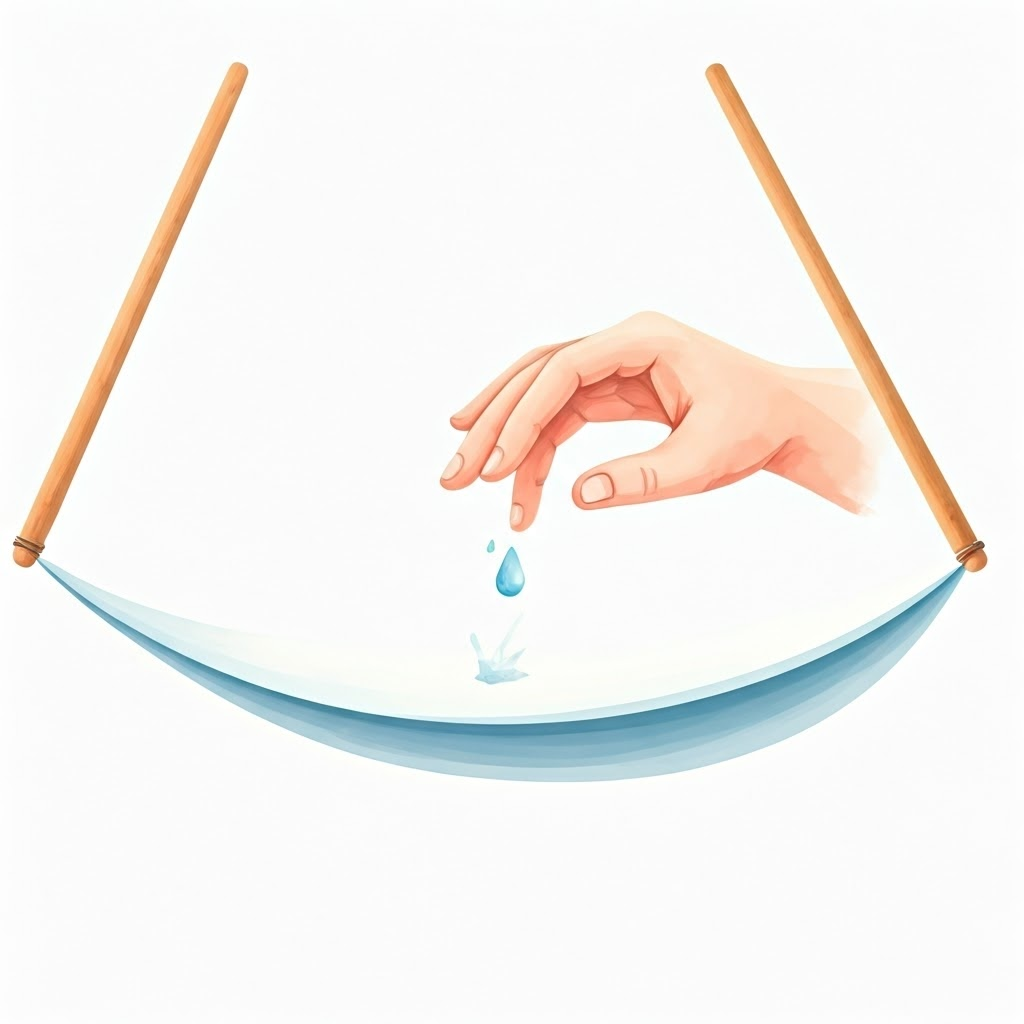
Bernoulli’s principle shows that faster air over a curved surface drops the pressure above it. Blow across a bent paper strip and it rises. The pressure difference creates lift and turns a simple breath into motion.
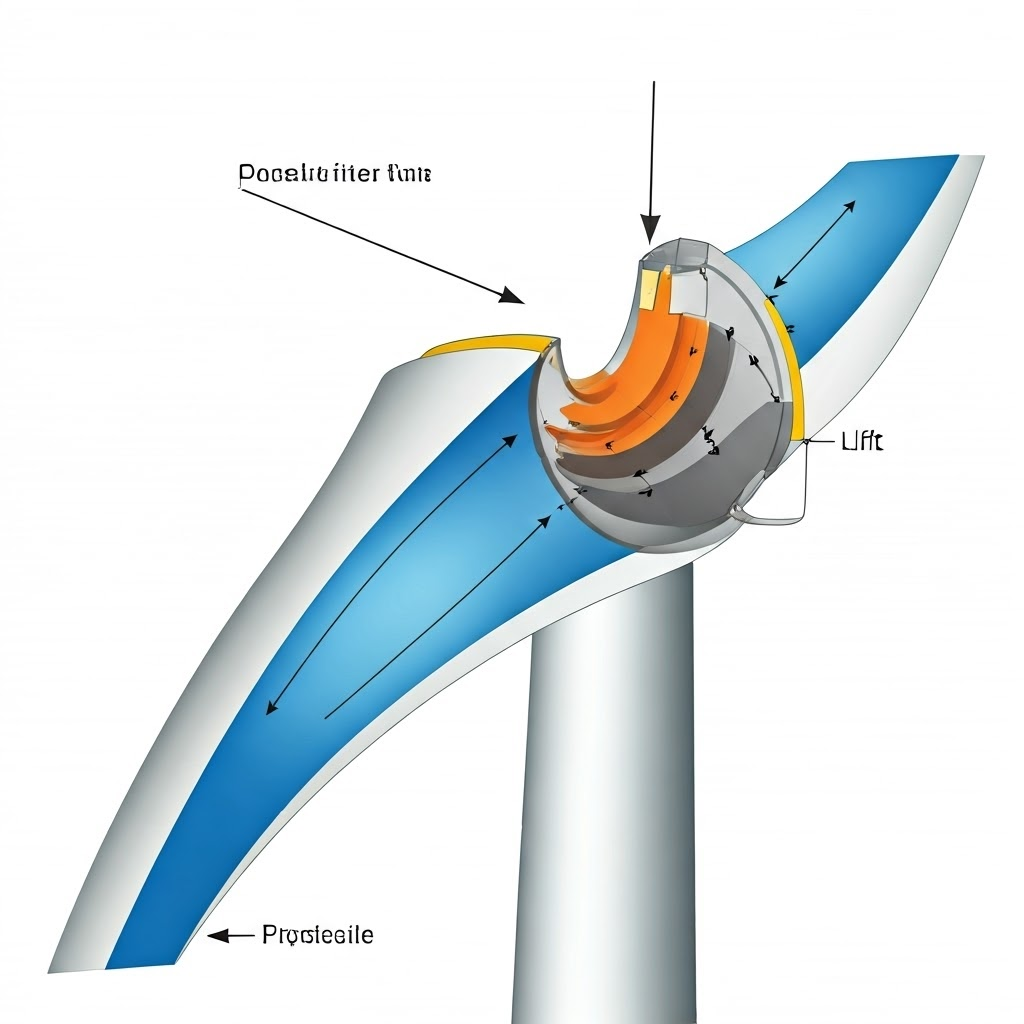
Turbine blades mimic airplane wings. Wind travels faster over the curved top than the flat bottom. Lower pressure above and higher pressure below pull the blade forward, creating lift that spins the rotor.
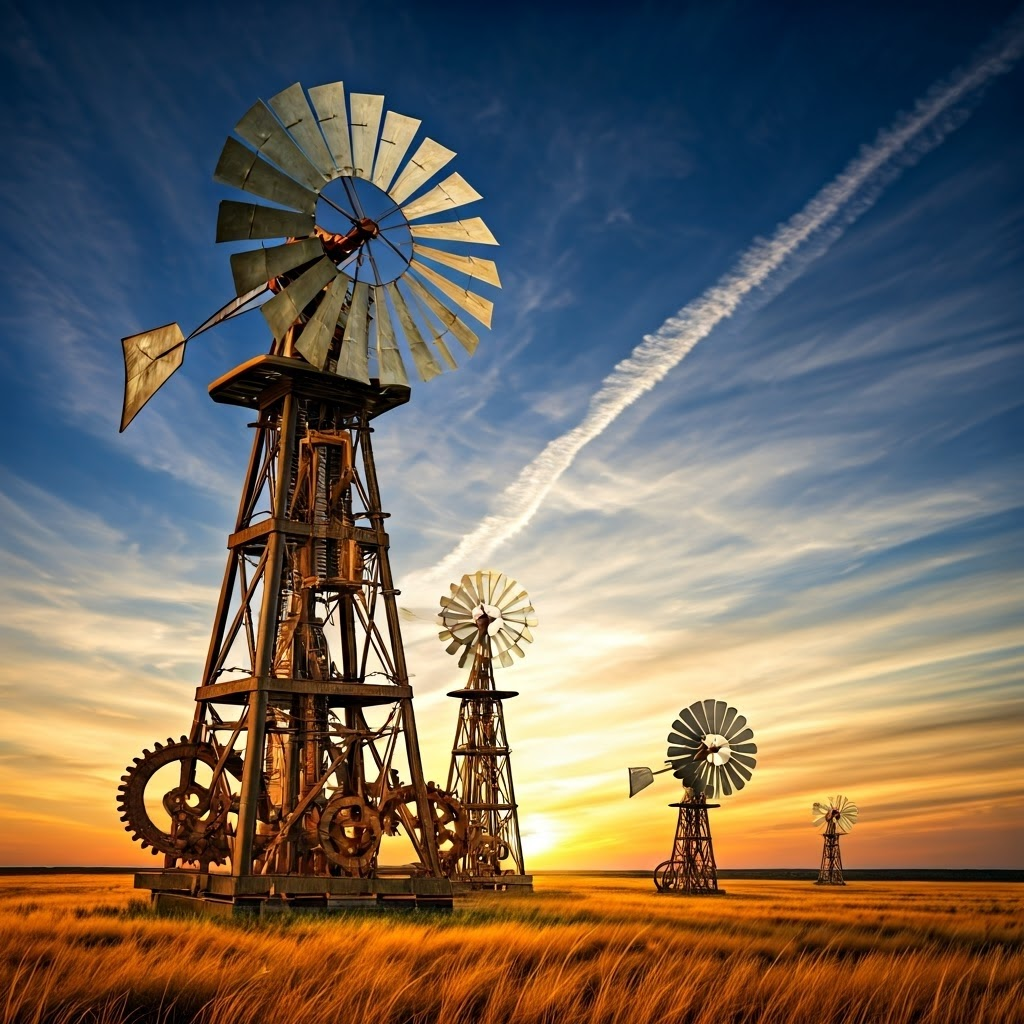
Lift beats simple drag. Early drag-based windmills were heavy and slow. Switching to lift-based blades made turbines lighter, faster, and far more efficient—a turning point for modern wind power.
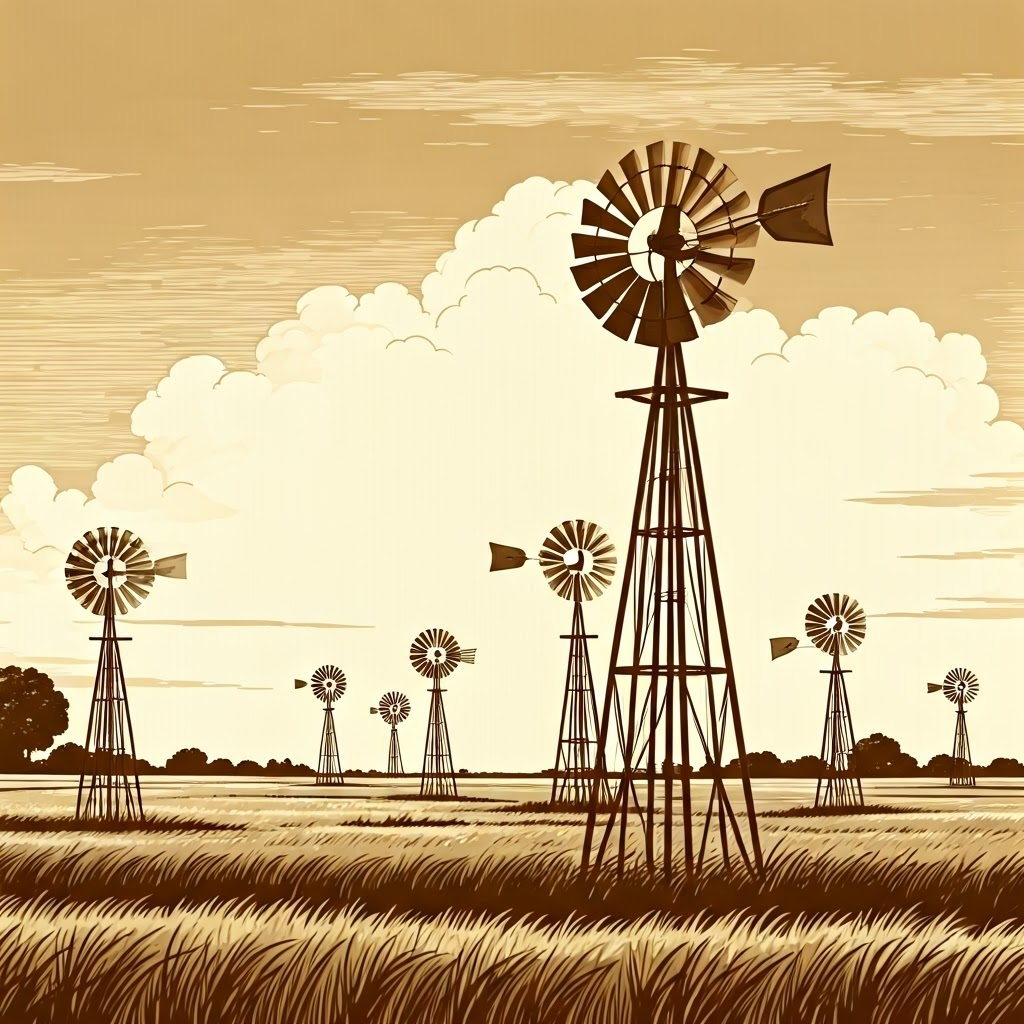
From Pinwheels to Powerhouses: Turbine Design
Old pinwheel-style turbines used many blades and spun slowly. They pumped water well but produced little electricity. Such designs show how capturing some energy is easy while capturing a lot is harder.
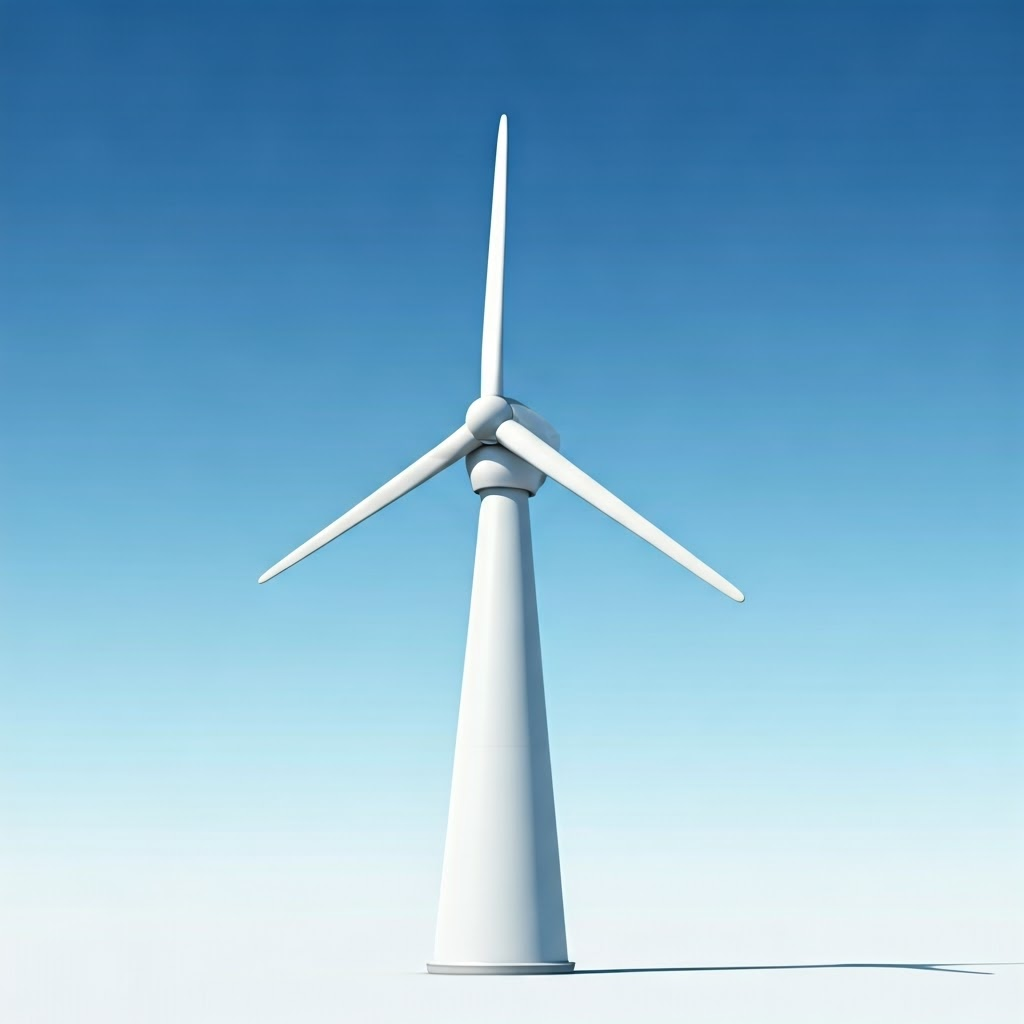
Three blades strike a balance. Too many slow the rotor; too few make it shaky. Three keep the rotor steady, quiet, and at the right speed for the generator. This sweet spot makes modern turbines both durable and productive.
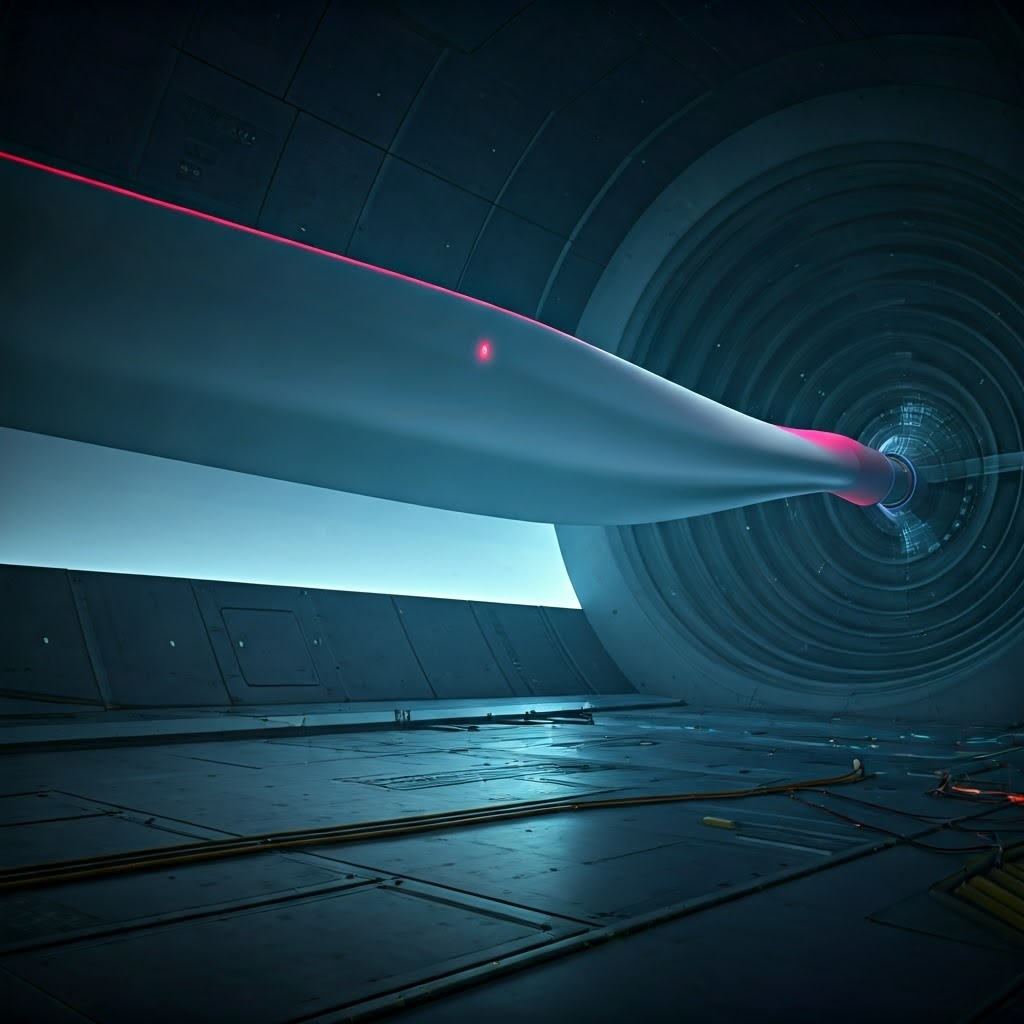
Engineers shape blades for maximum lift and minimal drag. Lightweight composites like fiberglass or carbon fiber let them start turning in light breezes yet survive storms. Gearboxes and generators then convert the slow blade rotation into grid-ready electricity.
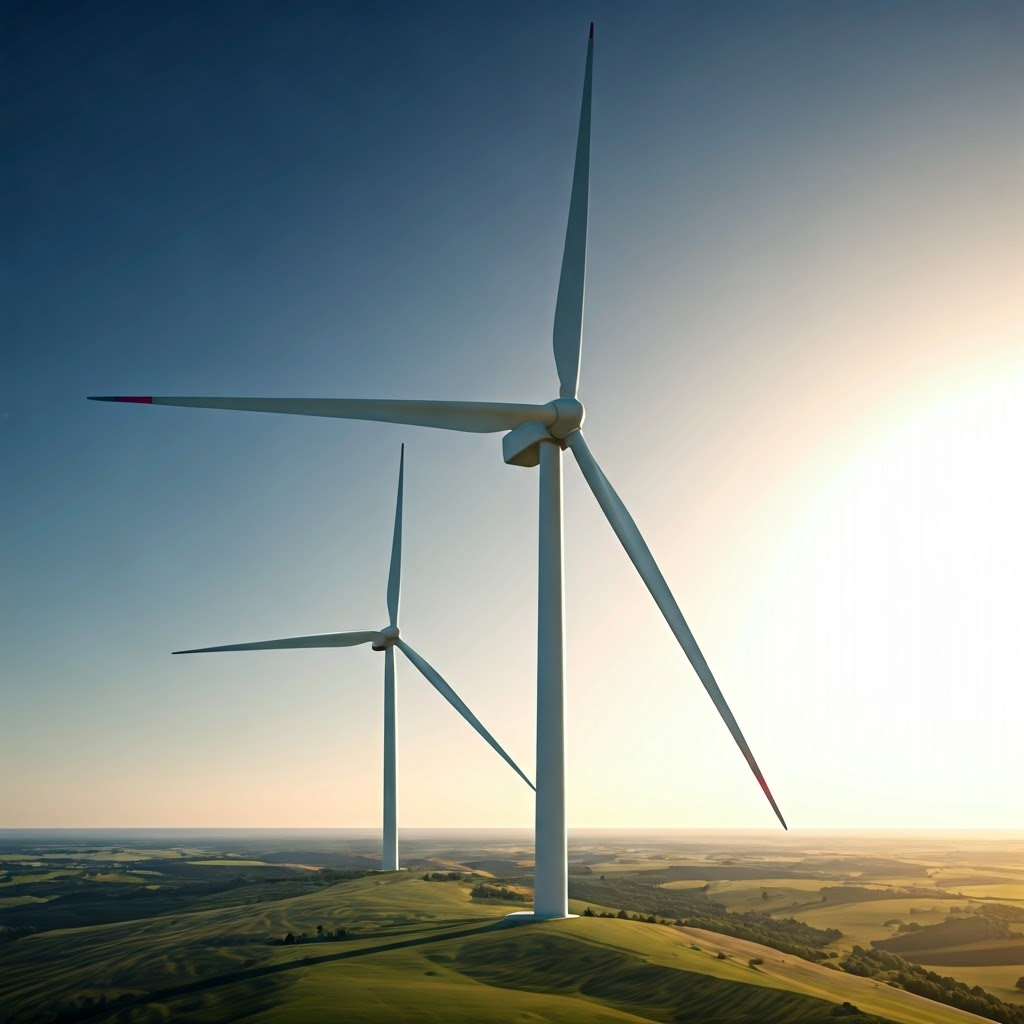
Today’s largest turbines have blades over 100 meters long and can power thousands of homes. Despite their scale, the core idea—capture moving air with clever shapes—remains unchanged from early pinwheels.
Comparing Wind and Other Energy Sources
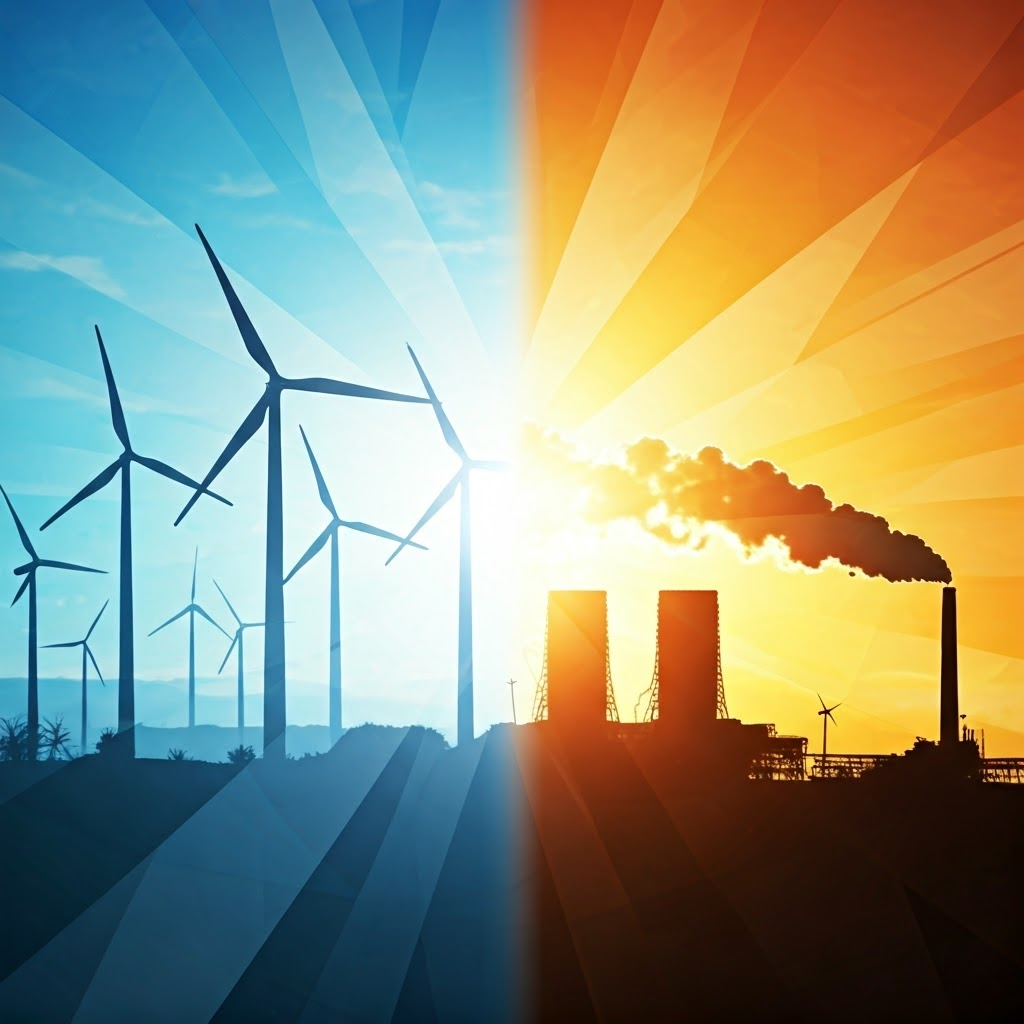
Wind turbines need no fuel and emit no pollution. They tap the free kinetic energy swirling around us, even offshore where winds stay steady. Yet wind is variable, so siting and grid planning matter to keep energy supplies reliable.
The Takeaway
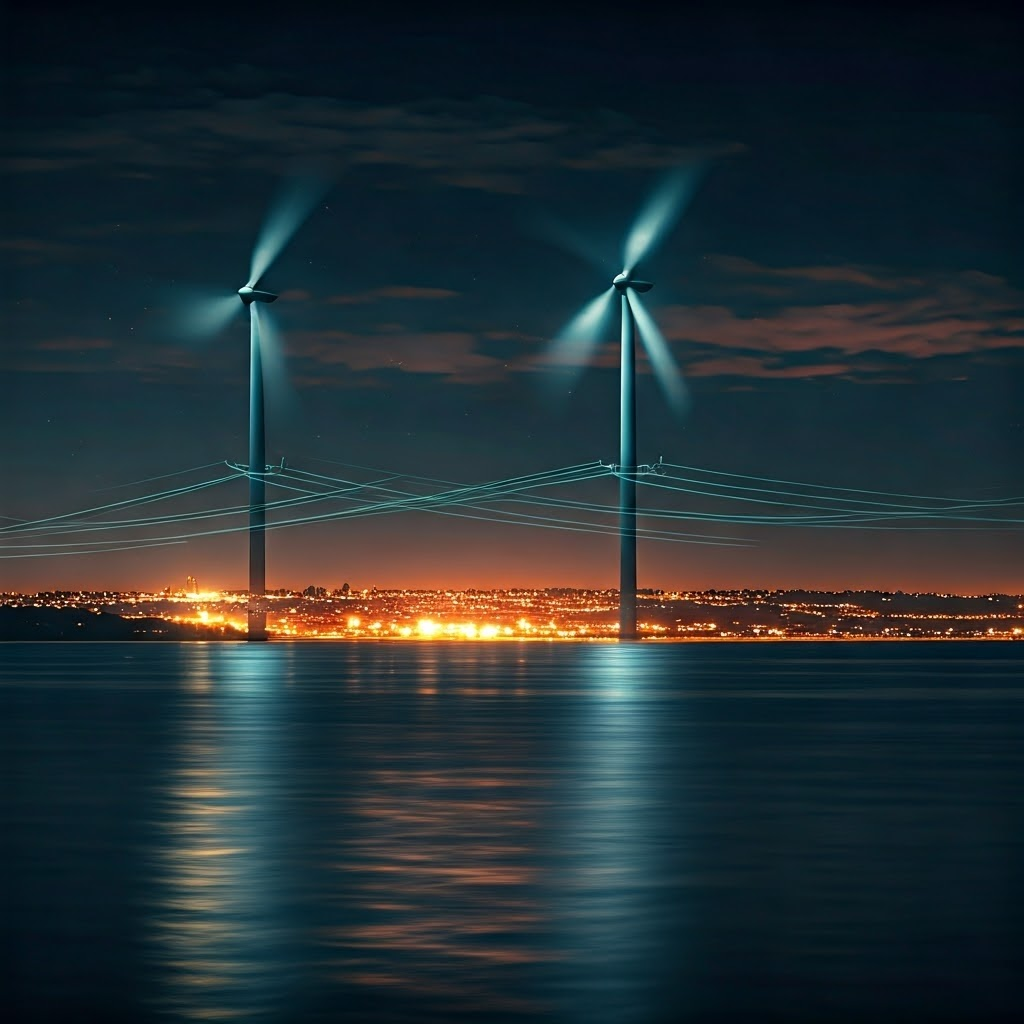
Each spinning blade blends science, engineering, and a dash of inspiration. By turning a natural breeze into electricity, wind turbines show how simple forces—guided by smart design—can light up cities one gust at a time.
