
Who Ruled, Who Worked, Who Prayed: The Three Orders and the Shape of Feudal Life
The Three Orders: A Simple Map of Society
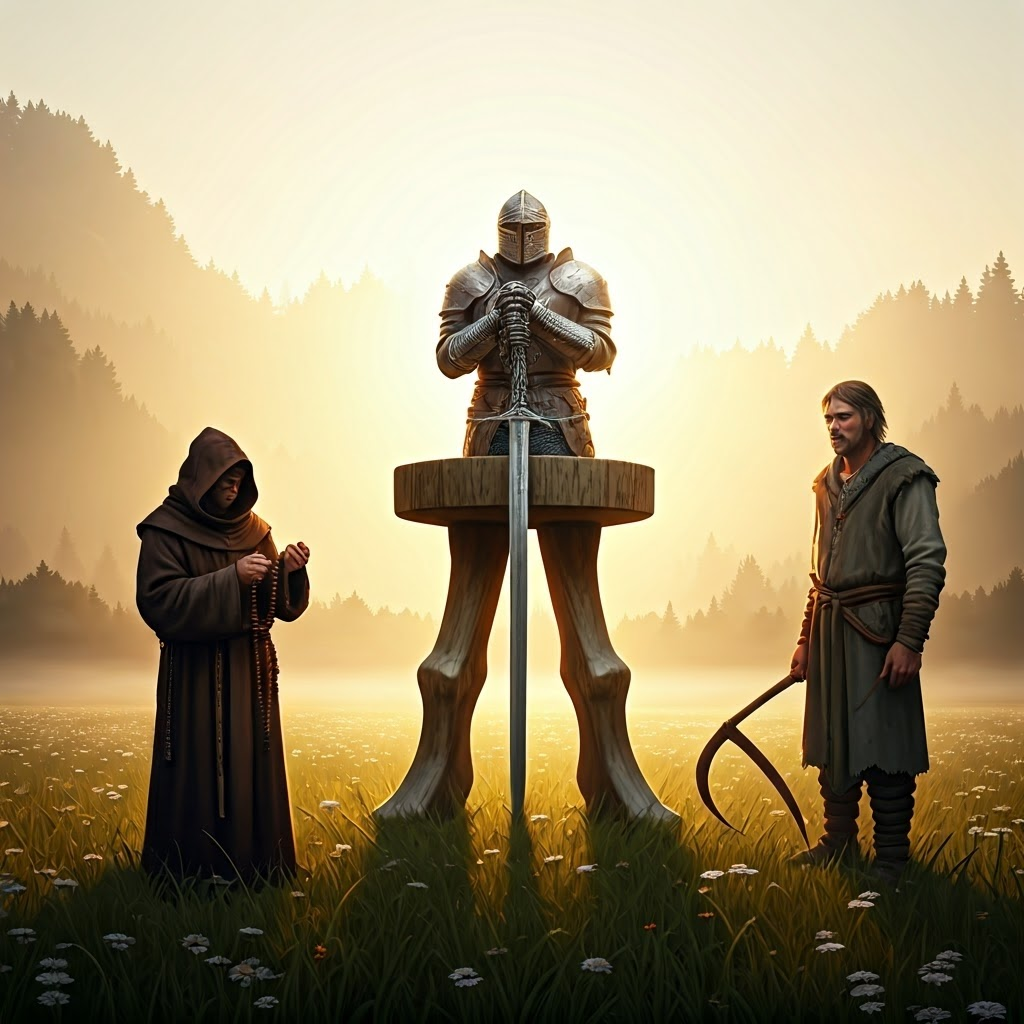 The most familiar map of medieval life shows three clear roles—those who pray, those who fight, and those who work. This model shaped how people in 11th-century England and France understood their place. Historian Georges Duby called it a dream of order.
Imagine society as a sturdy stool with three legs. The clergy, the nobility, and the peasantry each held one leg. If one failed, the structure shook.
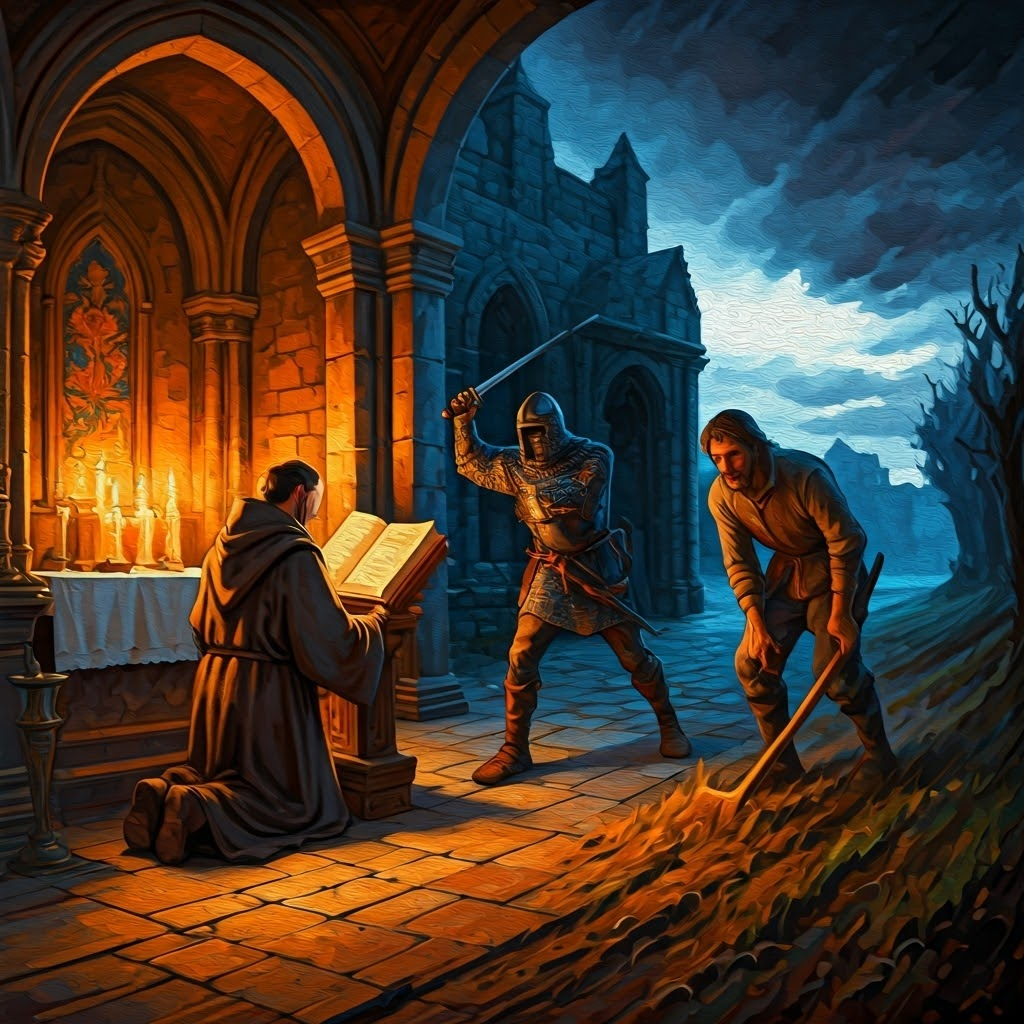 In theory the clergy kept souls safe, the nobles kept swords ready, and the peasants kept fields fertile. Birth fixed most people to one role. As Marc Bloch noted, each group lived a complete way of life, not just a social rank.
Peasants—nine of every ten people—battled the soil to feed everyone, while monks prayed and knights drilled from childhood.
Manors, Money, and the Work of the Land
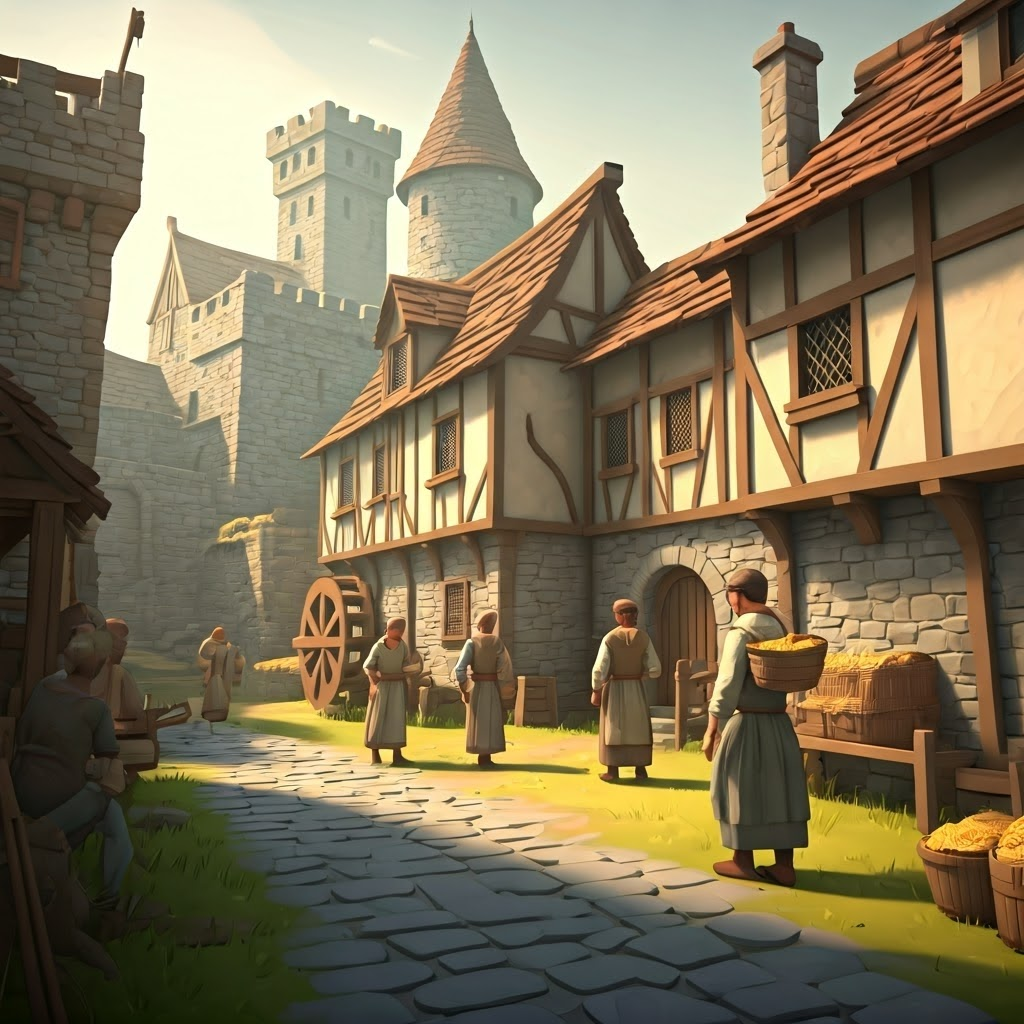 Walk through 11th-century countryside and you meet the manor—a small economic universe. A lord claimed the harvest, kept part as the demesne, and let peasants farm scattered strips. The big house, barns, and perhaps a palisade marked his authority.
The lord often traveled or politicked yet collected rents without fail. Peasants arrived with eggs, grain, or a live chicken as payment.
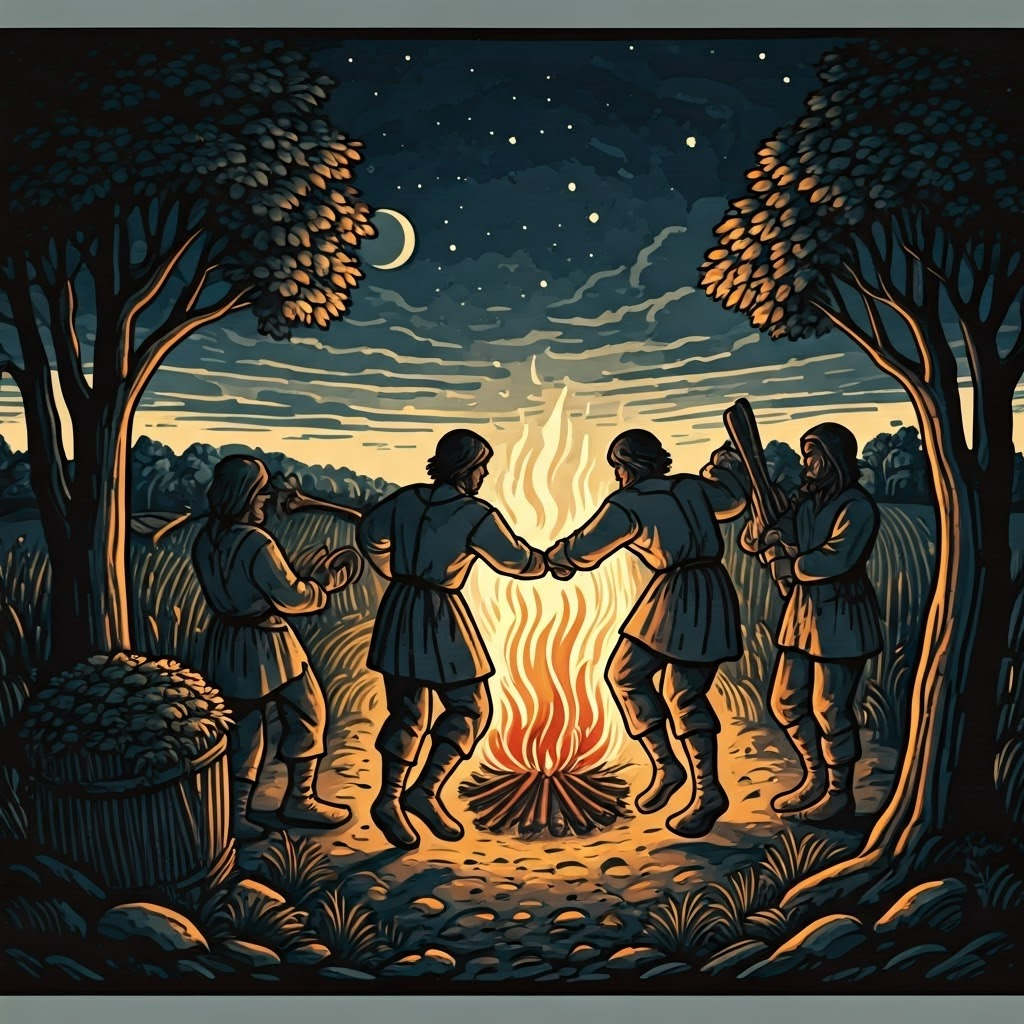
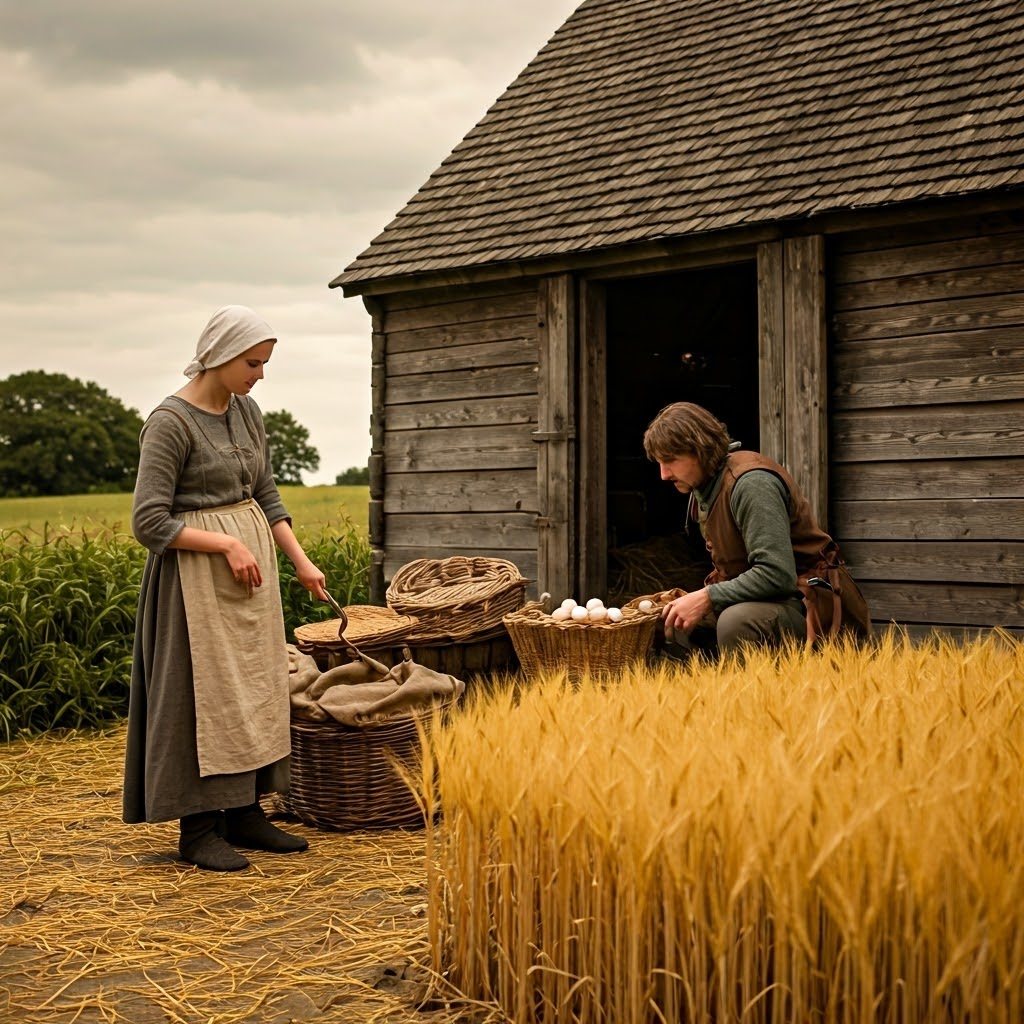 Coin was scarce, so people traded produce, pigs, or honey. Labor dues—called corvée—added several days each year. In return the manor promised protection and rough justice. The tie was mutual yet uneven, like a seesaw where the heavier partner chose the rhythm.
Serfs, Slaves, and the Meaning of Freedom
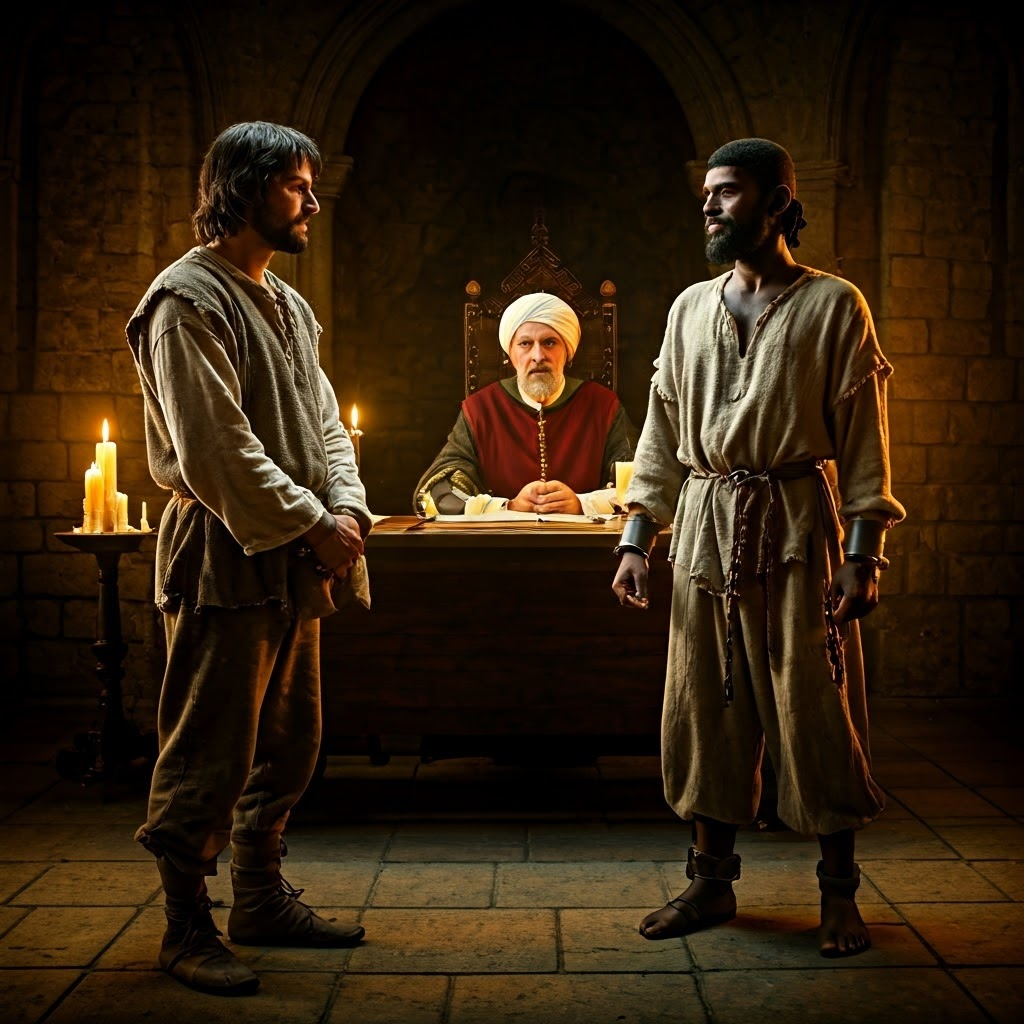 Many students ask whether a serf was simply a slave. Not exactly. A serf could not be sold apart from the land and held limited customary rights, yet he remained bound to the soil. Bloch called this a grey zone between freedom and slavery.
 Picture two men. Jean the serf owns a small plot and stays with his family even if the estate changes hands. Malik the slave owns nothing and can be moved or married off by command. Some serfs bought freedom or escaped to towns where, after a year and a day, the law called them free.
The Church’s Shadow and the Long Life of Feudalism
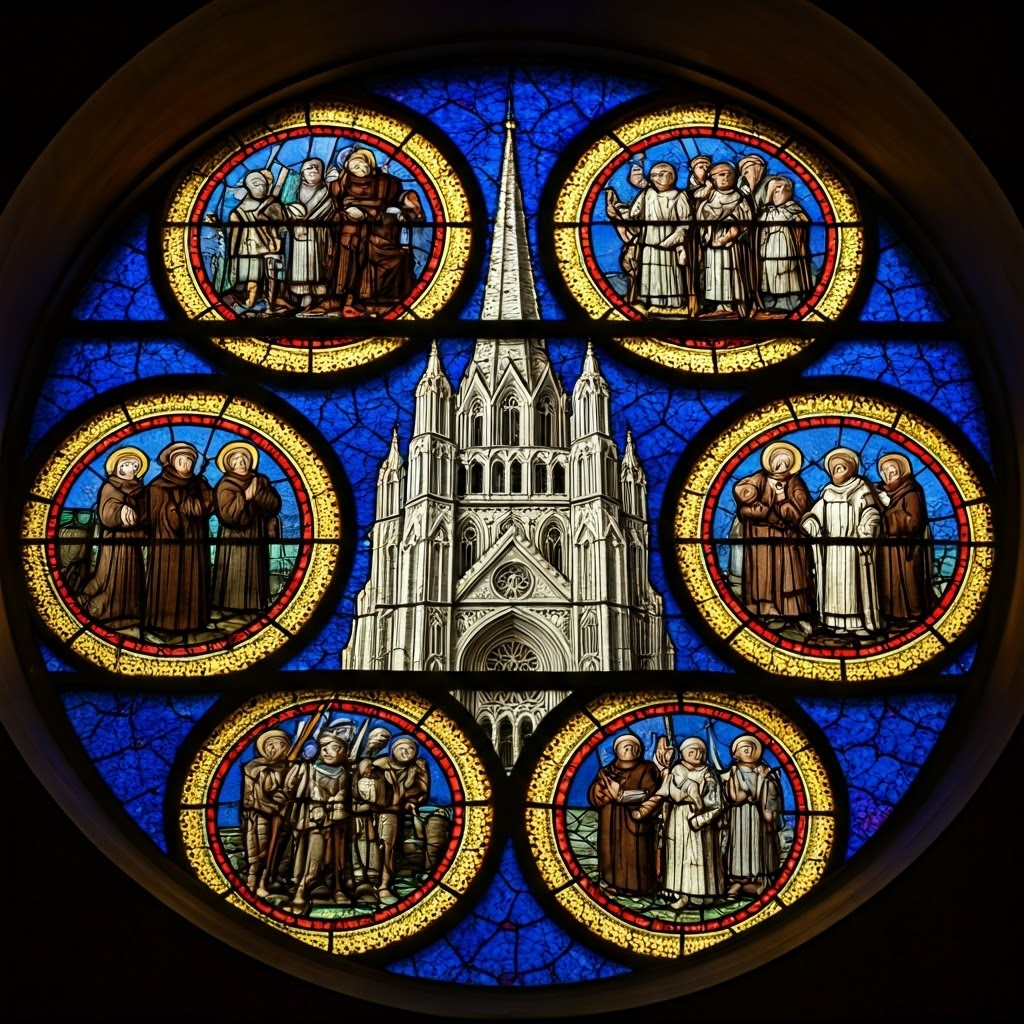 The Church tied all pieces together. Monasteries leased land, priests kept records, and sermons explained why God favored the three-order plan. The liturgical calendar, packed with saints and fasts, guided work as surely as the seasons.
Feudalism lasted because it met basic needs—security, food, and social direction. Though unjust and often contested, it offered a map for a dangerous world. Its echoes linger today in our ideas about duty, hierarchy, and faith in larger systems.
