
Marks on Stone, Stories in the Dark
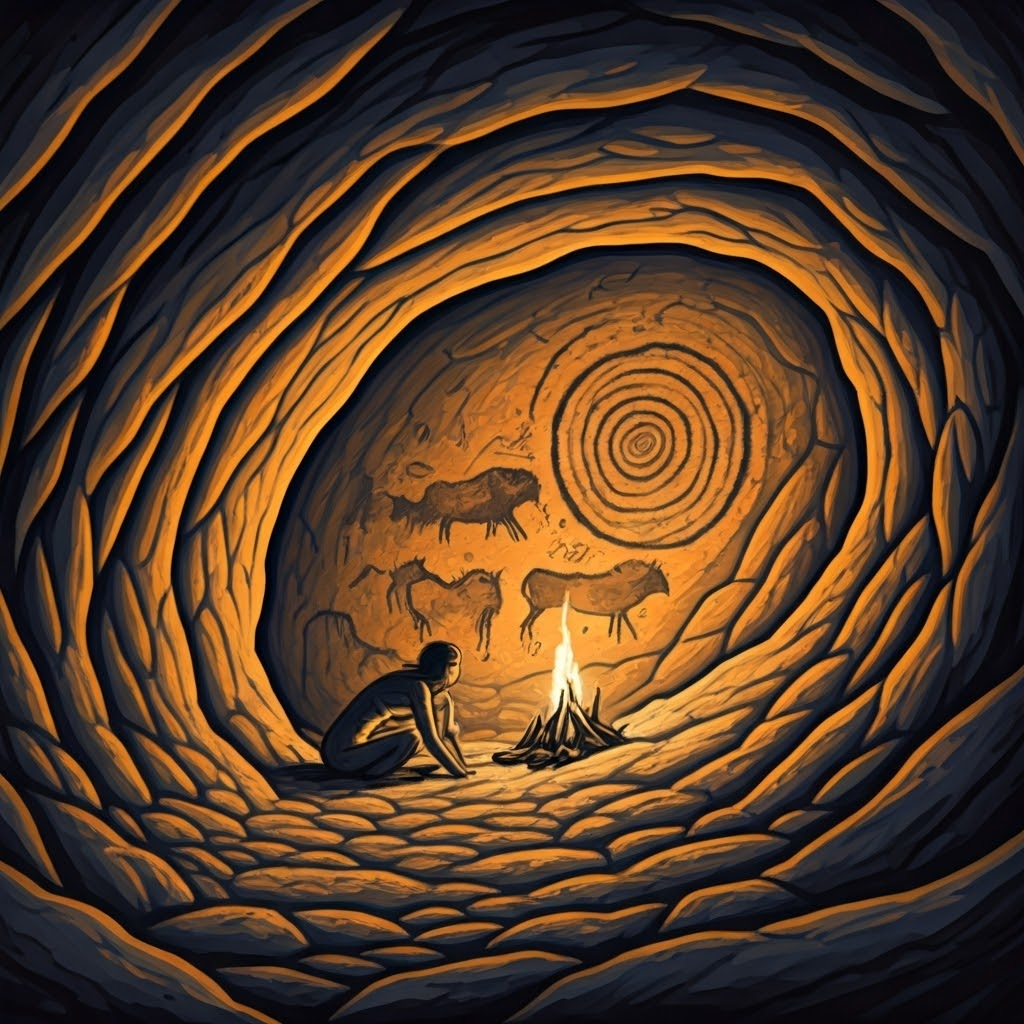
Picture yourself deep in a cool cave. A single flame flickers, and painted bison and horses glow on the damp rock. Handprints swirl above you. These strokes are more than decoration—they reveal the earliest identity of our species.
Why Paint on Walls?
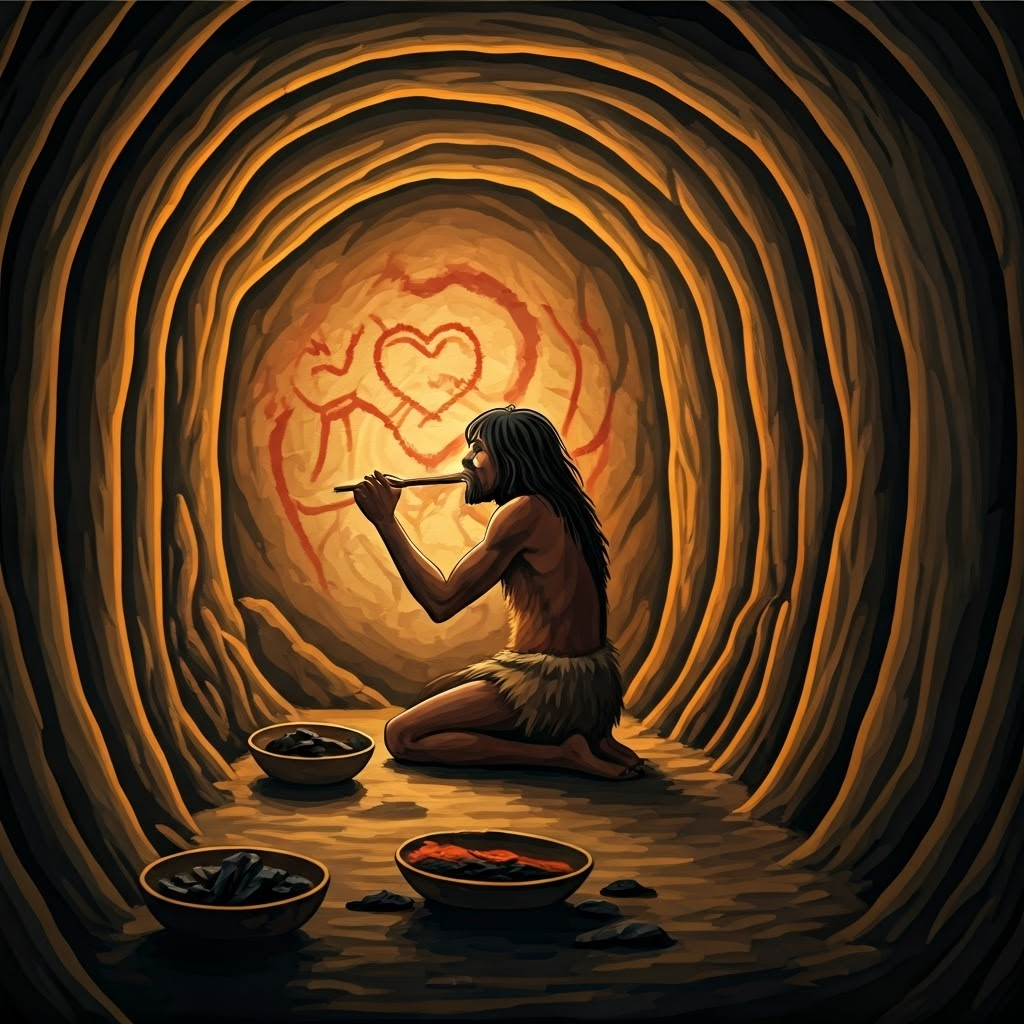
Cave art was never just pretty pictures. It let ancestors communicate, remember, and perhaps ask unseen powers for help. When you draw a heart today, you share a feeling without words. Those first artists did the same, leaving images that still speak after 30,000 years.
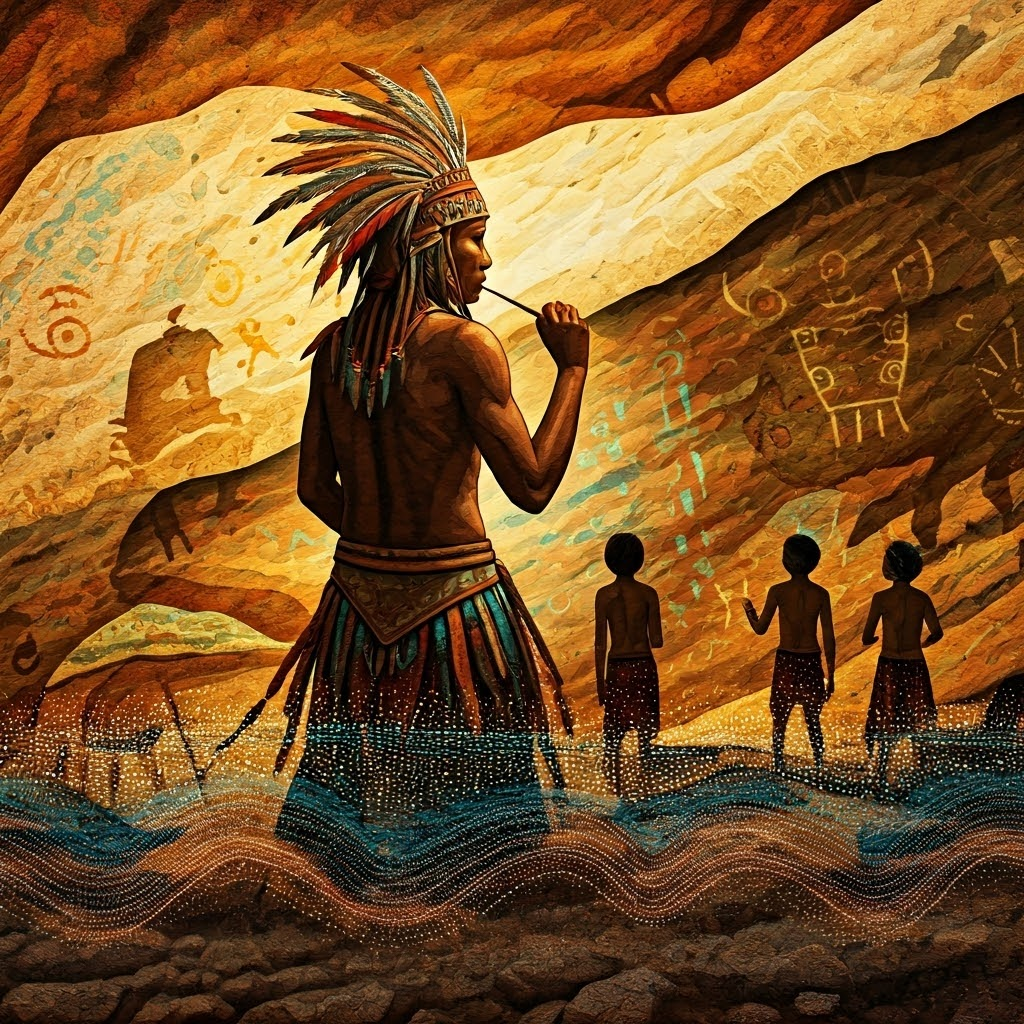
Why choose walls? Ideas range from ritual magic to teaching kids about dangerous beasts. Some marks might simply say, “I was here.” That urge to leave a personal trace links you to people who once painted in the dark.
Why Paint on Walls?
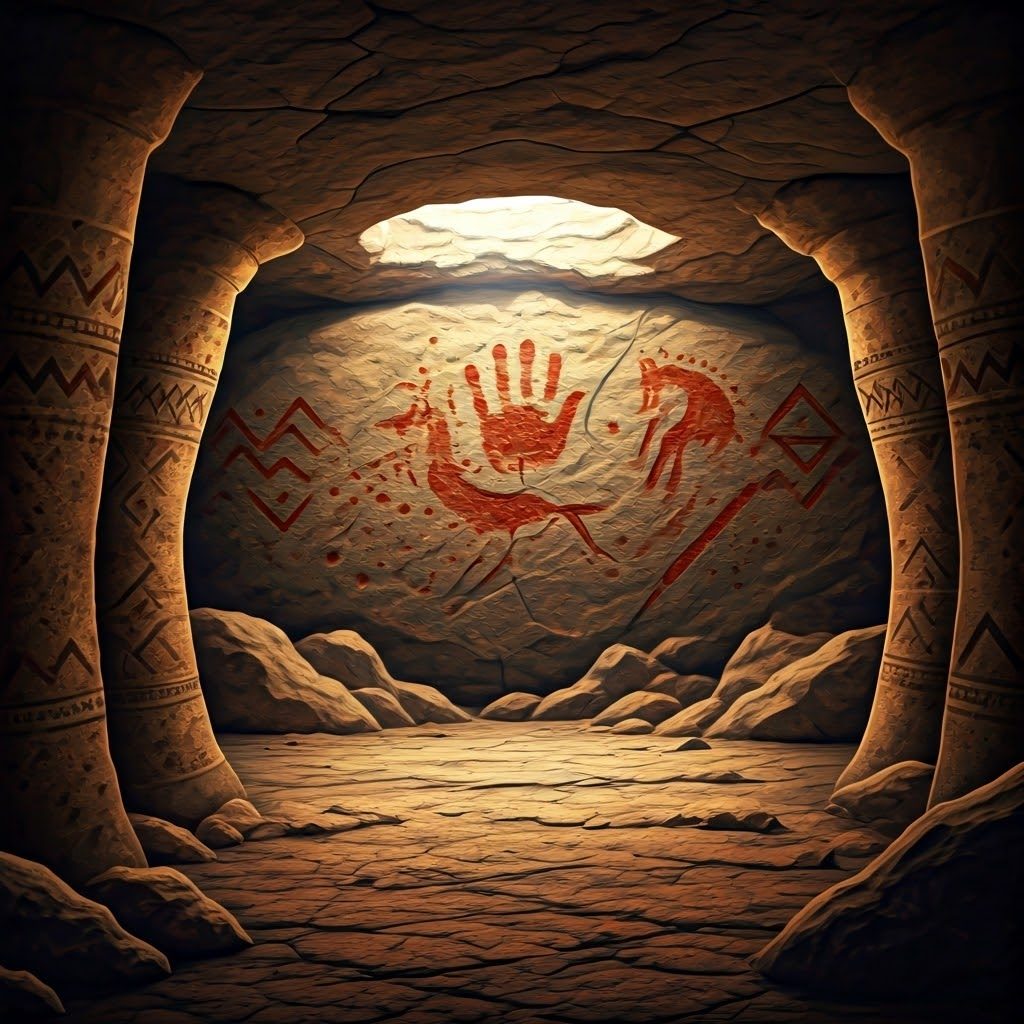
Studying cave symbols feels like cracking a secret code. Hand stencils, quick animal sketches, zigzags, and dot grids repeat across sites. Like modern emojis, some shapes appear everywhere, hinting at shared ideas. A single zigzag might mean water, danger, or movement—context was everything.
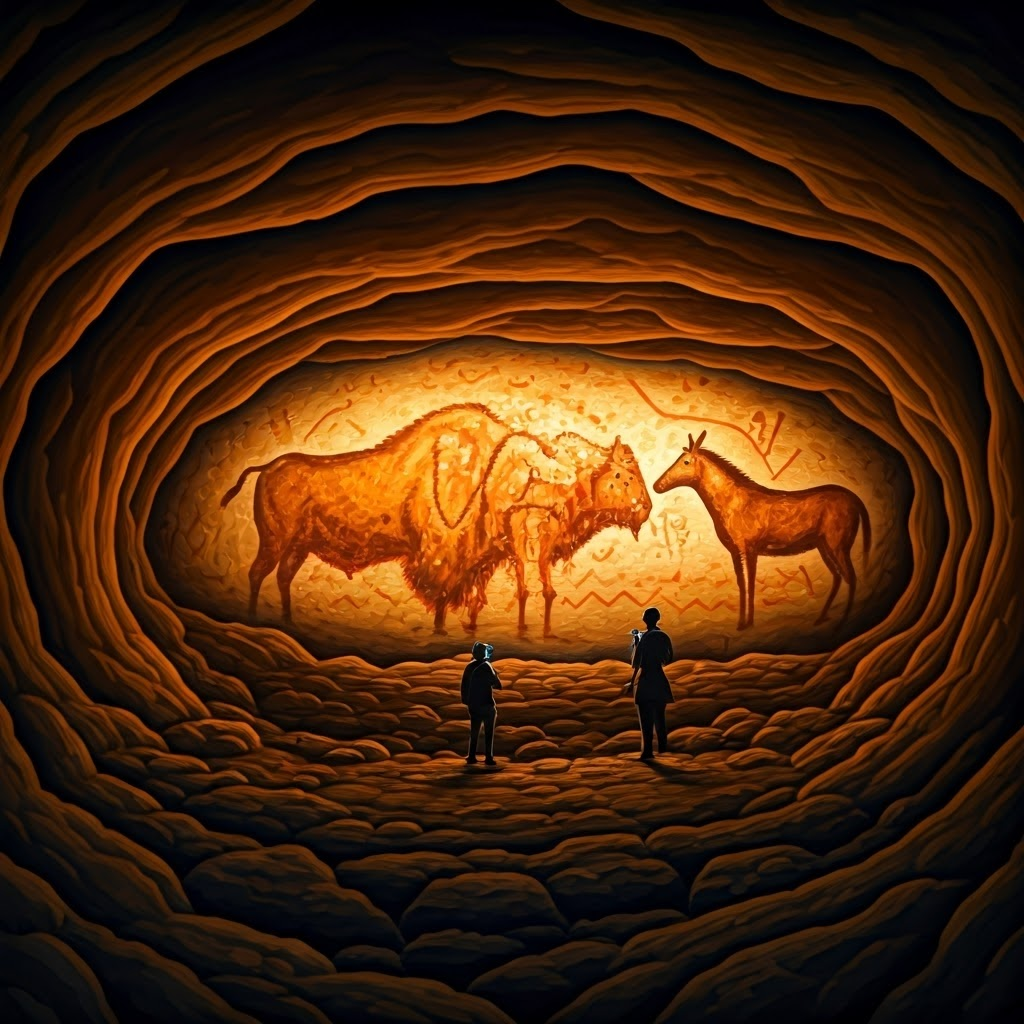
Big animals dominate these walls. Some think they held spiritual power; others see a hunting guide. Half-human figures may show shamans or heroes. Comparing patterns with modern Indigenous art and using new light tech helps decode layers, yet many meanings remain mysteries.
Why Paint on Walls?
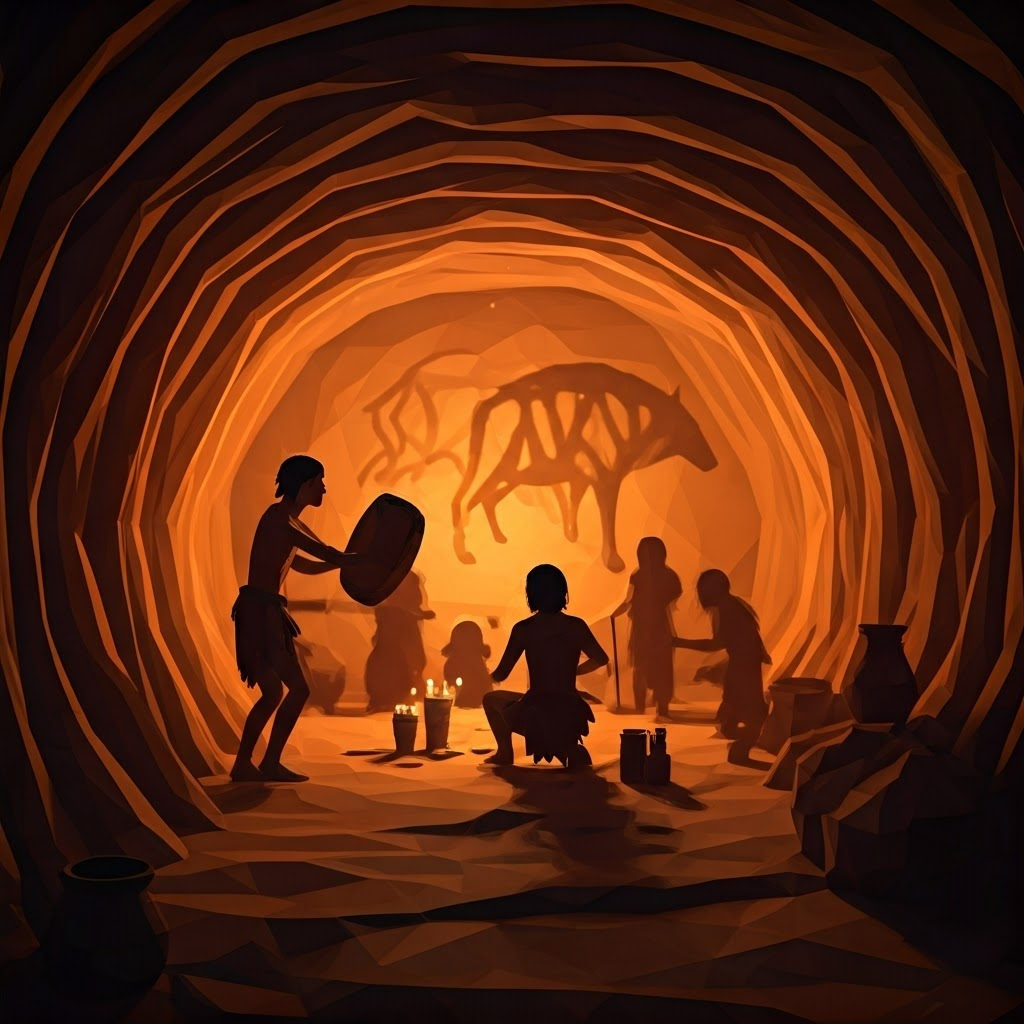
Picture a rhythmic drumbeat echoing in darkness. Shadows dance while someone adds a fresh animal to the wall. The act could bless tomorrow’s hunt, mark adulthood, or simply retell a thrilling story. Creating together built community.

Art and ritual intertwined. “Sympathetic magic” suggests painting a bison could help catch one. Footprints and small handprints reveal children joined in, learning and belonging. Making art anchored collective memory.
Some masterpieces hide far underground, seen only during special gatherings. Today’s researchers preserve them with gentle light and 3D scans, even building replicas like Lascaux II. Each new tool uncovers fresh clues about ancient techniques—from finger smears to pigment sprays.
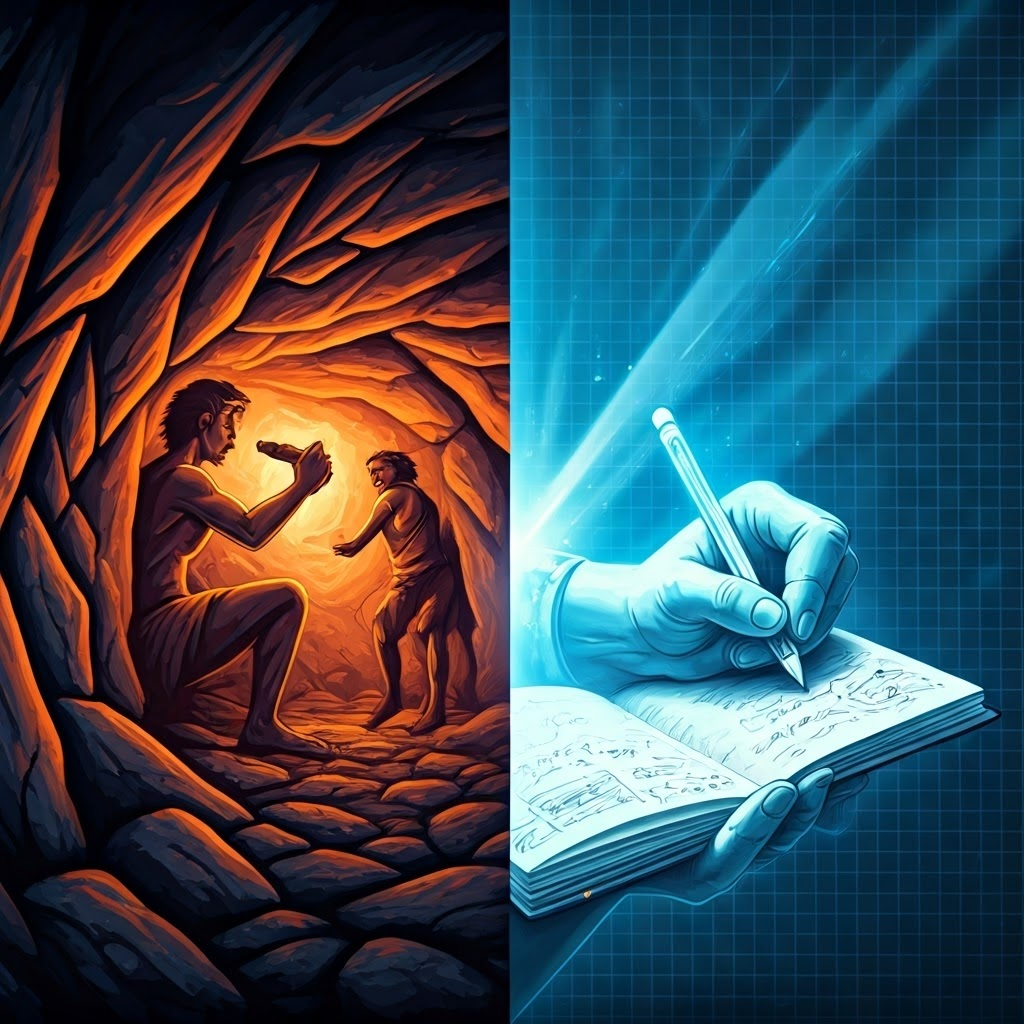
These marks form a single, human story. Whether on rock or notebook paper, we all seek identity, memory, and connection. A cave painting whispers across millennia: I saw, I felt, I remembered, and I left a mark.
