
When Paint Started Breathing: The Spark of Realism
Picture an old church in Italy, early 1300s. Inside, the walls glow with storybook-like paintings—flat halos, stiff faces, gold everywhere. They do not feel real. You enter the Arena Chapel in Padua and see Giotto’s frescoes. Everything changes. Giotto’s breakthrough feels immediate.
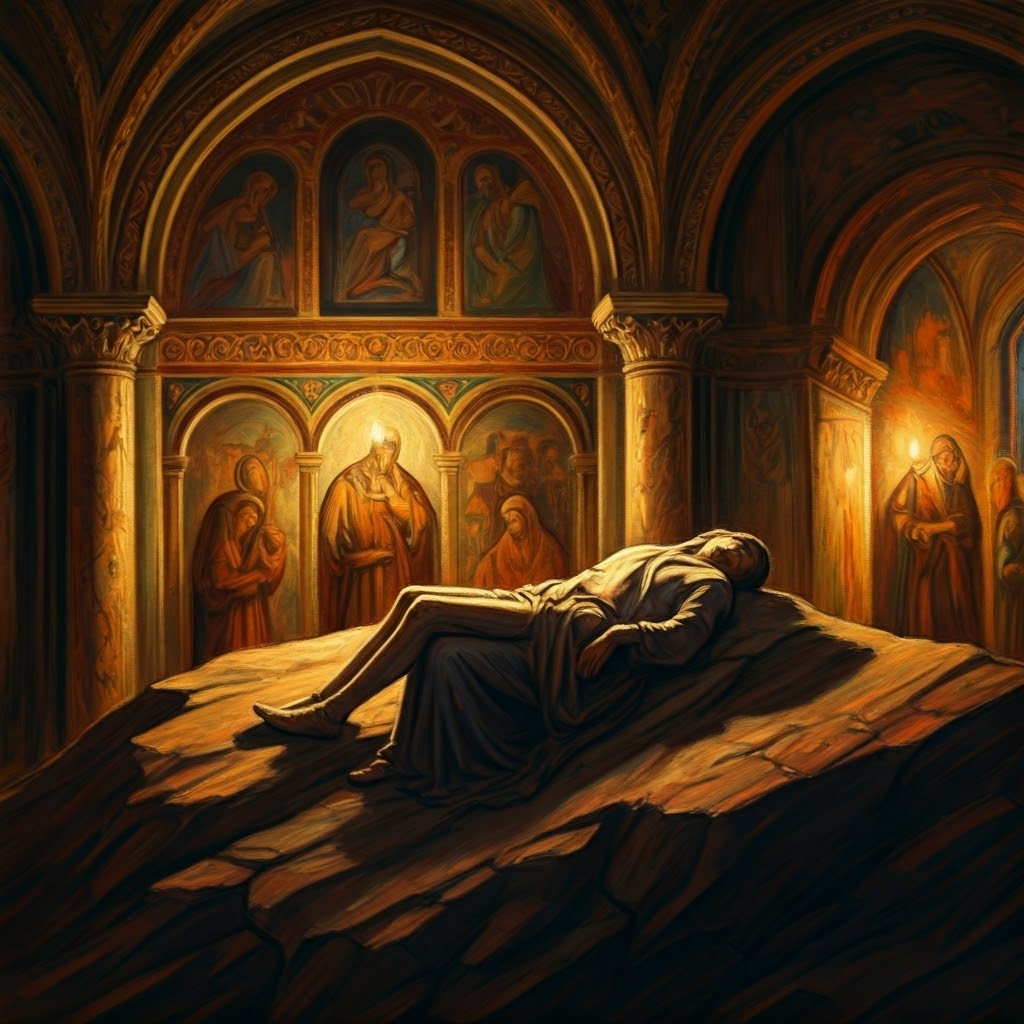
The figures react to events. A mother cradles her dead son and you sense her grief. People gather, turn toward each other, and even face you as if you might step into the scene.
Giotto and the First Steps Toward Realism
Before Giotto, most artists followed strict formulas. Holy figures floated on gold backgrounds with identical halos. These images worked as symbols, not moments. Giotto broke the mold with bold light-and-shadow modeling.
He hinted at real spaces—walls, roofs, open sky. Draped robes hung naturally. In the “Lamentation,” a rocky slope leads your eye to the mourners, pulling you into the scene. Vasari later wrote that Giotto “made painting come alive again.”
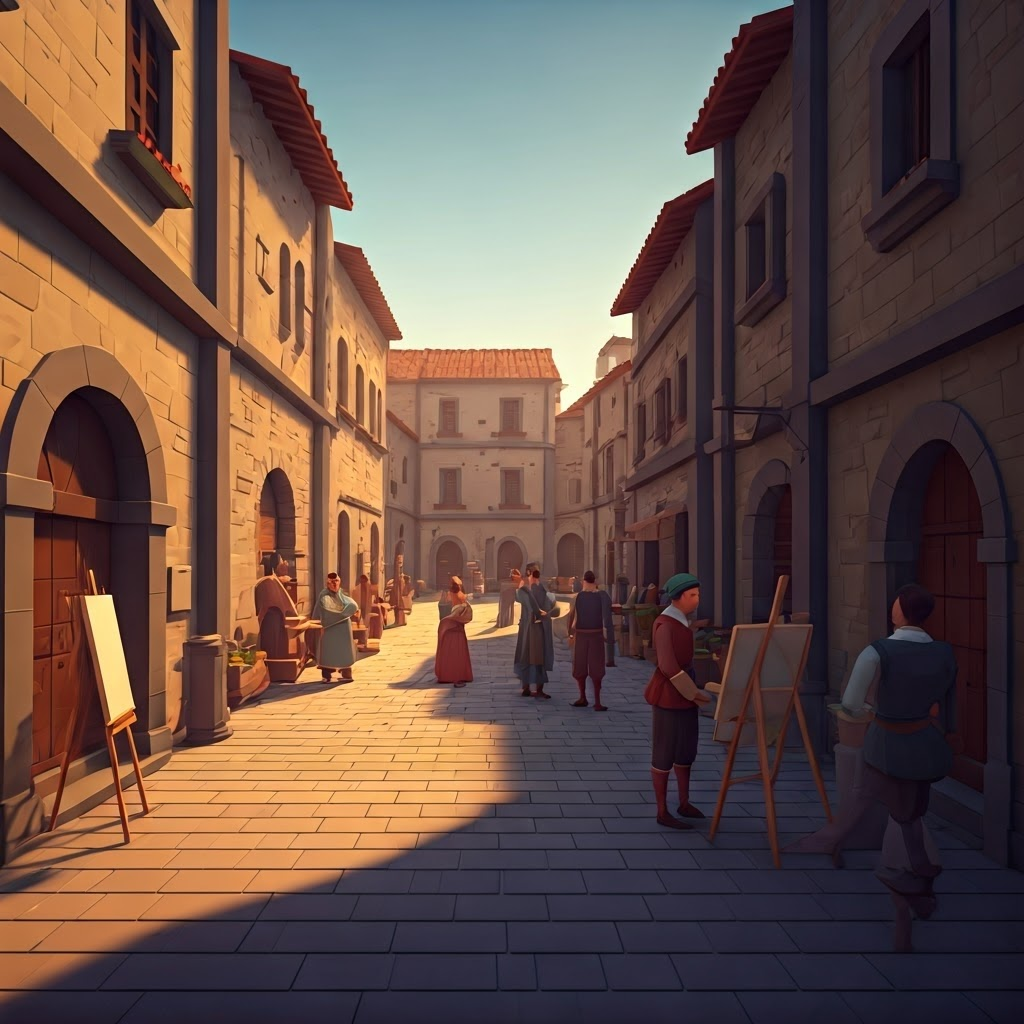
Giotto’s change matched a wider social shift. Europe was leaving the Middle Ages. Cities grew, trade boomed, and people cared more about the world around them. Artists chased the feeling of being there, not just delivering a lesson. Soon, many painters explored natural light, believable motion, and richer storytelling.
Perspective: The Secret Ingredient
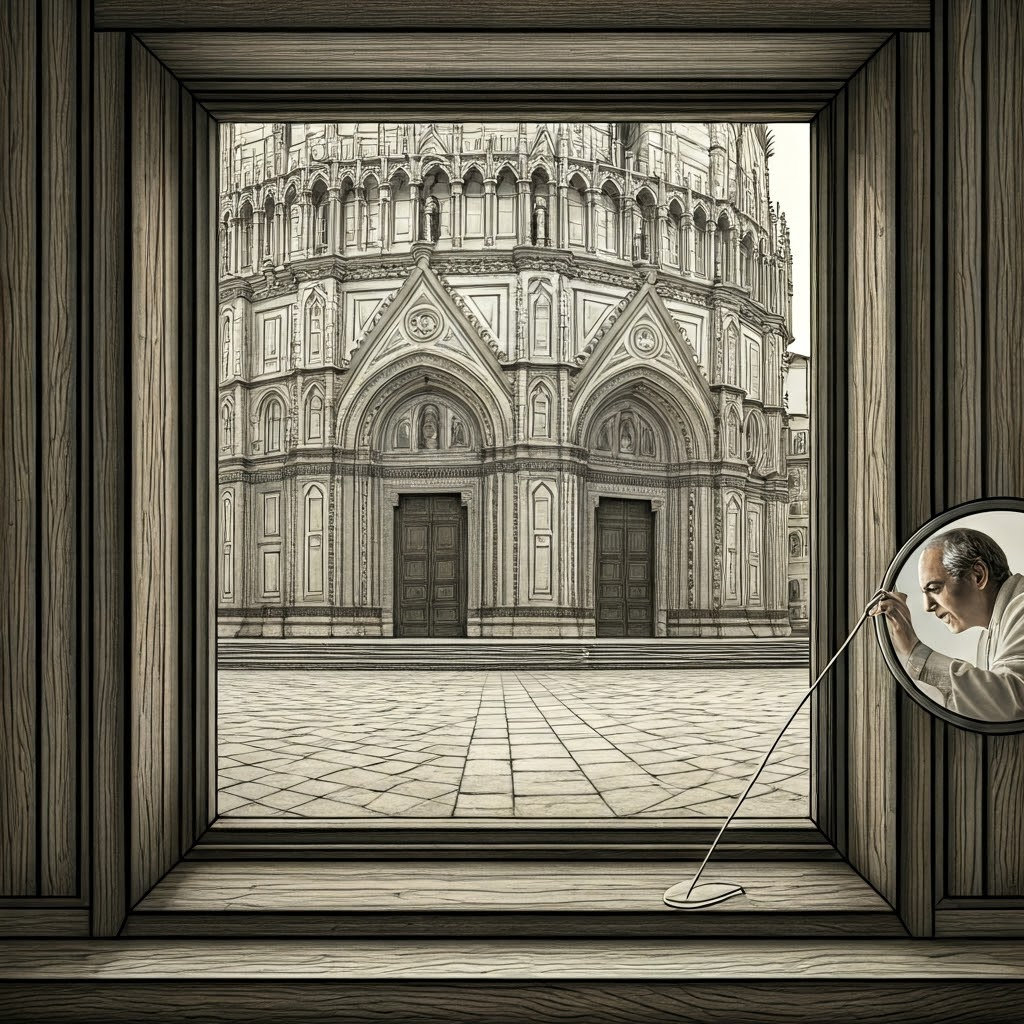
Realism needs space that convinces the eye. Perspective makes parallel lines meet at a vanishing point, turning a flat wall into a believable window. For centuries no one knew the exact rules. Brunelleschi solved the puzzle around 1420 with a panel, a mirror, and string. Alberti’s treatise soon spread the method.
Artists could now stage plazas, rooms, and streets with accurate scale and depth. Viewers felt they looked through an open window, not at a decorative panel.
From Gold Leaf to Human Faces
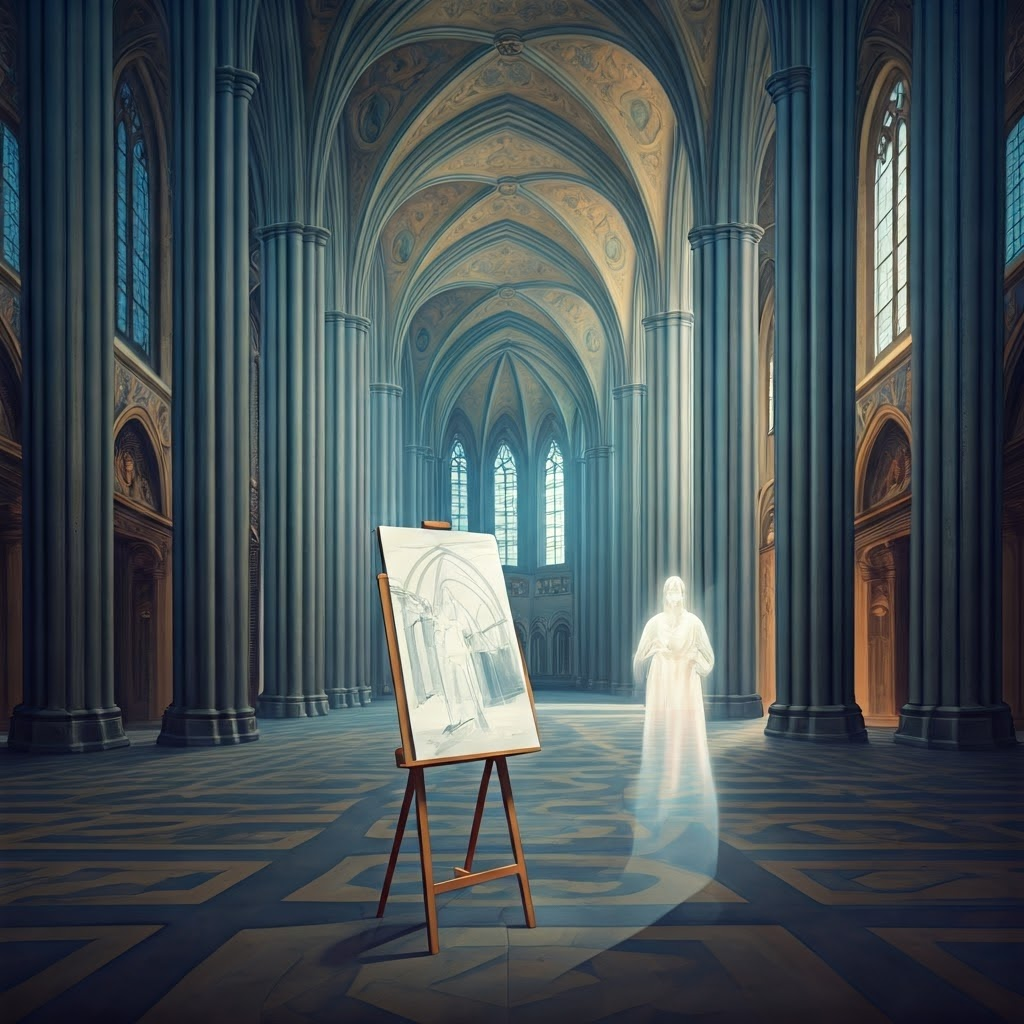
Medieval art loved shimmering gold backgrounds that stood for heaven. Painters slowly swapped gold for rocky hills, blue skies, and dusty roads. Placing saints in real settings grounded the sacred in daily life. The shift made stories feel immediate.
Faces also changed. Artists like Fra Angelico and Piero della Francesca watched markets and churches. Their saints showed fear, love, and doubt. Gombrich noted that mask-like faces gave way to tired eyes and gentle smiles. Viewers welcomed the humanity.
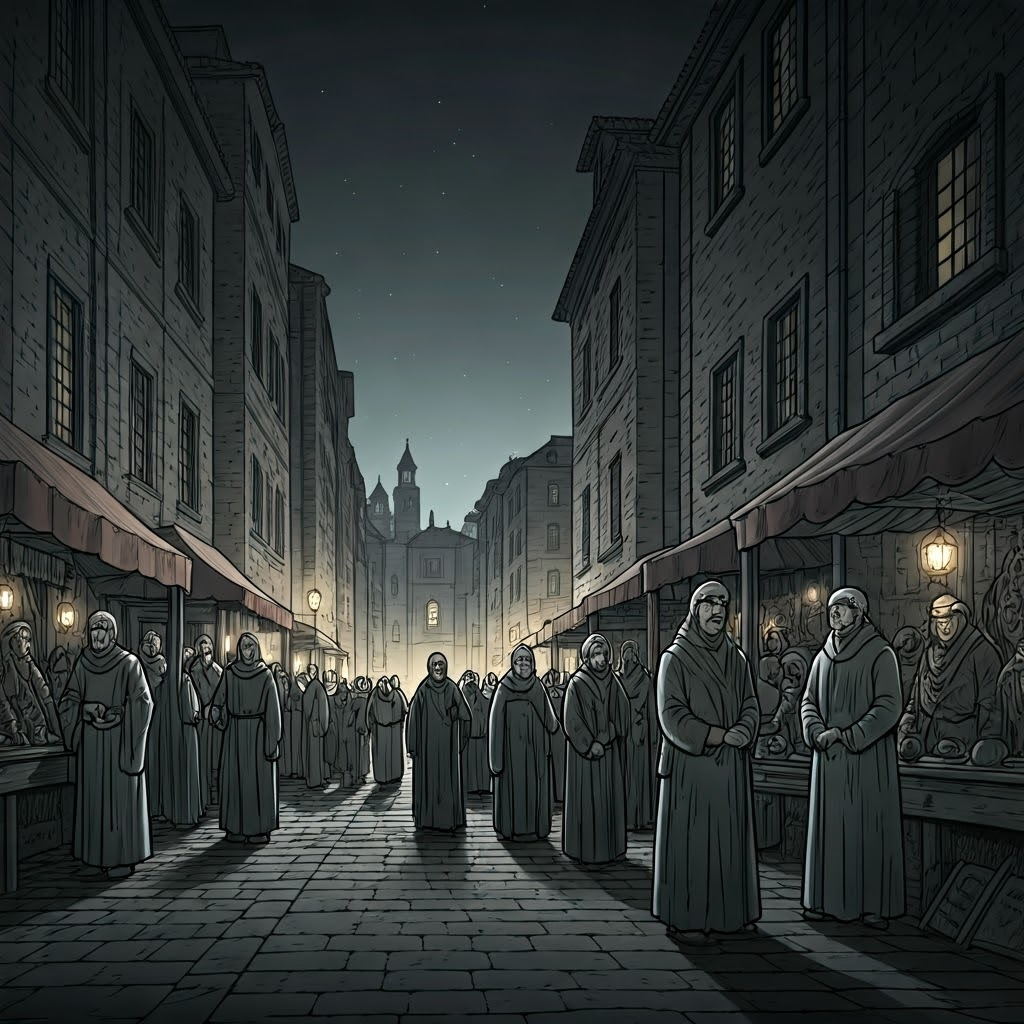
Everyday people and nature gained sacred status. The art felt closer to the viewer’s own life, making belief easier to grasp.
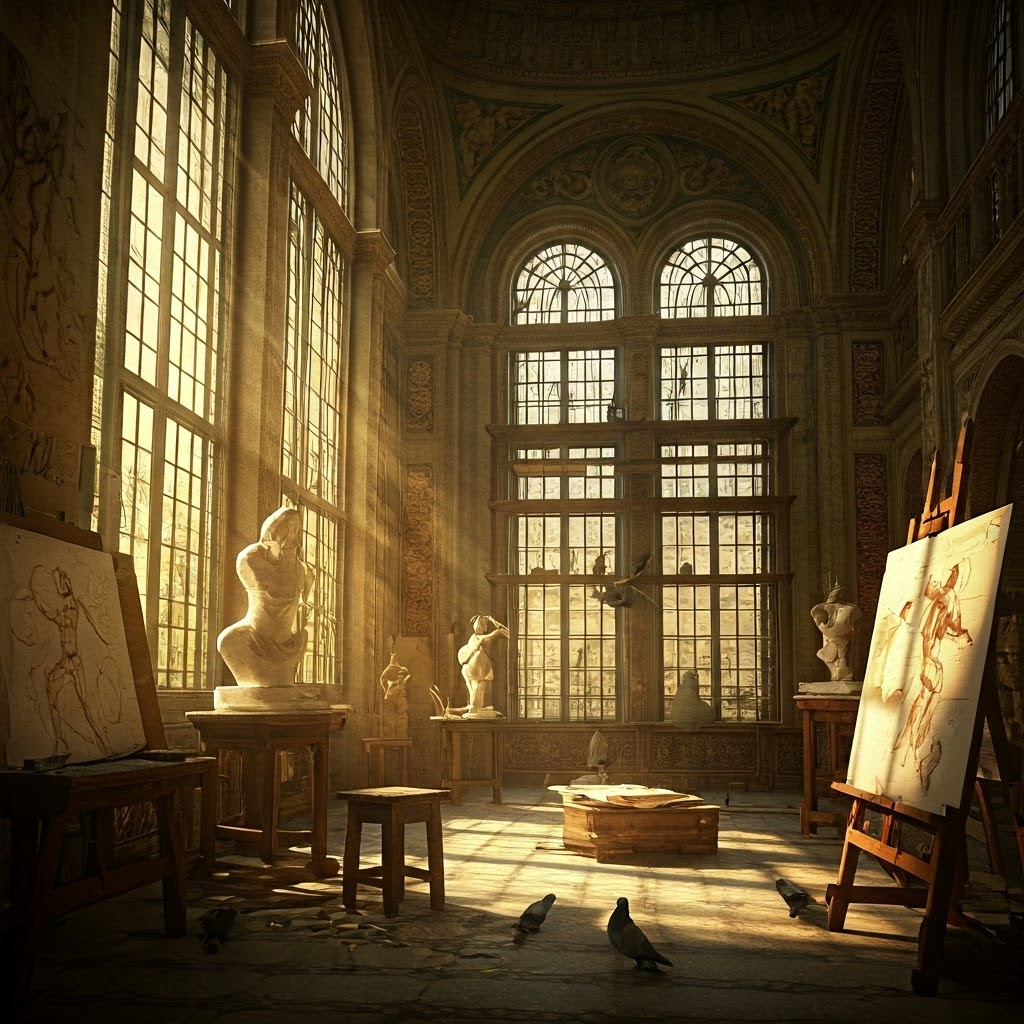
How Early Realism Opened the Door
Small breakthroughs often power big leaps. Giotto’s realism, true perspective, and earthly settings changed art’s purpose. Paintings became windows you could almost walk through. Artists turned into curious experimenters. Audiences became active viewers. This spark set the stage for Michelangelo’s power, Leonardo’s inquiry, and centuries of vivid storytelling. If you have ever felt you could step into a painting, you can thank this moment when paint first started breathing.
