
The Secret Life of Cables: From Ocean Floors to City Streets
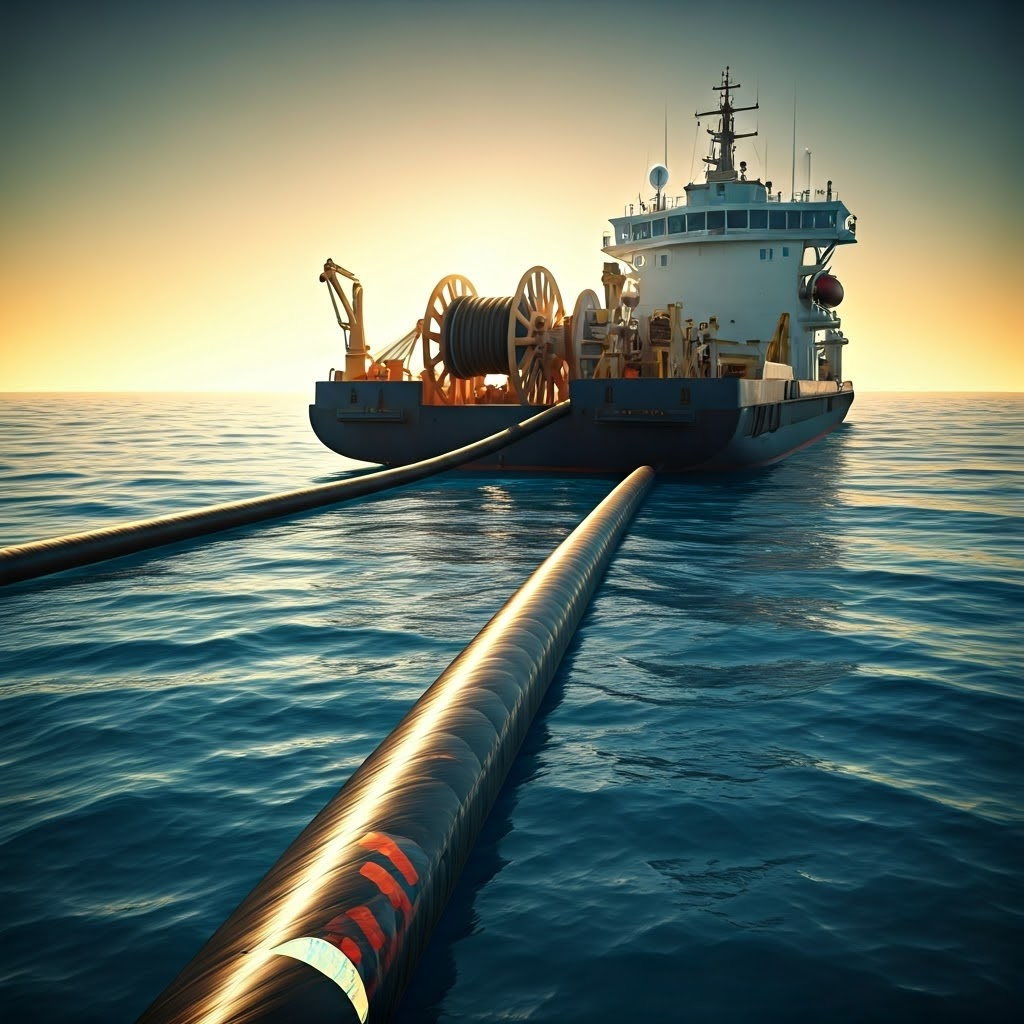
How the World Talks: Undersea Cables
Imagine you send a message from New York to London. You might picture a beam shooting into space and bouncing off a satellite, but almost every photo, meme, or text actually travels under the sea through hair-thin glass strands. That hidden route keeps the internet fast and reliable.
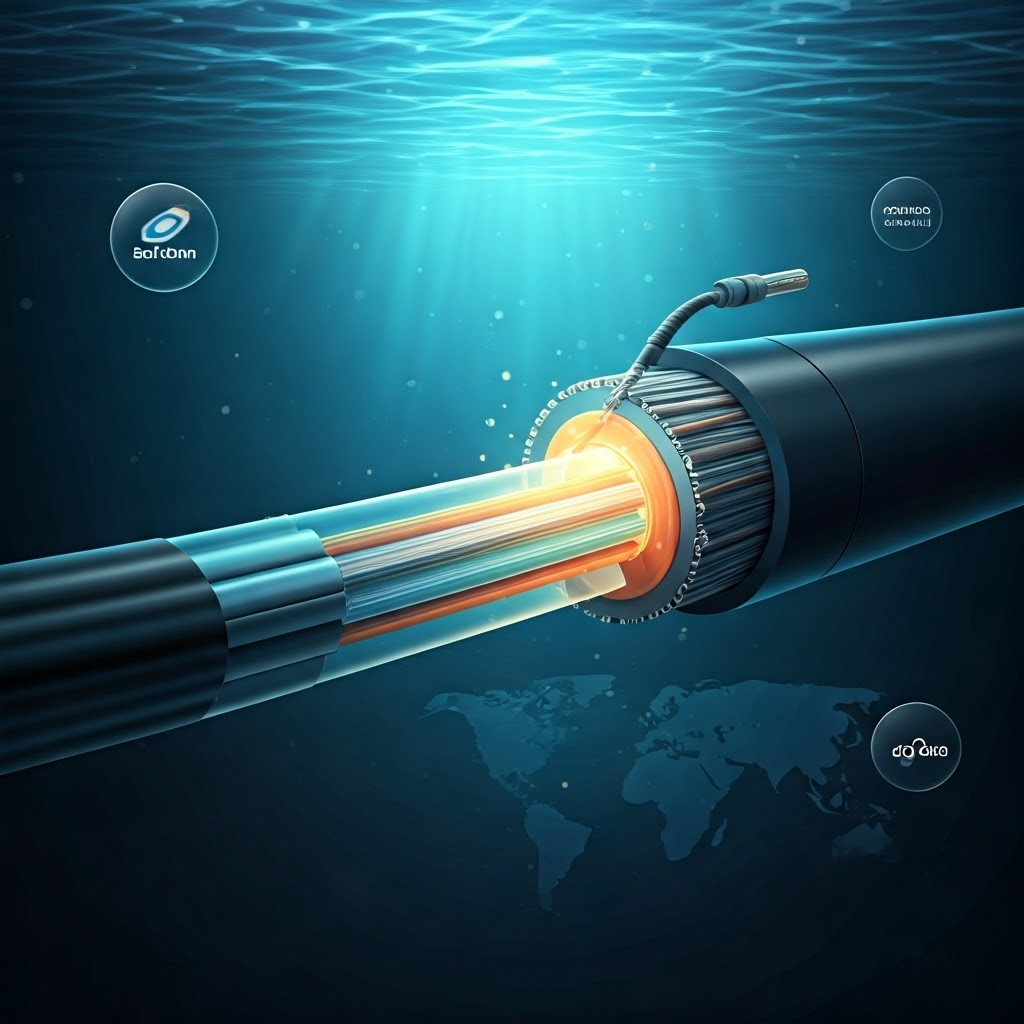
An undersea fiber-optic cable is a bundle of glass threads thinner than a human hair, wrapped in steel and plastic. Firms like SubCom and Alcatel build them, while giants such as Google now invest too. One cable can span 20,000 km and move terabits every second.

Laying these links takes precision. Specialized ships carry the cable from beach to beach. In deep water the line rests gently on the seabed; in shallow areas plows bury it for safety. Over 95 percent of intercontinental traffic flows through this quiet, glassy highway.

Land Lines: The Backbone Across Continents
When a signal reaches shore it joins the terrestrial backbone—long-haul fiber that runs beside highways and railways or under busy streets. Network planners chart these paths with care. Their maps resemble tangled subway diagrams yet guide the data that keeps cities humming.

Fiber rules because light travels far with little loss. In rugged terrain where digging is tough, microwave relays step in. Towers shoot narrow radio beams from peak to peak. They work well on clear days, though fog, storms, or a stray bird can disrupt the signal.
Keeping the Signal Alive: Repeaters and Repairs
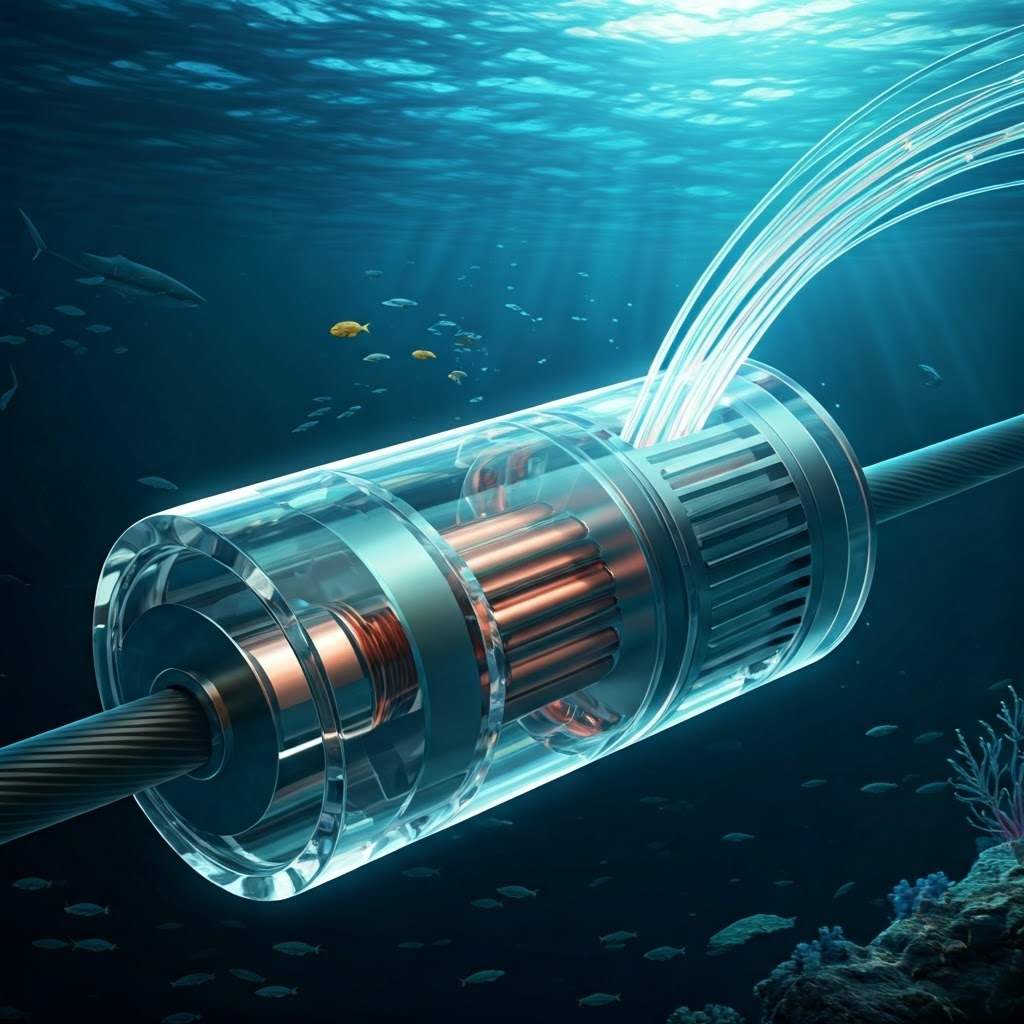
Repeaters breathe life into long cables. Every 60–100 km a booster grabs a fading flash of light and amplifies it so data can cross oceans. Without these devices, undersea links would only cover short runs, and global connectivity would feel sluggish.

Fixing a break tests patience. Engineers first locate the fault from shore by measuring reflection times. A repair ship then hooks the line, hauls it aboard, splices a new piece, seals it, and lowers everything back—often amid rough seas and relentless spray.
Seeing the Invisible Network
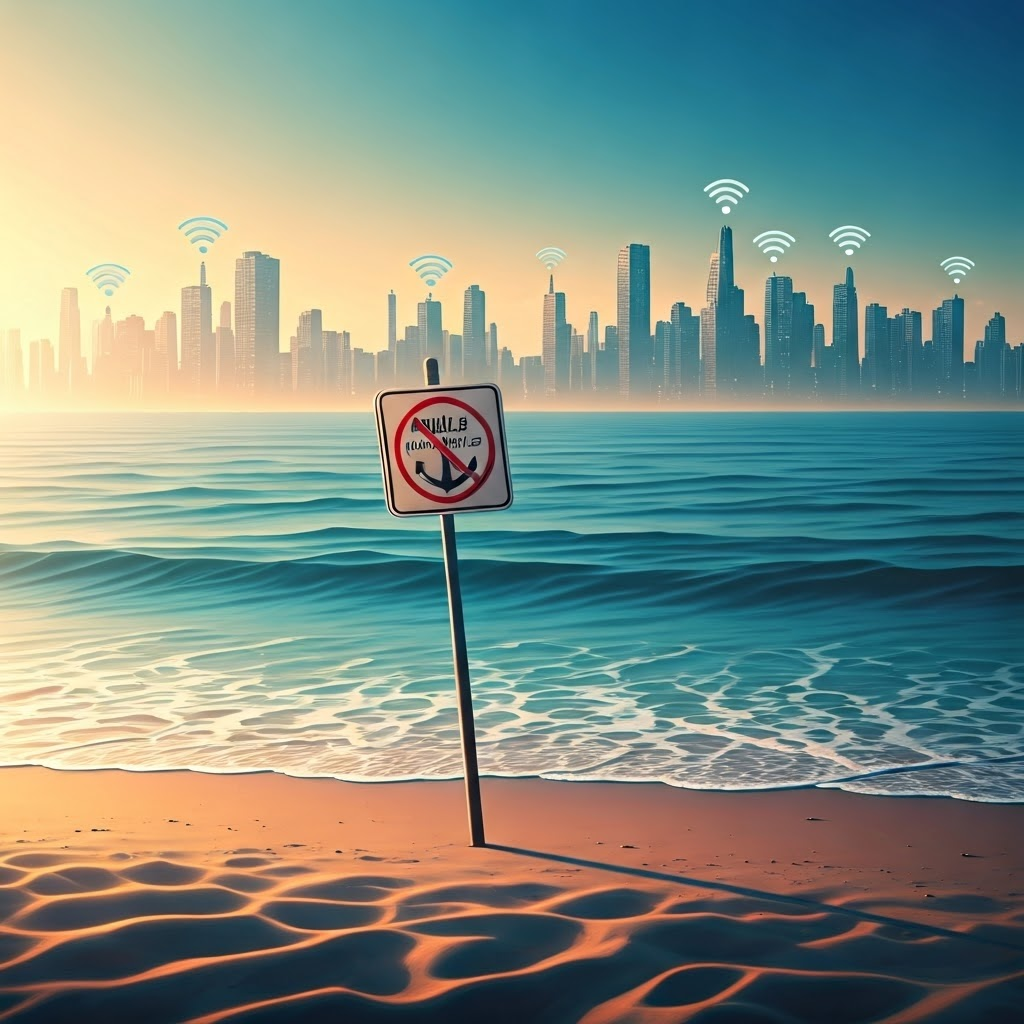
Walk certain beaches and you’ll spot modest signs that guard these gateways. Beyond them, hidden cables, repeaters, and late-night repairs shrink our world at light speed. So, when you send a photo overseas, picture a tiny flash racing through glass to reach its destination.
