
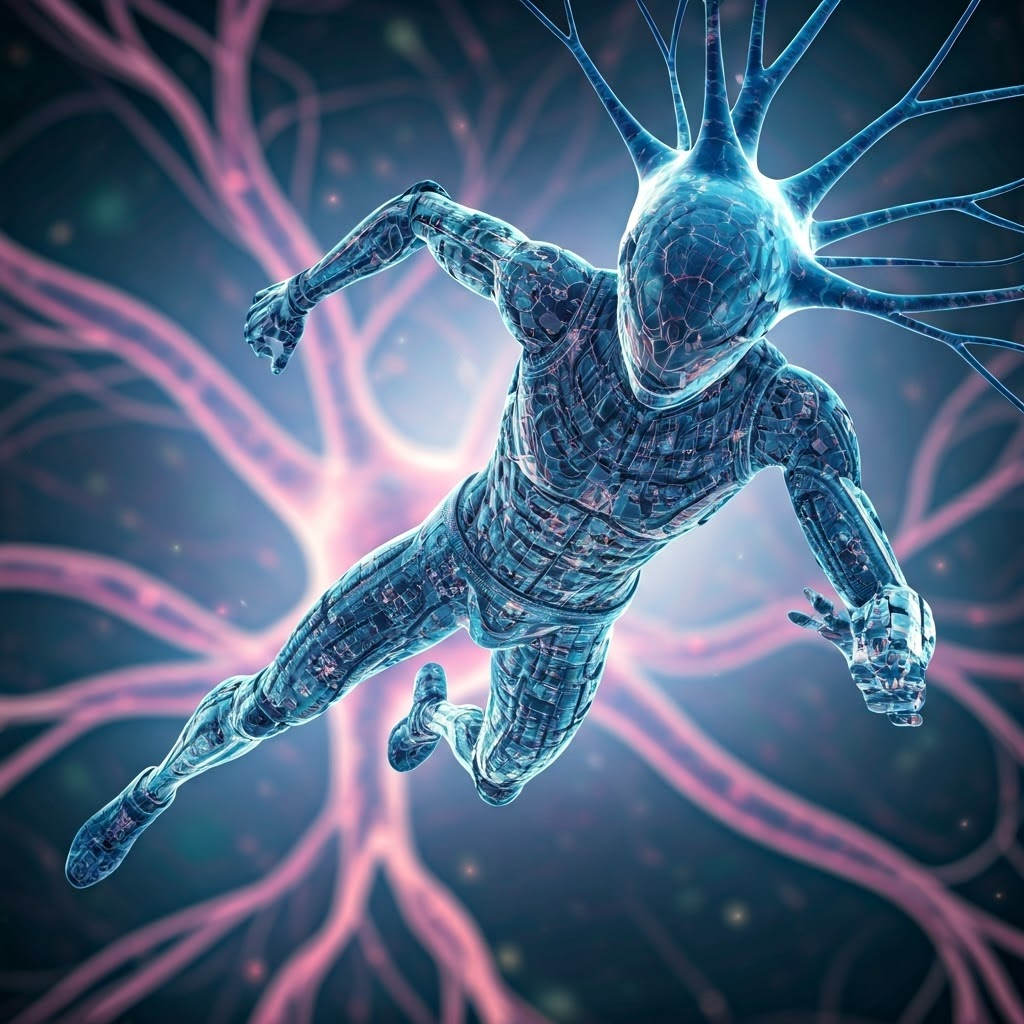
Meet the Neuron: The Brain’s Messenger
A neuron is the main messenger of your nervous system. It focuses on sending signals quickly and accurately, unlike most cells that juggle many tasks. Picture a long, wiry relay runner built to connect with other cells.
What Makes a Neuron Special?
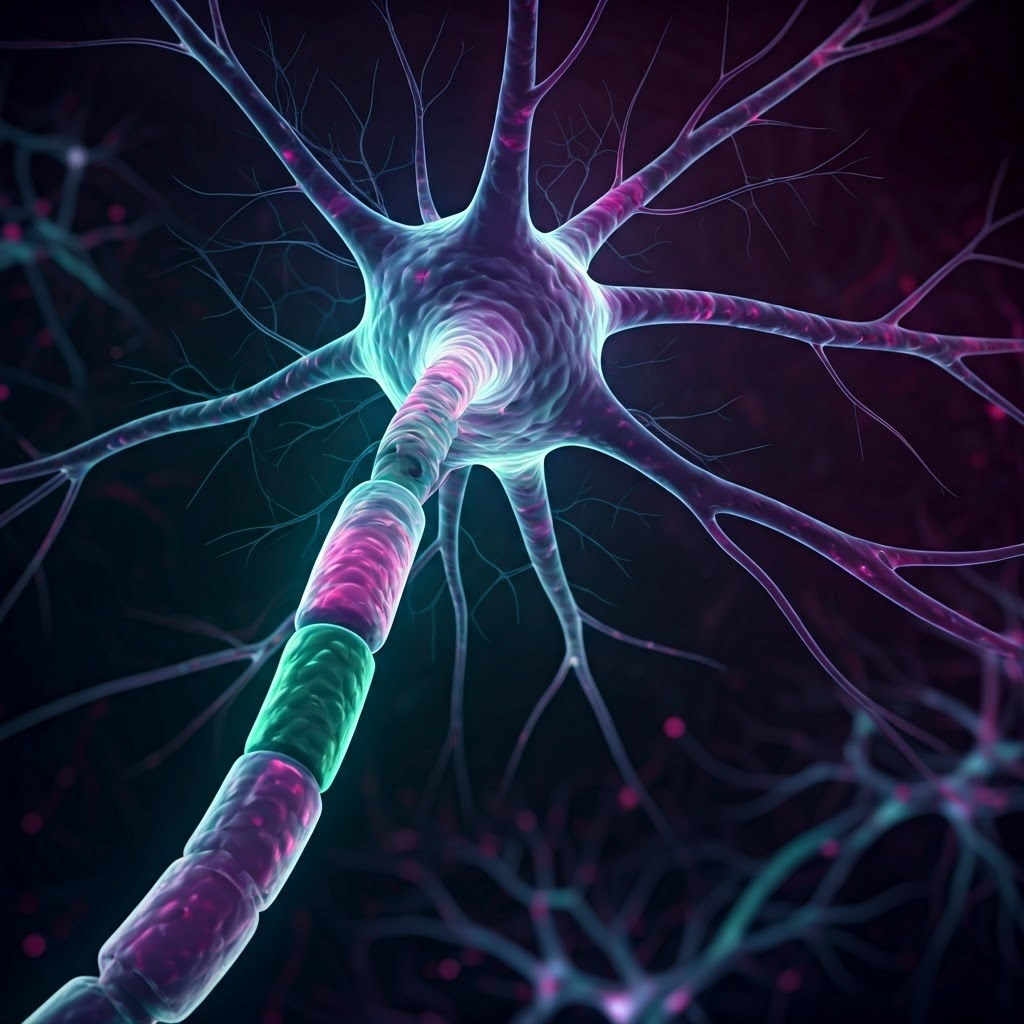
Most cells look round or boxy, but neurons extend long branches that reach across tiny gaps to form networks. These branches rarely divide, so the neurons you have now are mostly the ones you had in childhood. Their electric nature lets them shoot rapid signals that power every thought and movement.

The Soma, Dendrites, and Axon: A Guided Tour
The soma sits at the center, housing the nucleus and handling daily cell work. It directs energy production and waste removal while coordinating signals that flow through the neuron.
 Dendrites spread like tree branches from the soma. They act as sensitive listening posts, pulling in messages from nearby neurons so the cell body can decide what to do next. More dendrites mean more incoming information, letting your brain mix sounds, sights, and feelings at once.
 The axon stretches out to send signals away from the soma—sometimes a millimeter, sometimes more than a meter. Many axons wear a myelin sheath, insulation that speeds each impulse. Dendrites receive, the soma processes, and the axon delivers.
How Neurons Talk: The Action Potential
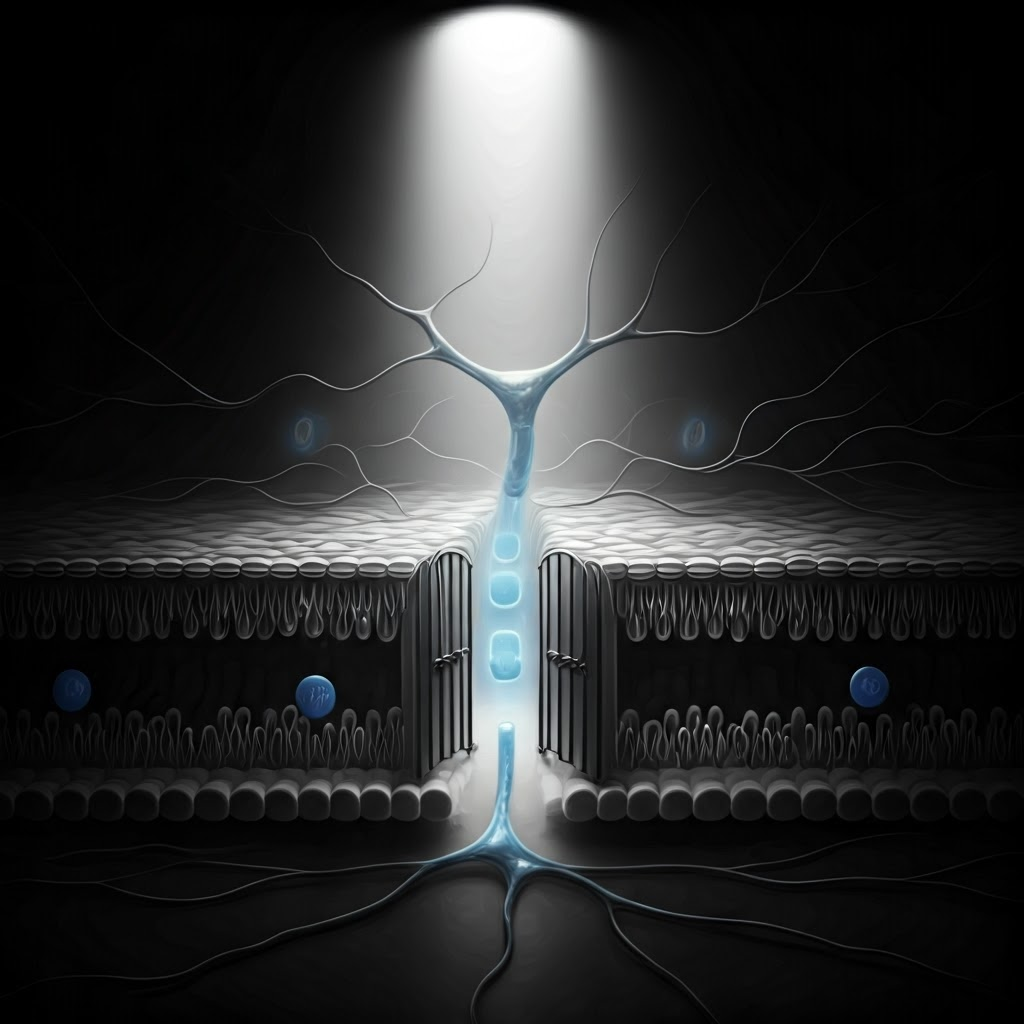
At rest, a neuron holds a slight negative charge of about . This stored energy comes from an uneven spread of ions like and . When triggered, sodium floods in, flipping the charge and firing an action potential that races down the axon. At the tip, chemicals called neurotransmitters cross a tiny synapse to spark the next cell.

Ramón y Cajal and the Neuron Doctrine
In the late 1800s, Santiago Ramón y Cajal sketched neurons under a simple microscope. He proved they are separate cells, not a single tangled net. His finding, the neuron doctrine, showed that connections between individual neurons drive brain function and laid the groundwork for modern neuroscience.
The Essentials—Why Structure Matters
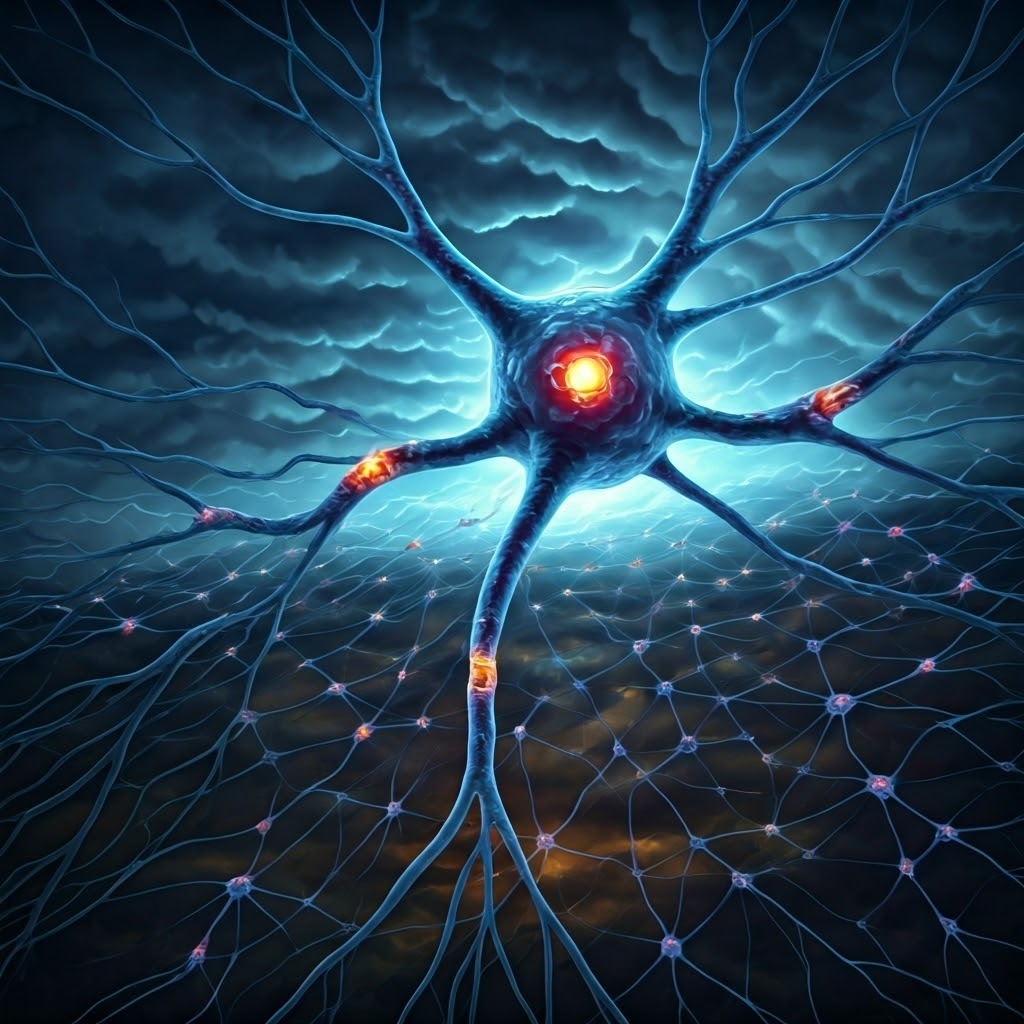
Structure guides function. Dendrites gather signals, the soma decides, and the axon sends. Fast electrical surges rely on precise ion balances and action potentials. Damage to myelin can slow or block messages, as seen in multiple sclerosis, while weak dendritic growth limits learning. Understanding these structures is the first step toward grasping memory, disease, and artificial intelligence.
