

The Air We Breathe: More Than Just Oxygen
Every breath links you to ancient oceans, glowing auroras, and quiet layers of invisible gas. This short guide shows how those layers formed, what they contain, and why that matters to you.
What’s in the Air?
Most people picture oxygen when they inhale, yet four-fifths of each breath is actually nitrogen. Oxygen claims roughly one-fifth. The last sliver—less than one percent—holds argon, carbon dioxide, and a few trace gases.
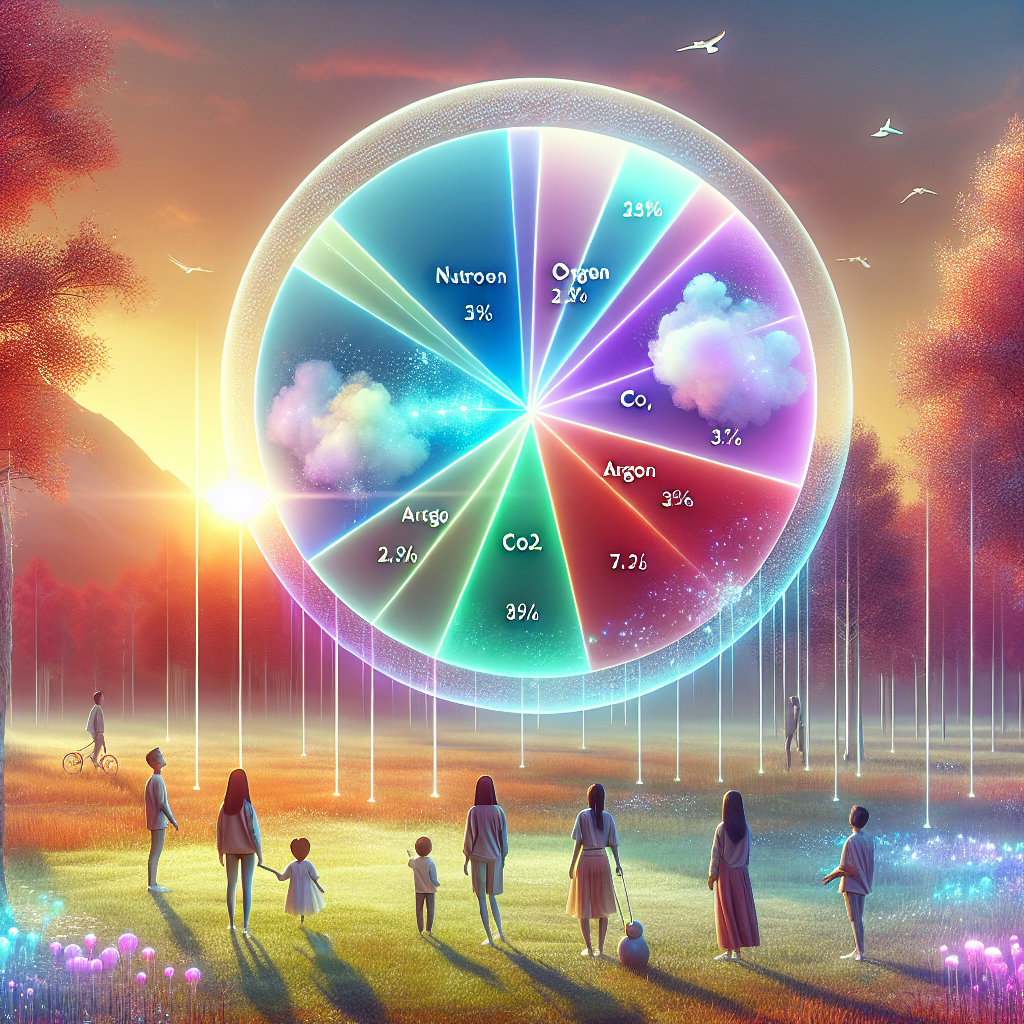
Think of the air as a pie. The big, plain slice is nitrogen, a buffer that keeps chemical reactions steady. Oxygen powers your cells. Argon adds calm stability. Carbon dioxide feeds plants and helps warm the planet. Tiny neon and krypton traces act as markers for scientists.

How Oxygen Took Over
Early Earth felt alien—hot, volcanic, and almost oxygen-free. Life clung to vents and shallow seas, using methane and other gases instead.
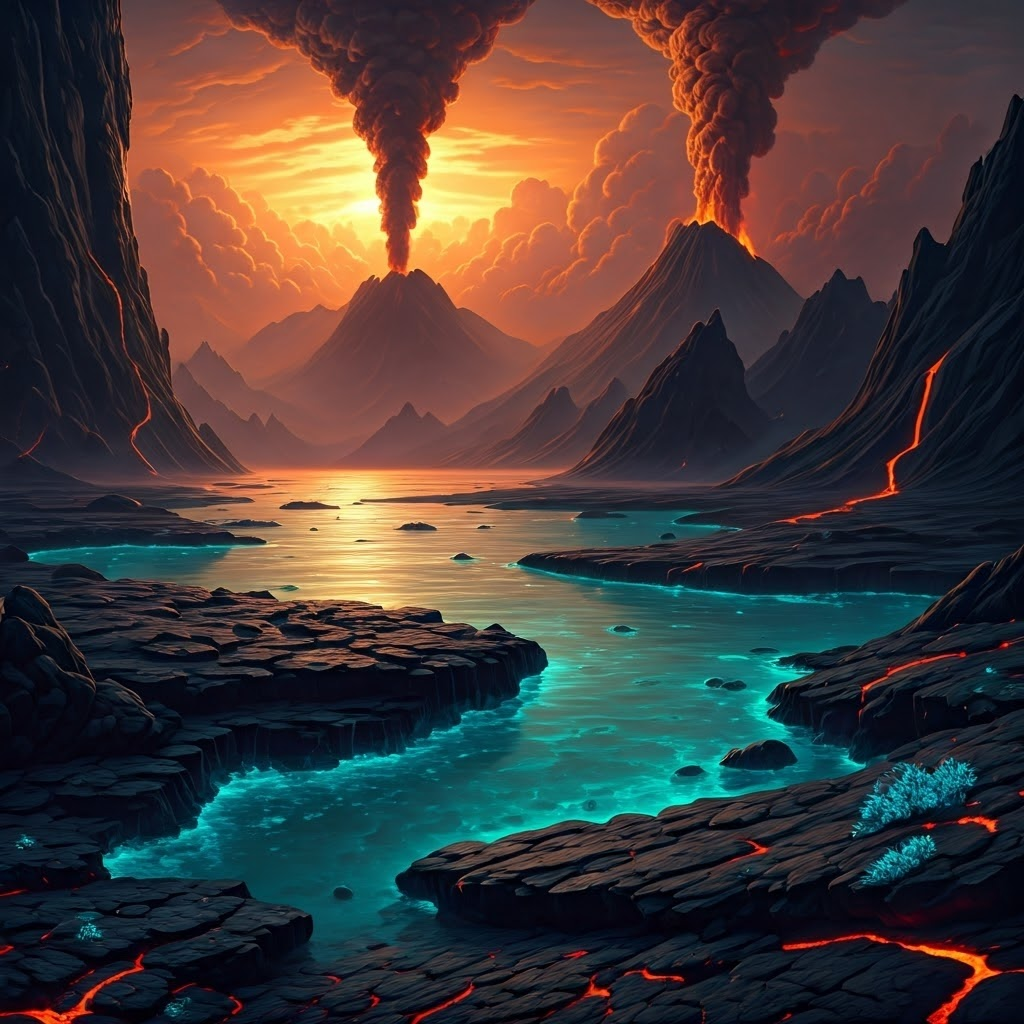
About 2.4 billion years ago, cyanobacteria mastered photosynthesis. They released oxygen that first rusted oceans and rocks, then slowly filled the sky. This Great Oxidation Event let complex life bloom while less adaptable species vanished.
Layers on Layers: The Structure of the Sky
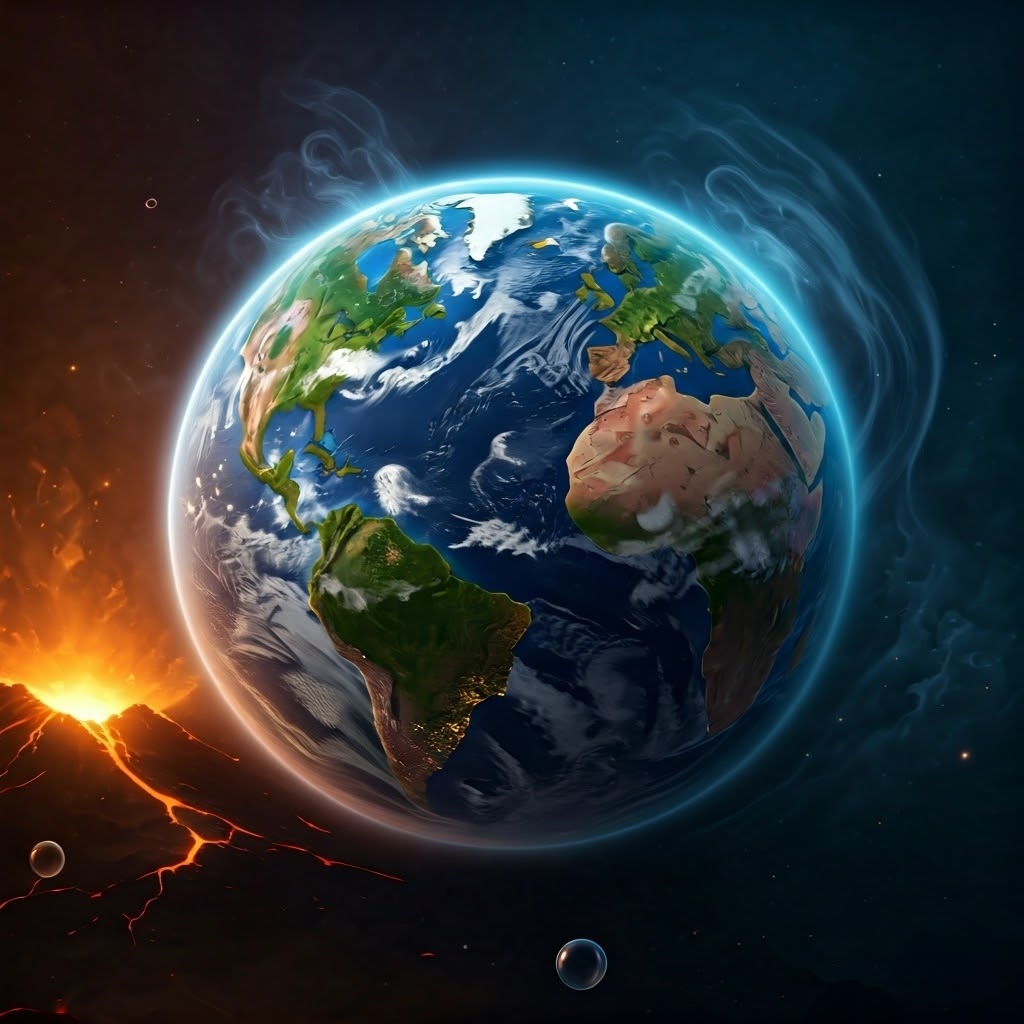
Picture an elevator ride through the atmosphere. Each stop reveals a new layer with its own job.

The troposphere, up to 20 km, holds weather, planes, and life. Above lies the stratosphere, calm and glassy, where the ozone layer blocks harmful UV rays.

Next comes the mesosphere, icy cold and protective against meteors. The thermosphere follows—thin air warmed by the Sun, home to shimmering auroras and the ISS. Finally, the exosphere blurs into space, where lone atoms drift away.
Why It Matters
You share every breath with erupting volcanoes, ancient microbes, and drifting satellites. Knowing the air’s mix, history, and layers reminds us how fragile Earth’s thin blanket is—and why caring for it keeps life possible.
